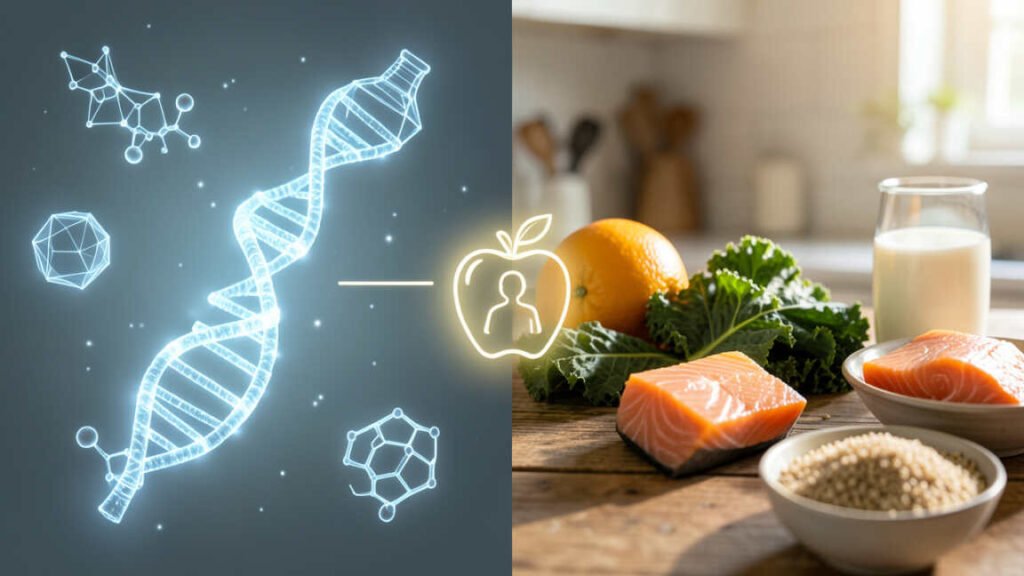
Nutrition is the biological process by which your body converts food into energy, builds and repairs tissues, and maintains vital physiological functions. This process relies on absorbing and utilizing a balance of macronutrients for fuel and structural support, and micronutrients to catalyze essential chemical reactions. Optimal nutrition is achieved not through short-term diets but through the consistent intake of varied, nutrient-dense foods that meet your individual metabolic needs.
How does nutrition work is a question many people ask when they start taking their health seriously. Your body depends on the food you eat for every single function, from breathing to thinking to moving. This guide breaks down the science of nutrients, digestion, and energy so you can make smarter choices at every meal.
Simply put, nutrition is the process your body uses to turn food into energy, build tissue, and regulate vital functions. Good nutrition means eating the right balance of macronutrients and micronutrients that your body can absorb and use effectively, and doing that consistently over time.
Key Takeaways
- Nutrition is the science of how food fuels every cell in your body.
- Macronutrients provide energy, while micronutrients support hundreds of chemical reactions.
- Digestion breaks food down into absorbable nutrients that travel through your bloodstream.
- Your ideal calorie intake depends on age, sex, body composition, and activity level.
- Small, consistent food choices matter more than strict short-term diets.
What Is Nutrition and Why Does It Matter?
Food is information for your body. Every bite either supports your health or chips away at it. Nutrition is the study of how food affects your body, from the nutrients in a single apple to your long-term eating patterns.
Nutrition goes far beyond weight management. It shapes your energy levels, mood, immune function, and your odds of developing chronic disease. Researchers at the Harvard T.H.
Chan School of Public Health have found that diet quality is one of the strongest predictors of long-term health outcomes.
Good nutrition matters because your body cannot make most nutrients on its own. You have to get them from food. Here is what proper nutrition supports:
- Daily energy for work, exercise, and recovery
- Growth and repair of muscles, bones, skin, and organs
- Hormone balance and stable blood sugar levels
- A robust immune system that fights off illness
- Healthy brain function, mood, and concentration
- Lower risk of heart disease, diabetes, and obesity
- Healthier aging and reduced cognitive decline
The World Health Organization (WHO) reports that 1 in 3 people worldwide suffers from some form of malnutrition. That includes undernutrition, vitamin deficiencies, and obesity, all of which trace back to diet quality.
Remember that “diet” does not mean a temporary eating plan. Your diet is simply the sum of everything you eat and drink. Small shifts in that sum add up to major health differences over time.
How Does Nutrition Work in the Body?
Nutrition follows a clear pathway from your fork to your cells. Understanding that route makes it easier to see why food quality matters so much.
At its core, nutrition is a delivery system. Your digestive tract breaks food into smaller components, your intestines absorb them, and your blood transports them to tissues that use them for energy, growth, and repair.
Here is the step-by-step process your body follows:
- Chewing breaks food into smaller pieces and mixes it with saliva.
- Your stomach adds digestive acids and enzymes to break it down further.
- Your small intestine absorbs nutrients through the intestinal walls.
- The bloodstream carries these nutrients to organs and tissues.
- Your liver processes, stores, and distributes many of these nutrients.
- Cells use the nutrients for energy, repair, and communication.
- Waste passes to the large intestine and eventually leaves the body.
Each step depends on the one before it. If your gut lining is damaged or you lack certain digestive enzymes, even good food will not be absorbed properly. That is why nutrient absorption matters just as much as nutrient intake.
The gut plays a central role in nutrition. Your intestines host trillions of bacteria that help digest fiber, produce vitamins, and protect against harmful microbes. Harvard research suggests that gut health can influence up to 80% of your immune response.
Tip: Chew your food thoroughly and eat slowly. Digestion actually starts in your mouth, so giving your stomach a head start can reduce bloating and improve nutrient absorption.
The Three Main Macronutrients Explained
Macronutrients are the nutrients your body needs in large amounts. There are three of them, and each one serves a distinct purpose.
Carbohydrates are your body’s preferred fuel source. Proteins build and repair tissue and act as enzymes. Fats provide concentrated energy, insulate your organs, and help your body absorb certain vitamins.
| Macronutrient | Primary Role | Calories per Gram | Best Sources |
|---|---|---|---|
| Protein | Builds and repairs tissue | 4 | Meat, fish, eggs, beans |
| Carbohydrates | Quick and sustained energy | 4 | Whole grains, fruits, vegetables |
| Fats | Long-term energy and cell structure | 9 | Nuts, olive oil, avocado, fatty fish |
All three macronutrients work together. You do not need to cut out one to be healthy. The quality of each matters far more than the exact ratio on your plate.
- Carbohydrates should come mostly from whole sources like oats, fruit, and legumes, not refined sugar and white flour.
- Protein needs vary by body weight; athletes and older adults often need more than sedentary people.
- Fats are essential, but focus on unsaturated fats from plants and fish while limiting trans fats.
- Fiber is a type of carbohydrate your body cannot digest, and it feeds your gut bacteria.
- The Dietary Guidelines for Americans recommend that 45-65% of daily calories come from carbohydrates.
- Protein should make up roughly 10-35% of daily calories.
- Fats should stay within 20-35% of total daily calories.
When you cut out entire food groups, you often lose vitamins and minerals that come with those foods. A balanced plate with all three macros is more sustainable than any extreme eating plan.
Micronutrients: Vitamins and Minerals Your Body Needs
Micronutrients are vitamins and minerals your body needs in smaller amounts. They do not provide energy directly, but they make the energy-producing reactions possible.
These nutrients act like the keys that unlock your metabolism. Without them, your body cannot convert food into usable energy, build strong bones, or fight off infections.
| Vitamin or Mineral | Main Job | Common Food Sources |
|---|---|---|
| Vitamin D | Bone health and immunity | Sunlight, fatty fish, fortified dairy |
| Vitamin B12 | Nerve function and red blood cells | Meat, eggs, dairy, fortified cereals |
| Iron | Carries oxygen in the blood | Red meat, lentils, spinach |
| Calcium | Bones and nerve signaling | Dairy, leafy greens, tofu |
| Magnesium | Muscle and nerve function | Nuts, seeds, whole grains, dark chocolate |
| Potassium | Fluid balance and blood pressure | Bananas, potatoes, beans, avocado |
The Centers for Disease Control and Prevention (CDC) notes that 6 in 10 American adults live with a chronic disease linked to poor diet. Micronutrient gaps are a big part of that picture. Many people fall short on vitamin D, magnesium, potassium, and iron without realizing it.
- Vitamin C helps your body absorb iron and supports immune function.
- Vitamin A is critical for vision, skin health, and cell growth.
- Folate is essential for cell division and especially important during pregnancy.
- Zinc supports wound healing, DNA synthesis, and immune response.
- Iodine is needed for thyroid hormone production and brain development.
Tip: Eat a variety of colorful vegetables and fruits each day. Different colors signal different micronutrient profiles, so variety is your best insurance against deficiencies.
Supplements can help fill specific gaps, but they cannot replace a nutrient-dense diet. Whole foods contain fiber, antioxidants, and dozens of phytochemicals that work together in ways a pill cannot replicate.
How Digestion Turns Food Into Usable Fuel
At this point, you know what nutrients are. But how exactly does your body convert a sandwich into energy? It all comes down to digestion and metabolism.
Digestion starts in your mouth. Enzymes in saliva begin breaking down carbohydrates right away. Your stomach then churns food with acid and enzymes, creating a mixture called chyme.
Here is the full journey of your food:
- Mouth: saliva starts digesting carbohydrates.
- Stomach: acid and enzymes break down proteins.
- Small intestine: pancreatic enzymes and bile from the liver finish the job.
- Intestinal walls: villi absorb nutrients into the bloodstream.
- Liver: processes and stores nutrients, manages blood sugar levels.
- Cells: mitochondria convert glucose and fats into ATP, the body’s energy currency.
Metabolism refers to every chemical reaction that keeps you alive. Basal metabolic rate (BMR) is the energy your body needs at rest to maintain basic functions like breathing and heartbeat. For most people, BMR makes up 60-75% of total daily energy expenditure.
The speed of your metabolism depends on several factors:
- Age: metabolism gradually slows after age 30
- Muscle mass: more muscle means a higher resting burn
- Hormones: thyroid and insulin play major roles
- Genetics: some people naturally burn more calories
- Sleep: poor sleep slows metabolic rate and raises hunger hormones
Warning: Many “metabolism boosting” supplements are not backed by science. Skip products that promise to dramatically speed up your metabolism through pills or powders. Real metabolic changes come from muscle mass, sleep, and consistent eating habits.
How Does Nutrition Work With Calories and Metabolism?
Now the question becomes practical. How does nutrition work with the calories you eat and burn each day?
A calorie is simply