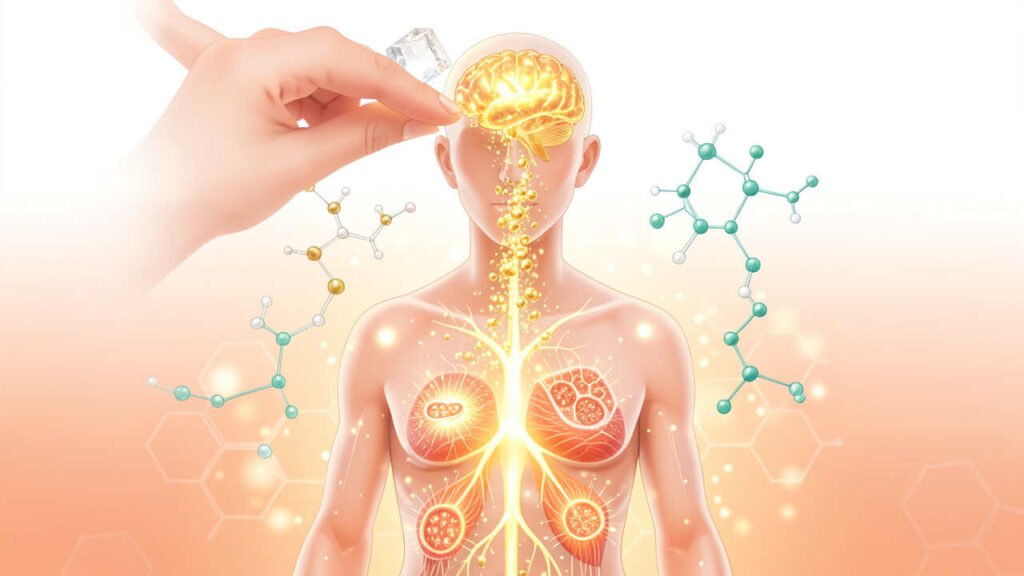
Sugar is a simple carbohydrate, such as sucrose, that breaks down into glucose during digestion, which then enters the bloodstream and is delivered to cells by insulin for energy. The body distinguishes between natural sugars, found in fruits and dairy with accompanying fiber and nutrients, and added sugars, which are processed and offer no additional nutritional value. Consuming too much added sugar can disrupt normal metabolic processes, leading to insulin resistance, fat accumulation, and a higher risk of obesity, type 2 diabetes, and cardiovascular disease.
Simply put, sugar is the body’s main source of energy. Your digestive system breaks it down into glucose, which enters your bloodstream and fuels your cells with the help of insulin. Some sugar is natural and necessary, but added sugar in excess can lead to weight gain, insulin resistance, and chronic disease.
Key Takeaways
- What is sugar: it is a simple carbohydrate that breaks down into glucose, the fuel your cells run on.
- The body uses sugar through digestion, absorption, and insulin-driven delivery into cells.
- Natural sugars in fruit and dairy come with fiber, water, and nutrients; added sugars do not.
- Too much added sugar raises your risk of obesity, type 2 diabetes, and heart disease.
What Is Sugar?
Sugar is the simplest form of carbohydrate. Most table sugar is sucrose, a molecule made of two smaller sugars locked together: glucose and fructose.
Glucose is the version your body can use immediately. Fructose needs to be processed by your liver first. This difference shapes how each type of sugar affects your energy, your blood sugar, and your long-term health.
Carbohydrates fall into two broad groups:
- Simple carbohydrates have one or two sugar molecules and digest very quickly. Examples include glucose, fructose, and sucrose.
- Complex carbohydrates are long chains of sugar molecules. Starches and fiber digest slowly and provide steadier energy.
- Glucose is the preferred fuel for your brain, red blood cells, and muscles during exercise.
- Glycogen is the storage form of glucose in your liver and muscles, ready for use between meals.
- Excess sugar that your storage tanks cannot hold gets converted into fat.
Important: Not all sugar acts the same in your body. The sugar inside a whole apple comes with fiber, which slows digestion and softens the blood sugar response. The same sugar extracted and added to a soda enters your bloodstream much faster.
How Does the Body Use Sugar for Energy?
Your body treats sugar as premium fuel. From your first bite to the moment your cells use glucose, the entire process usually takes less than two hours. Insulin coordinates every major step along the way.
Here is the exact sequence your body follows each time you eat something sweet or starchy:
- Digestion: Enzymes in your mouth, stomach, and small intestine break sucrose and other sugars into single glucose molecules.
- Absorption: Glucose crosses the intestinal wall and enters your bloodstream.
- Signal: Rising blood glucose tells your pancreas to release insulin.
- Delivery: Insulin acts like a key, unlocking your cells so glucose can enter for immediate energy.
- Storage: Leftover glucose is packed into glycogen in the liver and muscles for later use.
- Conversion: When glycogen stores are full, the liver turns the remaining sugar into fat.
The speed of this process depends on what you eat. A candy bar floods your system with glucose fast. Whole grains release glucose slowly because fiber slows digestion.
That speed matters and is measured by the glycemic index (GI).
- High GI foods cause rapid glucose spikes and large insulin releases.
- Low GI foods provide steady energy and keep you full longer.
- Protein and fat blunt the glucose response of any meal.
- Regular exercise makes muscle cells more sensitive to insulin, so they clear glucose faster.
- Chronic high blood sugar can overwhelm insulin signaling over time.
Tip: Pair refined sugar with protein or fiber, like adding nuts to yogurt. This slows glucose absorption and avoids the sharp energy crash that follows a sugar spike.
What Are the Different Types of Sugar?
Sugar is not a single substance. It is a family of molecules with different structures, sweetness levels, and metabolic effects. Knowing the difference helps you understand food labels and make smarter choices.
| Type | Structure | Common Sources |
|---|---|---|
| Glucose | Single sugar | Fruit, honey, corn syrup |
| Fructose | Single sugar | Fruit, honey, soda, processed foods |
| Sucrose (table sugar) | Glucose + fructose | Cane sugar, beet sugar, desserts |
| Lactose | Glucose + galactose | Milk, yogurt, cheese |
| Maltose | Glucose + glucose | Malted grains, beer |
Glucose and fructose are handled very differently. Glucose can be used by almost every cell in your body for energy. Fructose, on the other hand, is mostly processed in the liver, where it can be turned into fat if consumed in large amounts.
- Honey is about 38% fructose and 31% glucose.
- Agave nectar is up to 90% fructose, which is why it is so sweet.
- High-fructose corn syrup in soda is typically 55% fructose and 45% glucose.
- Fruit contains glucose, fructose, and sucrose in varying amounts, plus fiber and water.
- Sugar alcohols like xylitol and erythritol provide sweetness with minimal blood sugar impact.
Natural Sugar vs Added Sugar: What Is the Difference?
Your body cannot tell the difference between sugar from an apple and sugar from a cookie. The difference is everything else that comes along with it. Natural sugar arrives packaged with fiber, water, vitamins, and antioxidants.
Added sugar arrives alone, usually with empty calories.
| Factor | Natural Sugar | Added Sugar |
|---|---|---|
| Sources | Fruit, milk, unsweetened yogurt | Soda, candy, baked goods, sauces |
| Fiber content | Present in fruit | None |
| Nutrients | Vitamins, minerals, antioxidants | None |
| Satiety | Keeps you full | Increases cravings |
| Blood sugar impact | Slower rise | Fast spike |
Look at the Nutrition Facts label to spot added sugar. The FDA now requires food makers to list added sugars separately from total sugars, which makes this much easier.
- Ingredients ending in -ose, like dextrose, maltose, and sucrose, are sugars.
- Syrups including corn syrup, brown rice syrup, and maple syrup count as added sugar.
- Agave nectar and honey, even though they sound natural, are still added sugar.
- Fruit juice concentrate is used to sweeten products and counts as added sugar.
- If sugar appears in the first three ingredients, the product is mostly sugar.
Warning: Yogurt, granola, pasta sauce, salad dressing, and bread can hide surprising amounts of added sugar. Always scan the ingredient list and Nutrition Facts label before buying.
How Much Sugar Does Your Body Need Each Day?
Your body has zero requirement for added sugar. The natural sugar in fruits, vegetables, and dairy provides all the glucose you need. However, health organizations have set practical limits to protect you from excess.
Here are the current benchmarks:
| Organization | Daily Added Sugar Limit | Notes |
|---|---|---|
| World Health Organization (WHO) | Under 10% of daily calories | That is about 50 grams on a 2,000-calorie diet |
| American Heart Association (AHA) | 25 g for women, 36 g for men | Equals 6 or 9 teaspoons |
| FDA | 50 g per day as Daily Value | Based on a 2,000-calorie diet |
| CDC | Average US adult intake is about 270 calories per day | Roughly 13% of total daily calories |
To keep numbers in perspective, remember these simple conversions:
- 4 grams of sugar equals 1 teaspoon.
- A 12-ounce can of cola contains about 39 grams, nearly 10 teaspoons.
- A flavored latte can pack 30 to 50 grams of added sugar.
- One granola bar can contain 7 to 12 grams even when it tastes savory.
- Fruit-flavored yogurt often has 15 to 20 grams per serving.
Important: The WHO states that dropping added sugar below 5% of daily calories provides additional health benefits. For most people, that means about 25 grams, or 6 teaspoons, per day.
What Is Sugar Doing to Your Body When You Eat Too Much?
Short-term, a sugar rush feels great. Your brain releases dopamine, you get a burst of energy, and your mood lifts. But when the spike fades, blood glucose drops, and you crash into fatigue, irritability, and cravings for more sugar.
Over months and years, excess added sugar takes a heavier toll. According to a study published in JAMA Internal Medicine, adults who got 17 to 21% of their calories from added sugar had a 38% higher risk of dying from heart disease compared with those who kept added sugar below 8% of calories.
- Weight gain: Sugar drinks add calories without making you feel full.
- Insulin resistance: Cells stop responding to insulin, forcing the pancreas to pump out more.
- Type 2 diabetes: Prolonged insulin resistance raises blood glucose to dangerous levels.
- Fatty liver: Excess fructose is converted into fat inside the liver.
- Tooth decay: Oral bacteria feed on sugar and produce acids that eat enamel.
- Heart disease: High sugar intake raises triglycerides, blood pressure, and inflammation.
Not everyone reacts the same way. Genetics, activity level, muscle mass, and overall diet all influence how well your body clears glucose. But the pattern is consistent: higher added sugar intake is linked to worse metabolic health.
Warning: Sugary drinks are the single largest source of added sugar in the American diet. Liquid sugar bypasses normal fullness signals, so you end up consuming far more calories without noticing.
Simple Tips to Manage Your Sugar Intake
You do not need to cut out all sugar to be healthy. The goal is to reduce hidden added sugar while keeping the natural sugar that comes with nutritious food. Small swaps make a big difference over time.
- Read labels every time. Check the added sugar line on Nutrition Facts and scan ingredients for sugar aliases.
- Drink water or unsweetened tea. Replace soda, sweet tea, and energy drinks with zero-sugar options.
- Choose whole fruit over juice. A whole orange has fiber and about half the sugar of the same amount of juice.
- Pair sweets with protein or fat. Yogurt with berries, or an apple with peanut butter, slows glucose absorption.
- Dial back breakfast sugar. Swap sugary cereals for oatmeal or eggs and add fruit for sweetness.
- Keep treats for special occasions. Instead of daily dessert, make sweets a planned weekend treat.
You can also re-train your taste buds. When you eat less sugar consistently, your sensitivity to sweetness increases, and fruit starts to taste sweeter than you remember.
Tip: Try a two-week low-sugar reset. Cut out sugary drinks, desserts, and sweetened yogurt. Most people lose cravings after the first week and find that plain foods taste better.
Frequently Asked Questions
What is sugar made of?
Sugar molecules are made of carbon, hydrogen, and oxygen arranged in rings. Sucrose, or table sugar, combines one glucose and one fructose molecule. Digestive enzymes split that bond so your body can absorb the two simple sugars.
How long does sugar stay in your body?
Blood glucose typically rises and returns to normal within one to two hours after a meal, depending on what else you ate. Glucose stored as glycogen can remain in your liver and muscles for hours or days until your body needs it for energy.
Is eating sugar bad for you?
Not all sugar is bad. The natural sugar in whole fruit and dairy comes with fiber, vitamins, and minerals. Problems start when added sugar provides too many calories without nutrients, which raises the risk of obesity, diabetes, and heart disease.
Which is healthier, white sugar or brown sugar?
Brown sugar is white sugar with molasses added, so it contains trace amounts of calcium, potassium, and magnesium. The difference is too small to affect your health. Both raise blood sugar the same way and should be limited equally.
How much sugar can you have in a day?
The WHO recommends keeping added sugar under 10% of daily calories, which is about 50 grams for a 2,000-calorie diet. The American Heart Association suggests stricter limits: 25 grams for women and 36 grams for men.
Final Thoughts
Sugar is not your enemy, it is your fuel. The key is choosing natural sources like fruit, vegetables, and dairy while keeping added sugar within recommended limits. Pay attention to labels, watch out for sweetened drinks, and pair sweets with protein or fiber.
When you manage sugar intelligently, your body uses it exactly as designed.