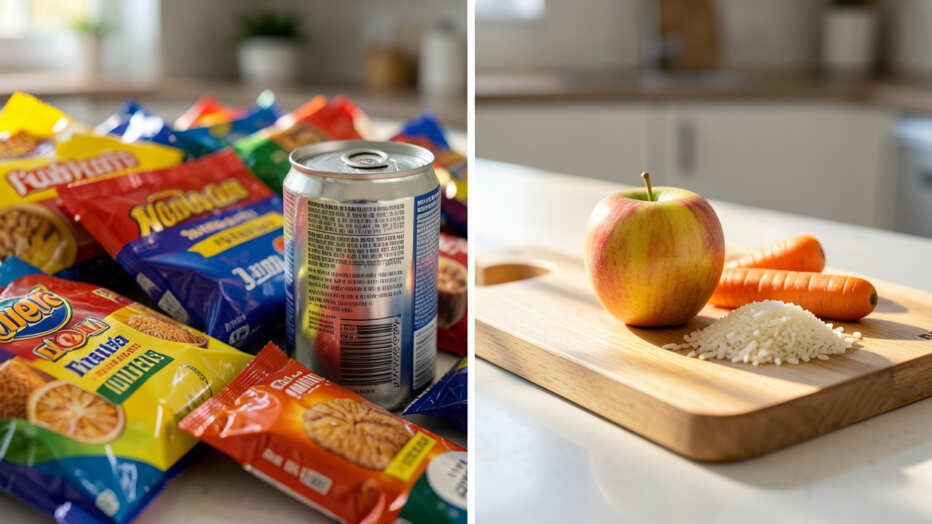
Processed food refers to any edible item that has been altered from its natural state, with its health impact depending directly on the degree of processing. The NOVA classification system categorizes foods into four groups, revealing that health risks are most significant with ultra-processed items characterized by extensive industrial additives. To improve dietary choices, focus on recognizing long ingredient lists and prioritize minimally processed options like fresh produce and simple staples.
Processed food is a term we hear constantly, but its true definition is often misunderstood. This article cuts through the confusion to explain exactly what processed food is, the different levels of processing, and how to make smarter choices at the grocery store. Understanding these categories is the first step toward a healthier diet.
Simply put, processed food is any food that has been altered from its natural state. This can range from simple freezing or milling to complex industrial processes that add ingredients like sugar, salt, and preservatives. The key is understanding the degree of processing to assess its nutritional value.
Key Takeaways
- Processed food exists on a spectrum, from minimally processed items like frozen vegetables to ultra-processed snacks with long ingredient lists.
- The NOVA food classification system provides a reliable framework to understand the four main categories of food processing.
- Ultra-processed foods are linked to increased health risks, including heart disease and obesity, due to their low nutrient density and high additives.
- Learning to read food labels and ingredient lists is your most powerful tool for identifying and avoiding unwanted additives.
- Not all processing is bad; some methods, like pasteurization and freezing, preserve nutrients and make food safer and more accessible.
What Is Processed Food and the NOVA Classification System?
What is processed food in a scientific context? Nutrition scientists often use the NOVA food classification system to define it. Developed by researchers at the University of São Paulo, NOVA categorizes foods based on the extent and purpose of processing, not just the presence of additives.
This system is crucial because it moves beyond a simple “good vs. bad” binary. It acknowledges that some processing is necessary and beneficial, while industrial-scale processing can be detrimental.
The four main groups are:
- Group 1: Unprocessed or Minimally Processed Foods. These are whole foods with little to no alteration. Examples include fresh fruits, vegetables, eggs, and plain meats. Processing here only involves basic operations like cleaning, grinding, or pasteurization.
- Group 2: Processed Culinary Ingredients. These are substances extracted from Group 1 foods or nature, used for cooking and seasoning. They include oils, butter, sugar, salt, and flour. They are not consumed on their own but are used to prepare Group 1 foods.
- Group 3: Processed Foods. These are made by combining Group 1 and Group 2 foods. The main purpose is to increase durability or enhance flavor. Examples include canned vegetables, artisan bread, cheese, and salted nuts. They typically have 2-3 ingredients.
- Group 4: Ultra-Processed Foods. These are industrial formulations made primarily from substances derived from foods (oils, fats, sugars, starches) and additives. They are designed to be hyper-palatable, convenient, and profitable. This category includes soft drinks, packaged snacks, reconstituted meat products, and instant noodles.
| NOVA Group | Definition | Examples |
|---|---|---|
| 1. Unprocessed / Minimally Processed | Whole foods altered only by natural processes or basic methods. | Fresh fruits, vegetables, eggs, plain yogurt, nuts. |
| 2. Processed Culinary Ingredients | Extracted from Group 1 foods to use in cooking. | Olive oil, honey, maple syrup, butter, sugar. |
| 3. Processed Foods | Made by combining Group 1 and 2 foods. | Canned beans, cheese, bread, cured meats. |
| 4. Ultra-Processed Foods | Industrial formulations with additives and little whole food. | Soft drinks, chips, candy, mass-produced bread, instant soup. |
This classification helps consumers and researchers study dietary patterns more effectively. It shifts the focus from single nutrients to the overall food matrix and the industrial processes applied to it.
How Does Processing Change Food? The Science Explained
How does processing affect food on a nutritional and physical level? The changes can be beneficial or detrimental, depending on the method and purpose. Processing techniques are designed to transform raw materials into safer, more palatable, and longer-lasting products.
Consider thermal processing like cooking or canning. Heat kills harmful bacteria, making food safer to eat. However, it can also degrade heat-sensitive vitamins, like vitamin C and some B vitamins.
The effect on minerals and fiber is generally minimal.
Freezing is another common method. Flash-freezing fruits and vegetables at peak ripeness actually locks in nutrients, often better than “fresh” produce that has traveled long distances. The key is the minimal addition of other substances.
More complex industrial processing, especially for Group 4 ultra-processed foods, involves significant chemical and physical changes:
- Refining and Isolation: Processes like milling wheat into white flour strip away the fiber-rich bran and germ, leaving only the starchy endosperm. This reduces fiber, vitamins, and minerals.
- Addition of Substances: Extensive amounts of sugar, salt, and unhealthy fats are added for flavor and preservation. According to the Dietary Guidelines for Americans, over 70% of added sodium in the average diet comes from processed and restaurant foods.
- Use of Additives: A wide array of additives, including emulsifiers, thickeners, colorings, and flavor enhancers, are used to achieve a specific texture, color, and long shelf life that nature does not provide.
Warning: Ultra-processed foods are often engineered to be “hyper-palatable.” This combination of sugar, fat, and salt can override natural satiety signals, leading to overconsumption.
What Are the Most Common Additives in Processed Foods?
When you look at the ingredient list of an ultra-processed item, you’ll often find a long list of components you wouldn’t find in a home kitchen. Food additives serve various functions, but some are more concerning than others.
Here’s a breakdown of common additive categories and why they’re used:
- Preservatives: Sodium benzoate, nitrates, and sulfates extend shelf life by preventing bacterial growth or oxidation. Nitrates in processed meats like bacon are a known carcinogen when consumed in high amounts.
- Artificial Sweeteners: Aspartame, sucralose, and saccharin provide sweetness without calories. While approved for consumption, some studies suggest potential links to gut microbiome disruption and increased cravings for sweet foods.
- Emulsifiers: Lecithin and mono- and diglycerides keep ingredients like oil and water from separating in products like salad dressings and ice cream. Some research indicates certain emulsifiers may irritate the gut lining.
- Flavor Enhancers: Monosodium glutamate (MSG) and “natural flavors” amplify taste. MSG is generally recognized as safe, but “natural flavors” is a broad term that can mask proprietary chemical mixtures.
- Colors: Artificial colors like Red 40 and Yellow 5 are used to make food more visually appealing. Some are derived from petroleum, and certain ones are linked to hyperactivity in sensitive children.
| Additive Type | Purpose | Potential Concern |
|---|---|---|
| High-Fructose Corn Syrup | Sweetener, cheaper than sugar | Linked to obesity, fatty liver disease, and insulin resistance. |
| Partially Hydrogenated Oils | Creates solid fats, extends shelf life | Primary source of trans fats, raises bad cholesterol (LDL). |
| Sodium Nitrite | Preservative, color fixative for cured meats | Can form nitrosamines, carcinogenic compounds in the body. |
| Carrageenan | Thickener, stabilizer in plant milks, ice cream | May cause gastrointestinal inflammation in some individuals. |
Being aware of these additives empowers you to make choices. A good rule of thumb: if an ingredient list looks like a chemistry experiment, the product is likely ultra-processed.
Why Are Ultra-Processed Foods a Health Concern?
The link between ultra-processed foods and poor health outcomes is well-documented in nutrition science. A major cohort study published in The BMJ found that a 10% increase in the proportion of ultra-processed foods in the diet was associated with a 14% higher risk of all-cause mortality.
The problems stem from their nutritional profile and physical properties:
- Nutrient Displacement: When ultra-processed foods dominate a diet, they displace whole, nutrient-dense foods like fruits, vegetables, legumes, and whole grains. This leads to deficiencies in fiber, vitamins, and minerals.
- Excess Calories, Sugar, and Salt: These foods are designed to be calorie-dense but nutrient-poor. High intake contributes directly to weight gain, hypertension, and an increased risk of type 2 diabetes.
- Disrupted Eating Behavior: Their engineered palatability and soft texture can lead to faster eating rates and weaker satiety signals, encouraging overconsumption.
- Chemical Exposures: Contaminants can form during high-heat processing or from packaging materials (e.g., phthalates). Additives themselves may have biological effects that are still being studied.
Important: Public health organizations like the World Health Organization (WHO) identify diets high in ultra-processed foods as a key driver of the global rise in obesity and noncommunicable diseases.
How Can You Identify and Reduce Ultra-Processed Foods?
Taking control starts at the grocery store. Here’s a practical, step-by-step process for identifying and reducing ultra-processed foods in your diet.
- Adopt the “Ingredient Length” Heuristic: Generally, the shorter the ingredient list, the less processed the food is. A plain Greek yogurt may have two ingredients (milk, live cultures). A flavored yogurt may have ten or more, including sugar, thickeners, and artificial flavors.
- Look for Unfamiliar Ingredients: If you can’t pronounce it or wouldn’t use it in your kitchen, be cautious. Ingredients like maltodextrin, dextrose, and carboxymethylcellulose are hallmarks of ultra-processing.
- Check the Front-of-Package Marketing: Be skeptical of health claims like “natural,” “lightly sweetened,” or “made with whole grains.” These are often marketing tactics for products that are still fundamentally ultra-processed. “Whole grain” cereals can be loaded with sugar.
- Shop the Perimeter (with a Caveat): While the outer aisles of supermarkets often hold fresh produce, meats, and dairy, they also contain ultra-processed deli meats, pastries, and sugary drinks. Always check labels.
- Plan and Cook More at Home: The most reliable way to control processing is to prepare meals from scratch using Group 1 and Group 2 ingredients. Start with simple recipes like stir-fries, soups, or grain bowls.
Are There Benefits to Food Processing?
It is crucial to acknowledge that not all processing is harmful. In fact, many forms of food processing are essential for modern food systems and public health. The goal is to distinguish beneficial processing from excessive industrial processing.
Key benefits include:
- Food Safety: Pasteurization of milk and juice kills pathogens like Salmonella and E. coli. Canning and proper freezing prevent botulism and spoilage.
- Nutrient Preservation and Fortification: As mentioned, freezing preserves nutrients. Furthermore, fortification adds essential nutrients to foods. Iodized salt prevents goiter, and vitamin D-fortified milk helps prevent rickets.
- Accessibility and Convenience: Processing allows food to be transported over long distances and stored for extended periods, reducing food waste and making diverse foods available year-round, even in areas without local agriculture.
- Reduced Preparation Time: Minimally and moderately processed foods like pre-washed lettuce, canned beans, or frozen vegetables save significant time, making healthy cooking more feasible for busy individuals and families.
The issue arises when processing goes beyond these benefits to create products that are nutritionally depleted and designed to promote overconsumption.
What Are Practical Tips for a Balanced Approach?
You don’t have to eliminate all processed food to eat healthily. A balanced, sustainable approach focuses on shifting the balance in your diet. Here are actionable strategies:
- Follow the 80/20 Principle: Aim to eat unprocessed or minimally processed foods (Group 1) about 80% of the time. Allow for the occasional treat from Group 3 or 4 without guilt.
- Learn to Read Labels Quickly: Focus on the ingredient list and the Nutrition Facts panel. Compare products within the same category and choose the one with less added sugar, sodium, and fewer additives.
- Swap, Don’t Stop: Instead of going cold turkey, find healthier alternatives. Swap sugary soda for sparkling water with a splash of fruit juice. Swap packaged instant oatmeal for plain oats with fresh fruit and cinnamon.
- Embrace “Convenience” Healthy Foods: Stock your pantry with canned beans, frozen vegetables, and pre-cooked brown rice. These are processed, but they are Group 3 items that make assembling a nutritious meal quick and easy.
- Focus on Adding, Not Subtracting: Rather than obsessing over what to remove, focus on adding more whole foods. Aim to fill half your plate with vegetables at lunch and dinner. Add a handful of berries to your breakfast.
Tip: Start your grocery trip in the produce section. Filling your cart with colorful fruits and vegetables first makes it harder to fill up on ultra-processed snacks later.
Frequently Asked Questions
Is all processed food unhealthy?
No, not all processed food is unhealthy. Using the NOVA system, Group 3 foods like canned tomatoes, plain yogurt, and bread are processed but can be part of a healthy diet. The primary concern is with Group 4 ultra-processed foods, which are nutritionally poor and linked to health risks.
How can I tell if a food is ultra-processed?
The easiest way is to check the ingredient list. Ultra-processed foods typically have long lists with ingredients you wouldn’t find in a home kitchen, such as high-fructose corn syrup, hydrogenated oils, hydrolyzed proteins, and numerous additives like emulsifiers, flavors, and colors.
Are “natural flavors” in processed food safe?
The term “natural flavors” is regulated and refers to flavorings derived from natural sources (plants, animals, yeast). They are generally considered safe, but they can be complex chemical mixtures. For complete transparency, some consumers choose to avoid them and opt for products with whole food flavorings.
Does freezing or canning make food ultra-processed?
No, freezing and canning are Group 3 processing methods. Frozen vegetables without sauce and canned beans with just salt are not ultra-processed. They become Group 4 products only if they are combined with added sugars, industrial sauces, or other additives.
What is the biggest health risk of eating too many ultra-processed foods?
The most significant risk is the contribution to chronic disease. A diet high in ultra-processed foods is strongly associated with increased rates of obesity, type 2 diabetes, cardiovascular disease, and certain cancers. This is due to their poor nutritional quality and effects on metabolic health.
Final Thoughts
Understanding what processed food actually means empowers you to navigate the modern food environment with confidence. By using the NOVA classification and learning to read labels, you can easily distinguish between beneficial, minimally processed items and nutritionally void ultra-processed products.
Focus on building your diet around whole foods, use convenient processed items wisely, and dramatically reduce your intake of ultra-processed snacks and meals. This balanced approach supports long-term health without requiring perfection.