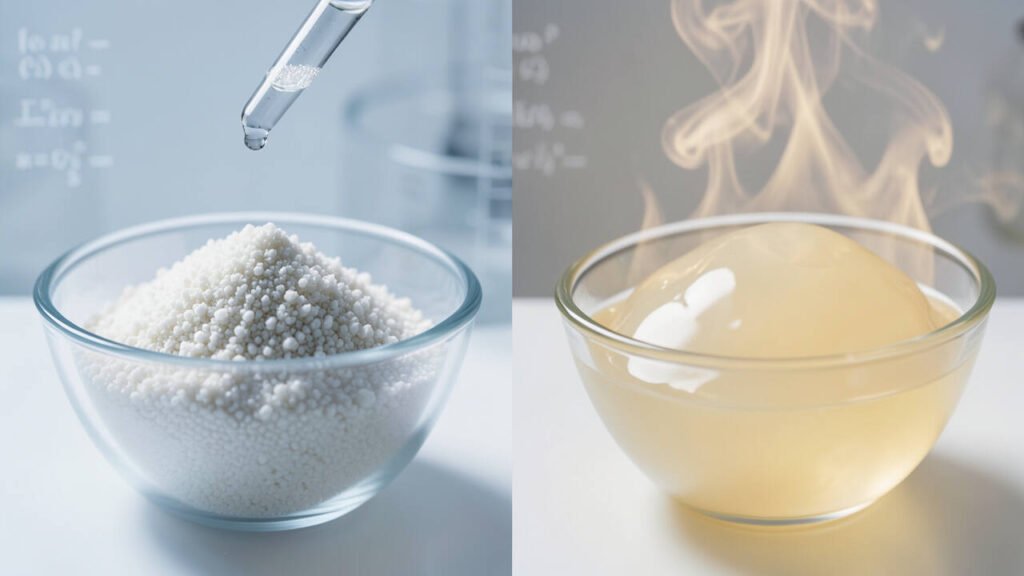
When food is cooked, starch undergoes gelatinization, where granules absorb water, swell, and soften to transform the food's texture and composition. This process makes starchy foods like potatoes and pasta tender and significantly easier for the body to digest for energy. The specific outcome—whether fluffy, creamy, or sticky—is directly determined by cooking temperature, time, and available moisture.
What happens to starch when food is cooked is a fundamental process that completely changes how we experience and digest foods like potatoes, pasta, and rice. Understanding this transformation helps you control texture, improve nutrition, and master cooking techniques. This process explains why a raw potato is hard and inedible, but a baked one is soft and flavorful.
Simply put, when starchy foods are cooked with moisture, starch granules absorb water, swell, and eventually burst in a process called gelatinization. This makes the food tender, easier to digest, and gives it a pleasant, often creamy or fluffy texture.
Key Takeaways
- The primary change is starch gelatinization, where starch granules absorb water, swell, and soften when heated.
- This process makes cooked starch much easier for your body to digest and provides energy.
- Cooking method and temperature directly influence the final texture, making it fluffy, sticky, or creamy.
- The nutritional impact is significant, as gelatinized starch can affect blood sugar levels.
- Controlling this process is key to achieving perfect results in everyday cooking.
What Is Starch and Why Does It Matter?
Starch is a complex carbohydrate, a type of polysaccharide made up of long chains of glucose molecules. Plants, especially grains, potatoes, and legumes, store energy in this form. For us, it’s a primary source of calories and fuel.
There are two main types of starch molecules. Amylose is a linear chain that tends to make foods firm and less sticky when cooked. Amylopectin is a highly branched chain that becomes sticky and viscous as it swells.
The ratio between these two determines a food’s final texture.
Understanding starch is crucial because its behavior dictates cooking outcomes. A potato with high amylose content will hold its shape when boiled, while one high in amylopectin might fall apart and thicken the water. This is why different potato varieties are recommended for boiling versus mashing.
- Primary Energy Source: Starch provides about 4 calories per gram.
- Found in Staple Foods: Rice, wheat, corn, potatoes, and beans are starch-rich.
- Two Key Molecules: Amylose (firmness) and Amylopectin (stickiness).
- Affects Digestion: The structure impacts how quickly it breaks down into glucose.
- Culinary Function: Acts as a natural thickener in sauces and gravies.
How Does Starch Change During Cooking?
The central transformation is starch gelatinization. It’s a irreversible process that occurs when starch granules are heated in the presence of water. It happens within a specific temperature range, typically between 140°F and 160°F (60°C and 70°C) for most foods.
First, water molecules penetrate the granule, causing it to swell dramatically. As heating continues, the granule absorbs more water and becomes increasingly swollen and soft. The crystalline structure within the granule melts, and the amylose molecules begin to leach out into the surrounding water.
This leached amylose forms a gel-like network that traps the remaining water, leading to the thickening and setting of the food. This is why starchy cooking water becomes cloudy and viscous. The entire process changes the food from hard and brittle to tender and palatable.
- Water Absorption: Granules start taking in water molecules.
- Swelling: Granules expand to many times their original size.
- Loss of Crystallinity: The ordered internal structure breaks down.
- Amylose Leaching: Linear starch chains escape into the liquid.
- Viscosity Increase: The mixture thickens as a gel forms.
- Gel Formation: Upon cooling, the gel sets, defining the final texture.
What Are the Different Starch Gelatinization Stages?
Gelatinization isn’t a single event but a gradual sequence of stages. Recognizing these stages helps you control the final product. From the initial absorption to the complete gel, each phase has distinct characteristics.
The process begins with the initiation stage, where water first enters the amorphous regions of the starch granule. This is followed by the swelling stage, where the granule expands rapidly as crystalline regions melt. Finally, the paste stage occurs when maximum swelling is reached, and amylose has fully leached out, creating a thick paste or gel.
| Stage | What Happens | Visual/Textural Cue |
|---|---|---|
| Initiation | Water enters granule structure. | Minimal change. |
| Swelling | Granule expands dramatically. | Food softens, water may cloud. |
| Gelatinization | Amylose leaches, thickening liquid. | Sauce thickens, pasta becomes tender. |
| Gelation | Molecules re-associate on cooling. | Pudding or mashed potato sets. |
This table summarizes the key phases. Notice how each stage directly correlates to a change you can see or feel during cooking, giving you control over the process.
How Does Cooking Method Affect Starch Transformation?
The way you apply heat and moisture dramatically alters the starch outcome. Boiling, steaming, baking, and frying each create a unique environment for gelatinization. The amount of available water is the most critical factor.
Boiling and simmering provide ample water. Starch granules can absorb water freely, leading to maximum swelling and softening. This is ideal for pasta, rice, and potatoes where tenderness is desired.
The downside is that some starch, like vitamins, leaches into the cooking water.
Steaming uses indirect moisture. Starch gelatinizes but with less leaching, preserving more nutrients and resulting in a firmer texture. Baked potatoes develop a fluffy interior because the internal moisture gelatinizes the starch without washing it away.
Important: The water used for boiling starchy foods becomes a valuable resource. Save it! Its dissolved starch makes an excellent base for soups, sauces, and gravies, adding body and flavor.
Baking and roasting involve dry heat but use the food’s internal moisture. As the temperature rises, the internal starch gelatinizes, creating a soft crumb or fluffy interior. The exterior, lacking water, undergoes browning and Maillard reactions instead.
Frying uses oil, which has no water. Starch on the surface dehydrates and browns, creating a crisp crust. However, if the food has enough internal moisture, the interior starch will still gelatinize from the trapped steam, resulting in a crispy outside and soft inside, like in French fries.
What Are the Nutritional Implications of Cooked Starch?
Cooking doesn’t just change texture; it significantly alters starch’s digestibility and glycemic impact. Gelatinized starch is much easier for human enzymes to break down. This means your body can access the glucose molecules more quickly.
When starch is raw or less cooked, it is often “resistant starch.” This type resists digestion in the small intestine, acting more like fiber. It can feed beneficial gut bacteria and may have a lower impact on blood sugar. Cooking converts much of this resistant starch into rapidly digestible starch.
The degree of gelatinization matters. Overcooked pasta with a very soft texture will generally have a higher glycemic index than al dente pasta, which retains some firm, less gelatinized starch in its core. This is a key consideration for managing blood sugar levels.
- Increased Digestibility: Cooked starch provides quick energy, essential for recovery and activity.
- Glycemic Index: More gelatinization often leads to a faster rise in blood sugar.
- Resistant Starch Loss: Excessive cooking reduces the amount of beneficial resistant starch.
- Nutrient Leaching: Boiling can cause water-soluble vitamins (like B vitamins) to be lost.
- Satiety Factor: Less gelatinized, firmer foods may keep you feeling full longer.
Why Do Some Starchy Foods Become Sticky or Mushy?
The texture you get is directly related to the starch composition and how it’s cooked. Stickiness and mushiness are common complaints, and they have scientific explanations tied to amylopectin and over-gelatinization.
Foods high in amylopectin, like sticky rice or waxy potatoes, become very sticky when cooked. The branched amylopectin molecules swell and create a viscous, glue-like texture. This is desired in dishes like sushi rice or risotto but undesirable in fluffy mashed potatoes.
Mushiness occurs when starch granules are overcooked. They absorb too much water, swell excessively, and burst completely. The structural integrity is lost, and the food turns to mush.
This is why timing is critical when boiling potatoes or pasta.
Warning: Overcooked, mushy starchy foods have a very high glycemic load. They digest extremely rapidly, potentially leading to a sharper spike and subsequent drop in blood sugar levels.
Factors That Promote Stickiness or Mushiness
- High Amylopectin Content: Natural stickiness of the variety used.
- Excessive Cooking Time: Leads to over-gelatinization and granule rupture.
- Too Much Water: Provides ample liquid for maximum swelling.
- Rough Handling: Stirring or agitating cooked potatoes releases more amylose, increasing stickiness.
- Salted Water Timing: Adding salt too early can toughen the exterior, causing uneven cooking.
How Can You Control Starch Texture When Cooking?
You can master the starch outcome with specific techniques. Control is all about managing water, time, and temperature. Here are actionable tips for common starchy foods.
For fluffy mashed potatoes, use a starchy, high-amylopectin potato like a Russet. Steam or bake them instead of boiling to prevent waterlogging. Mash them gently with a ricer; over-mashing ruptures too many granules and makes them gluey.
For perfect al dente pasta, use a large pot of well-salted, vigorously boiling water. Stir immediately to prevent clumping. Start testing for doneness a minute or two before the package time suggests.
Reserve the starchy cooking water before draining.
| Food Goal | Key Technique | Science Behind It |
|---|---|---|
| Fluffy Rice | Use less water, rinse thoroughly, steam after cooking. | Removes surface amylose, controls moisture. |
| Creamy Risotto | Use high-amylopectin rice, add hot broth gradually, stir often. | Stirring releases amylopectin for creaminess. |
| Firm Pasta | Use lots of water, salt it, cook al dente. | Even heat, controlled gelatinization. |
| Crispy Fries | Soak in water, fry twice at different temperatures. | Removes surface starch, creates dry exterior. |
This table provides a quick reference for common starch-related cooking challenges. Each technique manipulates the gelatinization process to achieve the desired result.
Common Mistakes When Cooking Starchy Foods
Even experienced cooks can mishandle starch. These errors often lead to disappointing textures and nutritional trade-offs. Avoiding them ensures consistently better meals.
The most frequent mistake is using the wrong potato variety. Waxy potatoes (low amylose) hold their shape for salads but are gummy when mashed. Starchy potatoes (high amylose) are perfect for mashing but fall apart in stews.
Always match the potato to the dish.
Another error is overcrowding the pot. When you add too much pasta or too many potatoes at once, the water temperature drops drastically. This disrupts the gelatinization process, leading to uneven cooking and sticky surfaces as starches leach out slowly instead of being set quickly.
Tip: To prevent pasta from sticking, use a large pot with plenty of rolling boiling water. Add pasta only after the water returns to a full boil, and stir gently for the first minute.
- Under-salting water: Salt seasons the starch from the inside out.
- Rinsing cooked pasta: This washes away the surface starch needed for sauce to cling.
- Over-mashing potatoes: Leads to gluey texture from broken starch granules.
- Cooking starchy foods in small amounts of water: Concentrates starches, making them sticky.
- Ignoring resting time: Letting rice or potatoes rest off heat allows moisture to redistribute evenly.
Frequently Asked Questions
What is gelatinization of starch?
Gelatinization is the irreversible process where starch granules absorb water, swell, and soften when heated, typically between 140°F and 160°F (60°C-70°C). This transforms raw, hard starch into a tender, digestible form and is the key reason cooked foods are palatable.
Why does cooking starch make it easier to digest?
Raw starch granules have a tight, crystalline structure that human digestive enzymes can’t easily access. Heat and water break down this structure, swelling the granule and exposing the glucose chains. This allows enzymes like amylase to break it down quickly into energy.
Does the cooking method change how starch affects blood sugar?
Yes, significantly. Methods that cause more complete gelatinization, like prolonged boiling, generally result in a higher glycemic response. Techniques that preserve some resistant starch, like al dente pasta or cooled and reheated potatoes, can lead to a slower release of glucose.
How does adding acid, like lemon juice, affect cooking starch?
Acid interferes with gelatinization by strengthening the starch granule, making it harder to swell. This is why recipes for dishes like marmalade or pickles add lemon juice after cooking the fruit, to preserve the desired texture and prevent the starch from fully breaking down.
What is the difference between gelatinization and retrogradation?
Gelatinization is the hot process of starch swelling and softening with water. Retrogradation is the cold process where the starch molecules, particularly amylose, re-crystallize and harden upon cooling. This is why refrigerated bread goes stale and why mashed potatoes can become firm in the fridge.
Final Thoughts
The transformation of starch when food is cooked is a fascinating interplay of science and culinary art. Mastering the concepts of gelatinization, amylose, and amylopectin gives you precise control over texture and nutrition in your kitchen. By adjusting cooking time, water, and technique, you can consistently achieve everything from fluffy to creamy to firm results.
Remember that what happens to starch when food is cooked directly impacts both eating pleasure and how your body uses the energy. Applying these principles will elevate your cooking and help you make informed choices for health and taste.