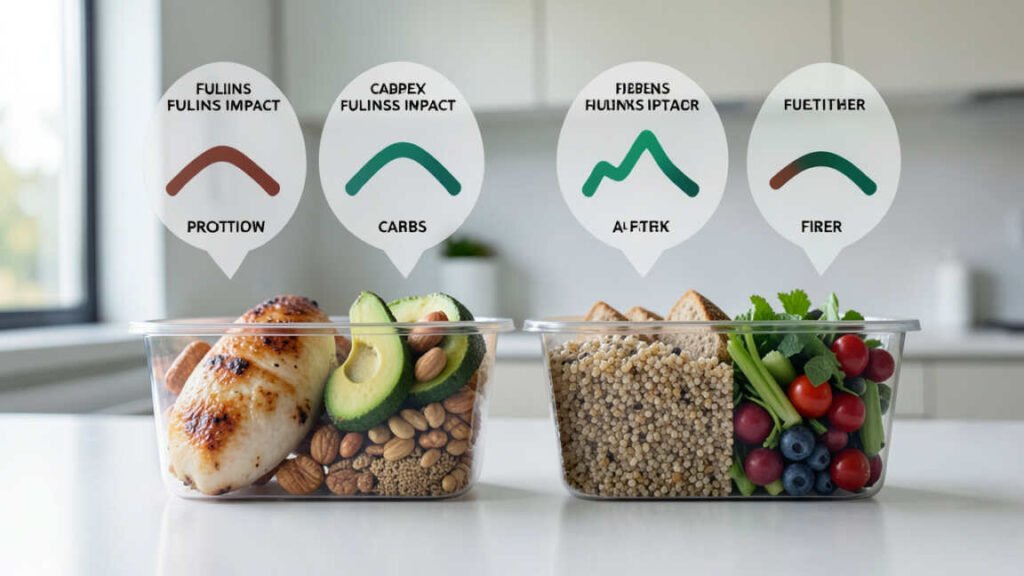
Protein has the strongest effect on fullness, followed by fiber, then fat, with carbohydrates being the least satiating macronutrient. Meals combining high protein and fiber are most effective for prolonging satiety and managing hunger between meals. Understanding this hierarchy is a fundamental tool for designing diets that support appetite control and sustainable weight management.
Understanding how protein, fat, carbohydrate, and fibre affect fullness differently is crucial for anyone looking to manage hunger and maintain a healthy weight. This guide explains the science behind satiety and how each macronutrient influences it. You’ll learn practical ways to use this knowledge to design satisfying meals.
Simply put, protein is the most satiating macronutrient, followed by fiber, then fat, and carbohydrates are least filling. This hierarchy means that meals high in protein and fiber keep you full longer, while high-carb meals may lead to quicker hunger. Understanding these differences helps in appetite control and weight management.
Key Takeaways
- Protein has the highest satiety effect, keeping you full for hours by reducing hunger hormones.
- Fiber adds bulk and slows digestion, enhancing fullness through physical and chemical mechanisms.
- Fat is calorie-dense and slows stomach emptying, contributing to long-lasting satiety.
- Carbohydrates, especially refined ones, are less filling and can spike blood sugar, leading to rapid hunger return.
- Combining these nutrients strategically in meals can optimize fullness and help manage overall calorie intake.
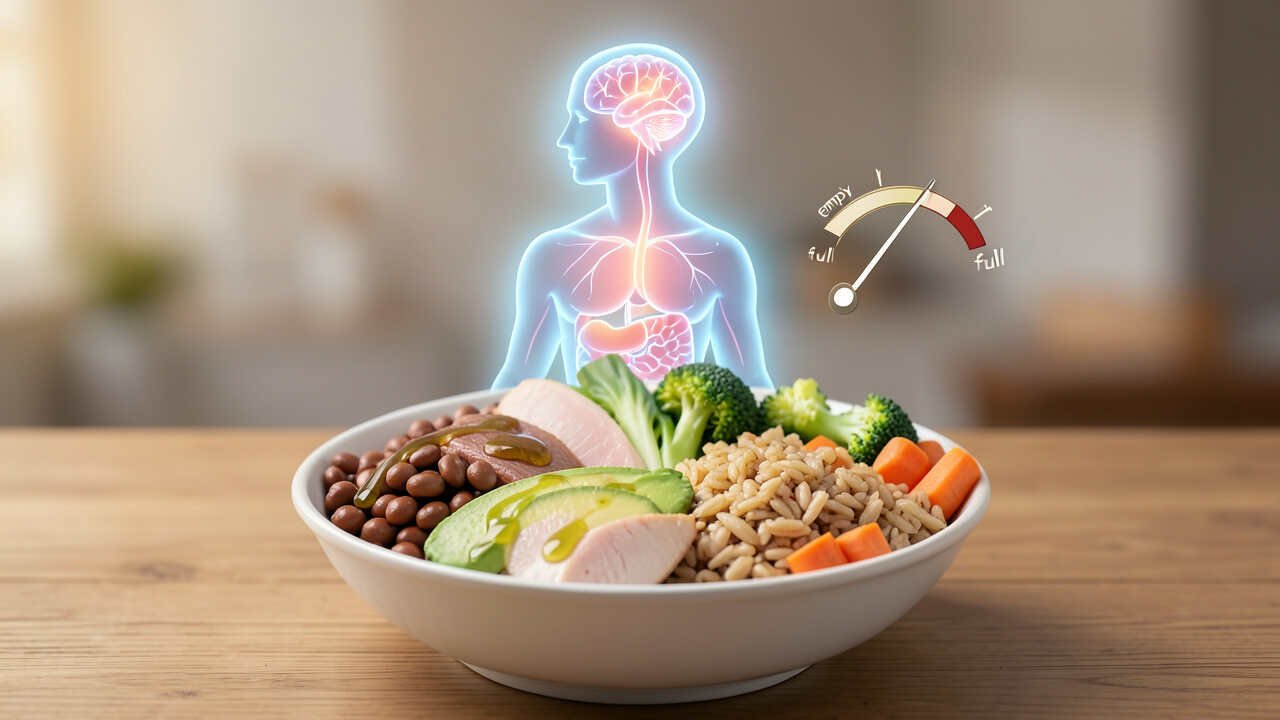
What Is Satiety and How Is It Measured?
Satiety refers to the feeling of fullness and satisfaction after eating that suppresses further food intake. It’s a complex physiological response involving hormones, nerve signals, and physical distension in the digestive tract. Researchers measure satiety using various methods to compare how different foods influence hunger and subsequent eating behavior.
One common approach is the satiety index, which rates foods based on their ability to suppress hunger over a period, typically 2 hours, after consumption. Another method involves tracking subjective hunger ratings on a scale from 0 to 100. More objective measures include monitoring levels of satiety hormones like GLP-1, PYY, and ghrelin in the bloodstream.
These tools help quantify how effectively different macronutrients promote fullness.
| Measurement Method | Description | Application |
|---|---|---|
| Satiety Index Scale | Rates foods from 0 to 100 based on fullness after 2 hours | Comparing whole foods like apples vs. rice |
| Subjective Hunger Ratings | Participants rate hunger on a 0-100 scale at intervals | Clinical trials on meal compositions |
| Hormone Level Analysis | Measures changes in GLP-1, PYY, and ghrelin levels | Researching metabolic responses to nutrients |
This table summarizes common methods used to assess satiety. The satiety index provides a quick comparison, while hormone analysis offers deeper biological insights. Both approaches confirm that protein and fiber-rich foods consistently score higher on satiety measures than pure carbohydrate foods.

How Does Protein Affect Fullness?
Protein is widely recognized as the most satiating macronutrient. When you eat protein, it triggers the release of satiety hormones like GLP-1 and PYY while suppressing the hunger hormone ghrelin. This hormonal shift signals your brain to feel full and reduces appetite for several hours.
Additionally, protein requires more energy to digest, a phenomenon known as the thermic effect of food, which further contributes to its satiating power.
The physical structure of protein also plays a role. It takes longer to break down in the stomach compared to simple carbohydrates, leading to prolonged gastric emptying. This means protein-rich foods keep your stomach distended for a longer period, sending continuous fullness signals to your brain.
Studies show that high-protein diets can reduce overall calorie intake by up to 10% due to enhanced satiety.
- Hormonal regulation: Protein increases GLP-1 and PYY, which are key satiety hormones.
- Gastric emptying: Protein slows down stomach emptying, prolonging the feeling of fullness.
- Thermic effect: Protein has a higher thermic effect, burning more calories during digestion.
- Appetite suppression: Protein reduces cravings and late-night snacking by stabilizing blood sugar.
- Meal satisfaction: Meals with adequate protein lead to greater perceived satisfaction and reduced desire to eat more.
Tip: Aim for 20-30 grams of protein per meal to maximize fullness. Good sources include lean meats, fish, eggs, dairy, legumes, and tofu.
Research from the American Journal of Clinical Nutrition indicates that increasing protein intake from 15% to 30% of total calories can lead to a significant reduction in daily calorie consumption. This makes protein a powerful tool for weight management and appetite control.
How Does Fat Influence Satiety?
Fat is the most calorie-dense macronutrient, providing 9 calories per gram compared to 4 for protein and carbs. This density means that even small amounts can contribute to satiety by slowing gastric emptying. Fat also stimulates the release of cholecystokinin (CCK), a hormone that promotes fullness and slows digestion.
However, fat is less immediately satiating than protein but can provide longer-lasting fullness due to its slow metabolism.
Monounsaturated and polyunsaturated fats, found in foods like avocados, nuts, and olive oil, are particularly effective at promoting satiety. These healthy fats enhance the absorption of fat-soluble vitamins and provide a steady energy supply, preventing blood sugar spikes and crashes. In contrast, excessive saturated and trans fats may impair satiety signals and lead to overconsumption.
The key is to include moderate amounts of healthy fats in meals for optimal fullness.
- Slows digestion: Fat delays stomach emptying, keeping you fuller for longer periods.
- Hormonal response: Triggers CCK release, which signals satiety to the brain.
- Flavor enhancement: Adds richness to food, increasing meal satisfaction and reducing the need for second helpings.
- Energy density: Provides sustained energy, preventing rapid hunger return after meals.
- Nutrient absorption: Helps absorb vitamins A, D, E, and K, supporting overall health while promoting fullness.
| Fat Type | Sources | Satiety Effect |
|---|---|---|
| Monounsaturated | Avocados, nuts, olive oil | High – promotes steady fullness |
| Polyunsaturated | Fatty fish, flaxseeds, walnuts | Moderate – supports long-term satiety |
| Saturated | Butter, red meat, coconut oil | Low to moderate – can impair signals |
This table highlights how different fat types vary in their satiety effects. Choosing healthy fats can enhance fullness while supporting overall health. According to the Journal of Nutrition, moderate fat intake in meals increases pleasure and reduces post-meal hunger compared to very low-fat meals.

The Role of Carbohydrates in Feeling Full
Carbohydrates have the lowest immediate satiety effect among macronutrients, especially when refined. Simple carbs like white bread, sugar, and pastries are digested quickly, causing a rapid rise and fall in blood sugar levels. This spike triggers insulin release, which can lead to increased hunger shortly after eating.
However, complex carbohydrates, such as whole grains, legumes, and vegetables, contain fiber that slows digestion and improves satiety.
The glycemic index (GI) measures how quickly carbohydrates raise blood sugar. Low-GI foods, like oats and sweet potatoes, provide a slower, more sustained energy release, helping maintain fullness for longer. High-GI foods, like sugary cereals and white rice, offer little sustained fullness and can contribute to overeating.
Incorporating fiber-rich carbs into meals is essential for balancing their impact on fullness.
- Refined carbs: Quickly digested, leading to short-lived fullness and rapid hunger return.
- Complex carbs: Rich in fiber, slowing digestion and promoting longer satiety.
- Glycemic index: Low-GI carbs stabilize blood sugar, preventing hunger spikes.
- Fiber content: High-fiber carbs add bulk to meals, enhancing physical fullness.
- Pairing strategies: Combining carbs with protein or fat can reduce their glycemic impact and improve fullness.
Important: When choosing carbohydrates, focus on whole, unprocessed sources to maximize fullness. Aim for at least 3-5 grams of fiber per serving to enhance satiety.
A study published in the British Journal of Nutrition found that meals based on low-GI carbohydrates led to a 30% reduction in subsequent calorie intake compared to high-GI meals. This demonstrates the significant role carbohydrate quality plays in regulating hunger and fullness.

Why Fiber is a Key Player in Fullness
Fiber is a type of carbohydrate that the body cannot digest, yet it plays a critical role in promoting fullness. Soluble fiber, found in oats, beans, and apples, forms a gel-like substance in the gut, slowing digestion and nutrient absorption. This prolonged digestion keeps you feeling full for extended periods.
Insoluble fiber, present in whole grains and vegetables, adds bulk to stool and promotes regular bowel movements, contributing to a sense of physical fullness.
Fiber also influences satiety hormones. It stimulates the release of GLP-1 and PYY, similar to protein, and slows gastric emptying. High-fiber foods are typically lower in calories but higher in volume, allowing you to eat more without consuming excess energy.
This combination of effects makes fiber a powerful ally in appetite management and weight control. According to the National Institutes of Health, increasing fiber intake by 14 grams per day can reduce calorie intake by 10% and lead to weight loss.
- Gel formation: Soluble fiber creates a gel that slows stomach emptying.
- Bulk addition: Insoluble fiber increases meal volume, enhancing physical fullness.
- Hormonal stimulation: Fiber boosts satiety hormones like GLP-1.
- Calorie reduction: High-fiber foods are less energy-dense, aiding in weight management.
- Gut health: Fiber feeds beneficial gut bacteria, which produce short-chain fatty acids that further promote satiety.
| Fiber Type | Examples | Fullness Mechanism |
|---|---|---|
| Soluble Fiber | Oats, beans, apples, citrus fruits | Forms gel, slows digestion |
| Insoluble Fiber | Whole grains, nuts, vegetables | Adds bulk, promotes regularity |
This table illustrates the two main types of fiber and their roles in fullness. Including both types in your diet ensures comprehensive benefits for satiety and digestive health.
Comparing the Satiety Effects of Macronutrients
When comparing protein, fat, carbohydrates, and fiber, each contributes to fullness through distinct mechanisms. Protein leads with the strongest and longest-lasting satiety effect, thanks to its hormonal and digestive properties. Fiber follows closely, especially when combined with other nutrients, due to its bulk and slow digestion.
Fat provides moderate but sustained fullness through calorie density and hormonal responses. Carbohydrates, particularly refined ones, offer the least immediate fullness but can be improved with fiber-rich sources.
A comprehensive comparison helps in designing balanced meals. For example, a meal containing lean protein, healthy fats, and high-fiber carbohydrates will provide optimal fullness and prevent rapid hunger return. According to research from Harvard T.H.
Chan School of Public Health, the combination of these macronutrients is more effective than any single nutrient in promoting long-term satiety and weight management.
- Protein: Highest immediate and sustained fullness; best for appetite control.
- Fiber: Enhances fullness through bulk and digestion slowdown; essential for meal volume.
- Fat: Moderate fullness with long-lasting effects; improves meal satisfaction.
- Carbohydrates: Low immediate fullness unless complex; benefits from fiber pairing.
- Combination effect: Blending all nutrients creates synergistic fullness that lasts throughout the day.
| Macronutrient | Satiety Strength | Duration of Fullness | Key Mechanism |
|---|---|---|---|
| Protein | Very High | 4-6 hours | Hormonal release, slow digestion |
| Fiber | High | 3-5 hours | Bulk formation, digestion slowdown |
| Fat | Moderate | 3-4 hours | Calorie density, CCK release |
| Carbohydrates | Low (Refined) / Moderate (Complex) | 1-2 hours / 2-3 hours | Blood sugar impact, fiber content |
This comparison table provides a clear overview of how each macronutrient affects fullness. Using this information, you can tailor your meals to meet your satiety needs effectively.
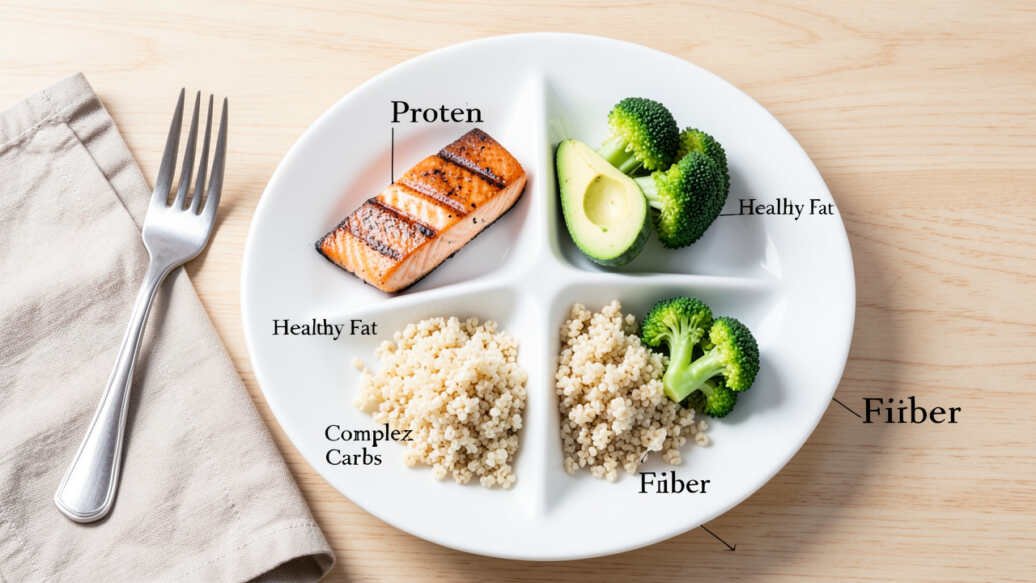
Practical Tips for Building Filling Meals
Creating meals that maximize fullness involves combining macronutrients strategically. Start with a lean protein source as the foundation, then add fiber-rich vegetables and complex carbohydrates. Include a small portion of healthy fats for flavor and sustained energy.
This approach ensures that each meal provides both immediate and long-lasting satiety, helping you control hunger throughout the day.
Specific strategies include preparing meals in advance, using portion control tools, and being mindful of hunger cues. For example, using smaller plates can psychologically enhance fullness perception. Additionally, eating slowly and chewing thoroughly allows satiety signals to reach the brain before overeating occurs.
These practical tips, grounded in the science of macronutrients, can transform your eating habits and support weight management goals.
- Prioritize protein: Include 20-30 grams of protein in each meal from sources like chicken, fish, eggs, or legumes.
- Fill half the plate with vegetables: Non-starchy vegetables add fiber and volume with few calories, enhancing fullness.
- Choose whole grains: Opt for quinoa, brown rice, or oats to provide complex carbs and fiber.
- Add healthy fats sparingly: Use avocado, nuts, or olive oil to boost flavor and satiety without overdoing calories.
- Stay hydrated: Drink water before and during meals to aid digestion and fullness signaling.
- Eat mindfully: Focus on your meal, chew well, and avoid distractions to improve satiety awareness.
Warning: Avoid skipping meals, as this can lead to excessive hunger and overeating later. Regular, balanced meals maintain stable energy and fullness levels.
According to the Academy of Nutrition and Dietetics, meal planning that incorporates these tips can reduce impulsive snacking by up to 25%. Consistency in applying these principles leads to better appetite regulation over time.
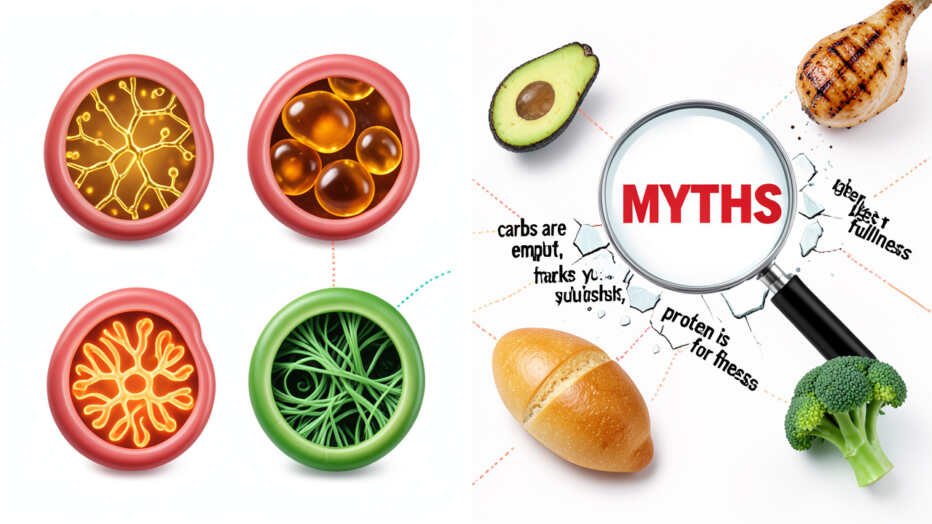
Common Myths About Fullness and Nutrition
Several myths persist about what truly makes you full. One common misconception is that all calories are equal in promoting satiety, but the source of calories matters significantly. Another myth is that drinking water during meals dilutes digestive enzymes, but evidence shows water actually aids digestion and enhances fullness.
Some believe that eating fat makes you fat, but healthy fats are essential for satiety and overall health.
Debunking these myths with scientific evidence helps in making informed dietary choices. For instance, the idea that fiber-free foods can be filling ignores the crucial role fiber plays in digestion and hormone release. Similarly, the belief that protein is only for muscle building overlooks its superior satiety effects.
Understanding the truth behind these myths empowers you to design meals that effectively manage hunger and support weight goals.
- Myth: All calories fill you up equally. Fact: Protein and fiber-rich calories are more satiating than refined carb calories.
- Myth: Fat should be avoided for fullness. Fact: Healthy fats promote long-lasting satiety and nutrient absorption.
- Myth: High-carb diets are always less filling. Fact: Complex carbs with fiber can be quite filling.
- Myth: Drinking water reduces fullness. Fact: Water aids digestion and can enhance feelings of fullness.
- Myth: Large portions are necessary for fullness. Fact: Nutrient-dense, high-volume foods can create fullness with fewer calories.
Tip: Focus on nutrient quality rather than quantity. A small, balanced meal can be more satisfying than a large, unbalanced one.
Research from the University of Sydney highlights that foods with low energy density and high nutrient content are key for fullness. Dispelling these myths allows for a more nuanced approach to eating that prioritizes satiety and health.
Frequently Asked Questions
How does protein keep you full longer than other macronutrients?
Protein triggers the release of satiety hormones like GLP-1 and PYY while suppressing ghrelin, the hunger hormone. It also slows gastric emptying and has a higher thermic effect, meaning your body burns more calories digesting it. This combination leads to prolonged fullness and reduced appetite.
Is eating fat bad for feeling full?
No, healthy fats are beneficial for satiety. They slow digestion, stimulate cholecystokinin release, and add flavor to meals, enhancing satisfaction. Focus on monounsaturated and polyunsaturated fats from sources like avocados, nuts, and fish, while limiting saturated fats for optimal fullness and health.
Why are carbohydrates less filling than protein or fiber?
Refined carbohydrates digest quickly, causing rapid blood sugar spikes and crashes that increase hunger. However, complex carbohydrates rich in fiber slow digestion and provide sustained energy. Pairing carbs with protein or fat can also improve their satiety effects significantly.
How much fiber should I eat daily to feel full?
Adults should aim for 25-38 grams of fiber per day, according to the Academy of Nutrition and Dietetics. Including fiber-rich foods like vegetables, fruits, legumes, and whole grains in each meal helps promote fullness and supports digestive health.
Can combining macronutrients improve fullness?
Yes, combining protein, fiber, healthy fats, and complex carbohydrates creates synergistic effects that enhance satiety. For example, a meal with chicken, broccoli, quinoa, and avocado provides multiple mechanisms for fullness, keeping you satisfied longer than a meal based on a single macronutrient.
Final Thoughts
Understanding how protein, fat, carbohydrate, and fibre affect fullness differently allows you to make informed dietary choices for better appetite control. Prioritize protein and fiber in meals, include healthy fats in moderation, and choose complex carbohydrates to maximize satiety. By applying these principles, you can manage hunger effectively, support weight management, and enjoy more satisfying eating experiences.