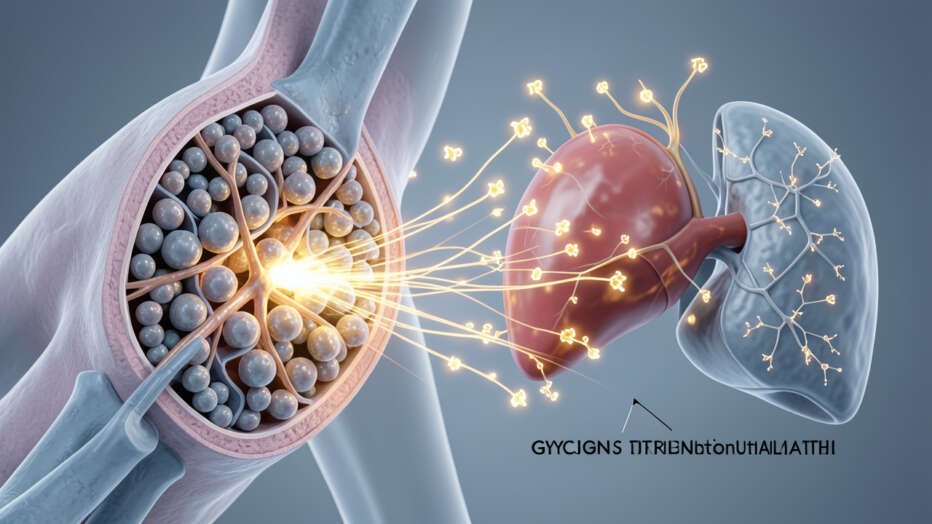
Glycogen is the body's primary storage form of glucose, held mainly in the liver and skeletal muscles as a fast-access energy reserve. Liver glycogen helps maintain stable blood sugar between meals, while muscle glycogen directly powers physical activity at any intensity. Maintaining adequate glycogen stores through proper nutrition and recovery is essential for steady energy levels, cognitive function, and optimal athletic performance.
Glycogen is the body’s primary storage form of glucose, and it acts as a fast-access energy reserve for your brain and muscles. In this post, you’ll learn what glycogen is, how your body stores and releases it, and the simple habits that keep your glycogen levels balanced.
Simply put, glycogen is a highly branched chain of glucose molecules stored mainly in the liver and skeletal muscles. It keeps blood sugar stable between meals and fuels exercise at any intensity. Healthy glycogen stores translate to steadier energy, sharper focus, and better physical performance.
Key Takeaways
- Glycogen is stored glucose found mostly in the liver and skeletal muscle tissue.
- Liver glycogen regulates blood sugar, while muscle glycogen powers your workouts.
- Running low on glycogen leads to fatigue, brain fog, and poor athletic output.
- Carb intake, training load, sleep, and hydration all influence how much glycogen you store.
What Is Glycogen?
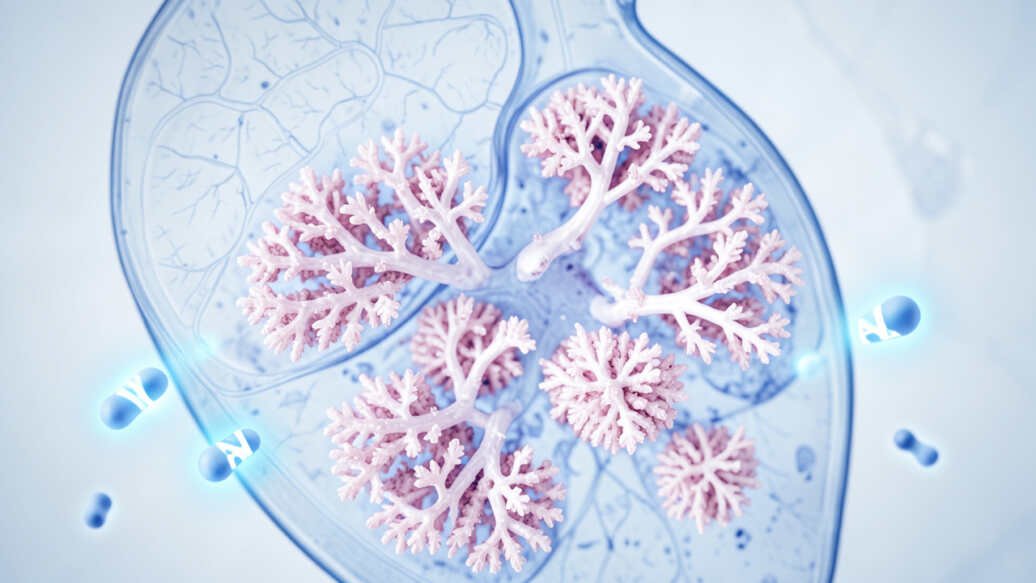
Glycogen is a polysaccharide, which means it’s a long chain of sugar molecules. In this case, the sugar is glucose, and the chain is highly branched. Those branches matter: they give enzymes quick access to release glucose when your body needs energy fast.
Think of glycogen as your body’s carb battery. When you eat carbohydrates, digestion converts them into glucose. Some glucose is used right away for energy, but the rest gets packed into glycogen through a process called glycogenesis.
Insulin is the main hormone that triggers this storage.
- Glycogen is made of thousands of linked glucose units.
- It is stored mainly in the liver and skeletal muscles.
- Every gram of glycogen carries about 3 grams of water with it.
- According to Exercise and Sport Sciences Reviews, the liver holds roughly 100 grams, while muscles store 400 to 500 grams.
- Total body glycogen represents about 1,800 to 2,000 calories of readily available energy.
- Unlike fat, glycogen is the body’s preferred fuel during intense effort.
According to the American College of Sports Medicine, muscle glycogen is the primary fuel for moderate to high-intensity exercise. That’s why “what is glycogen” is such a common question among athletes, coaches, and anyone trying to manage their energy levels throughout the day.
How Does the Body Store Glycogen?
The storage process, called glycogenesis, begins in the liver and muscle cells after a meal. Glucose enters the cells through specialized transport proteins called GLUT transporters. Once inside, the enzyme glycogen synthase attaches glucose units to growing glycogen chains, and a branching enzyme creates the side branches that make glycogen so efficient.
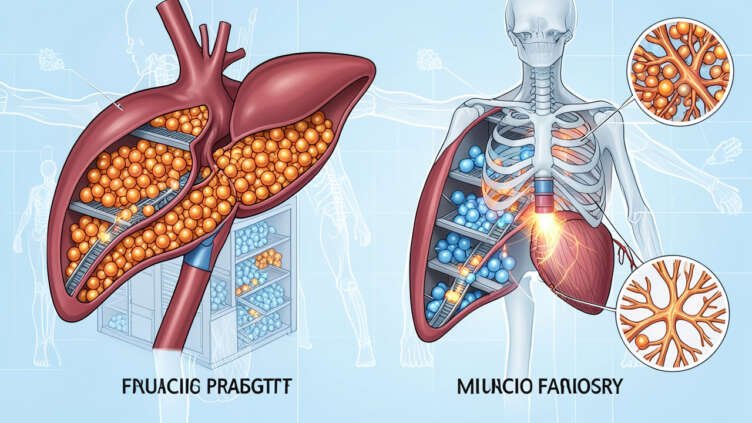
Important: Liver glycogen and muscle glycogen behave differently. Muscle glycogen stays inside the muscle and only fuels that muscle. Liver glycogen releases glucose into the bloodstream, which supports the brain, organs, and all other tissues.
| Feature | Liver Glycogen | Muscle Glycogen |
|---|---|---|
| Storage capacity | About 100 grams | 400 to 500 grams |
| Main function | Keeps blood sugar steady |