
Sodium is an essential electrolyte required by the body to generate nerve signals, support muscle contraction, and maintain proper fluid balance between cells. The body tightly regulates sodium levels through hormonal systems because a consistent daily amount is vital for these physiological functions, though the average diet often provides far more than needed. Therefore, understanding sodium's critical role helps contextualize why both deficiency and chronic excess pose significant health risks.
Sodium is a vital mineral that plays a critical role in keeping your body functioning properly, but it’s often discussed in a negative light due to its link with high blood pressure. This essential electrolyte is crucial for nerve function, muscle contraction, and maintaining fluid balance, yet most people only consider the risks of having too much. Understanding what sodium does and why the body needs it is the first step toward a balanced and healthy diet.
This guide breaks down the science behind sodium’s functions, explains how much you actually need, and explores the consequences of both deficiency and excess. You’ll learn which foods contain sodium, how to read labels effectively, and simple strategies for managing your intake without sacrificing flavor.
In short, sodium is an essential electrolyte that maintains fluid balance, enables nerve signals, and supports muscle function. The body requires a small, consistent amount for these vital processes, but the average diet often contains far more than necessary, leading to potential health risks.
Key Takeaways
- Sodium is an essential electrolyte required for nerve impulse transmission, muscle contraction, and fluid balance.
- The body regulates sodium levels through the kidneys and hormones like aldosterone, maintaining a precise internal balance.
- Adequate sodium intake is crucial for preventing hyponatremia, a dangerous condition of low blood sodium.
- Most adults need only about 1,500 milligrams of sodium per day, but the average intake is nearly double that amount.
- Managing sodium intake involves reading food labels, choosing whole foods, and using herbs and spices for flavor.
What Is Sodium and What Role Does It Play in the Body?
Sodium is a chemical element and an essential mineral classified as an electrolyte. Electrolytes are minerals that carry an electric charge when dissolved in body fluids like blood and urine. Your body cannot produce sodium on its own, so it must be obtained from your diet.
As an electrolyte, sodium’s primary job is to maintain fluid balance inside and outside of your cells. It works closely with other electrolytes, especially potassium, to create electrical gradients across cell membranes. This gradient is the foundation for many biological processes.
Here’s a breakdown of sodium’s core functions:
- Fluid Balance: Sodium regulates the amount of water in and around your cells, which is crucial for maintaining blood volume and pressure.
- Nerve Function: The movement of sodium ions in and out of nerve cells creates the electrical impulses that allow nerves to communicate throughout the body.
- Muscle Contraction: Like nerve cells, muscle cells rely on sodium (and potassium) gradients to contract properly, from your heart beating to your legs running.
- Nutrient Absorption: Sodium helps transport glucose, amino acids, and water from your gut into your bloodstream.
| Sodium’s Key Roles | Mechanism in the Body |
|---|---|
| Fluid Regulation | Controls osmosis, pulling water into or out of cells to maintain blood volume and pressure. |
| Nerve Impulse Transmission | Rapid influx of sodium into nerve cells triggers action potentials, the signals sent along nerves. |
| Muscle Contraction | Generates electrical signals that stimulate muscle fibers to shorten and contract. |
| Nutrient Transport | Co-transports with glucose and amino acids in the intestinal lining for absorption. |
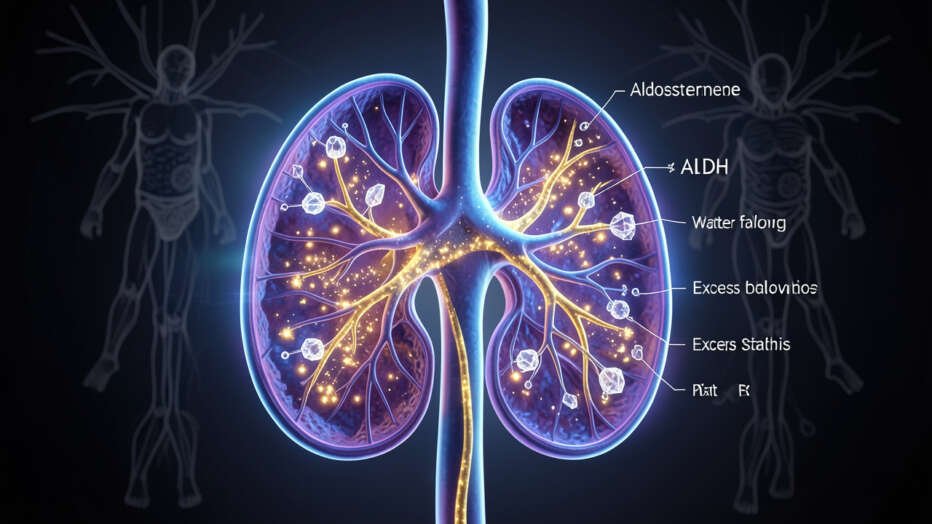
How Does the Body Regulate Sodium Levels Precisely?
Your body is remarkably efficient at maintaining sodium balance, a process called homeostasis. It doesn’t rely on you eating a specific amount each day. Instead, it uses a sophisticated system involving your kidneys, hormones, and cardiovascular system.
When sodium levels in your blood rise, sensors in your body detect the change. This triggers a cascade of responses designed to remove the excess. The most important regulators are the kidneys and the hormone aldosterone.
The kidney’s role is to filter your blood. When sodium levels are high, your kidneys excrete more sodium into your urine. When sodium levels are low, they conserve it.
This process is finely tuned and happens continuously throughout the day.
The Hormonal Control System
Hormones act as chemical messengers to fine-tune sodium levels. Two key players are:
- Aldosterone: Released by the adrenal glands, this hormone tells your kidneys to reabsorb more sodium and potassium. It’s activated when blood sodium or blood pressure is low.
- Antidiuretic Hormone (ADH): Released by the pituitary gland, ADH tells your kidneys to reabsorb more water. This dilutes the sodium in your blood and increases blood volume.
According to the National Institutes of Health, this system is so effective that healthy individuals can tolerate a wide range of sodium intakes without immediate problems. The long-term health impact is where the concern lies.
Warning: Chronic high sodium intake can override the body’s regulatory mechanisms, putting constant strain on the kidneys and blood vessels, which is a primary driver of hypertension.
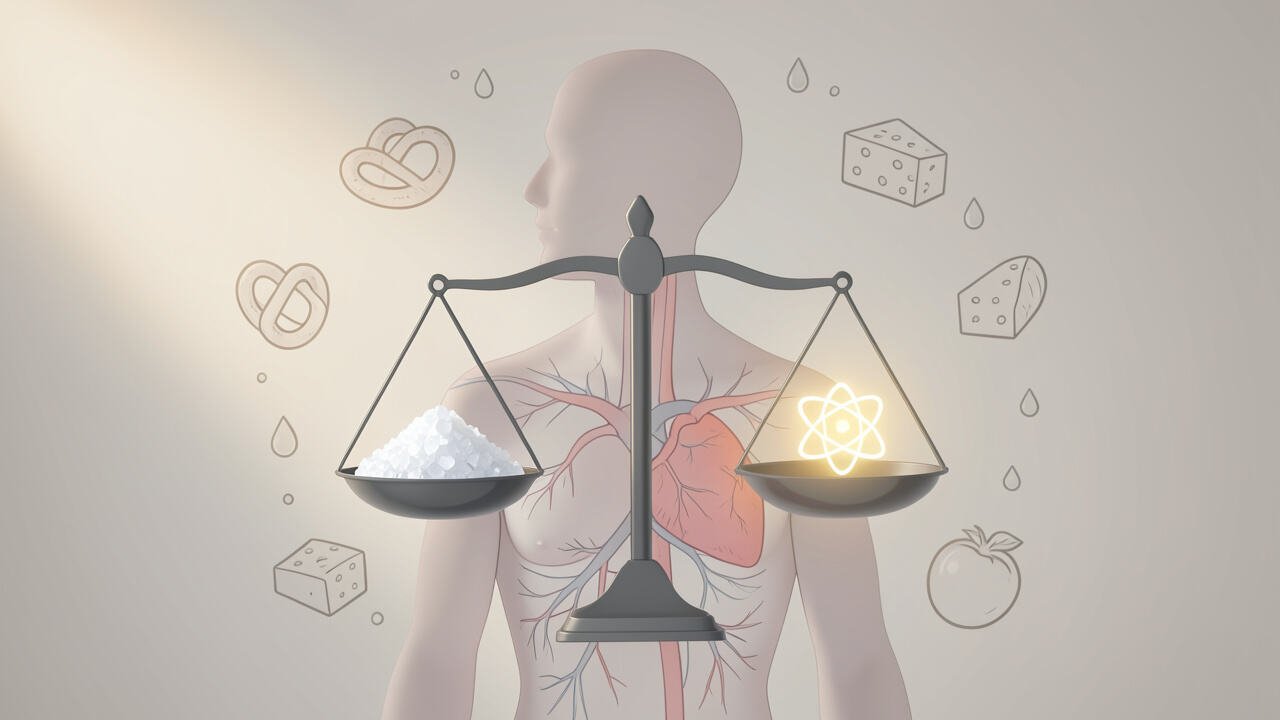
How Much Sodium Does Your Body Actually Need Daily?
The amount of sodium your body needs is surprisingly small. Health organizations worldwide provide clear guidelines to help you understand your daily requirements versus what’s excessive.
The American Heart Association recommends an ideal limit of no more than 1,500 mg per day for most adults, especially those with high blood pressure. The general population should aim for less than 2,300 mg per day, which is about one teaspoon of table salt.
It’s important to note that these guidelines refer to sodium, not salt. Table salt is about 40% sodium. So, 2,300 mg of sodium is equivalent to about 5,750 mg of salt.
| Daily Sodium Guidelines | Amount (Milligrams) | Approximate Equivalent |
|---|---|---|
| Ideal Limit (AHA) | 1,500 mg | About 2/3 teaspoon of salt |
| General Population Limit | Less than 2,300 mg | About 1 teaspoon of salt |
| Average American Intake | Over 3,400 mg | Significantly exceeds guidelines |
The Centers for Disease Control and Prevention reports that over 70% of the sodium Americans consume comes from packaged, processed, and restaurant foods. This makes managing intake challenging, even for those who don’t salt their food at the table.
What Happens If Your Sodium Levels Are Too Low (Hyponatremia)?
While too much sodium is the common problem, too little—a condition called hyponatremia—can be acutely dangerous. It occurs when the concentration of sodium in your blood drops below 135 mEq/L.
Hyponatremia can be caused by excessive water intake, which dilutes blood sodium, or by conditions like severe vomiting, diarrhea, or certain hormone disorders. Athletes who drink large amounts of plain water during endurance events without replacing electrolytes are at particular risk.
Symptoms of hyponatremia can range from mild to severe and often correlate with how quickly the sodium level drops.
Signs and Symptoms of Low Sodium
- Headache, confusion, or fatigue
- Nausea and vomiting
- Muscle cramps, twitches, or spasms
- Restlessness and irritability
- In severe cases, seizures, coma, or respiratory arrest
Important: Severe hyponatremia is a medical emergency requiring immediate hospital treatment to slowly and carefully raise sodium levels back to a safe range.
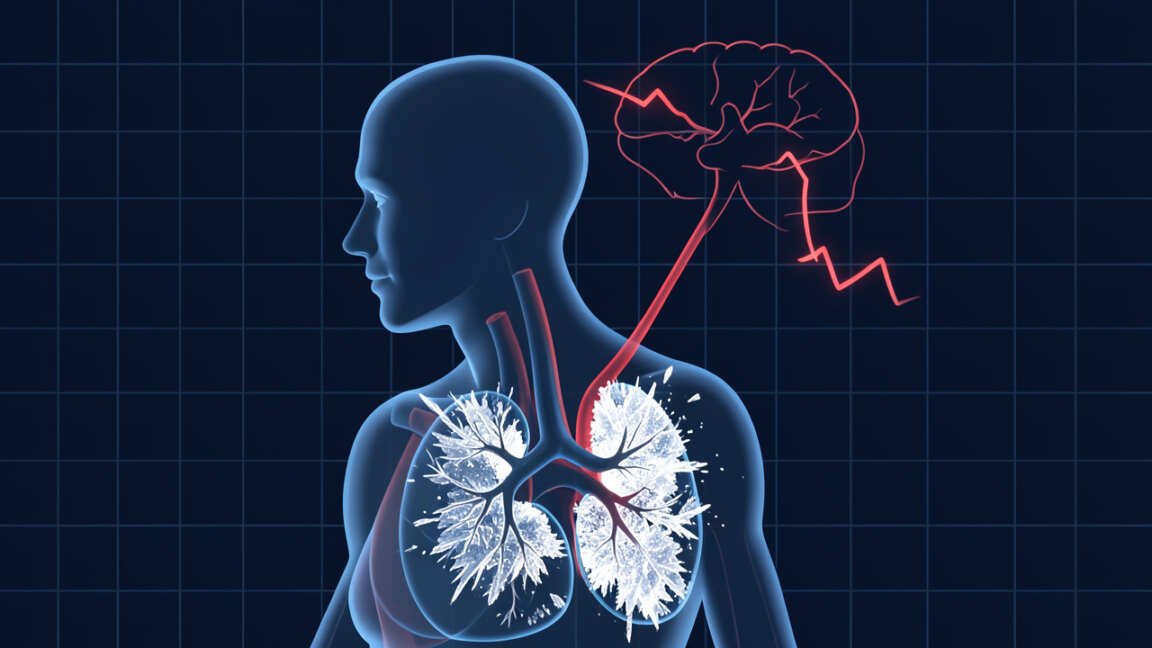
What Health Risks Come From Consistently High Sodium Intake?
The well-established link between high sodium intake and hypertension (high blood pressure) is the primary health concern. Excess sodium pulls more water into your bloodstream, increasing the total volume of blood. This increased volume puts greater pressure on your blood vessel walls.
Over time, this chronic pressure damages arteries and forces the heart to work harder to pump blood. This sets the stage for several serious cardiovascular conditions.
Conditions Linked to High Sodium Consumption
- Hypertension: The most direct consequence, a major risk factor for other diseases.
- Heart Disease and Stroke: High blood pressure is the leading cause of heart attacks and strokes.
- Heart Failure: A weakened heart struggles to pump blood efficiently.
- Kidney Disease: The kidneys must work harder to filter excess sodium, leading to damage over time.
- Osteoporosis: High sodium can increase calcium loss in urine, potentially weakening bones.
- Stomach Cancer: Some research suggests a link between very high salt intake and stomach cancer risk.
A meta-analysis published in the journal Heart found that reducing population salt intake could prevent millions of heart attacks, strokes, and deaths worldwide each year. The World Health Organization identifies high sodium intake as a leading risk factor for global mortality.

Where Does Dietary Sodium Actually Come From?
If you’re like most people, the majority of the sodium in your diet isn’t coming from the salt shaker. It’s hidden in processed and prepared foods. Understanding the major sources is key to controlling your intake.
The following list represents the biggest contributors to sodium in the typical diet:
- Breads and Rolls: Even savory, not-salty-tasting baked goods can be surprisingly high.
- Pizza: Cheese, sauce, and dough all contribute significant sodium.
- Sandwiches: Deli meats, cheese, condiments, and bread add up quickly.
- Soups: Canned and restaurant soups are notoriously sodium-dense.
- Processed Meats: Bacon, sausage, hot dogs, and deli meats are cured with salt.
- Cheese: Particularly processed cheese and hard, aged varieties.
- Condiments and Sauces: Soy sauce, salad dressings, ketchup, and pasta sauce.
- Canned Vegetables and Meals: Added salt is used for preservation and flavor.
Reading the Nutrition Label for Sodium
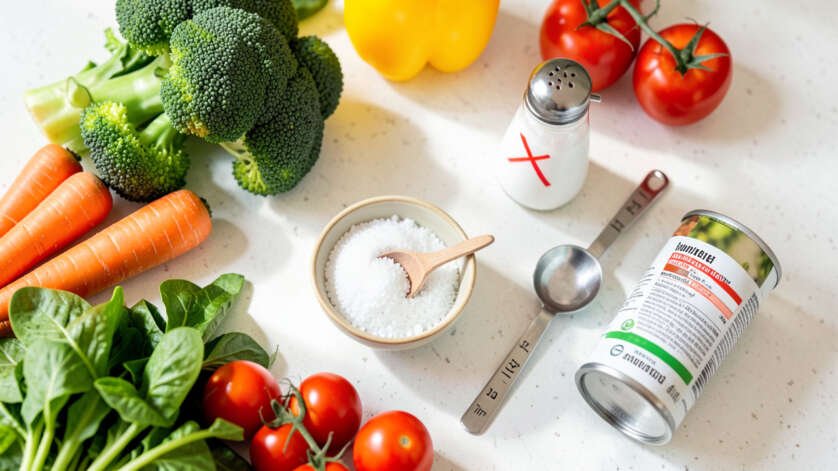
The Nutrition Facts label is your best tool. Look for two key numbers: the amount of sodium per serving and the % Daily Value (%DV). A %DV of 5% or less is low, while 20% or more is high.
Pay close attention to serving size, as consuming multiple servings multiplies the sodium intake.
How Can You Effectively Reduce Your Sodium Intake?
Lowering sodium intake doesn’t mean eating bland food. It involves smart choices in the grocery store, simple cooking techniques, and using alternatives to salt for flavor. The goal is to retrain your taste buds over time.
Start by focusing on whole, unprocessed foods. Fruits, vegetables, and unprocessed meats are naturally low in sodium. When you do buy packaged items, compare brands and choose the one with the lowest sodium per serving.
When cooking at home, you control the salt. Use a multitude of herbs, spices, citrus, and vinegar to create exciting flavors without relying on sodium. Garlic, onion powder, paprika, cumin, and rosemary are excellent starting points.
Practical Strategies for a Lower-Sodium Diet
- Shop the Perimeter: Fill your cart with fresh produce, lean proteins, and dairy from the store’s outer aisles.
- Choose “No Salt Added” Versions: Opt for canned beans, tomatoes, and vegetables labeled “no salt added.”
- Rinse Canned Foods: Draining and rinsing canned beans and vegetables can remove up to 40% of the sodium.
- Limit Restaurant and Fast Food: These meals are often extremely high in sodium. Ask for sauces on the side.
- Use the “1:1” Rule: When a recipe calls for a salty ingredient (like soy sauce), replace half of it with a low-sodium version or a flavor alternative.
Frequently Asked Questions
Is sea salt healthier than table salt?
From a nutritional standpoint, sea salt and table salt are virtually identical. Both are about 40% sodium by weight. The main differences are texture and trace minerals.
Sea salt may contain small amounts of other minerals like potassium or magnesium, but not in significant quantities to affect health. The key factor is the total sodium intake, not the type of salt.
Can you flush sodium out of your system quickly?
Your body does this naturally through the kidneys. Drinking water can help dilute sodium and increase urine output, but it’s not a fast “flush.” The best approach is consistent, moderate sodium intake over time rather than trying to counteract spikes with extreme measures. Excessive water intake can be dangerous and lead to hyponatremia.
Does cooking reduce the sodium in food?
Cooking does not remove sodium from food because sodium ions are dissolved into the water content of the food. However, you can reduce sodium during preparation by using less salt in cooking water, choosing low-sodium ingredients, and using acid (like vinegar or lemon juice) at the end of cooking to brighten flavors without adding salt.
Are electrolyte drinks necessary for everyone?
For most people eating a balanced diet and engaging in moderate exercise, electrolyte drinks are unnecessary and can contribute excess sugar and sodium. They are beneficial during prolonged, intense endurance exercise (over 60-90 minutes) or in cases of significant fluid loss from illness or heavy sweating to replenish electrolytes.
Why do I crave salty foods?
Cravings for salty foods can stem from several factors. True physiological sodium deficiency (hyponatremia) is rare. More common causes include habitual high sodium intake, emotional stress, dehydration (which can mimic salt cravings), or boredom.
Over time, consistently high salt intake can also “reset” your taste preferences, making you prefer and crave saltier foods.
Final Thoughts
Sodium is an indispensable electrolyte that your body expertly manages to support nerve, muscle, and fluid balance. The recommended daily intake is modest, around 1,500 to 2,300 milligrams, yet modern diets frequently far exceed this amount through processed foods. While deficiency is rare, chronic overconsumption is a major public health concern linked to hypertension and heart disease.
By focusing on whole foods, reading labels carefully, and flavoring meals with herbs and spices, you can maintain a healthy sodium balance that supports your long-term well-being.