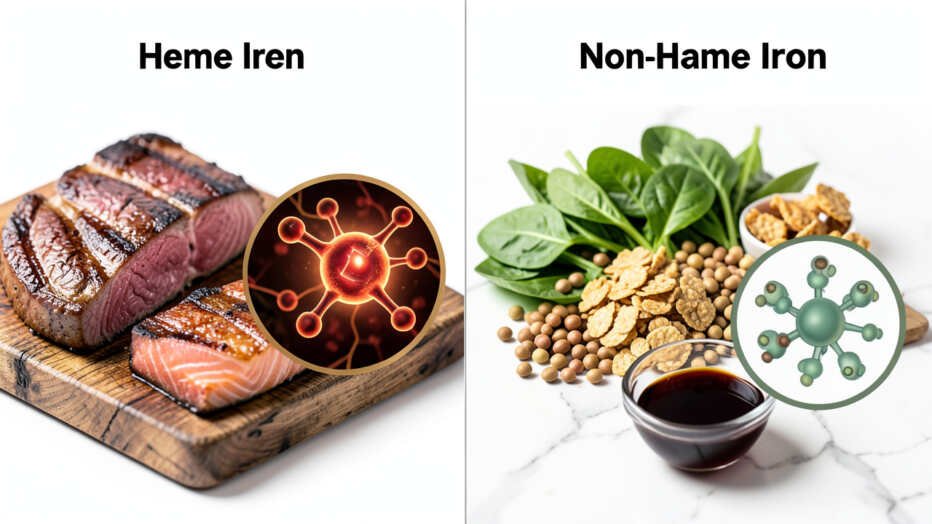
Heme iron comes exclusively from animal flesh and is absorbed very efficiently by the body, while non-heme iron is found in both plant foods and animal products and is absorbed much more slowly. The primary difference lies in their bioavailability, with heme iron absorption being less affected by dietary factors compared to non-heme iron, which can be enhanced by consuming vitamin C-rich foods. Understanding this distinction is critical for vegetarians and vegans, who must strategically combine non-heme iron sources with absorption enhancers to meet their nutritional needs.
Heme vs non-heme iron is a crucial distinction for anyone looking to optimize their dietary intake and prevent deficiency. Iron is an essential mineral your body needs for energy, brain function, and oxygen transport. However, not all dietary iron is created equal.
The two forms—heme and non-heme—differ significantly in their sources, absorption rates, and health impacts. Understanding these differences can help you make smarter food choices, whether you follow an omnivorous, vegetarian, or vegan diet. This guide breaks down everything you need to know about the two types, from their molecular structure to practical tips for boosting absorption.
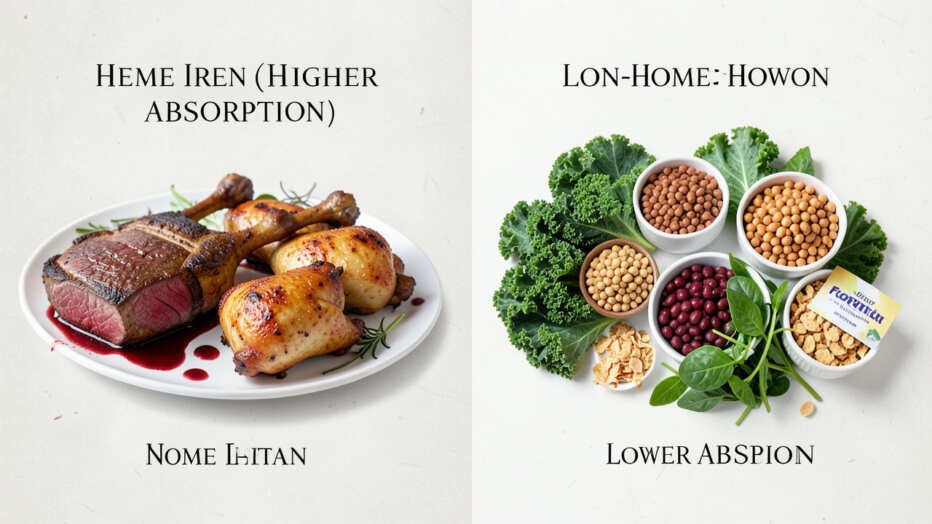
Simply put, heme iron comes exclusively from animal flesh and is absorbed very efficiently by your body. Non-heme iron is found in both plant foods and animal products but is absorbed much more slowly and is influenced by other foods you eat at the same meal. For most people, especially those eating a varied diet, getting enough of both types is the key to maintaining healthy iron levels.
Key Takeaways
- Heme iron is found only in animal-based foods like red meat, poultry, and fish, and is absorbed at a rate of 15-35%.
- Non-heme iron is present in plant foods (beans, spinach, fortified cereals) and some animal products, with a lower absorption rate of 2-20%.
- Consuming vitamin C with non-heme iron sources can dramatically increase absorption, sometimes by up to six times.
- Phytates, tannins, and calcium can inhibit the absorption of non-heme iron, so meal timing matters.
- While heme iron is more bioavailable, overconsumption, particularly of red meat, has been linked to other health concerns.
What Is Heme Iron and Where Is It Found?
Heme iron is the type of iron bound within the hemoglobin and myoglobin proteins found in animal flesh. Its name comes from “heme,” a complex that contains iron at its center. This structure is remarkably similar to the iron in your own blood, which is why your body recognizes and absorbs it so readily.
You will only find heme iron in foods derived from the muscle tissue of animals. It is not present in dairy products, eggs, or plant foods. This makes it a concentrated and efficient source for omnivores.
| Food Source (100g serving) | Approximate Heme Iron Content (mg) | Notes |
|---|---|---|
| Beef liver | 5.4 | Extremely high in iron; also rich in vitamin A. |
| Lean beef (sirloin) | 2.6 | Good source of high-quality protein. |
| Chicken thigh | 1.1 | Dark meat contains more iron than white meat. |
| Pork loin | 0.9 | A moderate heme iron source. |
| Oysters | 5.1 | Shellfish are among the best dietary iron sources. |
| Tuna (canned in water) | 1.3 | A convenient, portable option. |
This table illustrates the variability in heme iron content. Red meats and organ meats are consistently the most concentrated sources. According to the National Institutes of Health (NIH), heme iron accounts for about 40% of total iron in omnivorous diets but provides a disproportionately higher amount of absorbed iron due to its superior bioavailability.
How Does Non-Heme Iron Work?
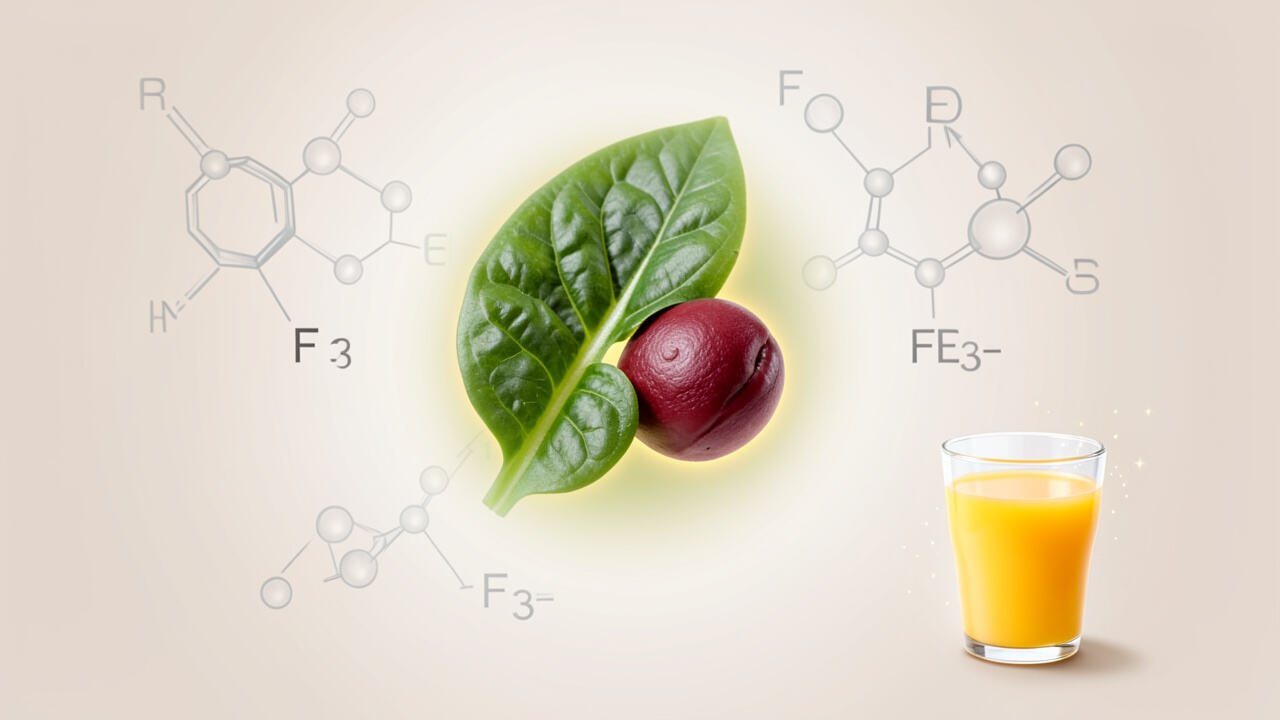
Non-heme iron is the form of iron found in plants, fortified foods, and animal-based foods like eggs and dairy. Its chemical structure is different, making it less soluble and harder for your intestines to absorb directly. Your body must first convert it, a process heavily influenced by other components in your meal.
This type of iron is more abundant in the global food supply than heme iron. The vast majority of the world’s population relies on non-heme iron from grains, legumes, and vegetables to meet their needs. Its absorption is a complex process regulated by your body’s current iron status.
- Plant Sources: Lentils, chickpeas, kidney beans, tofu, quinoa, spinach, kale, and fortified breakfast cereals.
- Animal Sources: Eggs (yolk) and dairy products contain small amounts of non-heme iron.
- Fortified Foods: Many cereals, breads, and plant-based milks have iron added in a non-heme form.
Important: Your body has a clever way of regulating non-heme iron absorption. When your iron stores are low, your intestines ramp up absorption. When stores are sufficient, absorption decreases. This makes non-heme iron a safer form to consume in large quantities without the risk of iron overload.
Heme vs Non-Heme Iron: A Direct Comparison
The core differences between these two types of iron can be broken down into five key areas: source, absorption rate, regulation by the body, interaction with other nutrients, and health considerations. A side-by-side view makes these distinctions clear.
| Characteristic | Heme Iron | Non-Heme Iron |
|---|---|---|
| Primary Source | Animal muscle tissue (meat, poultry, fish) | Plant foods, fortified foods, dairy, eggs |
| Absorption Rate | High (15-35%) | Low (2-20%) |
| Body Regulation | Less regulated; can be absorbed even when stores are high. | Tightly regulated; absorption increases with low iron stores. |
| Key Enhancers | Not significantly affected by enhancers. | Vitamin C (ascorbic acid) is a powerful enhancer. |
| Key Inhibitors | Calcium and polyphenols may slightly reduce absorption. | Phytates (grains/legumes), tannins (tea/coffee), calcium, polyphenols. |
| Health Considerations | High intake linked to increased risk of certain chronic diseases. | Generally considered safer in high amounts; associated with plant-rich diets. |
This comparison underscores a fundamental trade-off: heme iron is efficient but less regulated, while non-heme iron is abundant but requires strategic eating to maximize its benefit.
Why Is Iron Absorption So Different Between the Two Types?
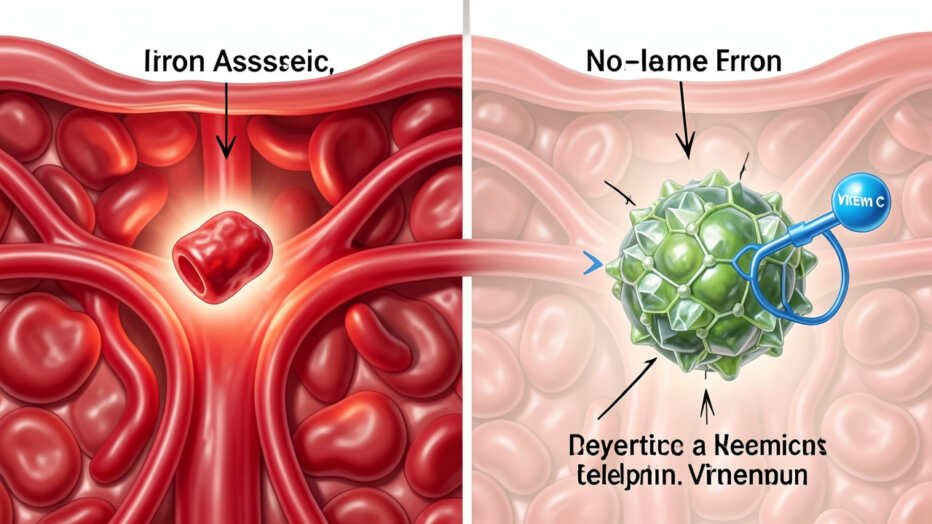
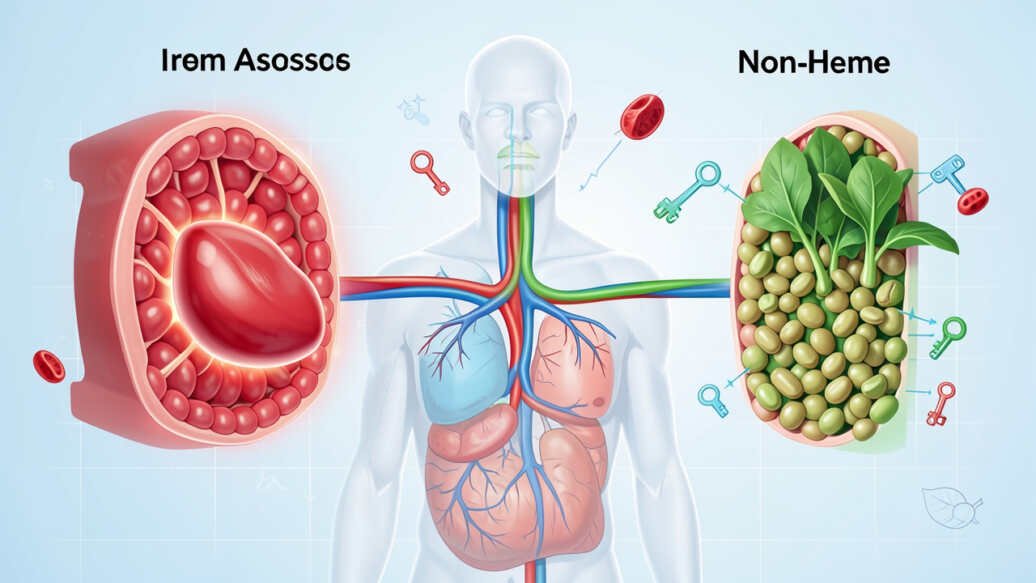
The primary reason for the stark difference in absorption lies in their chemical structure and how they interact with your intestinal cells. Heme iron is absorbed whole via a dedicated receptor (HCP1) on the surface of your duodenal cells. It’s a streamlined process.
Non-heme iron, typically in the ferric (Fe³⁺) form, must first be reduced to the more soluble ferrous (Fe²⁺) form by an enzyme called duodenal cytochrome b (DcytB) before it can be transported into the cell.
This extra step makes non-heme iron far more vulnerable. Dietary compounds that bind to iron or alter the gut environment can easily interfere. For example, phytates in whole grains and legumes bind tightly to iron, forming insoluble complexes that pass through the body undigested.
Tannins in tea and coffee do the same thing.
The Role of Vitamin C in Boosting Non-Heme Iron
Vitamin C (ascorbic acid) is a superhero for non-heme iron absorption. It does two critical things: it keeps iron in the more soluble ferrous (Fe²⁺) form, and it forms a soluble chelate with iron that protects it from inhibitors like phytates.
Research shows that adding 50-100 mg of vitamin C to a meal can increase non-heme iron absorption by 2 to 6 times. This is why food pairings matter so much.
- Excellent Pairings: Lentil soup with tomatoes, spinach salad with bell peppers and citrus dressing, fortified cereal with a glass of orange juice.
- Pairings to Separate: Avoid drinking tea or coffee with an iron-rich meal. Space calcium supplements or high-dairy meals at least two hours apart from iron supplements or iron-rich foods.
How Does Your Body Use Absorbed Iron?
Once iron is absorbed into the bloodstream, it doesn’t float around freely. It’s immediately bound to a protein called transferrin for transport to the cells that need it most. Your body uses iron for two primary purposes: creating hemoglobin in red blood cells and myoglobin in muscle cells.
Both proteins are responsible for oxygen transport and storage.
Excess iron is stored safely in proteins called ferritin and hemosiderin, primarily in the liver, spleen, and bone marrow. This storage system is vital because free iron can generate harmful free radicals through oxidative stress. The body has no active mechanism for excreting iron, which is why iron balance is so meticulously regulated.
| Iron Status | Ferritin Level (ng/mL) | What It Means |
|---|---|---|
| Iron Deficiency | < 12-15 | Stores are depleted. May lead to anemia. |
| Low to Normal | 12 – 50 | Acceptable range; absorption is efficient. |
| Normal | 50 – 150 | Healthy iron stores. |
| Iron Overload | > 300 | High stores; risk of tissue damage if sustained. |
Monitoring ferritin levels through a simple blood test is the most reliable way to assess your iron stores. This is more informative than just checking hemoglobin, as anemia is a late sign of deficiency.
What Are the Risks of Getting Too Much or Too Little Iron?
Both iron deficiency and iron overload pose significant health risks. Deficiency is the most common nutritional disorder globally, according to the World Health Organization (WHO). Symptoms include fatigue, weakness, pale skin, brittle nails, and impaired cognitive function.
Vulnerable groups include women of childbearing age, pregnant women, infants, and frequent blood donors.
Conversely, iron overload, known as hemochromatosis, can be genetic or acquired from excessive intake, particularly from supplements or high-dose heme iron. Excess iron deposits in organs like the liver, heart, and pancreas, causing damage and increasing the risk of diabetes, heart failure, and liver disease. This is why self-prescribing high-dose iron supplements is dangerous without a confirmed deficiency.
Warning: Never take iron supplements unless a doctor has diagnosed a deficiency. Symptoms of excess iron include joint pain, abdominal pain, and chronic fatigue. A simple blood test for ferritin can prevent serious health issues.
How Can Vegetarians and Vegans Optimize Non-Heme Iron Intake?
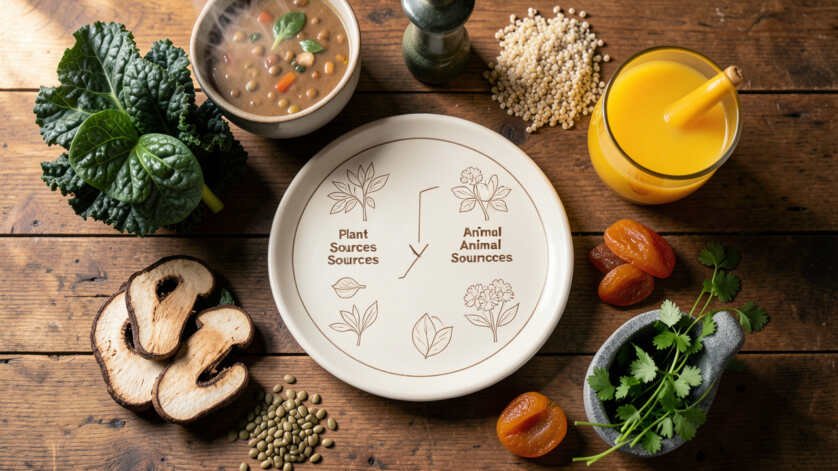
People following plant-based diets need to be strategic about iron consumption. Since they rely solely on non-heme iron, they must focus on both increasing intake and enhancing absorption. The recommended Dietary Allowance (RDA) for iron is actually higher for vegetarians and vegans: 18 mg for adult women and 8 mg for adult men, compared to 8 mg and 8 mg respectively for omnivores (with the female RDA reflecting menstrual losses).
Practical strategies include combining iron-rich plant foods with vitamin C sources at every meal, using cast-iron cookware (especially for acidic foods like tomato sauce, which can leach small amounts of iron into the food), and choosing iron-fortified products like nutritional yeast, cereals, and plant milks.
Building an Iron-Optimized Plant-Based Meal
A well-composed meal maximizes absorption. Consider these simple combinations:
- Breakfast: Fortified oatmeal topped with strawberries and pumpkin seeds. The strawberries provide vitamin C, and the seeds add iron and zinc.
- Lunch: Quinoa bowl with black beans, red bell peppers, and a squeeze of lime. The bell peppers and lime juice are excellent enhancers.
- Dinner: Tofu stir-fry with broccoli and cashews, using lemon juice in the sauce. Broccoli is a good source of non-heme iron.
- Snack: Trail mix with fortified cereal clusters, dried apricots (rich in iron), and orange segments.
Which Type of Iron Should You Prioritize in Your Diet?
For the average person eating a varied diet, there is no need to consciously prioritize one type over the other. Both play a role. Heme iron provides a reliable, easily absorbed base, while non-heme iron from a diverse array of plant foods offers additional benefits like fiber, antioxidants, and phytochemicals.
The healthiest dietary patterns, such as the Mediterranean or DASH diets, emphasize plenty of plant foods while including moderate amounts of fish and poultry.
If you are at risk for deficiency (e.g., heavy menstrual periods, pregnancy), focusing on increasing heme iron sources can be a quick way to boost levels. If you are managing hemochromatosis or have concerns about high iron stores, reducing heme iron intake and being mindful of supplements is key. Ultimately, the goal is balance, not obsession.
Listen to your body, eat a colorful diet, and get your levels checked if you have symptoms.
Frequently Asked Questions
Which is better for you, heme or non-heme iron?
Neither is universally “better.” Heme iron is more bioavailable, making it efficient for correcting deficiency. Non-heme iron is associated with the health benefits of plant-rich diets and carries a lower risk of overload. A balanced diet that includes both (if you eat animal products) is ideal for most people.
Can you get enough iron from a vegan diet?
Yes, it is absolutely possible. Vegans must focus on iron-rich plant foods like legumes, tofu, tempeh, fortified cereals, and seeds, and pair them with vitamin C sources at meals. Regular monitoring through blood tests is a good idea to ensure sufficiency.
Does cooking affect iron content?
Cooking can slightly reduce the iron in some foods, but it can also make some non-heme iron more accessible by breaking down cell walls. Cooking in a cast-iron skillet can increase the iron content of your food, especially with acidic dishes like tomato sauce.
What blocks iron absorption the most?
The most potent inhibitors are phytates (in whole grains, nuts, seeds, legumes) and tannins (in tea, coffee, and some wines). Taking calcium supplements or consuming large amounts of dairy at the same time also competes for absorption. Spacing these items 1-2 hours from iron-rich meals is wise.
Why do I feel tired if I take an iron supplement but still feel tired?
Several factors could be at play. Your dose might be too low, or something you’re eating or drinking with it (like coffee or calcium) is blocking absorption. It can also take several months of consistent supplementation to rebuild iron stores.
It’s crucial to work with a doctor to recheck your levels after a few months of treatment.
Final Thoughts
The heme vs non-heme iron distinction is fundamental to understanding your nutritional needs. Heme iron offers efficiency, while non-heme iron offers abundance and diversity. By leveraging enhancers like vitamin C and being mindful of inhibitors, you can ensure your body gets what it needs from any dietary pattern.
Focus on a varied diet rich in whole foods, listen to your body’s signals, and confirm your iron status with a healthcare provider for personalized guidance.