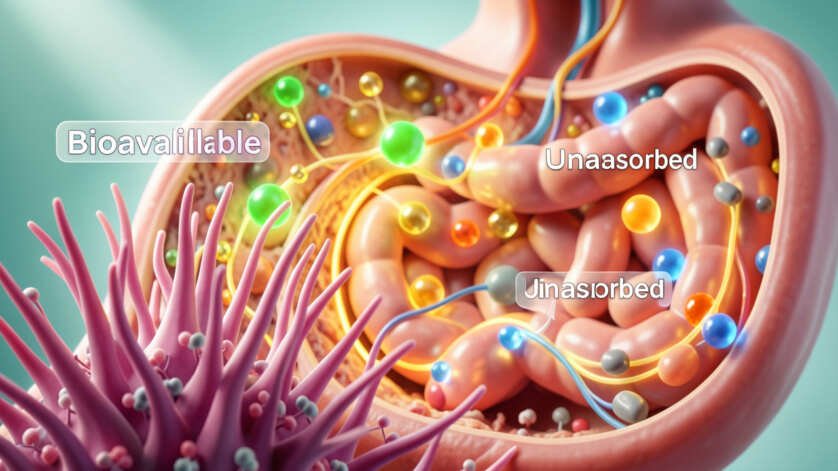
Nutrient bioavailability is the proportion of a nutrient from food that is absorbed into the bloodstream and becomes available for the body to use. This concept is critical because a nutrient's presence in food does not guarantee its absorption; factors like food preparation, digestive health, and nutrient interactions determine how much your body can actually utilize. Ultimately, optimizing bioavailability through diet and gut health is essential for converting food into real physiological benefits.
Nutrient bioavailability is a critical factor in how effectively your body can absorb and use the vitamins and minerals from the foods you eat. You could be consuming a perfect diet on paper, but if your body can’t access those nutrients, their health benefits are significantly reduced. This concept goes beyond simply eating your fruits and vegetables—it involves a complex interplay of digestion, food composition, and individual physiology.
Understanding nutrient bioavailability helps you make smarter dietary choices to truly nourish your body. This post will break down what it means, how it works, and the practical steps you can take to maximize the nutrients you get from every meal.
Simply put, nutrient bioavailability refers to the proportion of a nutrient from food that is absorbed into your bloodstream and available for your body to use. High bioavailability means a nutrient is easily absorbed; low bioavailability means most of it passes through unused.
Key Takeaways
- Nutrient bioavailability determines how much of a vitamin or mineral you actually absorb from food.
- Your body’s absorption of nutrients is heavily influenced by food preparation, combinations, and your own digestive health.
- Some nutrients are naturally more bioavailable in certain forms, like heme iron from animal sources.
- Factors like cooking methods, anti-nutrients, and individual health conditions can significantly raise or lower bioavailability.
- Optimizing nutrient bioavailability can be more impactful than simply increasing your intake of a specific vitamin or mineral.
What is Nutrient Bioavailability?
At its core, nutrient bioavailability is the measure of how much of a specific nutrient is digested, absorbed, and metabolized through normal physiological pathways. It’s not about the total amount of a nutrient in a food item, but the fraction that your body can actually put to work. Two foods with the same total iron content can deliver vastly different amounts of iron to your body based on their bioavailability.
This concept is vital for public health, sports nutrition, and clinical dietetics. For example, according to the World Health Organization, iron deficiency is a leading cause of anemia globally, and a key factor is the poor bioavailability of non-heme iron from plant-based diets in many regions.
Factors That Influence Bioavailability
Many elements determine whether a nutrient will be absorbed or excreted. These can be broken down into food-related factors and host-related factors.
- Food Form: Whether a nutrient is in a bound or free state. For instance, zinc bound to phytates in whole grains is less available.
- Nutrient Interactions: Vitamin C enhances non-heme iron absorption, while calcium can inhibit it when consumed in large amounts simultaneously.
- Anti-nutrients: Compounds like phytates (in grains/legumes) and oxalates (in spinach) can bind to minerals and reduce their absorption.
- Cooking and Processing: Cooking can break down cell walls and deactivate anti-nutrients, increasing bioavailability for some nutrients like lycopene in tomatoes.
- Individual Health: Conditions like celiac disease, Crohn’s, or even chronic stress can impair the gut’s ability to absorb nutrients.
- Gut Microbiome: Healthy gut bacteria can help synthesize certain nutrients (like vitamin K) and may improve the absorption of others.
How Does Nutrient Bioavailability Work?
The journey of a nutrient from your plate to your cells is a complex process. It begins with ingestion and involves several critical stages where bioavailability is determined. Understanding this pathway helps explain why some nutrients are better absorbed under specific conditions.
The primary sites of absorption are the stomach and, most importantly, the small intestine. The integrity of your intestinal lining and the presence of specific transport proteins are essential for moving nutrients from your gut into your bloodstream.
The Four-Step Absorption Process
- Digestion: Food is broken down mechanically and chemically. Stomach acid and enzymes release nutrients from their food matrix.
- Transformation: Nutrients may be converted into a more absorbable form. For example, pepsin in the stomach breaks proteins into peptides and amino acids.
- Uptake: Nutrients pass through the cells of the intestinal wall. This can occur via active transport, passive diffusion, or facilitated diffusion.
- Transport: Once in the bloodstream, nutrients are delivered to cells and tissues throughout the body to perform their functions.
| Stage of Absorption | Key Process | Example Nutrient |
|---|---|---|
| 1. Digestion | Mechanical & chemical breakdown in the stomach | Proteins are broken down by pepsin and stomach acid. |
| 2. Transformation | Conversion to a simpler, absorbable form | Beta-carotene from carrots is converted to vitamin A. |
| 3. Uptake | Passage through intestinal cell membranes | Glucose is absorbed via active transport with sodium. |
| 4. Transport | Delivery via blood to body tissues | Iron binds to transferrin in the blood for transport. |
This table outlines the journey nutrients take. A breakdown at any stage can significantly reduce the final amount your body can use.
What Are the Key Nutrients and Their Bioavailability Factors?
Different micronutrients have unique absorption challenges and facilitators. Focusing on these specifics allows you to tailor your diet for optimal results. Here’s a breakdown of some essential nutrients and what affects their bioavailability.
Iron: Heme vs. Non-Heme
Iron exists in two dietary forms with vastly different absorption rates. Heme iron, from animal sources like red meat, poultry, and fish, has a high bioavailability of 15-35%. Non-heme iron, found in plants, eggs, and dairy, has a much lower bioavailability of 2-20%.
- Boost Absorption: Pair plant-based iron sources with vitamin C (e.g., spinach salad with bell peppers and lemon juice). Cooking in a cast-iron skillet can also increase iron content.
- Inhibit Absorption: Consuming tea, coffee, or calcium supplements with an iron-rich meal can significantly reduce uptake due to compounds like tannins and the competitive nature of calcium.
Calcium: Competition and Carriers
Calcium absorption is not linear; it’s more efficient when intake is spread throughout the day rather than in one large dose. About 30% of dietary calcium is typically absorbed, but this percentage varies.
| Enhancers of Calcium Absorption | Inhibitors of Calcium Absorption |
|---|---|
| Vitamin D (essential for absorption) | High sodium intake |
| Lactose (found in milk) | High oxalate foods (e.g., spinach, rhubarb) |
| Moderate, regular protein intake | High phytate foods (e.g., unsoaked whole grains, beans) |
| Acidic foods (may help solubilize calcium) | Excessive caffeine or alcohol |
Strategic food pairing is key. For example, you might eat yogurt with berries (for vitamin C) rather than consuming it with a high-oxalate green smoothie if calcium is your primary goal.
How to Increase Nutrient Bioavailability Through Food Preparation
You have direct control over your food’s nutrient potential through simple kitchen techniques. Smart preparation can deactivate anti-nutrients and make nutrients more accessible. Here’s how to apply these principles practically.
- Soak, Sprout, and Ferment: Soaking grains and legumes for several hours, or better yet, sprouting them, significantly reduces phytate content. Fermentation (as in sourdough bread or yogurt) does the same while also adding beneficial probiotics.
- Cook Strategically: Cooking tomatoes and carrots increases the bioavailability of their key antioxidants, lycopene and beta-carotene. Always cook spinach lightly to reduce oxalates rather than eating it raw in large quantities.
- Chop and Crush: Finely chopping or crushing garlic and onions activates the enzyme alliinase, which produces the beneficial compound allicin. Let them sit for a few minutes before cooking to maximize this effect.
- Pair with Fat: Vitamins A, D, E, and K are fat-soluble. Eating a salad with a healthy fat-based dressing (like olive oil) helps your body absorb these vitamins from the leafy greens.
- Use Acids: Marinating foods in acidic ingredients like lemon juice or vinegar can help break down tissues and increase the solubility of minerals like iron and calcium.
Tip: Combine your preparation techniques. For example, soaking and then cooking lentils (to reduce phytates) and eating them with a squeeze of lemon (vitamin C) and a drizzle of olive oil (fat) will maximize the bioavailability of both minerals and vitamins in the dish.
Why Does Gut Health Impact Nutrient Bioavailability?
Your gastrointestinal tract is the primary gatekeeper for nutrient absorption. An unhealthy gut lining can lead to a condition often called “leaky gut,” where the barrier function is compromised. This can both impair the absorption of beneficial nutrients and allow unwanted particles to enter the bloodstream, triggering inflammation.
A healthy, diverse microbiome supports bioavailability by producing short-chain fatty acids, synthesizing certain vitamins, and creating an optimal environment for nutrient uptake. An imbalance in gut bacteria (dysbiosis), often caused by poor diet, stress, or antibiotics, can hinder this process.
- Celiac Disease: This autoimmune disorder causes severe damage to the intestinal villi, drastically reducing the absorption surface area and leading to multiple nutrient deficiencies.
- Inflammatory Bowel Disease (IBD): Chronic inflammation in Crohn’s disease or ulcerative colitis disrupts nutrient absorption, especially for B12, iron, and folate.
- Low Stomach Acid: Age, stress, or long-term use of antacids can reduce stomach acid, impairing the release of minerals like iron, zinc, and calcium from food.
| Gut Health Factor | Impact on Bioavailability | Supportive Action |
|---|---|---|
| Microbiome Diversity | A diverse microbiome produces vitamins and enhances mineral solubility. | Eat a high-fiber, varied diet with fermented foods. |
| Intestinal Permeability | Leaky gut can impair absorption and cause systemic inflammation. | Reduce processed foods, manage stress, consider bone broth or L-glutamine. |
| Stomach Acid Level | Low acid hinders mineral release from food matrix. | Chew food thoroughly; avoid drinking large amounts of water with meals. |
What Are Common Mistakes That Reduce Bioavailability?
Even well-intentioned diets can fall short due to common practices that unknowingly sabotage nutrient absorption. Being aware of these pitfalls is the first step toward fixing them.
- Over-Supplementing: Mega-doses of supplements, especially minerals like zinc and iron, can compete with each other for absorption and cause deficiencies in other nutrients. It’s often better to get nutrients from whole foods.
- Ignoring Food Synergies: Eating a high-calcium food with a high-oxalate food in the same meal (like cheese on spinach) can nullify the calcium benefit. Plan meals to enhance, not block, absorption.
- Relying on Raw Food Only: While salads are healthy, some nutrients become more available after cooking. A diet exclusively of raw foods may lack fully bioavailable lycopene, beta-carotene, and certain proteins.
- Chronic Use of Acid Blockers: Proton pump inhibitors (PPIs) and H2 blockers reduce stomach acid, which is crucial for breaking down food and absorbing nutrients like B12, iron, and magnesium.
- Not Managing Underlying Conditions: Ignoring digestive symptoms like bloating, gas, or altered bowel movements can mean missing a sign of poor absorption that needs medical attention.
Warning: If you suspect you have a condition like celiac disease, IBD, or severe nutrient deficiencies, do not attempt to self-treat. Seek professional medical advice for proper diagnosis and a tailored treatment plan.
Who Needs to Pay Special Attention to Bioavailability?
While everyone benefits from optimized nutrition, certain groups face greater challenges or have higher demands, making nutrient bioavailability especially critical for them.
- Vegetarians and Vegans: Must be mindful of pairing plant-based iron with vitamin C and ensuring adequate vitamin B12 intake from fortified foods or supplements, as it has virtually no plant sources.
- Athletes and Physically Active Individuals: Have increased needs for electrolytes (sodium, potassium, magnesium) and antioxidants. Sweating increases mineral losses, making efficient absorption crucial for performance and recovery.
- Pregnant and Breastfeeding Women: Have heightened requirements for folate, iron, calcium, and DHA. Poor bioavailability during this period can impact fetal development and maternal health.
- Older Adults: Often experience reduced stomach acid and may have less efficient absorption of calcium, vitamin D, and vitamin B12. Medications can further interfere.
- Individuals with Chronic Illnesses: Conditions like diabetes, kidney disease, or liver disease can alter nutrient metabolism and excretion, requiring specialized dietary attention.
Frequently Asked Questions
Does cooking always destroy nutrients?
Not necessarily. While some heat-sensitive vitamins like vitamin C and certain B vitamins can be reduced, cooking can actually increase the bioavailability of other key nutrients, such as lycopene in tomatoes and beta-carotene in carrots. It also helps break down tough plant fibers and deactivate anti-nutrients.
Are supplements more bioavailable than food?
It depends on the nutrient and the supplement form. For some nutrients (like vitamin D), supplements can be a reliable source. However, for many minerals and phytonutrients, the complex matrix of whole foods often provides better overall absorption and additional health benefits that isolated supplements cannot replicate.
How do I know if I’m absorbing my nutrients well?
Signs of poor absorption can include chronic fatigue, hair loss, brittle nails, frequent infections, and digestive issues. The most accurate way is through blood tests ordered by a doctor to check for specific nutrient deficiencies and markers of health.
Can water affect nutrient absorption?
Yes, in different ways. Drinking large amounts of water with a meal can dilute stomach acid and potentially slow digestion and mineral absorption. However, staying well-hydrated overall is essential for nutrient transport in the bloodstream once they are absorbed.
Is it possible to have too high a bioavailability?
While rare from whole foods, it is possible to overdose on certain fat-soluble vitamins (A, D, E, K) or minerals like iron, especially from supplements. The body has some regulatory mechanisms, but excessive intake can lead to toxicity. This underscores the importance of getting nutrients from a balanced diet first.
Final Thoughts
Nutrient bioavailability is the hidden key that unlocks the true potential of your diet. It shifts the focus from simply counting nutrients on a label to understanding how your body actually uses them. By paying attention to food preparation, strategic pairings, and gut health, you can significantly enhance your nutritional intake.
Remember, a holistic approach that considers the whole food matrix and your individual health will always yield the best results for long-term wellness.