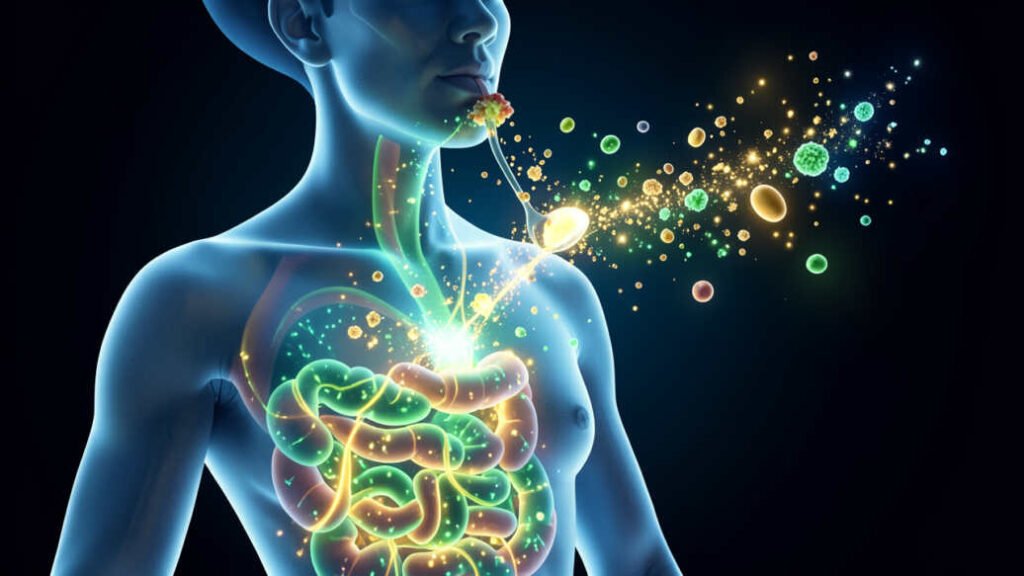
The body absorbs some nutrients better than others due to their bioavailability, which is the proportion of a nutrient that can be used by the body after digestion. Absorption efficiency depends on factors like nutrient form, whether a vitamin is fat-soluble or water-soluble, and its pairing with other foods. For practical benefit, understanding that fat-soluble vitamins require dietary fat and that certain nutrients enhance each other's uptake allows for smarter dietary choices to maximize nutritional benefit.
Understanding this process helps you make smarter food choices and maximize the benefits of your meals. We’ll break down the key factors that influence nutrient absorption, from food preparation methods to your body’s own unique chemistry. You’ll learn which nutrients are easy to absorb and which ones need a little help.
Simply put, the body absorbs nutrients better when they are in a form that is easy to digest and is paired with other nutrients that enhance uptake. Factors like nutrient pairing, cooking methods, food form, and your individual health status create a complex system that prioritizes some nutrients over others for efficient absorption.
Key Takeaways
- Nutrient absorption depends on bioavailability, which is the proportion of a nutrient that enters circulation and is available for use.
- Fat-soluble vitamins (A, D, E, K) require dietary fat for absorption, while water-soluble vitamins dissolve easily in water.
- Certain nutrient combinations can boost absorption, like iron with vitamin C, while others can inhibit it, like calcium with iron.
- The physical form of food, cooking, and processing dramatically change how well nutrients are released and absorbed.
- Individual factors, including gut health, age, and specific deficiencies, play a major role in your personal absorption efficiency.
What Is Bioavailability and Why Does It Matter?
Bioavailability is the key concept behind nutrient absorption. It refers to the fraction of an ingested nutrient that is absorbed through the intestinal tract and becomes available for your body to use. Simply eating a food doesn’t guarantee you get all its nutrients.
Think of it like this: if a supplement contains 100mg of a mineral but your body can only absorb 20mg, its bioavailability is only 20%. This concept explains why the nutrition label on a package doesn’t always tell the full story of what your body actually receives.
| Nutrient Form | Example | Bioavailability Impact |
|---|---|---|
| Heme Iron | From red meat, poultry | Very high (15-35%). Easily absorbed. |
| Non-Heme Iron | From spinach, beans, fortified cereals | Lower (2-20%). Easily inhibited by other foods. |
| Calcium Supplements | Calcium carbonate vs. Calcium citrate | Citrate is better absorbed without food. |
Several factors influence bioavailability. The presence of other nutrients, the food’s matrix, and your digestive health all play critical roles. This is why focusing solely on the total nutrient content of food can be misleading.
How Does the Form of a Nutrient Change Absorption?
The physical and chemical form of a nutrient is one of the biggest determinants of absorption. Some nutrients come in forms that are “pre-digested” or ready for uptake, while others require significant breakdown first.
- Whole vs. Processed Foods: Whole foods often have nutrients locked inside fiber matrices. Light cooking or processing can break down these walls, increasing nutrient release.
- Supplemental Forms: Supplements use different chemical forms. For example, methylfolate is the active form of folate and is better absorbed than folic acid for some people.
- Chelated Minerals: Minerals like magnesium and zinc are often bound to amino acids (chelated), which protects them from inhibitors and can enhance absorption.
Your digestive system has to work harder to extract nutrients from very fibrous or tough foods. This is not inherently bad—fiber is essential—but it can lower the immediate bioavailability of some minerals.
Tip: Soaking, sprouting, and fermenting grains and legumes can significantly reduce anti-nutrients like phytic acid, thereby improving the absorption of minerals like iron and zinc from plant foods.
What Are Fat-Soluble vs. Water-Soluble Vitamins?
One of the most fundamental distinctions affecting absorption is whether a vitamin is fat-soluble or water-soluble. This classification dictates how the vitamin travels through your body and whether it needs dietary fat for uptake.
Fat-Soluble Vitamins (A, D, E, K)
These vitamins require fat for absorption. When you eat them, they are incorporated into fat globules in your intestine and transported via lymphatic vessels before entering the bloodstream. Without adequate dietary fat, their absorption can be severely limited.
This is why a completely fat-free salad with carrots (vitamin A) and spinach (vitamin K) might not let you absorb those vitamins well. Adding a olive oil dressing or avocado provides the necessary fat.
Water-Soluble Vitamins (B-Complex and C)
These vitamins dissolve in water and are generally absorbed directly into the bloodstream in the small intestine. They don’t require fat for uptake, which is why they are often considered easier to absorb.
However, this comes with a downside: excess water-soluble vitamins are typically excreted in urine rather than stored. Your body doesn’t keep large reserves of them.
How Do Nutrients Help or Hinder Each Other?
Nutrients interact in complex ways on your plate and in your gut. These synergistic and antagonistic relationships can make a huge difference in what you ultimately absorb.
- Synergistic Pairs (Boost Absorption):
- Vitamin C + Non-Heme Iron: Vitamin C converts iron into a more absorbable form. Pairing bell peppers (high C) with lentils (non-heme iron) is a powerful combination.
- Vitamin D + Calcium: Vitamin D is essential for your body to absorb calcium effectively from the intestines.
- Fat + Fat-Soluble Vitamins: Eating fats with foods containing vitamins A, D, E, or K enhances their uptake.
- Antagonistic Pairs (Inhibit Absorption):
- Calcium + Iron: High doses of calcium can inhibit iron absorption if taken at the same time.
- Tannins (Tea/Coffee) + Iron: Compounds in tea and coffee can bind to non-heme iron, reducing its availability.
- Phytates (Whole Grains/Legumes) + Minerals: Phytic acid can bind to zinc, iron, and calcium, reducing their absorption.
Important: You don’t need to stress about every meal pairing. The key is to maintain a balanced diet over the course of a day. Space out calcium supplements and iron-rich meals if you are concerned about absorption.
| Nutrient Pairing | Effect | Practical Tip |
|---|---|---|
| Iron (spinach) + Vitamin C (orange juice) | Synergy: Vitamin C boosts iron absorption by up to 300%. | Drink a small glass of OJ with your iron-fortified cereal. |
| Iron supplement + Coffee/Tea | Antagonism: Tannins reduce iron absorption. | Take your supplement with water or orange juice instead. |
| Calcium + Vitamin D | Synergy: D is required for calcium absorption. | Ensure adequate sun exposure or consume vitamin D sources. |
How Do Cooking and Food Processing Affect Nutrient Bioavailability?
The way we prepare food has a profound impact on how much nutrition we can extract from it. Both cooking and processing can be a double-edged sword, sometimes increasing and sometimes decreasing bioavailability.
Positive Effects of Cooking:
- Breaks Down Cell Walls: Cooking tomatoes breaks down their cell walls, making the antioxidant lycopene much more absorbable. Cooked tomatoes are a better source of lycopene than raw ones.
- Denatures Proteins: Heat makes proteins easier to digest and amino acids more available.
- Inactivates Anti-Nutrients: Cooking can reduce levels of lectins and other compounds that interfere with mineral absorption.
Negative Effects of Cooking:
- Heat-Sensitive Vitamins Lost: Vitamin C and some B vitamins (like folate) are sensitive to heat, light, and water. Boiling vegetables can cause significant losses.
- Leaching into Water: Water-soluble vitamins can leach into cooking water. Using that water in soups or sauces can help recover some nutrients.
Processing can have mixed effects. Fortification adds nutrients (like folic acid to flour), but ultra-processing can strip away natural nutrients and add unhealthy components. The key is finding a balance.
Why Is Your Individual Gut Health So Important?
Your unique internal ecosystem plays a massive role in nutrient absorption. The health of your intestinal lining and the balance of your gut microbiome are foundational to this process.
A damaged gut lining, as seen in conditions like celiac disease, Crohn’s disease, or even chronic inflammation from a poor diet, can impair the absorption of virtually all nutrients. The tiny finger-like projections (villi) that increase surface area for absorption become blunted.
Your gut microbiome—the trillions of bacteria living in your intestines—also helps. Certain gut bacteria produce vitamins (like vitamin K and some B vitamins) and can help break down complex fibers to release minerals. An imbalance in this microbiome, known as dysbiosis, can negatively impact absorption.
Warning: Chronic digestive issues like severe bloating, diarrhea, or unexplained nutrient deficiencies may indicate a problem with absorption. Consult a healthcare professional for evaluation.
What Role Do Digestive Enzymes and Stomach Acid Play?
Absorption doesn’t start until digestion breaks food down into its smallest components. Two critical factors in this process are stomach acid and digestive enzymes.
- Stomach Acid (HCL): This acidic environment is crucial for breaking down proteins and, importantly, for ionizing minerals like iron, zinc, and calcium so they can be absorbed. Low stomach acid, which can be more common with age or certain medications, directly reduces mineral absorption.
- Digestive Enzymes: Enzymes like amylase, protease, and lipase break down carbohydrates, proteins, and fats, respectively. If enzyme production is insufficient, larger molecules pass into the intestine undigested, and their nutrients aren’t fully released.
People who have had gastric bypass surgery or are on long-term acid-reducing medications (proton pump inhibitors) often need to be mindful of nutrient deficiencies, particularly of B12, iron, calcium, and magnesium.
How Do Life Stages and Health Conditions Impact Absorption?
Your body’s ability to absorb nutrients isn’t static. It changes throughout your life and is significantly affected by your overall health.
- Age: Infants have highly efficient absorption for growth. As we age, absorption efficiency for some nutrients, like B12 and calcium, can decrease. Stomach acid production often declines with age.
- Pregnancy and Lactation: Demand for nearly all nutrients skyrockets. The body becomes more efficient at absorbing calcium, for instance, to meet the needs of the developing baby.
- Specific Deficiencies: Your body can upregulate absorption when it’s low in a nutrient. For example, if you are iron-deficient, your intestines will absorb iron more efficiently from your food.
- Medications and Illness: Many medications, from antacids to antibiotics, can interfere with nutrient absorption. Chronic illnesses, especially those affecting the gut, liver, or pancreas, have direct impacts.
What Are the Key Anti-Nutrients and Do You Need to Worry About Them?
Anti-nutrients are natural compounds found in many plant foods that can interfere with the absorption of minerals. Common ones include phytates, tannins, and oxalates. They often come packaged with the very foods that are healthy for us, like whole grains, legumes, nuts, seeds, and leafy greens.
The key takeaway is that for most people eating a varied diet, anti-nutrients are not a major cause for concern. They are part of a healthy food matrix. However, for individuals who rely heavily on a single plant food source for a key mineral (like a vegetarian getting all iron from spinach), being aware can help.
| Anti-Nutrient | Found In | Counteracting Strategy |
|---|---|---|
| Phytic Acid | Whole grains, legumes, nuts, seeds | Soaking, sprouting, fermenting (e.g., sourdough bread). |
| Tannins | Tea, coffee, legumes, wine | Don’t take iron supplements with tea/coffee. |
| Oxalates | Spinach, rhubarb, beets, nuts | Boiling high-oxalate greens can reduce content. Pair with calcium-rich foods. |
Frequently Asked Questions
Why is iron from meat easier to absorb than iron from spinach?
The iron in meat is called heme iron, which is part of hemoglobin and myoglobin. This form is absorbed intact into the intestinal cells with high efficiency. The iron in spinach is non-heme iron, which is bound to compounds like oxalates and requires more digestive steps to be broken down and absorbed.
Can I increase the absorption of plant-based nutrients?
Yes, you can use several strategies. Pair vitamin C-rich foods with iron-rich plants. Cook tomatoes to boost lycopene.
Soak and cook legumes to reduce phytates. Use fermentation (like tempeh or sourdough) to improve mineral availability from grains and soy.
Do supplements always have poor absorption compared to food?
Not necessarily, but it depends on the supplement’s form and what it’s taken with. Fat-soluble vitamin supplements should be taken with a meal containing fat. Mineral supplements often have better absorption in chelated forms.
Taking supplements on an empty stomach can sometimes increase absorption of certain nutrients but may cause stomach upset.
How does aging affect nutrient absorption?
Aging can lead to reduced stomach acid production, which is needed to absorb minerals like B12, iron, calcium, and zinc. The digestive tract may become less efficient, and the risk of conditions that affect absorption, like celiac disease or diverticulosis, can increase.
Are there specific foods that block nutrient absorption?
Some foods contain compounds that can temporarily inhibit absorption. High-fiber foods rich in phytates (bran, legumes) can reduce mineral uptake if eaten in very large amounts at the same meal. Tannins in tea and coffee can bind to non-heme iron.
However, for most people with a varied diet, this is rarely a problem.
Final Thoughts
The body’s complex system for absorbing nutrients ensures it gets what it needs, prioritizing efficiency based on form, pairing, and internal health. You can influence this process positively through smart food combinations, thoughtful preparation methods, and supporting your gut health.
Focus on a varied diet rich in both plants and high-quality animal products if desired. Pay attention to how you feel and work with a professional if you suspect absorption issues. The goal is to nourish your body effectively, and understanding absorption is a powerful step in that direction.