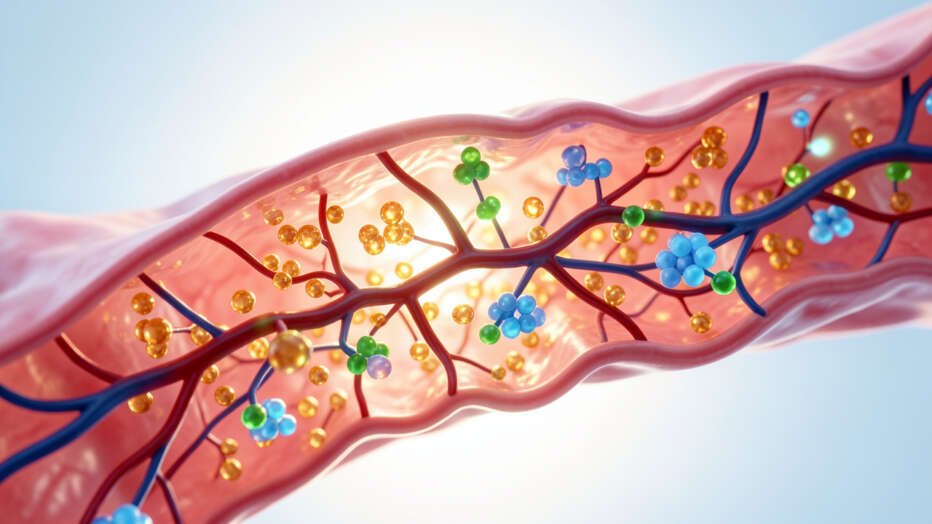
Nutrients from digested food absorb into your bloodstream primarily within the small intestine, where its vast surface area allows efficient uptake. Carbohydrates and proteins are transported directly into blood capillaries, while fats enter the lymphatic system via specialized carriers called chylomicrons. This efficient process underscores why the physical form of your food and your gut health are critical for maximizing the delivery of essential vitamins and minerals to your cells.
Nutrients move from food into your bloodstream through a complex process of digestion and absorption. Your body breaks down what you eat into tiny molecules that can pass through the walls of your digestive tract. Once there, they enter the blood to be delivered to every cell in your body for energy, growth, and repair.
This journey from plate to cell is a fundamental biological process. Understanding how it works can help you make better dietary choices. It explains why the form of food and your gut health matter so much for getting the vitamins and minerals you need.
Simply put, nutrients absorb from your food into the bloodstream primarily in the small intestine. Specialized cells and transport mechanisms pull molecules like sugars, amino acids, and fats from digested food through the gut lining and into the blood capillaries or lymph system for distribution.
Key Takeaways
- Nutrient absorption occurs mainly in the small intestine, where the surface area is maximized by villi and microvilli.
- Different nutrients use different pathways: carbohydrates and proteins enter blood capillaries directly, while most fats enter the lymphatic system first.
- Your digestive system must break food down into its simplest components—like glucose from starches and amino acids from proteins—before absorption can happen.
- Gut health is critical; damage to the intestinal lining from conditions like celiac disease or Crohn’s can severely impair how nutrients absorb.
- The efficiency of this process is influenced by food combinations, preparation methods, and overall digestive health.
What Is Nutrient Absorption?
Nutrient absorption is the final step of digestion. After you eat, mechanical and chemical processes in your mouth, stomach, and intestines break down food. Absorption is the specific moment those broken-down nutrients pass from your digestive tract into your internal environment—either the blood or lymph.
The goal is to move useful molecules into circulation so your body can use them. Waste products continue down the tract to be eliminated. This selective process ensures your cells get the fuel and building blocks they require.
The Two Primary Circulation Routes
Once absorbed, nutrients enter one of two transport systems:
- The Bloodstream (Cardiovascular System): This is the highway for most water-soluble nutrients. Sugars, amino acids, vitamins, and minerals travel directly to the liver via the hepatic portal vein for processing and then to the rest of the body.
- The Lymphatic System: This slower system primarily handles absorbed fats and fat-soluble vitamins. They are packaged into chylomicrons and enter lymphatic capillaries called lacteals, eventually draining into the bloodstream near the heart.
Key Organs and Their Roles
The organs involved in absorption form a coordinated team:
- Stomach: Primarily for protein breakdown and mixing, with minimal absorption of some drugs and alcohol.
- Small Intestine: The primary site for absorbing almost all nutrients. Its three sections (duodenum, jejunum, ileum) are specialized for different tasks.
- Large Intestine (Colon): Absorbs water, electrolytes, and some vitamins produced by gut bacteria, like vitamin K and certain B vitamins.
How Does Digestion Prepare Food for Absorption?
Absorption cannot happen until digestion has broken food down into absorbable units. Think of it like needing to open packages before you can use what’s inside. This process begins the moment food enters your mouth and continues through the stomach and small intestine.
Digestion uses two methods: mechanical and chemical. Mechanical digestion physically breaks food into smaller pieces. Chemical digestion uses enzymes and acids to break chemical bonds, reducing complex molecules to their simplest forms.
The Essential Breakdown Process
| Macronutrient | Digestive Action | Absorbable Unit |
|---|---|---|
| Carbohydrates | Enzymes like amylase break starches into sugars. | Monosaccharides (glucose, fructose, galactose) |
| Proteins | Acid and enzymes (pepsin, trypsin) break peptide bonds. | Amino acids, dipeptides, tripeptides |
| Fats (Lipids) | Bile emulsifies fat; lipases break triglycerides. | Fatty acids, monoglycerides, glycerol |
| Nucleic Acids | Enzymes break down DNA and RNA from cells. | Pentose sugars, nitrogenous bases, phosphates |
Bile, produced by the liver and stored in the gallbladder, is crucial for fat digestion. It doesn’t contain enzymes but breaks large fat globules into tiny droplets. This process, called emulsification, allows fat-digesting enzymes to work much more effectively.
How Do Carbohydrates and Proteins Enter the Bloodstream?
Once carbohydrates are broken down into simple sugars and proteins into amino acids, they are ready for absorption. This primarily happens in the jejunum, the middle section of the small intestine. The process relies on specialized transport proteins embedded in the cell membranes of intestinal cells.
The inner wall of the small intestine isn’t smooth. It is covered in millions of tiny, finger-like projections called villi. Each villus is covered in even smaller projections called microvilli, forming a structure known as the brush border.
This design increases the surface area by about 600 times, providing a massive area for absorption.
The Transport Mechanisms
Different sugars use different methods to cross the intestinal cell wall:
- Glucose and Galactose: Use sodium-dependent active transport. They are pulled into the cell along with sodium ions, requiring energy. This is highly efficient, even when glucose levels in the gut are low.
- Fructose: Uses facilitated diffusion. It moves through a specific transporter (GLUT5) down its concentration gradient, from an area of high concentration in the gut to lower concentration inside the cell. No energy is needed.
- Amino Acids: Also use various sodium-dependent active transport systems. Different transporters handle different types of amino acids (neutral, acidic, basic).
After entering the intestinal cell, these nutrients exit the other side through different transporters and enter the capillaries within the villus. From there, they travel to the liver via the hepatic portal vein. The liver acts as a processing plant, regulating what enters the general bloodstream.
Important: Carbohydrate absorption is directly linked to sodium absorption. This is why oral rehydration solutions for dehydration contain both salts and sugars—they help the body absorb water more effectively.
How Does Fat Absorption Work Differently?
Fat absorption follows a unique pathway because fats are not water-soluble. They cannot simply dissolve and enter the blood capillaries like sugars and amino acids. Instead, they require a specialized packaging and transport system involving the lymphatic system.
After emulsification by bile, pancreatic lipase breaks triglycerides down into monoglycerides and fatty acids. These products, along with cholesterol and fat-soluble vitamins, are then absorbed into the intestinal cells. Inside the cell, they are reassembled into triglycerides.
Formation of Chylomicrons
The reassembled fats are combined with cholesterol and proteins to form large particles called chylomicrons. These chylomicrons are coated with a layer that makes them water-compatible. They are too large to enter blood capillaries directly.
Instead, they are released from the intestinal cell and enter the lacteals—the lymphatic capillaries within each villus. Chylomicrons travel through the lymphatic system, passing through lymph nodes, and eventually drain into the bloodstream near the heart via the thoracic duct. This is why a very high-fat meal can slow down nutrient delivery.
Comparison of Absorption Pathways
| Nutrient Type | Absorption Site | Primary Transport Method | Destination |
|---|---|---|---|
| Sugars & Amino Acids | Jejunum (main site) | Active or Facilitated Transport | Blood Capillaries -> Liver |
| Most Fats & Fat-Soluble Vitamins | Jejunum (main site) | Chylomicron Formation | Lacteals (Lymph) -> Bloodstream |
| Short-Chain Fatty Acids | Colon & Ileum | Direct Diffusion | Blood Capillaries -> Liver |
| Water-Soluble Vitamins & Minerals | Duodenum & Jejunum | Specific Transporters or Diffusion | Blood Capillaries -> Liver |
The absorption of short-chain fatty acids is an exception. These smaller fats, often produced by gut bacteria fermenting fiber, can be absorbed more directly into the blood capillaries and travel straight to the liver.
What Factors Influence How Well Nutrients Absorb?
Nutrient absorption isn’t a fixed process; its efficiency can vary widely. Several factors can enhance or hinder your body’s ability to extract and absorb nutrients from food. Your genetics, gut health, and even how you eat play significant roles.
For example, vitamin C significantly boosts the absorption of non-heme iron (the iron from plant foods). Conversely, compounds like phytates in whole grains and tannins in tea can bind to minerals like iron and zinc, reducing their absorption. This is why balanced meal composition is important.
Key Factors Affecting Absorption
- Gut Surface Area: Conditions like celiac disease damage villi, drastically reducing absorptive surface area and leading to malnutrition.
- Transit Time: Food moving too quickly through the digestive tract (diarrhea) reduces contact time for absorption. Moving too slowly can lead to bacterial overgrowth, which competes for nutrients.
- Enzyme & Bile Production: Insufficient pancreatic enzymes (pancreatic insufficiency) or bile (liver disease) severely impairs digestion, especially of fats and proteins.
- Nutrient Interactions: As mentioned, enhancers (vitamin C with iron) and inhibitors (calcium with iron) in the same meal affect uptake.
- Intestinal Health: Inflammation from infections (like H. pylori) or conditions like Crohn’s disease disrupts the delicate lining and transport mechanisms.
Warning: Long-term use of certain medications, like proton pump inhibitors (PPIs) for acid reflux, can reduce stomach acid needed to absorb vitamin B12, calcium, and iron. Discuss nutrient monitoring with your doctor if on long-term medication.
Why Is the Small Intestine So Effective for Absorption?
The small intestine is a masterpiece of biological engineering dedicated to absorption. Its effectiveness comes from three key adaptations: enormous surface area, specialized cells, and a rich blood supply. A typical adult’s small intestine provides a surface area roughly the size of a tennis court.
The combination of circular folds, villi, and microvilli creates this vast landscape. Each villus contains a network of blood capillaries and a central lacteal lymphatic vessel, ensuring absorbed nutrients are quickly swept away. This maintains a concentration gradient that favors continued absorption.
The Role of Enteroendocrine Cells
Embedded within the intestinal lining are specialized cells called enteroendocrine cells. They act as sensors and communicators. When nutrients touch these cells, they release hormones into the bloodstream.
- Secretin: Stimulates the pancreas to release bicarbonate to neutralize stomach acid.
- Cholecystokinin (CCK): Triggers gallbladder contraction to release bile and signals the brain to feel full.
- GIP (Glucose-dependent Insulinotropic Peptide): Promotes insulin release in response to rising blood sugar.
This hormonal signaling coordinates digestion and absorption with the rest of the body’s metabolic needs. It ensures the right enzymes and bile are present when needed and that the body prepares to handle the incoming nutrients.
How Does Gut Health Impact Nutrient Absorption?
Your gut microbiome—the trillions of bacteria living in your digestive tract—plays a critical supporting role in absorption. A healthy, diverse microbiome can actually produce nutrients for you and help protect the intestinal lining.
Beneficial bacteria in the large intestine ferment undigested dietary fiber, producing short-chain fatty acids like butyrate. These compounds are a primary energy source for colon cells, helping maintain a strong, healthy gut barrier. They also have anti-inflammatory properties.
The Microbiome’s Contributions
- Vitamin Production: Certain gut bacteria synthesize vitamin K and several B vitamins, including biotin and folate, which are then absorbed in the colon.
- Barrier Function: A healthy microbiome competes with pathogenic bacteria for resources and space. It also stimulates mucus production, reinforcing the protective lining that prevents “leaky gut.”
- Immune Modulation: Gut-associated lymphoid tissue (GALT) trains immune cells. A balanced microbiome promotes immune tolerance, reducing inflammation that could damage absorptive cells.
An imbalance, called dysbiosis—often caused by poor diet, antibiotics, or stress—can lead to inflammation and increased intestinal permeability. This allows partially digested food and bacteria to “leak” into the bloodstream, triggering immune responses that further damage the gut lining and impair absorption.
Can You Improve Nutrient Absorption Through Diet?
Yes, you can take practical steps to enhance your body’s ability to absorb nutrients. Strategic food combining and mindful eating habits can make a measurable difference. The goal is to support digestion and provide nutrients in forms that are easiest to absorb.
For instance, cooking and processing certain foods can break down tough cell walls, making nutrients more bioavailable. Cooking tomatoes increases the availability of the antioxidant lycopene. Soaking beans and grains can reduce phytates that block mineral absorption.
Actionable Tips to Enhance Absorption
- Pair Iron-Rich Foods with Vitamin C: Eat spinach (non-heme iron) with bell peppers or citrus (vitamin C) to dramatically boost iron uptake.
- Include Healthy Fats with Fat-Soluble Vitamins: Eat your salad with olive oil dressing to help absorb vitamins A, D, E, and K from the vegetables.
- Consume Probiotic and Prebiotic Foods: Support your gut microbiome with yogurt (probiotics) and fiber-rich foods like onions, garlic, and oats (prebiotics).
- Chew Food Thoroughly: Mechanical breakdown in the mouth increases surface area for enzymes and triggers saliva production, starting digestion properly.
- Manage Stress and Eat Mindfully: Chronic stress diverts blood flow from the digestive system. Eating in a relaxed state improves digestive function.
| Nutrient You Want to Absorb | Enhance With | Avoid Combining With |
|---|---|---|
| Non-Heme Iron (plants) | Vitamin C (citrus, peppers) | Coffee, tea (tannins), calcium |
| Calcium | Vitamin D, lactose (in dairy) | High-dose iron supplements, high-oxalate foods (spinach) |
| Fat-Soluble Vitamins (A, D, E, K) | Dietary Fat (nuts, oils, avocado) | Fat-free or very low-fat meals |
| Zinc | Animal protein (meat, fish) | Phytates (whole grains, legumes), excess calcium |
Being mindful of these interactions doesn’t mean avoiding certain food combinations forever. It means understanding the timing and balance. If you’re having a high-phytate meal like whole-grain cereal, you can still absorb minerals by ensuring your overall diet is rich in enhancers over the course of the day.
Frequently Asked Questions
How long does it take for nutrients to be absorbed?
Water and simple sugars can be absorbed in minutes, beginning in the stomach and accelerating in the small intestine. More complex meals take longer, with nutrients from a mixed meal being absorbed over several hours as it moves through the digestive tract. Complete digestion and absorption of a meal typically takes 4-6 hours.
Does cooking food destroy nutrients before absorption?
Cooking can both reduce and enhance nutrient availability. While some heat-sensitive vitamins like vitamin C and certain B vitamins can be lost, cooking often breaks down tough plant cell walls, making minerals like iron and antioxidants like lycopene more bioavailable. The key is varied preparation methods—some raw, some cooked.
Why does fiber affect nutrient absorption?
Dietary fiber, especially soluble fiber, can slow down stomach emptying and digestion, which may slow the absorption rate of sugars and fats. This can be beneficial for blood sugar control. However, very high fiber intake at a single meal can also bind to some minerals like iron and zinc, temporarily reducing their absorption if taken in supplement form.
Can nutrient absorption decrease with age?
Yes, absorption efficiency can decline with age due to several factors: reduced stomach acid production (impairing B12 and calcium absorption), changes in gut motility, decreased production of digestive enzymes, and an altered gut microbiome. A nutrient-dense diet and regular health check-ups become increasingly important.
What is “bioavailability” in nutrition?
Bioavailability refers to the proportion of a nutrient from food or a supplement that is absorbed into circulation and made available for your body to use. It’s not just about how much nutrient is in your food, but how much your body can actually extract and utilize. Factors like food form, pairings, and your gut health all influence it.
Final Thoughts
The journey of nutrients from food into your bloodstream is a sophisticated process of breakdown, targeted absorption, and careful transport. Your small intestine is the main stage, designed with an immense surface area to capture every possible molecule. Different nutrients take different routes, from direct entry into blood capillaries to a scenic tour through the lymphatic system.
By understanding these mechanisms, you can make choices that support optimal absorption. Prioritizing gut health, eating a diverse diet, and being mindful of food pairings ensures your body gets the full benefit of the food you eat. This knowledge turns every meal into an opportunity to fuel your health from the inside out.