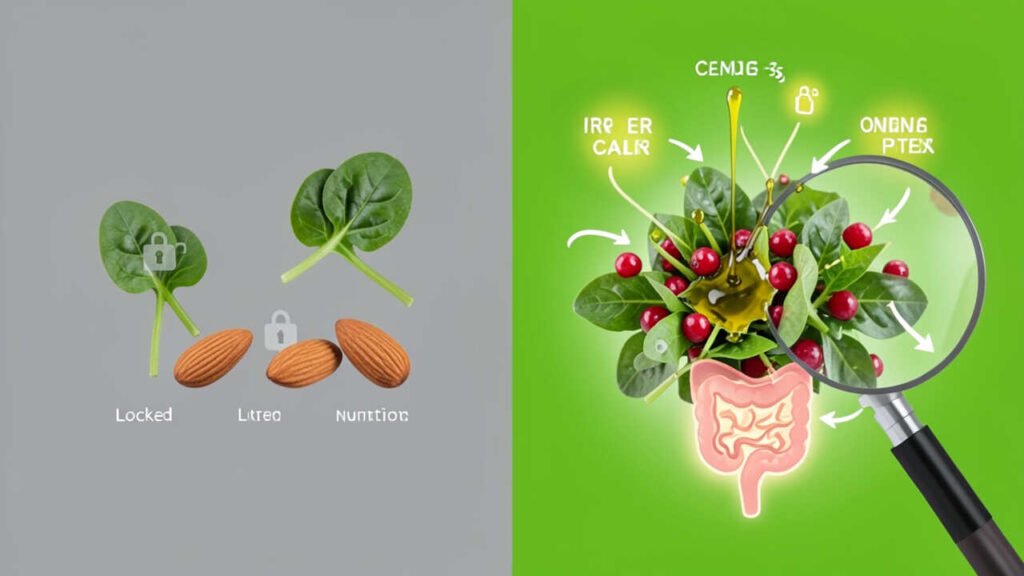
The absorption of dietary nutrients is significantly influenced by food synergies and antagonisms that occur during digestion. Specific pairings, such as vitamin C with plant-based iron, can enhance uptake through biochemical synergy, while other combinations, like calcium with iron, create competitive inhibition that reduces absorption. Understanding these interactions allows for strategic food combining to optimize nutrient bioavailability and improve overall dietary effectiveness.
Why can eating certain foods together change nutrient absorption? The answer lies in the complex biochemistry of digestion, where specific nutrients in one food can enhance or block the uptake of others. Understanding these interactions can significantly boost your dietary benefits.
This post breaks down the science behind food synergies and conflicts. You’ll learn which pairings maximize nutrient uptake and which combinations to avoid for better health outcomes.
Simply put, consuming foods with complementary nutrients (like iron with vitamin C) creates a synergistic effect that boosts absorption, while other pairings (like calcium with iron) can inhibit uptake. Strategic food combining is a powerful, free tool to optimize your nutrition.
Key Takeaways
- Nutrient absorption is not fixed; it’s heavily influenced by what other foods you eat at the same meal.
- Food combinations that enhance absorption typically involve pairing a nutrient with its “synergist,” like vitamin C with plant-based iron.
- Some food combinations cause “antinutrient” effects, where compounds like tannins or phytates block mineral absorption.
- Fat-soluble vitamins (A, D, E, K) require dietary fat for absorption, making a food combination with healthy fats essential.
- Simple preparation methods, like soaking beans or adding lemon to lentils, can dramatically change nutrient absorption outcomes.
How Does Your Body Absorb Nutrients?
Before understanding food combinations, you need a basic grasp of digestion. Nutrients are broken down in your stomach and small intestine, then transported into your bloodstream.
The process is highly selective. Your body uses specific transporters and chemical reactions to move nutrients across the gut wall. These mechanisms can be stimulated or blocked by other molecules present in your meal.
The Role of Stomach Acid and Enzymes
Your stomach’s acidic environment (pH 1.5-3.5) is crucial for breaking down protein and activating digestive enzymes. It also helps release minerals from food matrices.
- Pepsin: An enzyme that begins protein digestion, requiring a highly acidic environment.
- Intrinsic Factor: A protein that binds to vitamin B12, enabling its absorption later in the small intestine.
- HCl (Hydrochloric Acid): Helps separate minerals like iron and zinc from the food they’re bound to.
Small Intestine: The Main Absorption Site
Over 90% of nutrient absorption happens in the small intestine. Here, different segments have specialized functions:
- Duodenum: Primary site for iron, calcium, and water-soluble vitamin absorption.
- Jejunum: Absorbs most carbohydrates, proteins, and fats.
- Ileum: Specializes in vitamin B12 and bile salt reabsorption.
Warning: Consistently ignoring food combination principles can lead to nutrient deficiencies over time, even if your diet appears balanced on paper.
What Are Food Synergies and Antagonisms?
Food synergies occur when two or more nutrients work together to boost absorption or function. Antagonisms are the opposite, where one nutrient inhibits another.
These interactions are well-documented in nutritional science. For example, a 2019 study in the Journal of Food Science found that adding bell peppers to a bean salad increased non-heme iron absorption by over 300%.
How Synergies Work
Synergistic pairs often involve a nutrient that enhances the bioavailability of another. The mechanism usually involves one of three actions:
- Solubilization: Making a nutrient more soluble in the digestive tract.
- Transport Enhancement: Increasing the activity of absorption transporters.
- Protection: Shielding a nutrient from degradation or binding.
Common Antagonisms to Avoid
Antinutrients are compounds naturally present in some foods that can reduce mineral absorption. They are not harmful in moderation but can be problematic with poor food combining.
| Antinutrient | Found In | Inhibits | Solution |
|---|---|---|---|
| Phytates (Phytic Acid) | Whole grains, legumes, nuts | Iron, Zinc, Calcium | Soak, sprout, or ferment; pair with vitamin C |
| Tannins | Tea, coffee, red wine | Non-heme iron | Consume 1-2 hours away from iron-rich meals |
| Oxalates | Spinach, rhubarb, beets | Calcium | Pair calcium-rich foods with low-oxalate veggies |
How to Maximize Iron Absorption with Food Combos
Iron exists in two forms: heme (from animal products) and non-heme (from plants). The absorption of non-heme iron is particularly sensitive to food combinations.
Plant-based eaters need to pay special attention to pairings. Combining iron sources with enhancers and avoiding inhibitors at the same meal is key.
The Iron + Vitamin C Synergy
Vitamin C (ascorbic acid) is the most potent enhancer of non-heme iron absorption. It works by converting iron into a more soluble form and protecting it from inhibitors.
- Effective Pairings: Squeeze lemon on spinach salad, add bell peppers to lentil soup, have strawberries with fortified cereal.
- Optimal Dose: 50-100 mg of vitamin C can increase iron absorption by 2-3 times.
- Timing Matters: The effect is greatest when consumed in the same meal.
Iron Antagonists to Separate
Certain compounds bind to iron, forming insoluble complexes that pass through the digestive tract unabsorbed.
- Calcium: Competes with iron for the same absorption pathways. Separate calcium supplements or high-dairy meals from iron-rich foods.
- Polyphenols: Found in coffee, tea, and red wine. Limit to 1-2 cups daily and avoid with meals.
- Phytates: Naturally present in whole grains and legumes. Soaking and sprouting reduces phytate content by 30-70%.
Tip: Soak beans and lentils overnight, discard the water, and rinse well. This simple step can reduce phytate content significantly, making their iron and zinc more available.
What Food Combinations Enhance Fat-Soluble Vitamin Uptake?
Vitamins A, D, E, and K are fat-soluble, meaning they require dietary fat for absorption. Without fat, these vitamins can pass through your system largely unused.
This is why “fat-free” dressings with salad greens can undermine your vitamin K intake. Adding a healthy fat source makes a measurable difference.
Optimal Fat Sources for Absorption
You don’t need a lot of fat – just a small amount is sufficient to trigger bile release and fat absorption mechanisms.
| Vitamin | Best Food Sources | Ideal Fat Pairings |
|---|---|---|
| Vitamin A (Beta-carotene) | Sweet potatoes, carrots, kale | Olive oil, avocado, nuts |
| Vitamin D | Fatty fish, egg yolks, fortified milk | Naturally present in food sources |
| Vitamin E | Almonds, sunflower seeds, spinach | Pair with other fatty foods in meal |
| Vitamin K | Kale, broccoli, Brussels sprouts | Drizzle with olive oil or add avocado |
A study from Ohio State University found that adding 2-3 teaspoons of oil to salad vegetables increased carotenoid absorption by an average of 8 times. The type of oil mattered less than its presence.
Cooking Methods That Improve Absorption
Certain cooking techniques can break down cell walls and release fat-soluble vitamins more effectively.
- Sautéing: Cooking vegetables in a small amount of oil combines heat and fat for maximum benefit.
- Roasting: Particularly effective for carrots and tomatoes, increasing lycopene and beta-carotene availability.
- Puréing: Blending vegetables into soups or sauces with added fats enhances overall nutrient uptake.
How Do Protein Combinations Affect Nutrient Value?
Protein quality is determined by its amino acid profile. Combining different plant proteins can create a complete amino acid profile similar to animal protein.
This is the principle behind traditional dishes like rice and beans or hummus with pita. The proteins complement each other’s limiting amino acids.
Complete vs. Incomplete Proteins
Your body needs nine essential amino acids it cannot produce. Most animal proteins contain all nine in adequate amounts.
Many plant proteins are “incomplete,” meaning they are low in one or more essential amino acids. However, they can be combined strategically.
- Legumes + Grains: Beans are low in methionine, grains are low in lysine. Together they provide all essentials.
- Nuts/Seeds + Legumes: Another effective complementary combination.
- Modern Perspective: You don’t need to combine proteins at every meal; eating a variety throughout the day works equally well.
Protein Timing and Digestion
Protein-rich meals slow gastric emptying, which can affect the absorption rate of other nutrients.
- Delayed Carbohydrate Absorption: This can help stabilize blood sugar when combining protein with carbs.
- Mineral Competition: High-protein meals may increase mineral needs as amino acids can increase urinary calcium excretion.
- Practical Advice: Balance protein portions and ensure adequate mineral intake through diverse food sources.
What Role Does Gut Health Play in Nutrient Absorption?
Your gut microbiome – the trillions of bacteria living in your digestive tract – actively participates in nutrient extraction and synthesis.
A healthy microbiome can produce certain vitamins (like vitamin K and some B vitamins) and help break down compounds that would otherwise be indigestible.
Prebiotics: Feeding Your Gut Bacteria
Prebiotics are types of dietary fiber that feed beneficial gut bacteria. A healthy microbiome ecosystem enhances overall nutrient absorption.
- Best Sources: Garlic, onions, leeks, asparagus, bananas, oats.
- Key Benefit: Promotes growth of bacteria that produce short-chain fatty acids, which support colon health.
- Food Combination Tip: Pair prebiotic-rich foods with probiotic foods (yogurt, kefir) for synergy.
Probiotic Synergies
Probiotic foods contain live beneficial bacteria. Consuming them with prebiotic fibers creates a symbiotic relationship.
Important: If you have digestive issues like IBS or SIBO, consult a healthcare provider before significantly increasing prebiotic or probiotic intake, as it may worsen symptoms initially.
The gut lining itself requires specific nutrients to maintain its integrity. Nutrients like zinc, vitamin A, and omega-3 fatty acids help maintain the intestinal barrier that controls what gets absorbed into your bloodstream.
How Can You Apply Food Combination Principles Daily?
Applying these principles doesn’t require complex meal planning. Simple adjustments can make a significant difference over time.
Focus on the most impactful synergies first. The iron + vitamin C and fat + fat-soluble vitamin combinations offer the greatest return for minimal effort.
A Sample Optimized Day of Eating
This example shows how small changes can enhance nutrient absorption throughout the day.
- Breakfast: Oatmeal (iron) with strawberries (vitamin C) and a handful of almonds (fat for vitamin E).
- Lunch: Lentil salad (iron, zinc) with bell peppers (vitamin C) and olive oil dressing (fat for fat-soluble vitamins).
- Dinner: Salmon (vitamin D, protein) with roasted broccoli (vitamins A, C, K) and quinoa (complementary protein).
Common Mistakes to Avoid
Even well-intentioned eaters often make combination errors that undermine their efforts.
- Drinking tea or coffee with iron-rich meals: This is one of the most common and impactful mistakes.
- Using fat-free dressings on salads: This dramatically reduces vitamin K and carotenoid absorption.
- Relying solely on multivitamins: Supplements don’t replicate the complex interactions of whole food matrices.
- Overcooking vegetables: While some cooking helps, boiling vegetables can leach water-soluble vitamins into cooking water.
Are There Supplements That Mimic Food Synergies?
Some supplements are designed with nutrient absorption in mind. They often combine synergistic nutrients in a single capsule.
However, whole foods provide thousands of phytochemicals and fiber that supplements cannot replicate. Food should always be the foundation of nutrition.
Common Supplement Combinations
The supplement industry has adopted food synergy principles in product formulation.
- Iron + Vitamin C Supplements: Commonly paired in iron supplements to enhance absorption.
- Calcium + Vitamin D + Magnesium: Often combined for bone health support.
- Curcumin + Black Pepper Extract: Piperine increases curcumin absorption by up to 2,000%.
- CoQ10 with Fat: Should always be taken with a meal containing fat for absorption.
When Supplements Make Sense
For certain populations, targeted supplementation with attention to food combinations may be necessary.
- Vegetarians/Vegans: May benefit from combined B12, iron, and zinc supplements.
- Older Adults: Often need supplemental vitamin D and calcium with proper fat pairing.
- People with Limited Diets: Can use supplements to fill gaps, but should still focus on food combinations.
What Do Studies Say About Food Combinations?
Nutritional research increasingly focuses on food matrices and nutrient interactions rather than isolated nutrients.
A landmark 2017 study in The Journal of Nutrition developed a “food matrix” score that predicts nutrient bioavailability based on food combinations and preparation methods.
Key Research Findings
Recent studies provide concrete evidence for food combination benefits.
- Soy and Zinc: Research shows that phytates in soy can reduce zinc absorption by 35%, but fermentation (as in tempeh) reduces this effect.
- Citrus and Calcium: Some studies suggest citrus acids may enhance calcium absorption, contrary to previous beliefs about oxalates.
- Green Tea and Iron: Confirmed that consuming green tea between meals, rather than with them, minimizes its negative impact on iron absorption.
Future Directions in Nutrition Science
Scientists are moving toward personalized nutrition based on individual microbiome composition and genetics.
What works for one person may not work for another due to genetic variations in nutrient metabolism and gut bacteria populations. However, the basic synergy principles apply broadly.
| Principle | Strength of Evidence | Practical Impact |
|---|---|---|
| Vitamin C + Non-heme Iron | Very Strong | High – Can increase absorption 2-6x |
| Fat + Fat-soluble Vitamins | Very Strong | High – Essential for vitamin utilization |
| Phytates + Minerals | Strong | Moderate – Mitigable through preparation |
| Prebiotic/Probiotic Synergy | Moderate-Strong | Moderate – Supports gut and nutrient synthesis |
Frequently Asked Questions
Can food combinations really make that much difference?
Absolutely. Scientific studies show that strategic food combinations can increase nutrient absorption by 2 to 6 times in some cases. The impact is most significant for minerals like iron and zinc, and for fat-soluble vitamins.
These differences accumulate over time, affecting your nutritional status.
Should I completely avoid tea or coffee with meals?
You don’t need to eliminate them, but timing helps. Consuming tea or coffee between meals rather than with iron-rich foods minimizes their impact. If you drink them with meals, wait at least 1-2 hours before eating foods rich in plant-based iron to allow the tannins to clear your system.
Does cooking method affect food combinations?
Yes, significantly. Boiling vegetables can leach water-soluble vitamins into cooking water, which you then discard. Steaming, roasting, or sautéing preserves more nutrients.
Combining cooking methods with strategic pairings (like adding lemon juice after cooking) gives the best results.
Are some food combination myths actually false?
Yes. The idea that certain classic food combinations (like tomatoes and basil) are nutritionally synergistic isn’t strongly supported by evidence. However, other traditional pairings like rice and beans do have proven complementary amino acid profiles.
Always look for evidence behind claims.
How do I remember all these food combination rules?
Focus on the biggest impacts first: always add vitamin C to plant iron sources, use small amounts of fat with vegetables, and separate tea/coffee from iron-rich meals. Once these become habit, you can learn more nuanced interactions. Creating a few “go-to” meals that follow these principles simplifies daily eating.
Final Thoughts
Food combinations are a powerful, free tool to optimize your nutrition without changing what you eat, just how you combine it. The science clearly shows that strategic pairings can dramatically affect nutrient absorption.
Start with the high-impact changes: add lemon to lentils, drizzle olive oil on salads, and time your coffee away from iron-rich foods. These small adjustments can lead to significant improvements in your nutritional status over time.