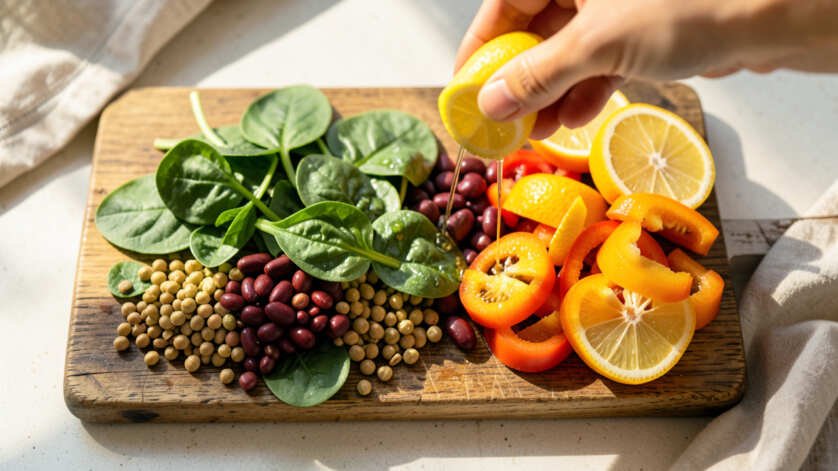
Vitamin C boosts non-heme iron absorption by chemically reducing ferric iron (Fe³⁺) to ferrous iron (Fe²⁺), which is more soluble and easier for the body to absorb. This process can increase iron uptake by up to six times, making it essential for individuals with increased iron needs, such as those on plant-based diets. Consuming vitamin C-rich foods like oranges, strawberries, or bell peppers alongside iron-rich foods like lentils, spinach, or fortified cereals enhances absorption and helps prevent iron deficiency.
Vitamin C increase absorption of non-heme iron is a key nutritional fact that can make a significant difference in preventing iron deficiency. Understanding this powerful interaction helps you get the most iron from your plant-based foods and supplements. This guide explains the science, shows you practical ways to apply it, and covers what you need to know to optimize your diet.
Simply put, vitamin C (ascorbic acid) chemically reduces non-heme iron into a form that is much easier for your small intestine to absorb. It also helps keep iron soluble, preventing it from binding to inhibitors like phytates. This can increase iron uptake by up to six times.
Key Takeaways
- Non-heme iron is the form of iron found in plant foods, eggs, and dairy, and it is less readily absorbed than heme iron from meat.
- How does vitamin C increase absorption of non-heme iron? It reduces ferric iron (Fe³⁺) to ferrous iron (Fe²⁺) and prevents inhibitors from blocking uptake.
- You can enhance your iron intake by simply pairing iron-rich foods with vitamin C sources in the same meal.
- The effect is dose-dependent; a moderate amount of vitamin C (around 100mg) is sufficient to maximize absorption.
- This synergy is crucial for vegetarians, vegans, and individuals with iron deficiency anemia.
What is Non-Heme Iron and Why is it Harder to Absorb?
Iron in your diet comes in two primary forms: heme and non-heme. Heme iron is found in animal-based foods like red meat, poultry, and fish. It is highly bioavailable, meaning your body absorbs a significant portion (about 15-35%) of what you eat.
Non-heme iron is found in plant-based foods such as leafy greens, beans, lentils, and fortified cereals, as well as in eggs and dairy. The absorption rate for non-heme iron is much lower, typically between 2% and 20%. This lower efficiency is due to its chemical state and the presence of absorption inhibitors in many plant foods.
| Characteristic | Heme Iron | Non-Heme Iron |
|---|---|---|
| Food Source | Meat, poultry, fish | Plants, eggs, dairy, fortified foods |
| Absorption Rate | High (15-35%) | Low (2-20%) |
| Effect of Inhibitors | Minimal impact | Strongly reduced by phytates, tannins, calcium |
This difference means that individuals relying heavily on plant-based diets must be strategic about iron intake. The good news is that you can significantly boost non-heme iron absorption with a simple dietary hack.
How Does Vitamin C Chemically Increase Iron Absorption?
The magic happens through a redox reaction. Non-heme iron in food is typically present as ferric iron (Fe³⁺), which is insoluble and difficult for your body to absorb in the duodenum. Vitamin C, a potent reducing agent, converts this ferric iron (Fe³⁺) into the ferrous form (Fe²⁺).
Ferrous iron is soluble and readily taken up by the intestinal cells.
Furthermore, vitamin C acts as a chelator. It binds to the iron, forming a soluble complex that protects the iron from interacting with absorption inhibitors like phytates (found in grains and legumes) and polyphenols/tannins (found in tea, coffee, and wine). This keeps the iron in an absorbable state until it reaches your intestinal lining.
Tip: The enhancing effect of vitamin C is immediate and works best when both the vitamin C source and the iron-rich food are consumed together in the same meal.
What Foods Provide Non-Heme Iron and Vitamin C?
To put this synergy into practice, you first need to know which foods are rich in each nutrient. Pairing the right foods is simple once you know what to look for. Here are excellent sources of both.
- High Non-Heme Iron Foods:
- Legumes: Lentils, chickpeas, white beans, kidney beans
- Vegetables: Spinach, kale, Swiss chard, peas
- Nuts & Seeds: Pumpkin seeds, sesame seeds, cashews
- Grains: Fortified cereals, oatmeal, quinoa
- Other: Tofu, tempeh, dark chocolate, eggs
- High Vitamin C Foods:
- Fruits: Citrus (oranges, lemons, grapefruit), kiwi, strawberries, papaya, mango
- Vegetables: Bell peppers (especially red), broccoli, tomatoes, Brussels sprouts, cauliflower
- Herbs & Juices: Fresh parsley, tomato juice, vegetable juice blends
Practical Meal Pairings for Maximum Absorption
Creating iron-absorbing meals is about combining items from both lists. The goal is to include a visible vitamin C source with your iron-rich dish. Consider these easy meal ideas:
- Breakfast: Fortified oatmeal topped with sliced strawberries and a sprinkle of pumpkin seeds.
- Lunch: A spinach salad with chickpeas, bell pepper slices, and a lemon-based vinaigrette.
- Dinner: Lentil soup served with a side of steamed broccoli and a squeeze of fresh lemon juice.
- Snack: Hummus (from chickpeas) with red bell pepper strips for dipping.
- Smoothie: Blend spinach, kiwi, orange juice, and a handful of cashews for an iron and vitamin C powerhouse.
Why is This Synergy So Important for Specific Groups?
While beneficial for everyone, this food pairing is especially critical for certain populations who are at higher risk for iron deficiency. Their daily iron needs are greater, or their intake of heme iron is limited.
For instance, the National Institutes of Health reports that iron deficiency is the most common nutritional deficiency worldwide. Groups who must pay close attention to this interaction include:
- Vegetarians and Vegans: With no heme iron intake, relying solely on non-heme sources makes the vitamin C boost essential.
- Pregnant Women: Iron demands increase dramatically to support fetal growth and expanded blood volume. The Recommended Dietary Allowance (RDA) nearly doubles.
- Adolescents in Growth Spurts: Rapid development requires more iron for increased blood supply and muscle mass.
- Endurance Athletes: Particularly runners, who experience iron loss through sweat and a condition called foot-strike hemolysis.
- Individuals with GI Conditions: People with inflammatory bowel disease (IBD) or celiac disease may have impaired iron absorption.
Important: According to the World Health Organization (WHO), iron deficiency anemia affects approximately 1.6 billion people globally, with pregnant women and young children at the greatest risk. Simple dietary strategies can have a major public health impact.
Common Mistakes That Reduce Vitamin C and Iron Benefits
Even with the best intentions, some habits can undermine this important nutrient interaction. Avoiding these common pitfalls ensures you get the full benefit from your iron-rich meals.
- Consuming Tea or Coffee with Meals: The tannins and polyphenols in these beverages can bind to non-heme iron and reduce absorption by up to 60%. It’s best to wait at least one hour before or after a meal to drink them.
- Separating Vitamin C and Iron Sources: Eating your orange as a snack two hours after your bean stew won’t have the same effect. The nutrients need to be in the gut at the same time.
- Overcooking Vegetables: Vitamin C is sensitive to heat and light. Prolonged cooking can degrade its content. Use quick cooking methods like steaming or stir-frying to preserve more vitamin C.
- Relying on Calcium Supplements with Meals: Calcium can inhibit both heme and non-heme iron absorption. If you take a calcium supplement, it’s wise to take it between meals or at bedtime, not with your iron-rich food.
- Ignoring Portion Sizes: A tiny squeeze of lemon might not provide enough vitamin C to make a significant difference. Aim for at least 25-100mg of vitamin C per meal to maximize the effect.
How Much Vitamin C Do You Need to Maximize Iron Absorption?
The enhancing effect is dose-dependent, but you don’t need megadoses. Research indicates that a moderate amount of vitamin C is highly effective. The precise amount depends on the iron content of your meal.
A general guideline is to aim for a vitamin C intake that is roughly equal to or double the iron content in milligrams for optimal absorption. For most meals, providing between 50mg and 200mg of vitamin C is sufficient to produce a significant boost.
| Vitamin C Amount (mg) | Approximate Food Equivalent | Effect on Iron Absorption |
|---|---|---|
| 25 mg | 1 small orange, ½ cup strawberries | Moderate increase (2-3x) |
| 100 mg | 1 large orange, 1 cup broccoli, 2 kiwis | Significant increase (up to 6x) |
| 200 mg | 1 cup red bell pepper, 2 cups kiwi | Maximum absorption plateau |
As the table shows, you reach a point of diminishing returns. Consuming more than 200mg of vitamin C with a meal does not provide a substantially greater benefit. It’s more effective to distribute your vitamin C intake across multiple meals throughout the day.
Can Supplements Replicate This Food-Based Synergy?
Many iron supplements include vitamin C (ascorbic acid) in their formulation for this exact reason. Combining them can be effective, especially for individuals with diagnosed deficiency who need therapeutic doses. However, the food-matrix effect offers additional benefits.
Whole food sources of vitamin C provide a package of bioactive compounds like flavonoids that may further support absorption and overall health. Furthermore, getting your nutrients from food reduces the risk of gastrointestinal side effects that can sometimes occur with iron supplements.
Warning: Do not take high-dose iron supplements without medical advice. Excess iron can be harmful and cause symptoms like constipation, nausea, and, in severe cases, organ damage. A doctor can confirm if you need supplementation via a blood test (serum ferritin).
If you do take an iron supplement, following it with a small glass of orange juice or taking it with a vitamin C tablet can help improve its absorption and reduce stomach upset. Always follow the dosage instructions on the supplement label or your doctor’s prescription.
Frequently Asked Questions
Does cooking destroy the vitamin C that helps with iron absorption?
Yes, heat can degrade vitamin C. However, some cooking methods retain more than others. Steaming, microwaving, and stir-frying are better than boiling.
To maximize benefits, you can add a fresh source of vitamin C, like a squeeze of lemon juice or chopped raw bell peppers, to the dish just before serving.
Is there a downside to consuming a lot of vitamin C with iron?
For most people, vitamin C is safe even at higher doses. However, extremely high intakes (over 2,000 mg per day from supplements) may cause digestive discomfort, such as diarrhea or stomach cramps. Getting vitamin C from food sources rarely causes any issues.
What about heme iron? Does vitamin C help it too?
The effect of vitamin C is primarily on non-heme iron. Heme iron, being already highly soluble and absorbable, is not significantly affected by the presence of vitamin C or most dietary inhibitors. The key synergy is for plant-based and fortified food iron.
How long should I wait between eating iron-rich food and drinking tea or coffee?
To avoid interference from tannins, it is recommended to wait at least one to two hours before or after an iron-rich meal before consuming tea, coffee, or red wine. Drinking these beverages between meals is the best strategy.
Can I take a vitamin C supplement instead of eating fruits or vegetables?
While a supplement will provide the chemical boost for iron absorption, it misses out on the fiber, phytochemicals, and other nutrients found in whole foods. It is always preferable to get your vitamins from a varied diet. A supplement can be a helpful backup if you struggle to include enough produce.
Final Thoughts
Understanding how vitamin C increase absorption of non-heme iron is a simple yet powerful tool for improving your nutritional health. By consciously pairing iron-rich plant foods with a source of vitamin C at each meal, you can significantly boost the amount of iron your body actually uses. This strategy is especially vital for those following a plant-based diet or at higher risk for deficiency. Focus on including colorful fruits and vegetables alongside your beans, lentils, and greens, and you’ll be supporting your body’s iron needs effectively.