
Grain refining is a mechanical process that removes the outer bran and inner germ from a whole grain kernel, leaving only the starchy endosperm. This substantially reduces the grain’s fiber, vitamin, and mineral content, though some nutrients are often added back through enrichment. The result is a less nutritious product, making whole grains the superior choice for dietary fiber and essential nutrients.
Grain refining is one of the most significant food processing methods in the modern diet, yet most people never think about what happens to a grain kernel between the farm and their plate. The refining process strips away key parts of the grain, fundamentally altering its nutritional profile, texture, and shelf life. Understanding how this transformation works matters because refined grains make up a huge portion of daily calorie intake worldwide.
This post breaks down exactly how refining changes grains, what nutrients get lost, why enrichment exists, and how whole grains compare nutritionally. You will walk away knowing what to look for on labels and why it matters for your health.
Simply put, grain refining removes the bran and germ from the grain kernel, stripping away fiber, vitamins, minerals, and healthy fats. What remains is mostly starchy endosperm, which provides calories but far fewer nutrients compared to the whole grain.
Key Takeaways
- Grain refining removes the bran and germ, leaving only the starchy endosperm behind.
- The process eliminates up to 80% of a grain’s natural fiber and significant amounts of B vitamins and minerals.
- Enrichment adds back only a handful of the lost nutrients, not the full spectrum.
- Whole grains retain all three parts of the kernel and deliver substantially more nutrition per serving.
- Refined grains have a higher glycemic index, which can affect blood sugar levels more rapidly.
What Is Grain Refining and Why Does It Happen?
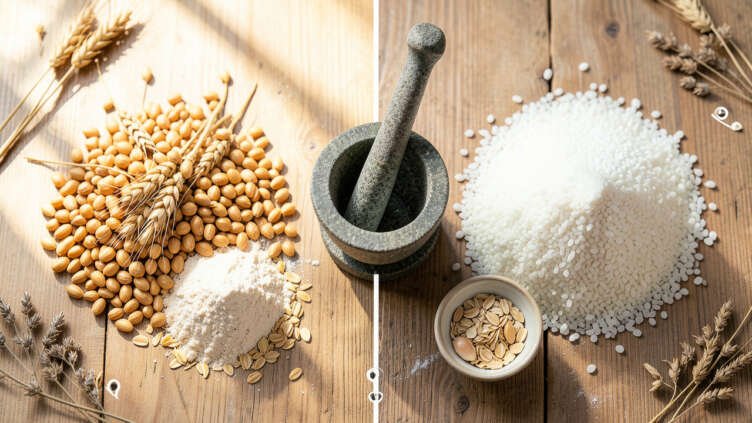
Grain refining is the mechanical process of removing the outer layers of a grain kernel to produce a smoother, lighter, and longer-lasting product. It applies to wheat, rice, corn, and other cereal grains used in everyday foods like bread, pasta, cereal, and white rice.
The grain kernel has three main parts: the bran (outer layer), the germ (embryo), and the endosperm (starchy interior). Refining strips away the bran and germ intentionally. Manufacturers and consumers have favored refined grains for decades because they taste milder, have a softer texture, and stay fresh longer on store shelves.
There are several reasons refining became so widespread:
- Extended shelf life – Removing the germ eliminates the oils that cause grains to go rancid over time.
- Milder flavor – The bran and germ have stronger, nuttier flavors that not everyone enjoys.
- Soft texture – Refined flour produces lighter baked goods and smoother pasta.
- Uniform appearance – White flour and white rice look consistent, which appeals to consumers.
- Faster cooking – Stripped grains absorb water more quickly and cook in less time.
- Commercial demand – Food manufacturers need consistent ingredients with predictable behavior in recipes.
According to the American Heart Association, roughly 85% of the grains consumed in the typical American diet are refined rather than whole. That statistic highlights just how dominant refining has become in food production.
How Does the Grain Refining Process Work Step by Step?
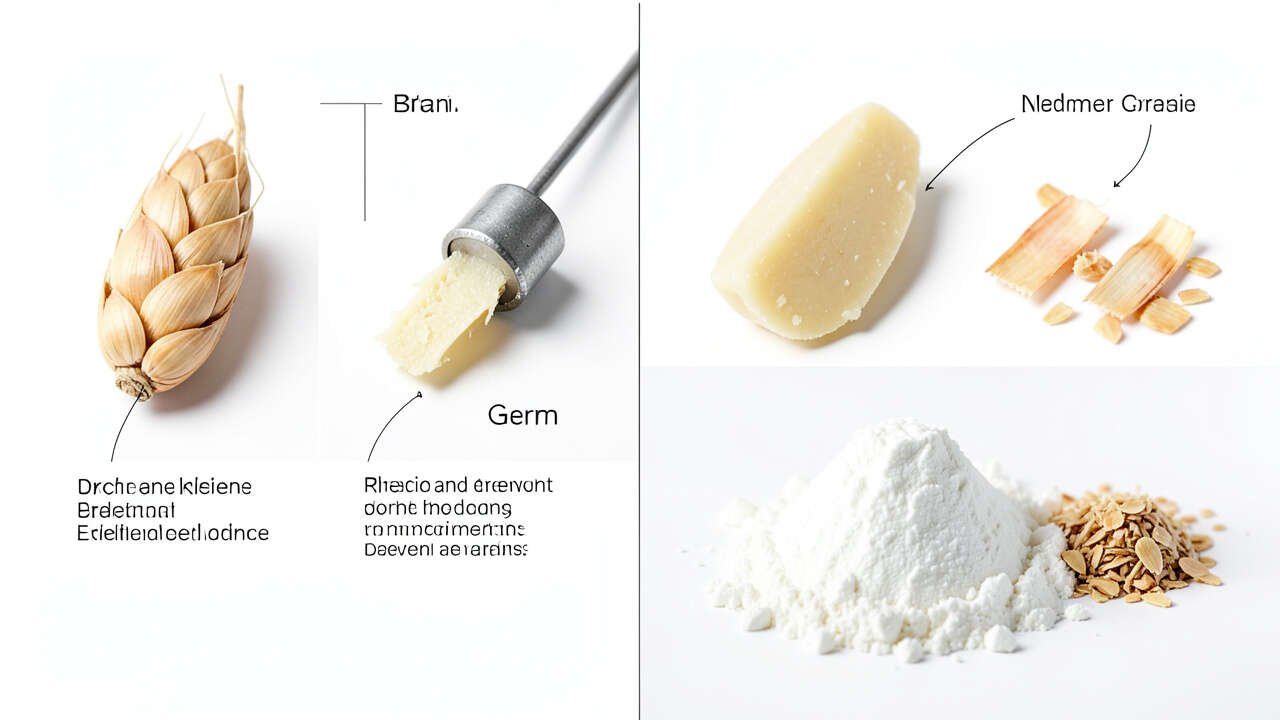
The refining process follows a series of mechanical steps designed to separate the grain components efficiently. While specific machinery varies, the general workflow remains consistent across different types of grain.
Here is a step-by-step breakdown of how commercial grain refining typically works:
- Cleaning – Raw grain is inspected and cleaned to remove debris, stones, and damaged kernels.
- Tempering – Grain is moistened to toughen the bran layer and soften the endosperm, making separation easier.
- Dehulling – The outermost husk or hull is removed in the first pass through the mill.
- Scouring – Additional friction removes remaining bran fragments from the kernel surface.
- Break rolling – Grooved steel rollers crack the kernel open, separating bran from endosperm.
- Sifting – Screens separate the bran and germ particles from the endosperm pieces.
- Purification – Air currents and further sifting refine the endosperm into progressively finer particles.
- Reduction milling – Smooth rollers grind the endosperm into the fine flour you see in stores.
- Bleaching and maturing – Chemical agents may be used to whiten flour and improve baking performance.
Important: For white rice, the process is slightly different. Parboiling (steeping in hot water before milling) can help some nutrients migrate into the endosperm before the bran is removed, which is why parboiled rice retains slightly more nutrition than regular white rice.
The entire process is designed for speed and yield. Modern mills can process thousands of bushels per hour, turning whole grain kernels into refined flour in a matter of minutes.
What Nutrients Are Lost During Grain Refining?
The most significant consequence of refining is the massive loss of naturally occurring nutrients. The bran and germ together contain the vast majority of a grain’s micronutrients, fiber, and beneficial plant compounds. When those parts are removed, what remains is essentially a concentrated source of starch and calories with very little nutritional diversity.
The table below shows a comparison of key nutrients in whole wheat versus refined white flour per 100 grams:
| Nutrient | Whole Wheat Flour | Refined White Flour | Percent Lost |
|---|---|---|---|
| Dietary Fiber | 12.2 g | 2.7 g | ~78% |
| Thiamine (B1) | 0.50 mg | 0.06 mg | ~88% |
| Niacin (B3) | 4.96 mg | 1.25 mg | ~75% |
| Iron | 3.6 mg | 1.2 mg | ~67% |
| Magnesium | 138 mg | 22 mg | ~84% |
| Zinc | 2.6 mg | 0.7 mg | ~73% |
| Vitamin E | 1.01 mg | 0.06 mg | ~94% |
| Phosphorus | 357 mg | 108 mg | ~70% |
As you can see, the losses are dramatic across the board. Fiber takes the biggest hit at nearly 78% loss, but vitamins and minerals are not far behind. The USDA reports that refining can strip away between 60% and 90% of a grain’s original micronutrient content depending on the specific nutrient.
How Does Refining Change the Fiber Content of Grains?
Fiber is one of the most important nutrients affected by grain refining. The bran layer, which gets completely removed during processing, is where the majority of a grain’s insoluble fiber resides. This type of fiber plays a critical role in digestive health, satiety, and blood sugar regulation.
When you remove the bran from wheat, for example, you lose roughly 80% of the total dietary fiber. The endosperm that remains contains only a small amount of residual fiber. This is why products made with refined flour tend to cause faster spikes in blood sugar compared to their whole grain counterparts.
Here is why this fiber loss matters in practical terms:
- Slower digestion – Fiber slows down the breakdown of starches, leading to more gradual blood sugar rises.
- Increased fullness – Fiber-rich foods keep you feeling satisfied longer, reducing the urge to overeat.
- Gut health support – Dietary fiber feeds beneficial bacteria in your microbiome, supporting immune function.
- Cholesterol management – Soluble fiber binds to cholesterol in the digestive tract and helps remove it from the body.
- Bowel regularity – Insoluble fiber adds bulk to stool and keeps digestion moving smoothly.
The World Health Organization recommends a minimum of 25 grams of dietary fiber per day for adults. Choosing whole grains over refined grains is one of the simplest ways to meet that target. A single cup of cooked brown rice provides about 3.5 grams of fiber, while the same serving of white rice delivers less than 1 gram.
Warning: Labels that say “multigrain” or “made with whole grains” do not always mean the product is truly whole grain. Always check the first ingredient in the list. If it starts with “whole wheat” or “whole grain,” you are getting a genuine whole grain product.
What Happens to Vitamins and Minerals When Grains Are Refined?
Beyond fiber, refining significantly reduces the vitamin and mineral density of grains. The bran and germ are rich in B vitamins like thiamine, riboflavin, niacin, and folate, along with essential minerals such as iron, magnesium, zinc, and phosphorus. Removing these layers strips the grain of its natural micronutrient package.
The vitamins most affected by the refining process include:
- Thiamine (B1) – Essential for energy metabolism and nerve function. Lost at rates up to 88% during refining.
- Riboflavin (B2) – Supports cellular energy production and skin health. Significantly reduced in refined products.
- Niacin (B3) – Critical for DNA repair and digestive system health. Around 75% is removed during processing.
- Folate (B9) – Important for cell division and especially vital during pregnancy. Naturally present in the germ layer.
- Vitamin E – A powerful antioxidant found almost exclusively in the germ. Over 90% is lost in refining.
- Iron – Necessary for oxygen transport in blood. Approximately two-thirds is stripped away.
- Magnesium – Involved in over 300 enzymatic reactions in the body. More than 80% is removed.
- Zinc – Supports immune function and wound healing. About 73% is lost during refining.
The loss of these nutrients is not just an abstract number. According to the Centers for Disease Control and Prevention, nutrient deficiencies remain a public health concern in the United States, and overconsumption of refined grains contributes to inadequate intake of several key micronutrients. The refining process essentially converts a nutrient-dense food into a calorie-dense one.
The germ alone contains a significant portion of the grain’s total vitamin E, B vitamins, and essential fatty acids. When it is discarded along with the bran, the endosperm left behind provides energy but very little in the way of the micronutrients your body needs to function properly.
Why Are Refined Grains Enriched and What Does That Mean?
Enrichment is the practice of adding back specific nutrients that were lost during the refining process. In many countries, including the United States, laws require that certain refined grain products be enriched with iron and four B vitamins: thiamine, riboflavin, niacin, and folic acid. This policy was introduced in the 1940s to combat widespread nutrient deficiencies.
While enrichment sounds like a complete solution, it only addresses a fraction of what is lost. Here is a clear breakdown of the difference between enrichment and the original nutrient content:
| Aspect | Whole Grain | Refined (Unenriched) | Refined (Enriched) |
|---|---|---|---|
| Fiber | Full amount | Severely reduced | Still reduced (not added back) |
| B Vitamins | Full natural spectrum | Mostly gone | 4 B vitamins added back |
| Iron | Full amount | Mostly gone | Added back |
| Magnesium | Full amount | Severely reduced | Not added back |
| Zinc | Full amount | Severely reduced | Not added back |
| Vitamin E | Full amount | Nearly gone | Not added back |
| Phytochemicals | Present | Gone | Not added back |
Enrichment replaced only five of the dozens of nutrients naturally found in whole grains. Fiber, magnesium, zinc, vitamin E, and hundreds of beneficial phytochemicals are never restored. The fortification of flour with folic acid did successfully reduce rates of neural tube defects in newborns, which is a genuine public health achievement.
However, enrichment does not make refined grains nutritionally equal to whole grains.
How Do Refined Grains Compare to Whole Grains Nutritionally?
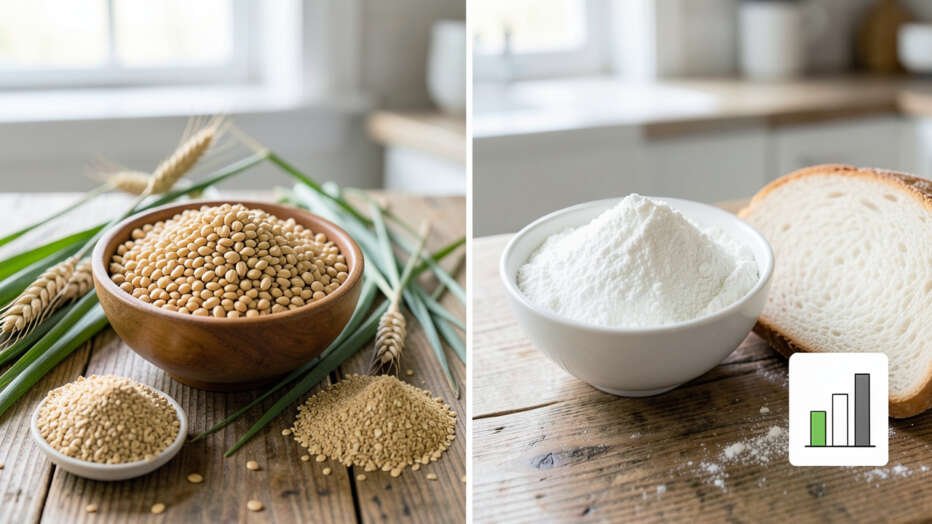
The nutritional gap between refined and whole grains is substantial. Whole grains retain all three parts of the kernel, which means they deliver the complete package of fiber, vitamins, minerals, antioxidants, and healthy fats. Refined grains provide mostly starch with a significantly reduced micronutrient profile.
Several large-scale studies have compared health outcomes between people who eat primarily whole grains versus those who eat mostly refined grains. The results consistently favor whole grain consumption:
- A meta-analysis published in the BMJ found that eating three servings of whole grains daily was associated with a 20% reduction in type 2 diabetes risk.
- Research from the Harvard School of Public Health linked regular whole grain intake to a 15% lower risk of cardiovascular disease.
- A study in the American Journal of Clinical Nutrition showed that replacing refined grains with whole grains increased calorie burning during digestion by approximately 10%.
- The Whole Grains Council reports that people who eat whole grains regularly tend to have lower body mass indexes than those who consume primarily refined grains.
Beyond individual nutrients, whole grains contain phytochemicals like lignans, phenolic acids, and alkylresorcinols that have antioxidant and anti-inflammatory properties. These compounds are completely absent from refined grain products because they exist primarily in the bran and germ layers that get discarded.
Tip: When shopping, look for the Whole Grain Stamp on packaging. This label, managed by the Whole Grains Council, verifies that a product contains genuine whole grain ingredients in meaningful amounts.
What Are the Health Effects of Eating Too Many Refined Grains?
Consuming high amounts of refined grains has been linked to several negative health outcomes. Because refined grains digest quickly and raise blood sugar rapidly, they place extra strain on the body’s insulin response system. Over time, this can contribute to metabolic issues and chronic disease risk.
The primary health concerns associated with excessive refined grain intake include:
- Weight gain – Refined grains are less filling than whole grains, which can lead to overeating and gradual weight gain over time.
- Type 2 diabetes risk – Frequent blood sugar spikes from refined grains can contribute to insulin resistance, a precursor to diabetes.
- Heart disease – Diets high in refined grains have been associated with increased levels of triglycerides and inflammation markers.
- Poor digestive health – Low fiber intake from refined grains can cause constipation and negatively impact gut microbiome diversity.
- Nutrient gaps – Relying on refined grains can displace more nutritious foods, leading to inadequate intake of vitamins and minerals.
The glycemic index illustrates this problem clearly. Refined white bread has a glycemic index of around 75, while whole wheat bread scores closer to 50. That difference means refined bread causes a much faster and larger spike in blood glucose, followed by a crash that can leave you feeling hungry again sooner.
That said, not all refined grain products are equally problematic. Pairing refined grains with protein, healthy fats, or fiber-rich foods can slow digestion and reduce the blood sugar impact. But relying solely on refined grains without balancing your diet is where the real health concerns arise.
How Can You Make Smarter Choices About Grain Consumption?
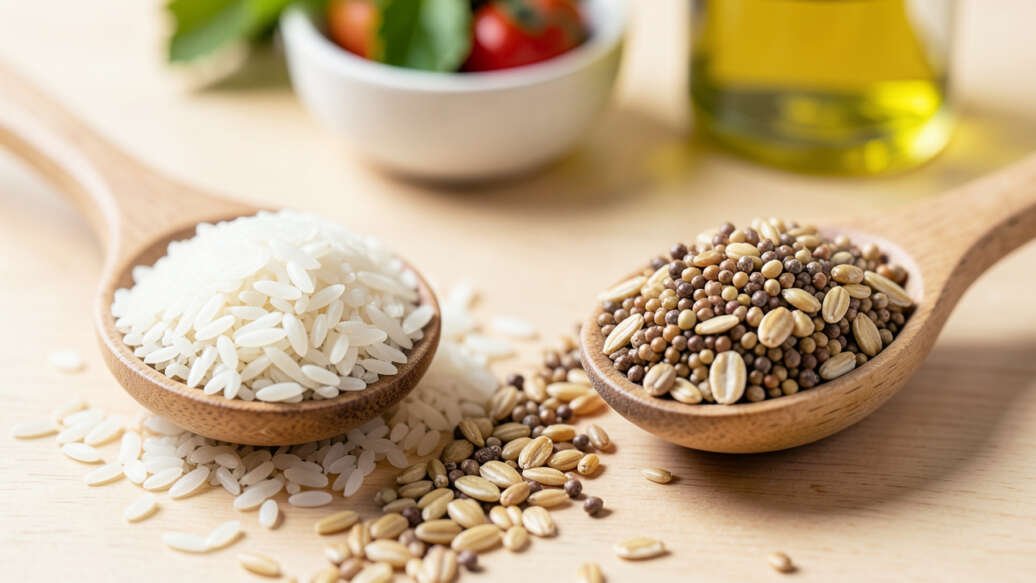
Making better grain choices does not require eliminating refined grains entirely. A balanced approach focuses on gradually shifting your intake toward whole grains while still enjoying the refined products you love in moderation. Small, consistent changes add up to meaningful improvements in your overall nutrient intake.
Here are practical strategies for increasing whole grain consumption:
- Read ingredient lists – Look for “whole wheat,” “whole oats,” or “whole grain” as the first ingredient on bread, pasta, and cereal labels.
- Try alternative grains – Experiment with quinoa, farro, bulgur, barley, or wild rice as side dishes and salad bases.
- Blend your flours – When baking, replace half the white flour with whole wheat flour. Most recipes work well with this substitution.
- Choose brown rice – Swap white rice for brown rice in stir-fries, bowls, and casseroles. The nutty flavor pairs well with many cuisines.
- Start with breakfast – Switch from sugary refined cereals to oatmeal, whole grain toast, or granola made with whole oats.
- Check serving sizes – Even whole grains should be eaten in appropriate portions as part of a balanced diet.
- Explore ethnic cuisines – Many traditional dishes from Indian, Mediterranean, and Middle Eastern cultures naturally feature whole grains and legumes.
The Dietary Guidelines for Americans recommend that at least half of all grains consumed should be whole grains. Currently, the average American eats fewer than one serving of whole grains per day, falling well short of that recommendation.
Important: Transitioning to whole grains too quickly if your diet has been heavy on refined products can cause temporary digestive discomfort like bloating or gas. Increase your fiber intake gradually and drink plenty of water to help your system adjust.
Frequently Asked Questions
Does cooking affect the nutrients lost during grain refining?
Cooking does not restore the nutrients removed during refining. Heat can reduce some heat-sensitive vitamins in any grain, whether whole or refined. However, cooking whole grains still leaves you with far more nutrition than eating refined grains because the original nutrient content was much higher to begin with.
Is enriched flour as healthy as whole grain flour?
No. Enriched flour only has five nutrients added back out of the dozens removed during refining. It still lacks fiber, magnesium, zinc, vitamin E, and various phytochemicals.
Whole grain flour retains the complete nutritional profile of the original grain kernel.
What is the difference between refined grains and processed grains?
All refined grains are processed, but not all processed grains are refined. Processing includes any mechanical alteration to the grain, such as rolling oats or grinding whole wheat into flour. Refining specifically refers to removing the bran and germ, which strips away nutrients and fiber.
Can children benefit from eating more whole grains instead of refined grains?
Yes. Children benefit from the additional fiber, vitamins, and minerals found in whole grains. Introducing whole grain options early helps establish healthy eating habits.
Start by mixing whole grain pasta with regular pasta or offering whole grain crackers and bread as snacks.
Are there any refined grains that are healthier choices?
Some refined grains retain more nutrients than others. Enriched pasta, for example, has a lower glycemic index than white bread because the starch structure is different. Parboiled white rice also retains more nutrients than regular white rice due to the steaming step in its processing.
Final Thoughts
Understanding how refining changes grains helps you make more informed choices at the grocery store and in your kitchen. The process removes the bran and germ, stripping away fiber, vitamins, minerals, and beneficial plant compounds while leaving behind mostly starch. Enrichment adds back only a fraction of what is lost.
Shifting toward whole grains is one of the most impactful dietary changes you can make. Start small, read labels carefully, and gradually introduce more whole grain options into your meals. Your body will benefit from the extra nutrients and fiber in ways that refined grains simply cannot match.