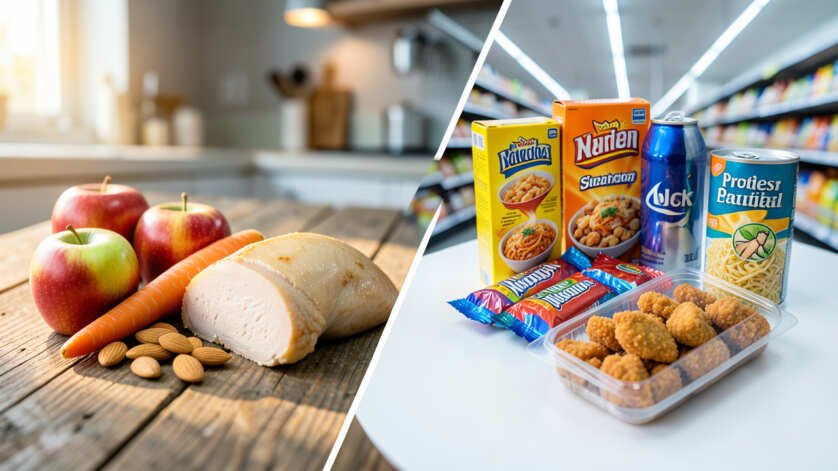
Ultra-processed foods are industrial formulations defined by the NOVA classification system as products made primarily from extracted substances with added additives. They contain ingredients not typically used in home cooking, such as hydrogenated oils, high-fructose corn syrup, emulsifiers, and artificial colors, which make them hyper-palatable. A key takeaway is that this processing often strips nutrients and fiber, making these products nutritionally poor and linked to adverse health outcomes.
Ultra-processed food has become a major focus in nutrition science and public health discussions. Understanding what defines these foods and how they are categorized is key to making informed dietary choices. This guide breaks down the classification system and explains why these products dominate modern grocery shelves.
Simply put, ultra-processed foods are industrial formulations made mostly from substances extracted from foods (oils, fats, sugar, starch, proteins) with little or no intact food. They contain additives like preservatives, sweeteners, colorings, and flavor enhancers and are designed to be hyper-palatable and convenient.
Key Takeaways
- Ultra-processed food is not just “processed food” but a specific category defined by the NOVA classification system.
- These products are characterized by industrial ingredients, additives, and processes that remove the nutritional value of the original food.
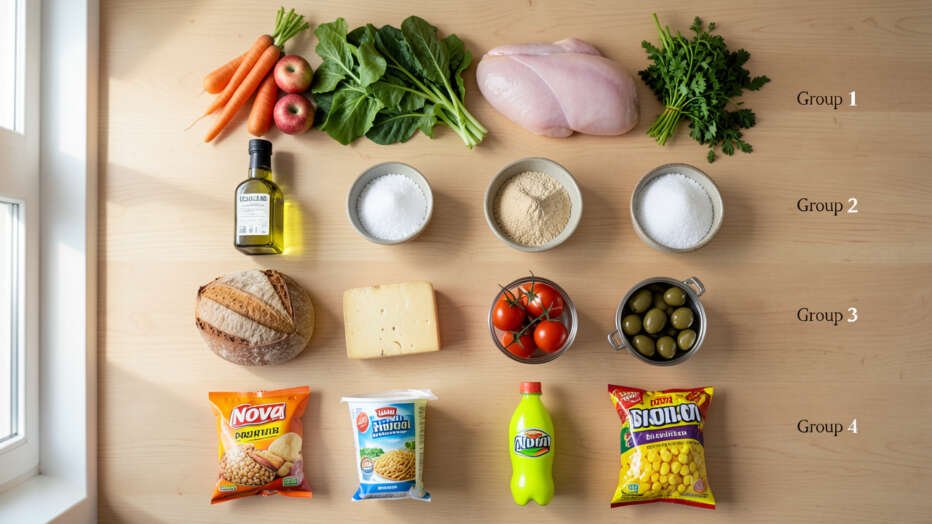
- The NOVA system classifies all foods into four groups: Unprocessed, Processed Culinary Ingredients, Processed Foods, and Ultra-Processed Foods.
- Common examples include soft drinks, packaged snacks, reconstituted meat products, and instant noodles.
- Reducing ultra-processed food intake is widely recommended by health organizations for better long-term health.
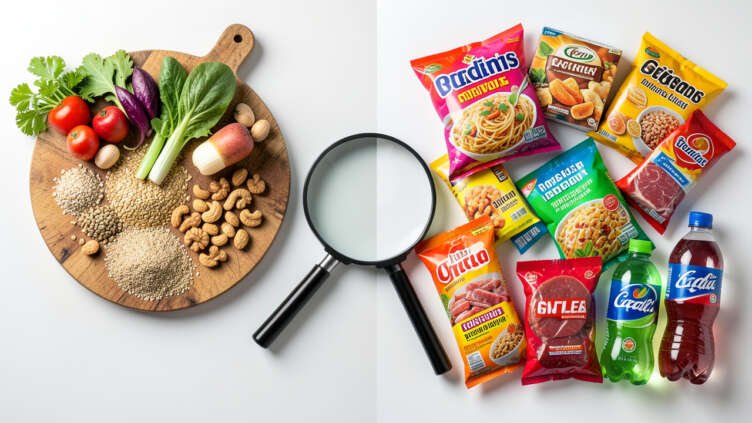
What Is Ultra-Processed Food?
Ultra-processed foods are not simply foods that have undergone some preparation. They represent the most extreme end of food processing. These are not everyday kitchen-made foods.
They are products of industrial manufacturing.
The core characteristic is their formulation. They are built from industrial ingredients, not whole foods. Think of a carbonated soft drink.
It starts with sugar, water, and additives. There is no whole fruit involved in making the syrup. This is a hallmark of the category.
- Industrial Formulations: Created using industrial techniques and ingredients not found in home kitchens.
- Long Ingredient Lists: Often contain five or more ingredients, including many not used in cooking (e.g., high-fructose corn syrup, hydrogenated oils).
- Additives for Sensory Appeal: Loaded with flavorings, colorings, emulsifiers, and thickeners to create a craveable taste and texture.
- Hyper-Palatable Design: Engineered to bypass natural satiety signals, encouraging overconsumption.
- Convenience-Focused: Typically ready-to-eat or ready-to-heat, requiring little to no preparation.
How Is Ultra-Processed Food Classified? The NOVA System
The classification of ultra-processed food relies on the NOVA food classification system. This system was developed by researchers at the University of São Paulo in Brazil. It groups foods not by nutrient content but by the extent and purpose of processing.
NOVA has been adopted by leading health organizations, including the Pan American Health Organization (PAHO). It provides a clear framework for understanding modern diets. The system is based on scientific literature linking processing methods to health outcomes.
| NOVA Category | Definition | Examples |
|---|---|---|
| Group 1: Unprocessed or Minimally Processed Foods | Whole foods with no added substances. Processing may involve cleaning, grinding, pasteurizing, or fermenting. | Fresh fruits, vegetables, eggs, milk, plain yogurt, uncooked meat, beans, rice, nuts. |
| Group 2: Processed Culinary Ingredients | Substances extracted from Group 1 foods or nature. Used to cook, season, and prepare Group 1 foods. | Oils, butter, sugar, salt, maple syrup. |
| Group 3: Processed Foods | Simple products made by adding Group 2 ingredients to Group 1 foods. Generally have 2-3 ingredients. | Canned vegetables, freshly baked bread, simple cheeses, cured meats (without nitrites). |
| Group 4: Ultra-Processed Foods | Industrial formulations made mostly from substances extracted from foods (fats, starches) with additives. | Carbonated drinks, packaged snacks, reconstituted meat products, instant noodles. |
This classification shifts the focus from single nutrients (like fat or sugar) to the overall nature of the food product. A food high in sugar (like honey) is not ultra-processed. A food with low sugar but made through industrial extrusion and fortified with synthetic vitamins might be.
What Are the Four NOVA Categories in Detail?
Each NOVA group serves a distinct role in the diet. Understanding the differences helps you see how processing levels escalate. The jump from Group 3 to Group 4 is particularly significant in terms of health implications.
Group 1: Unprocessed or Minimally Processed Foods
This group forms the foundation of a healthy diet. These foods retain their natural structure. Minimal processing is done for safety, preservation, or to make them edible.
Think of washing spinach or freezing berries. No ingredients are added.
Group 2: Processed Culinary Ingredients
These are extracted from Group 1 foods. Their primary use is as ingredients to prepare Group 1 foods. Examples are olive presses to make oil, milling grains to make flour.
They are not meant to be consumed alone. They are tools for cooking.
Group 3: Processed Foods
These are made by combining Group 1 and Group 2 items. The process is often salting, fermenting, or baking. A simple bread with just flour, water, salt, and yeast fits here.
So does canned tomatoes in their own juice. The product still resembles the original food.
Group 4: Ultra-Processed Foods
This group is distinct and expansive. The key is the use of industrial techniques and additives that are not common in home cooking. High-pressure processing, hydrolysis, hydrogenation, and extrusion are common methods.
The final product often has little physical resemblance to the original food sources.
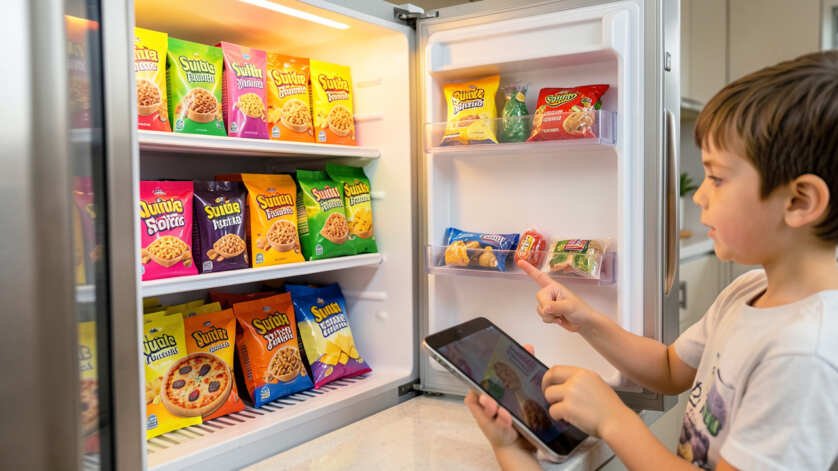
Who Are Ultra-Processed Foods Designed For?
These products are engineered for maximum convenience, shelf stability, and profit. Their design targets our innate biological preferences and modern lifestyle constraints. They are not made for optimal nutrition.
- Time-Pressed Consumers: People seeking quick meal solutions without preparation or cleanup.
- Children and Adolescents: Attractive packaging, sweet or savory intense flavors, and cartoon mascots make them highly appealing.
- Low-Income Households: Often cheaper per calorie than fresh foods, providing a dense energy source.
- The Food Industry: These products have a very long shelf life, are easy to transport, and generate high profit margins due to low-cost ingredients.
Why Are Ultra-Processed Foods So Prevalent?
The dominance of ultra-processed food in the modern food supply is a result of economic and systemic factors. It is not simply about consumer choice. The system is designed to make these products the most accessible and affordable option.
According to a study published in the journal BMJ Open, ultra-processed foods account for nearly 60% of total energy intake in the United States and over 50% in the United Kingdom. This prevalence is driven by powerful economic incentives for food manufacturers.
- Economic Drivers: Raw materials like corn, soy, and sugar are heavily subsidized, making their derivatives extremely cheap inputs.
- Shelf Stability: Additives prevent spoilage, reducing waste and allowing global distribution without refrigeration.
- Marketing Power: Massive advertising budgets promote these products, especially to children, creating lifelong brand preferences.
- Urban Design and Food Deserts: In many areas, corner stores and supermarkets stock more shelf-stable products than fresh produce.
- Work and Life Pace: Long working hours and lack of time for cooking increase demand for convenience meals.
How Does Ultra-Processing Change Food Nutritionally?
The process does more than just alter texture and flavor. It fundamentally changes the nutritional profile and how the body interacts with the food.
- Nutrient Stripping: The original fiber, vitamins, and minerals are often removed or degraded during heavy processing.
- Macronutrient Shift: Products are typically engineered to be high in unhealthy fats (including industrial trans fats), added sugars, and refined starches, while being low in protein and fiber.
- Loss of Satiety Cues: The removal of fiber and water, and the addition of hyper-palatable flavorings, mean these foods are less filling. You can consume many more calories before feeling satisfied.
- Additive Impact: While food additives are regulated for safety, the long-term health effects of consuming complex mixtures are still being studied. Some, like certain emulsifiers, may impact gut bacteria.
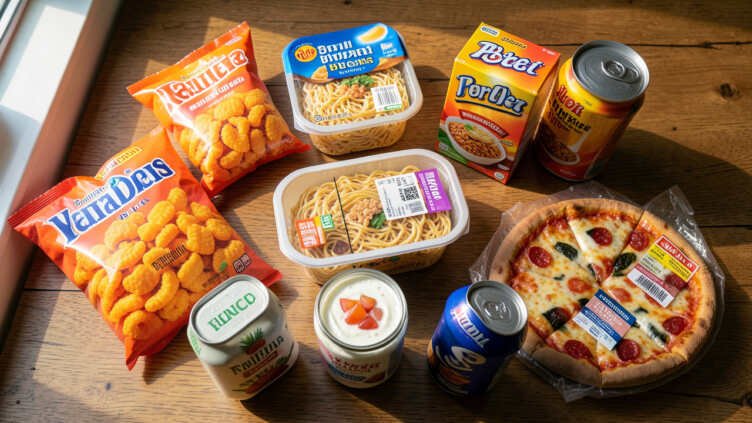
What Are Common Examples of Ultra-Processed Foods?
Recognizing these foods in your kitchen is the first step. They are ubiquitous. Here is a detailed list, moving from the most obvious to less intuitive examples.
| Food Category | Specific Examples | Why It’s Ultra-Processed |
|---|---|---|
| Sugary Drinks | Soda, fruit drinks, energy drinks, sweetened coffee/tea beverages | Made from water, high-fructose corn syrup or sugar, and artificial flavors/colors. No whole fruit. |
| Packaged Snacks | Potato chips, pretzels, crackers, cookies, granola bars, candy | Industrial formulations with refined flours, oils, sugar, salt, and a long list of additives for texture and flavor. |
| Reconstituted Meat Products | Nuggets, fish sticks, sausages, hot dogs, deli meats with nitrites | Mechanically separated meat, reconstituted with starches, additives, and preservatives far from the original cut. |
| Instant Noodles and Soups | Cup noodles, instant ramen packets, dehydrated soup mixes | Deep-fried noodle blocks with flavor packets containing sugar, salt, MSG, and artificial flavors. |
| Reconstituted Dairy | Flavored yogurt, ice cream, coffee creamers, liquid meal replacements | Often contain milk powder as a base, with added sugar, thickeners, and artificial flavors. Low in protein, high in sugar. |
Warning: “Low-fat” or “diet” versions of these foods are often still ultra-processed. They may have sugar replaced with artificial sweeteners and other additives to mimic taste and texture.
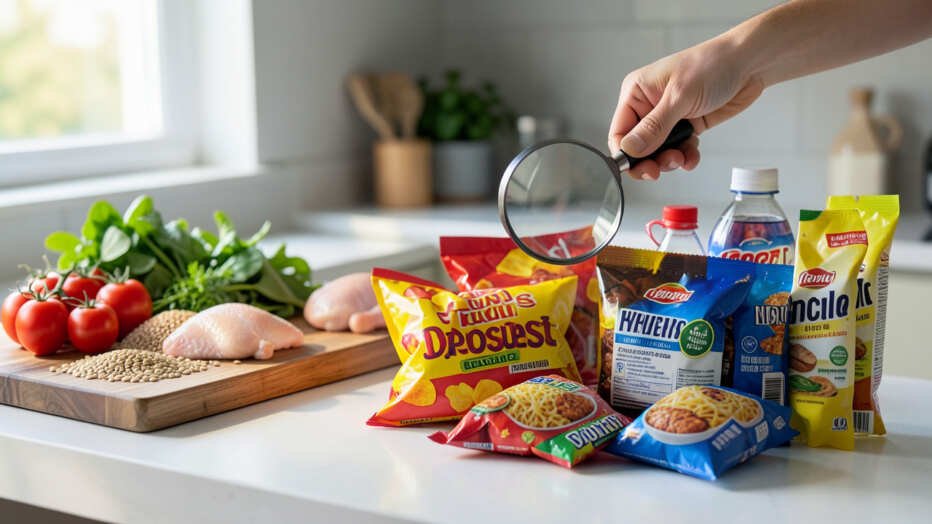
How Can You Identify Ultra-Processed Foods?
Use the NOVA guidelines as a mental filter when you shop. Ask yourself a simple question: does this look like the food it was made from? Here is a practical checklist.
- Check the Ingredient List Length: If it has 5 or more ingredients, especially unfamiliar ones, be cautious.
- Look for Industrial Additives: Scan for substances like high-fructose corn syrup, hydrogenated oils, hydrolyzed proteins, emulsifiers, and artificial flavors/colors.
- Examine the Physical Form: Is it a solid, liquid, or powder that doesn’t resemble its source? A chicken nugget doesn’t look like chicken.
- Consider the Packaging: Is it in a brightly colored, convenient package with marketing claims? Ultra-processed foods are heavily marketed.
- Ask About Preparation: Does it require no preparation beyond heating or adding water? Is it ready to eat right out of the package?
Tip: Shop the perimeter of the grocery store where whole foods are typically located. The center aisles are where most ultra-processed foods are stocked.
What Are the Health Risks Associated With Ultra-Processed Foods?
Research consistently links diets high in ultra-processed food to numerous adverse health outcomes. It’s not just about weight gain. The impacts are metabolic and systemic.
- Increased Obesity Risk: Their hyper-palatable nature and low satiety lead to excess calorie consumption.
- Cardiovascular Disease: High in sodium, unhealthy fats, and added sugars, which raise blood pressure, cholesterol, and triglycerides.
- Type 2 Diabetes: The refined carbs and added sugars cause rapid blood sugar spikes and insulin resistance.
- Metabolic Syndrome: A cluster of conditions (high blood pressure, high blood sugar, excess belly fat, abnormal cholesterol) that increase disease risk.
- Gut Health Disruption: May alter the composition and function of the gut microbiome, which influences inflammation and immunity.
- Potential Mental Health Links: Emerging studies suggest associations between high UPF intake and increased risks of depression and anxiety.
Are There Safe Levels of Consumption?
Most health guidelines recommend limiting, not necessarily eliminating, ultra-processed foods. The focus should be on overall dietary patterns. A diet centered on unprocessed and minimally processed foods, with small amounts of processed foods and rare ultra-processed foods, is considered ideal.
| Dietary Pattern | Typical UPF Intake | Health Recommendation |
|---|---|---|
| Western/Standard Diet | High (50-60% of calories) | Significantly reduce intake. |
| Balanced Diet with Occasional Treats | Moderate (20-30% of calories) | Aim to lower this percentage over time. |
| Whole-Foods Focus Diet | Low (less than 10% of calories) | Supports long-term health and disease prevention. |
The goal is progress, not perfection. Swapping one daily ultra-processed snack for a piece of fruit or a handful of nuts is a meaningful improvement.
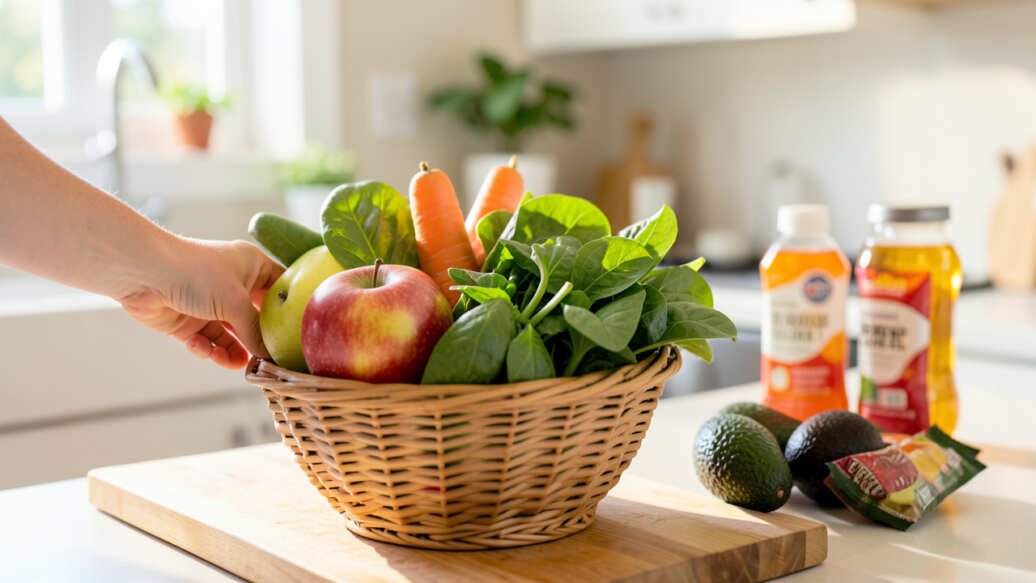
How to Reduce Ultra-Processed Foods in Your Diet
Reducing these foods requires a shift in strategy, not willpower alone. Focus on adding good foods, not just restricting bad ones. This makes the change sustainable.
- Prioritize Whole Foods: Build meals around vegetables, fruits, legumes, whole grains, nuts, and seeds. These should be your staples.
- Cook More at Home: This gives you complete control over ingredients. Start with simple recipes requiring 5 ingredients or less.
- Read Labels Strategically: Ignore front-of-pack claims like “natural” or “wholesome.” Flip the package and read the ingredient list and Nutrition Facts panel.
- Plan and Prep: Spend an hour on the weekend washing and chopping vegetables or cooking a batch of quinoa. This makes weekday meals easier.
- Swap, Don’t Stop: Replace soda with sparkling water and fruit. Swap flavored yogurt for plain Greek yogurt with fresh berries.
- Shop with a List: A list based on a meal plan prevents impulse buys of processed snacks.
- Choose Less-Processed Versions: When you do buy processed food, choose the option with the fewest and most recognizable ingredients.
Frequently Asked Questions
Is all processed food bad?
No. The NOVA system clarifies that processing is a spectrum. Group 1 (unprocessed), Group 2 (culinary ingredients), and Group 3 (processed foods like canned beans or cheese) can all be part of a healthy diet.
The concern is specifically with Group 4: ultra-processed foods, which are defined by industrial formulation and additives.
How are ultra-processed foods different from junk food?
“Junk food” is a vague term often used for foods high in sugar, salt, or fat. Ultra-processed food is a specific scientific classification based on the ingredients and processes used. A product can be ultra-processed without being high in sugar (e.g., a savory snack with MSG and hydrogenated oil), and some “junk foods” might be simple processed items (like a cake made from scratch).
Can ultra-processed foods be part of a healthy diet?
Health experts recommend minimizing them. While occasional consumption is not catastrophic for most people, regular intake is linked to negative health outcomes. The priority should always be to center your diet on unprocessed and minimally processed foods for optimal nutrition and health.
Are protein bars and shakes considered ultra-processed?
Most commercial protein bars and ready-to-drink shakes are classified as ultra-processed. They are industrial formulations containing protein isolates (like whey protein), sweeteners, thickeners, emulsifiers, and artificial flavors. To find a less processed option, look for bars with very few ingredients you can pronounce, like nuts, dates, and seeds.
Why are ultra-processed foods so addictive?
They are engineered to be. The combination of refined carbs, fats, and salt creates a “bliss point” of maximum sensory pleasure. Additionally, their soft texture and rapid consumption can affect brain reward pathways similarly to addictive substances, driving overeating and cravings.
Final Thoughts
Understanding what defines ultra-processed food and its classification system empowers you to navigate the modern food environment. By recognizing these products through the lens of the NOVA categories, you can make deliberate choices. Focus on filling your plate with unprocessed and minimally processed foods. Small, consistent changes away from industrial formulations and toward whole ingredients are a powerful investment in your long-term health.