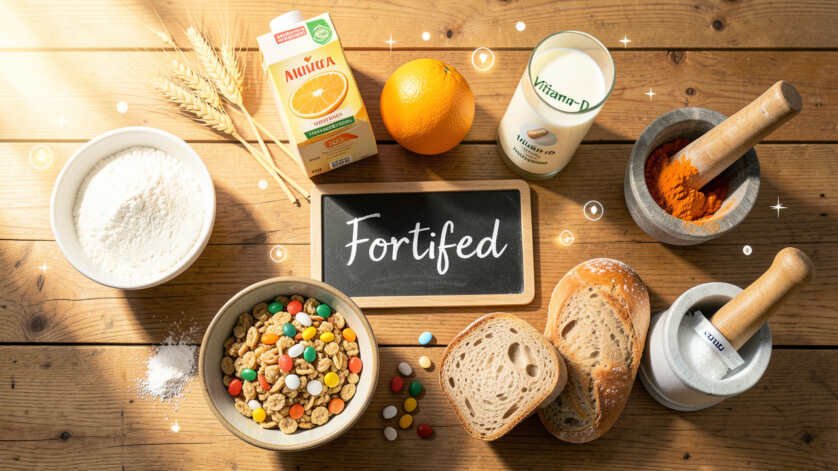
Food fortification is the deliberate addition of essential micronutrients, such as vitamins and minerals, to staple foods during manufacturing to address widespread nutritional deficiencies. This public health strategy aims to improve population health by enriching commonly consumed products without requiring changes in individual dietary habits. Recognized as a cost-effective and globally endorsed intervention, fortification works to reduce deficiency-related diseases and enhance overall public health outcomes.
Food fortification is the deliberate addition of micronutrients to commonly consumed foods to improve public health. This practice addresses widespread nutritional deficiencies that affect millions of people globally. It is a cost-effective public health strategy endorsed by major health organizations.
This post explains exactly what food fortification is, the reasons behind it, and the nutrients typically added. You will learn about the different types of fortification, the benefits, and the common questions surrounding this important process.
Simply put, food fortification is the process of adding essential vitamins and minerals to staple foods during manufacturing. The primary goal is to reduce nutritional deficiencies in a population and improve overall health without requiring individuals to change their eating habits.
Key Takeaways
- Food fortification is the practice of adding nutrients to food products to combat widespread deficiencies.
- It is a mandatory public health policy in many countries for staples like flour, milk, and salt.
- The process helps prevent diseases like anemia, goiter, and birth defects caused by nutrient gaps.
- Fortification is different from food enrichment, which replaces nutrients lost during processing.
- While highly effective, it requires careful regulation to ensure safety and avoid over-consumption.
What Is Food Fortification?
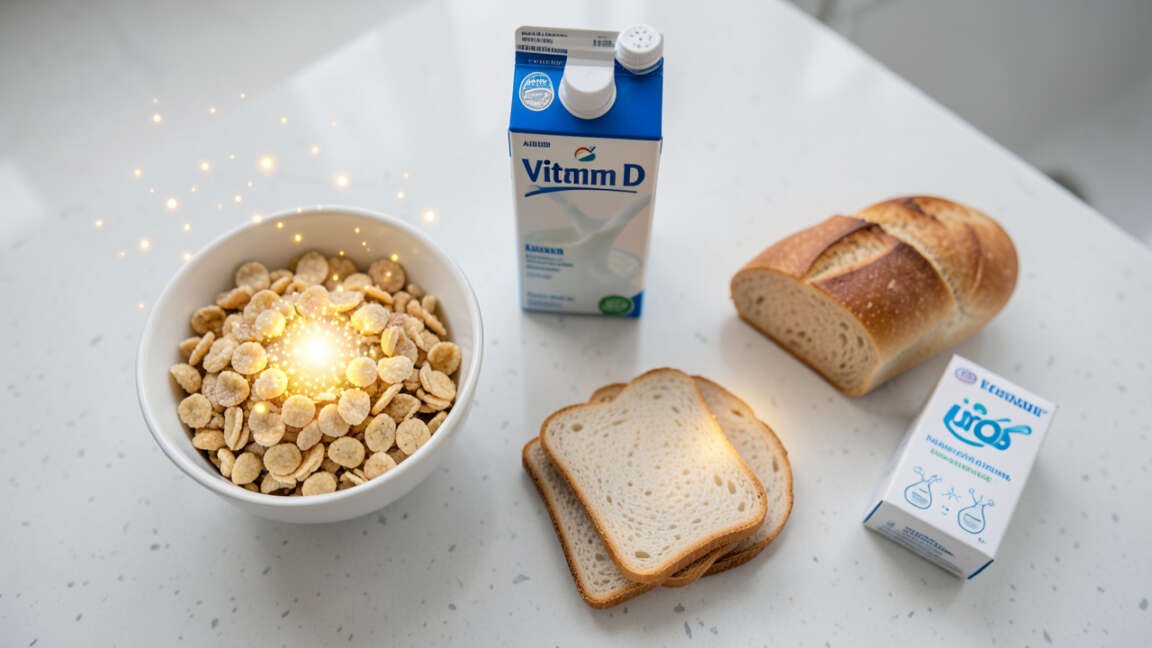
At its core, food fortification is a public health intervention. It involves adding one or more nutrients to a food to correct or prevent a public health problem. The nutrients added are typically those that are deficient in the diets of the target population.
This is done at an industrial level during the processing of staple foods.
The concept is simple but powerful. By enriching widely consumed foods, health authorities can deliver essential nutrients to a large segment of the population at once. It is considered a passive intervention because it does not require individuals to make special choices; the nutrients are already in the food they normally eat.
- Voluntary Fortification: Done by food manufacturers to enhance nutritional value or for marketing purposes (e.g., adding vitamin D to orange juice).
- Mandatory Fortification: Required by government regulations to address a specific public health need (e.g., iodized salt or folic acid in flour).
- Wheat Flour Fortification: A globally common program where iron and folic acid are added to wheat flour used for bread and other products.
- Milk Fortification: Often includes vitamin D to support bone health and calcium absorption.
- Salt Iodization: One of the most successful public health campaigns, preventing iodine deficiency disorders like goiter.
This strategy is recommended by the World Health Organization (WHO) as a safe, effective, and low-cost method to improve nutrition. According to the WHO, over 140 countries have mandatory food fortification programs for at least one micronutrient.
Why Are Nutrients Added to Foods? The Core Reasons
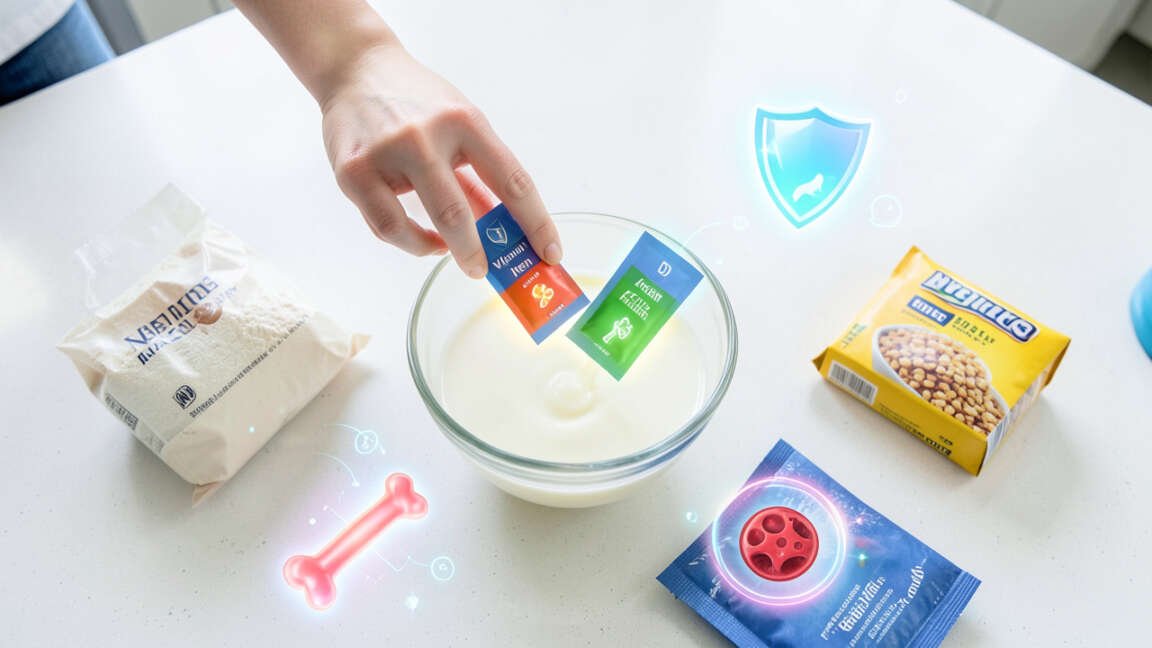
The primary driver for food fortification is to address nutrient deficiencies that are widespread in a population. These deficiencies can lead to serious health problems, especially in vulnerable groups like pregnant women and children. Adding nutrients directly to the food supply is often more practical than education or supplements alone.
Public health authorities identify a specific deficiency problem first. They then choose a suitable food vehicle—a staple food that is consumed regularly by most of the population. The next step is to add the deficient nutrient in a safe and bioavailable form that won’t alter the taste, appearance, or shelf life of the food.
| Nutrient Deficiency Problem | Fortified Food Vehicle | Health Benefit |
|---|---|---|
| Iron Deficiency Anemia | Wheat flour, rice, condiments | Prevents fatigue, supports immune function |
| Folate Deficiency (Neural Tube Defects) | Wheat flour, corn flour | Reduces risk of birth defects like spina bifida |
| Iodine Deficiency (Goiter, Impaired Development) | Table salt | Supports thyroid function and brain development |
| Vitamin D Deficiency (Rickets, Bone Loss) | Milk, plant-based milks, orange juice | Promotes calcium absorption and bone strength |
| Vitamin A Deficiency (Night Blindness) | Sugar, cooking oil, margarine | Protects vision and immune health |
Important: Fortification is distinct from enrichment. Enrichment adds back nutrients that were lost during food processing (like adding B vitamins back to refined flour). Fortification adds nutrients that were not originally present in the food in significant amounts.
How Does Food Fortification Work? The Process Explained
Implementing a successful fortification program involves several critical steps. It starts with identifying a public health need through scientific surveys. Then, selecting the right food vehicle is crucial.
The food must be consumed regularly and consistently by the population segment at risk.
Once the food vehicle is chosen, the appropriate nutrient source is selected. This nutrient must be stable during processing and storage, not affect the food’s sensory qualities, and be bioavailable for the human body. It is often added in a premix form with other ingredients.
The manufacturing process integrates the fortification step. Quality control is paramount. Regular testing ensures that the correct amount of nutrient is in each batch and that levels remain consistent.
This prevents both under-fortification (ineffective) and over-fortification (potentially harmful).
- Needs Assessment: Health authorities conduct national nutrition surveys to pinpoint which nutrient deficiencies are most prevalent.
- Food Vehicle Selection: They choose a widely consumed staple (flour, salt, milk) that can carry the nutrient without spoiling.
- Nutrient Compound Selection: Experts pick a safe, stable, and absorbable form of the nutrient, like folic acid or ferrous sulfate.
- Level Determination: The precise amount of nutrient to add is calculated to meet dietary needs without exceeding safe upper limits.
- Pilot Testing & Rollout: A small-scale trial may be conducted before full national implementation.
- Monitoring & Enforcement: Governments monitor production facilities and test final products to ensure compliance.
Warning: Over-fortification can lead to nutrient toxicity. For example, excessive vitamin A can cause liver damage. This is why strict standards and monitoring by agencies like the FDA (U.S.) or EFSA (Europe) are essential.
What Are the Common Types of Food Fortification?
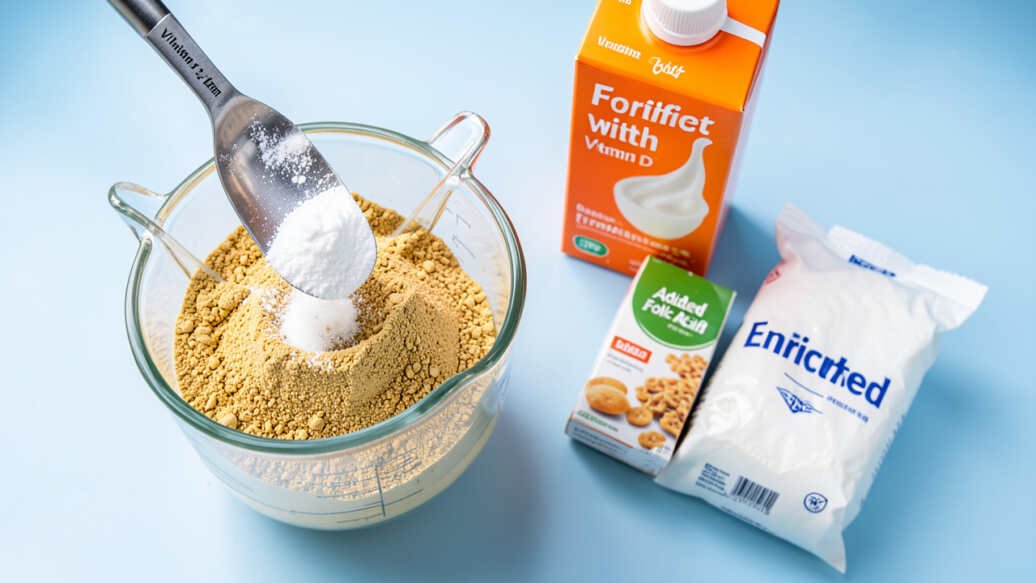
Food fortification can be categorized by its legal status and its approach. The most important distinction is between mandatory and voluntary programs. Each serves a different purpose within public health strategy.
Mandatory programs are public health tools, while voluntary ones are often market-driven.
There are also different stages at which fortification can occur. Most happens during processing, but there is also household and commercial fortification. Understanding these types helps clarify how different foods in your pantry may have been enhanced.
| Type of Fortification | Description | Example |
|---|---|---|
| Mandatory | Required by law for certain foods to address a public health deficiency. | Iodized salt in the US and Canada. |
| Voluntary | Done by manufacturers to enhance product appeal or meet consumer demand. | Calcium-fortified orange juice or energy drinks with B-vitamins. |
| Industrial/Commercial | Occurs during large-scale food manufacturing. | Iron added to wheat flour at the mill. |
| Household | Involves adding micronutrients to foods during preparation at home or community level. | Sprinkling micronutrient powder onto a child’s meal. |
| Biofortification | Agricultural method of breeding crops to have higher nutrient content naturally. | Golden Rice engineered with higher beta-carotene (vitamin A). |
Who Benefits Most From Fortified Foods?
While entire populations are the target of many fortification programs, certain groups derive the most critical benefits. These are often life stages with high nutritional demands or periods of rapid growth and development. Ensuring they receive adequate nutrients prevents severe health consequences.
Young children and women of childbearing age are primary beneficiaries. During pregnancy and breastfeeding, nutrient needs skyrocket. Deficiencies during these times can have permanent effects on child development.
Adolescents undergoing growth spurts also have elevated requirements.
- Pregnant and Lactating Women: Require significantly more folate, iron, calcium, and iodine for fetal development and milk production.
- Infants and Young Children: Rapid brain development and growth depend on adequate iron, vitamin A, and zinc.
- Adolescents: Bone growth and puberty increase the need for calcium, vitamin D, and iron, especially for menstruating girls.
- Vegetarians and Vegans: May benefit from fortified foods to obtain nutrients like vitamin B12, which is found naturally almost exclusively in animal products.
- Elderly Population: Often have reduced absorption of nutrients like vitamin B12 and require more vitamin D for bone health.
- Low-Income Populations: Fortification provides an affordable way to access essential nutrients that might otherwise be absent from a limited diet.
According to the CDC, mandatory folic acid fortification of cereal grain products in the United States has led to a significant reduction in neural tube defects. This highlights the profound impact on a specific, vulnerable group.
What Is the History and Global Impact of Food Fortification?
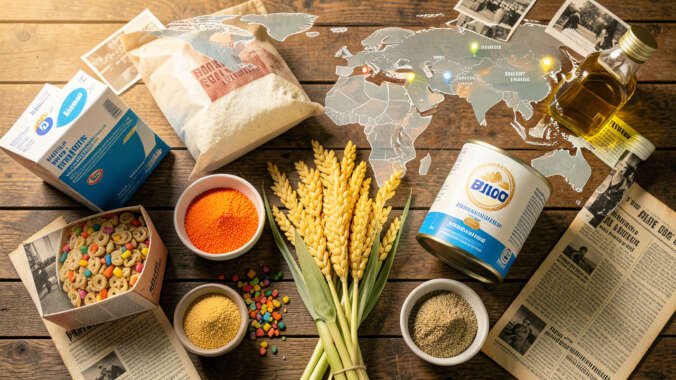
Food fortification is not a new concept. Its early successes in the 20th century laid the groundwork for modern public health nutrition. One of the first major successes was the fortification of table salt with iodine in the 1920s, which virtually eliminated goiter in many regions.
This proved the model could work.
The most widespread program globally is the fortification of wheat and maize flour with iron and folic acid. As of now, over 90 countries have laws mandating this. The impact is measured in millions of disabilities and deaths prevented annually.
It is considered one of the most cost-effective public health interventions available.
The impact extends beyond preventing deficiency diseases. Studies show improved cognitive development in children, increased work productivity in adults, and lower healthcare costs for governments. The WHO estimates that every $1 invested in salt iodization yields a return of over $30 in improved health and economic productivity.
How Is Food Fortification Regulated and Tested?
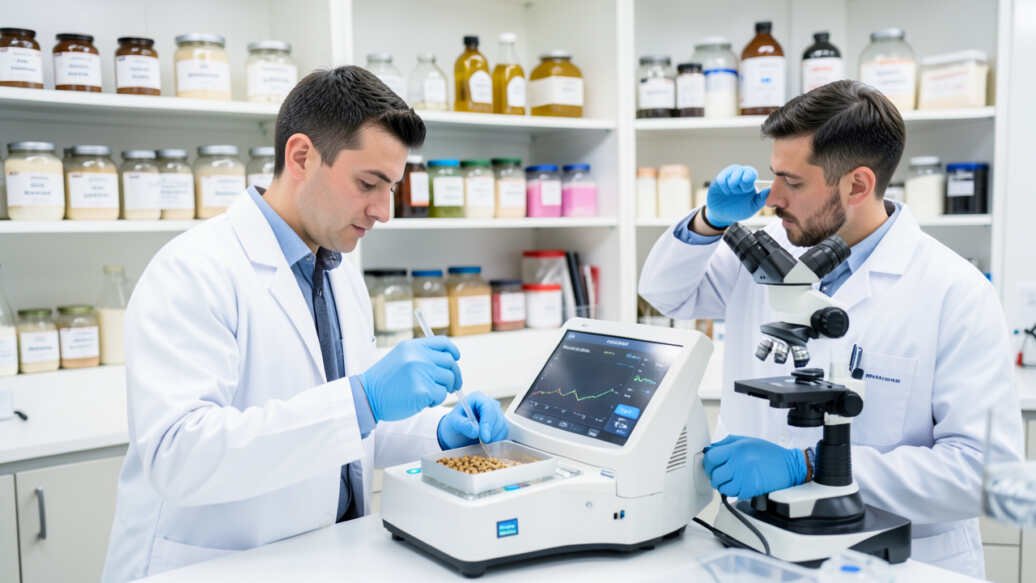
Rigorous regulation ensures fortification is safe and effective. Government agencies set the standards for which nutrients can be added, to which foods, and at what levels. These standards are based on extensive scientific review to determine safe and effective intake ranges for the population.
Manufacturers must follow Good Manufacturing Practices (GMP) to ensure homogenous distribution of the nutrient throughout the product. Regular audits and inspections of production facilities are part of the enforcement process. Without this oversight, the program’s integrity would fail.
- Standard Setting: Authorities like the FDA or Codex Alimentarius Commission establish national and international standards.
- Licensing: Fortification is typically only permitted in licensed, inspected food production facilities.
- Batch Testing: Manufacturers must conduct routine tests to verify nutrient levels in finished products.
- Market Surveillance: Government agencies sample products from retail shelves for independent verification.
- Public Labeling: Fortified foods must often carry specific labeling to inform consumers, such as “fortified with folic acid.”
Tip: Check the ingredient list on packaged foods. Look for terms like “fortified with,” “enriched with,” or “added vitamins and minerals” to see if a product has been enhanced.
What Are the Challenges and Criticisms of Food Fortification?
Despite its benefits, food fortification is not without challenges and valid criticisms. One concern is the risk of excessive nutrient intake, especially in populations where many fortified foods are consumed alongside supplements. This is particularly relevant for fat-soluble vitamins like A and D, which can accumulate in the body.
Another criticism is that it can create a false sense of security. It may lead people to believe that a poor diet can be fixed simply by eating fortified foods, potentially reducing the emphasis on eating a balanced diet rich in whole foods. Furthermore, it does not address other forms of malnutrition, like a lack of protein or energy.
Technical hurdles also exist. Finding the right nutrient compound that doesn’t change the food’s taste, color, or shelf life is complex. There is also the cost of implementation, which can be a burden for small manufacturers and developing countries without subsidies or support.
How Does Fortification Compare to Supplementation?
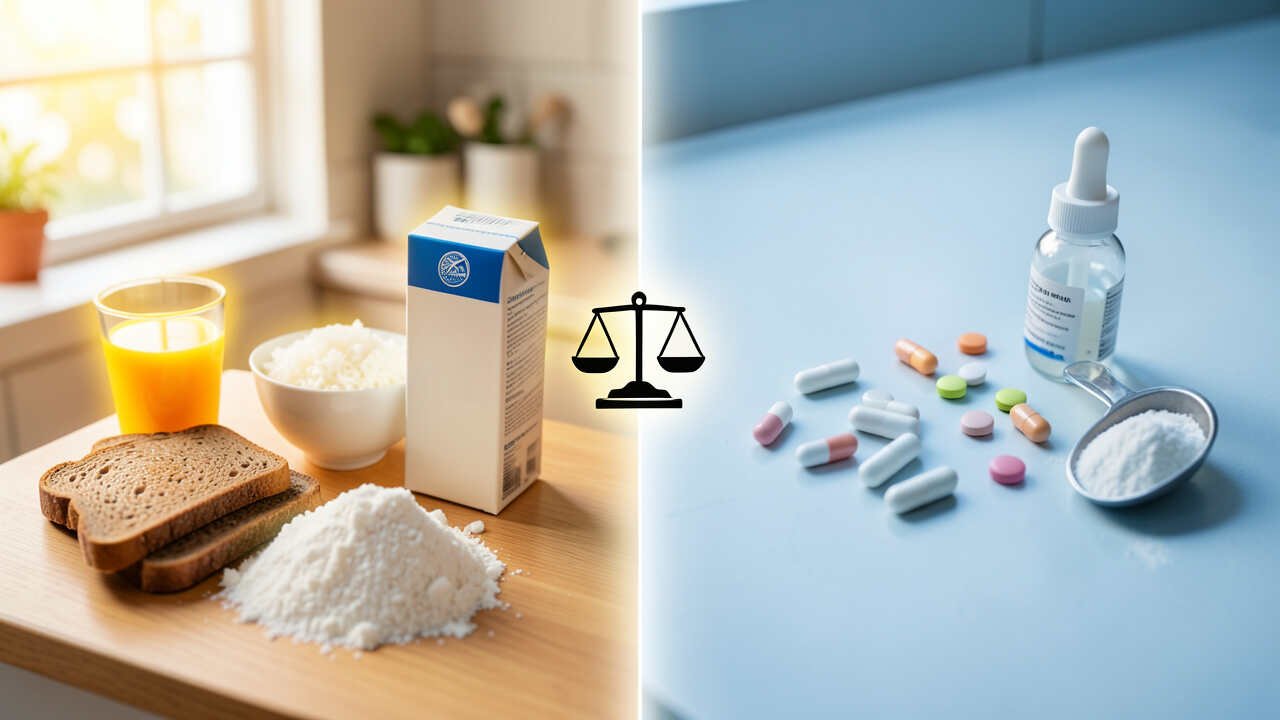
Both fortification and supplementation aim to increase nutrient intake, but they work differently. Supplementation involves taking pills, drops, or powders, which requires individual action and compliance. Fortification is passive and population-wide.
The choice between them often depends on the public health goal and the context.
Fortification is excellent for addressing mild to moderate deficiencies across a broad population. It is sustainable and low-cost at scale. Supplementation is often more appropriate for treating existing deficiencies or for targeted groups with very high needs, like pregnant women taking prenatal vitamins.
| Feature | Food Fortification | Supplementation |
|---|---|---|
| Action Required | Passive; nutrients are in the food. | Active; individual must remember to take it. |
| Target | Entire population or large subgroup. | Individuals at high risk or with deficiency. |
| Cost to Consumer | Minimal; cost is absorbed in food price. | Direct cost for purchasing the supplement. |
| Best Use Case | Preventing widespread, mild deficiencies. | Treating diagnosed deficiencies or high-risk groups. |
| Risk of Overconsumption | Lower; levels are set for general intake. | Higher; easy to take too many pills. |
Frequently Asked Questions
Is fortified food the same as organic food?
No, they are different concepts. Organic refers to how food is grown or raised, avoiding synthetic pesticides and GMOs. Fortification is the deliberate addition of nutrients.
A food product can be both organic and fortified, but the terms are unrelated.
Does cooking destroy the added nutrients in fortified foods?
Some vitamins, like B-vitamin folate, can be reduced by heat. However, the fortification levels account for expected losses during typical cooking and processing. The goal is to ensure adequate nutrients remain when the food is consumed.
Mineral fortification, like iron, is generally stable.
Can I get too many nutrients from fortified foods?
Yes, it is possible to exceed the Tolerable Upper Intake Level (UL) if you consume large amounts of multiple fortified foods and also take supplements. This is why regulations set safe maximum levels and why it’s important to read labels, especially for fat-soluble vitamins like A and D.
Why is folic acid added to flour?
Folic acid fortification aims to prevent neural tube defects (NTDs) in newborns, such as spina bifida. Since these defects form very early in pregnancy, often before a woman knows she is pregnant, adding folate to a staple food ensures all women of childbearing age have adequate levels.
What is the difference between iron-fortified and iron-enriched foods?
In the US, “enriched” means nutrients lost during processing are added back. “Fortified” means a nutrient is added that wasn’t originally there. Iron is often both.
For example, refined flour is enriched with iron lost in milling, but a breakfast cereal might be further fortified with extra iron.
Final Thoughts
Food fortification stands as a cornerstone of modern public health nutrition. It is a proven, scalable strategy that silently protects communities from devastating nutrient deficiencies. From iodized salt preventing goiter to folic acid in flour reducing birth defects, its benefits are deeply embedded in our food system.
Understanding what fortification is helps you make informed choices at the grocery store. While it is not a replacement for a balanced diet rich in whole foods, it serves as an essential safety net. It ensures that everyone, regardless of their dietary choices or economic status, has a baseline access to critical nutrients for a healthy life.