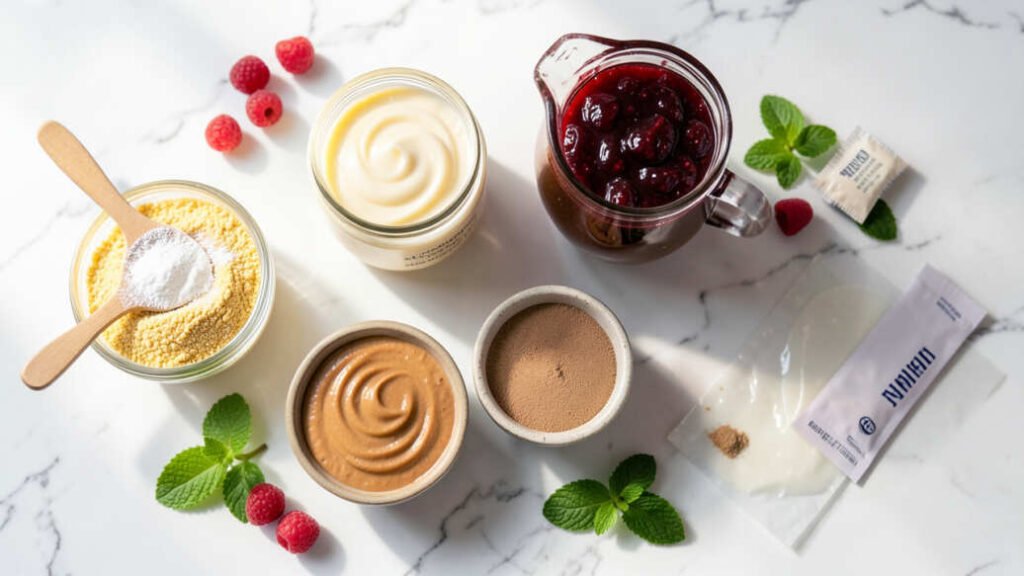
Stabilizers and thickeners are used in foods primarily to control texture, prevent ingredients from separating, and ensure a consistent product appearance and mouthfeel. These additives help extend shelf life, reduce waste, and are essential for the mass production and storage stability of many common foods. Recognizing their function on an ingredient label helps consumers understand their role in food quality and preservation.
Stabilizers and thickeners in foods are common additives you see on ingredient labels, but their purpose isn’t always clear. These ingredients play a vital role in shaping the texture, consistency, and shelf life of the products you consume daily. Understanding why they are used can help you make more informed choices about your diet and appreciate the science behind food manufacturing.
This post will break down the exact functions of these additives, explore their types, and explain their benefits in modern food production. You will also learn about common examples, potential concerns, and how to read labels more effectively.
Simply put, stabilizers and thickeners are added to foods to improve texture, prevent separation, and extend shelf life. They mimic natural properties, enhance consistency, and ensure products look and taste the same every time you buy them.
Key Takeaways
- Stabilizers and thickeners in foods primarily control texture and prevent ingredients from separating.
- They extend shelf life, reduce waste, and allow for mass production and long-distance transportation of goods.
- Most are derived from natural sources like plants, seaweed, or milk, though some are synthetic.
- They are generally recognized as safe (GRAS) by regulatory agencies when used as intended.
- Reading ingredient labels helps you identify and understand their presence in your food.
What Are Food Stabilizers and Thickeners?
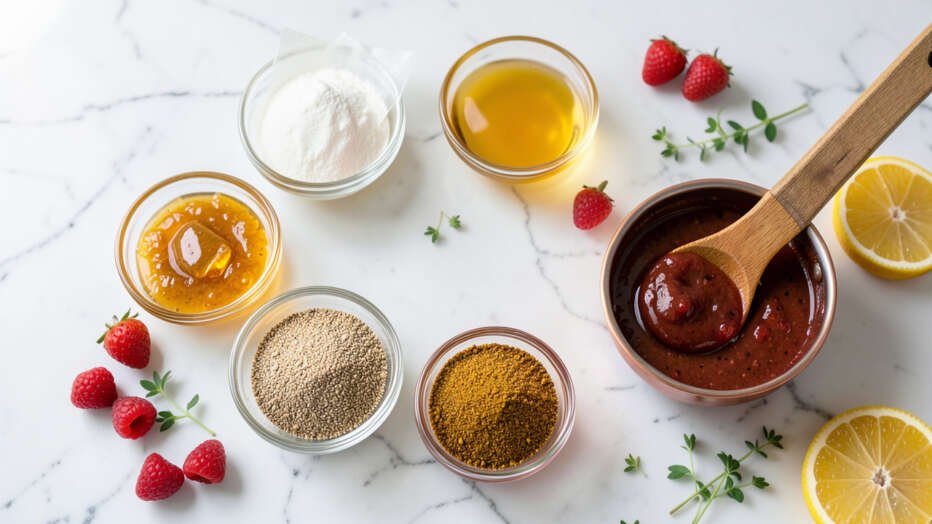
Food stabilizers and thickeners are a class of food additives used to maintain a food’s physical and chemical structure. They are closely related but have distinct functions. Thickeners increase the viscosity of a liquid without substantially changing its other properties, making a sauce, soup, or cream thicker.
Stabilizers, on the other hand, prevent components in a food product from separating. They hold emulsions together, like in mayonnaise, and keep suspended particles, like herbs in a dressing, evenly distributed. Many ingredients, like gum arabic or xanthan gum, can perform both functions.
- Common Thickeners: Cornstarch, flour, arrowroot, pectin.
- Common Stabilizers: Lecithin, guar gum, carrageenan, mono- and diglycerides.
- Dual-Purpose Agents: Xanthan gum, cellulose derivatives, gelatin.
| Feature | Thickeners | Stabilizers |
|---|---|---|
| Primary Function | Increase viscosity and “body” | Prevent separation of ingredients |
| Common Example | Cornstarch in gravy | Lecithin in chocolate |
| Analogy | The “mud” that makes a puddle thick | The “net” that holds the puddle together |
This table highlights the core difference: thickeners change how a food feels in your mouth, while stabilizers ensure it stays mixed and uniform.
Why Are Stabilizers and Thickeners Used in Foods?
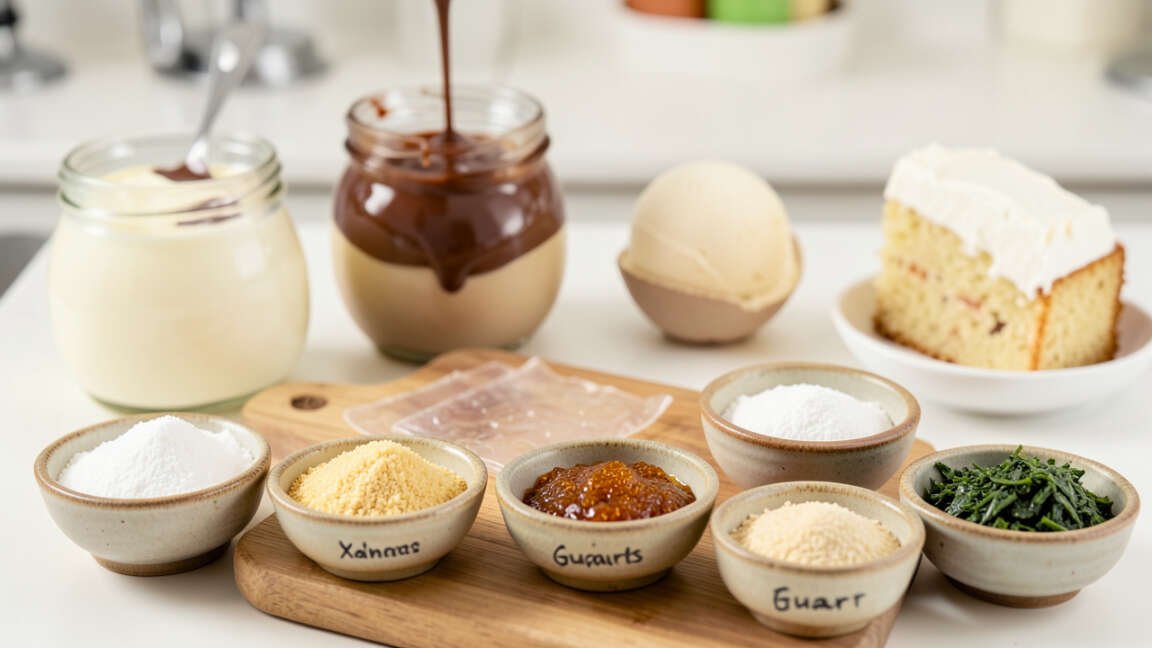
The use of these additives is driven by practical needs in food production and consumption. They solve several challenges that occur when food is made in large batches, packaged, stored, and shipped. Here are the primary reasons they are incorporated into recipes.
- Texture Modification: They create a smooth, creamy, or gel-like texture that consumers expect from products like yogurt, ice cream, and pudding.
- Emulsion Stabilization: They prevent oil and water from separating in products like salad dressings, sauces, and beverages.
- Shelf Life Extension: By preventing texture breakdown and separation, they keep food appealing for longer periods, reducing food waste.
- Process Aid: They help food survive the stresses of manufacturing, such as high-heat pasteurization or freezing, without losing quality.
- Moisture Retention: In baked goods and meats, they help bind water, keeping products moist and tender throughout their shelf life.
Tip: Stabilizers like carrageenan in chocolate milk prevent the cocoa from settling at the bottom, ensuring a consistent taste from the first sip to the last.
Without stabilizers, many convenient foods we rely on would separate, become grainy, or spoil quickly. The global food additive market, which includes these ingredients, was valued at approximately $50 billion in 2022, reflecting their critical role in the food supply chain.
How Do Stabilizers and Thickeners Work in Foods?
The mechanisms behind these ingredients involve chemistry and physics. They work by interacting with water, fats, and proteins in the food matrix. The most common method is through hydration, where the additive absorbs water and swells, creating a gel network that increases viscosity.
For emulsions, stabilizers often act as emulsifiers. They have molecules with one water-loving (hydrophilic) end and one oil-loving (hydrophobic) end. This allows them to sit at the interface between oil droplets and water, preventing them from merging and separating.
- Gel Formation: Agents like pectin or gelatin form a three-dimensional network when cooled, trapping liquid and creating a solid structure, as in jellies.
- Steric Hindrance: Long-chain molecules like xanthan gum create a physical barrier around particles, preventing them from clumping and settling.
- Water Binding: Cellulose derivatives can hold large amounts of water, improving moisture in baked goods and reducing syneresis, which is liquid weeping from gels.
Types of Stabilizers and Thickeners Used in the Food Industry
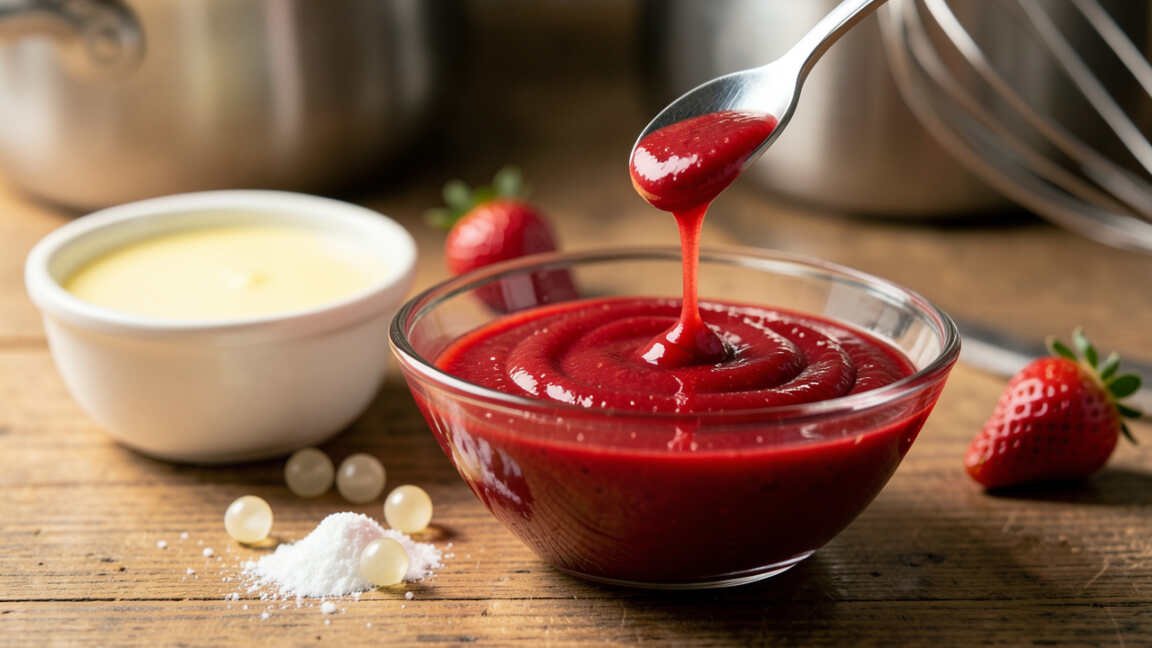
These additives are categorized based on their source or their functional group. The two main categories are natural and synthetic, though “natural” can still involve extensive processing. Knowing the types helps you understand what you’re consuming.
Carbohydrate-Based
This is the largest group, derived from plant starches, gums, or seaweed. They primarily work by absorbing water and increasing viscosity. Examples include cornstarch, which is heated to thicken sauces, and guar gum, extracted from beans, used in ice cream to prevent ice crystals.
Protein-Based
Proteins like gelatin (from collagen) and casein (from milk) are excellent gelling and foaming agents. Gelatin gives gummy candies their chew, while casein helps stabilize the texture of processed cheese.
Microbial and Synthetic
Xanthan gum is produced by fermenting sugar with bacteria, creating a very stable and versatile thickener for gluten-free products. Cellulose derivatives, like carboxymethyl cellulose, are modified plant fibers used in low-fat foods to mimic the mouthfeel of fat.
| Source | Common Examples | Typical Use in Foods |
|---|---|---|
| Plant (Starch/Gums) | Cornstarch, pectin, guar gum | Sauces, jams, dairy alternatives |
| Seaweed | Carrageenan, agar | Plant milks, vegan cheeses |
| Animal | Gelatin, casein | Marshmallows, processed meats |
| Microbial | Xanthan gum, gellan gum | Salad dressings, sous vide gels |
This table shows how diverse the sources are, allowing manufacturers to choose the best functional ingredient for a specific product and dietary requirement, like veganism.
Common Stabilizers and Thickeners in Everyday Foods
You encounter these additives constantly. Here is a breakdown of specific ingredients and the products they improve. Recognizing them on labels demystifies ingredient lists.
- Xanthan Gum: The workhorse of gluten-free baking and vegan sauces. It provides elasticity and prevents separation in bottled dressings.
- Guar Gum: Often paired with xanthan, it is key for creamy ice cream, preventing graininess, and is used in some cheeses and baked goods.
- Carrageenan: Derived from red seaweed, it is famous for its use in plant-based milks to create a creamy texture and prevent separation.
- Pectin: A natural fiber found in fruit, it is the essential gelling agent for jams, jellies, and fruit preserves, giving them their spreadable texture.
- Cellulose Gum: Used in grated cheese to prevent clumping and in low-fat products to add bulk and creaminess without fat.
- Lecithin: Usually from soy or sunflower, it is a powerful emulsifier. It keeps chocolate smooth, prevents oil separation in peanut butter, and improves the texture of baked goods.
Warning: Some individuals may have sensitivities or allergies to specific stabilizers, such as carrageenan or soy-derived lecithin. Always check labels if you have known food sensitivities.
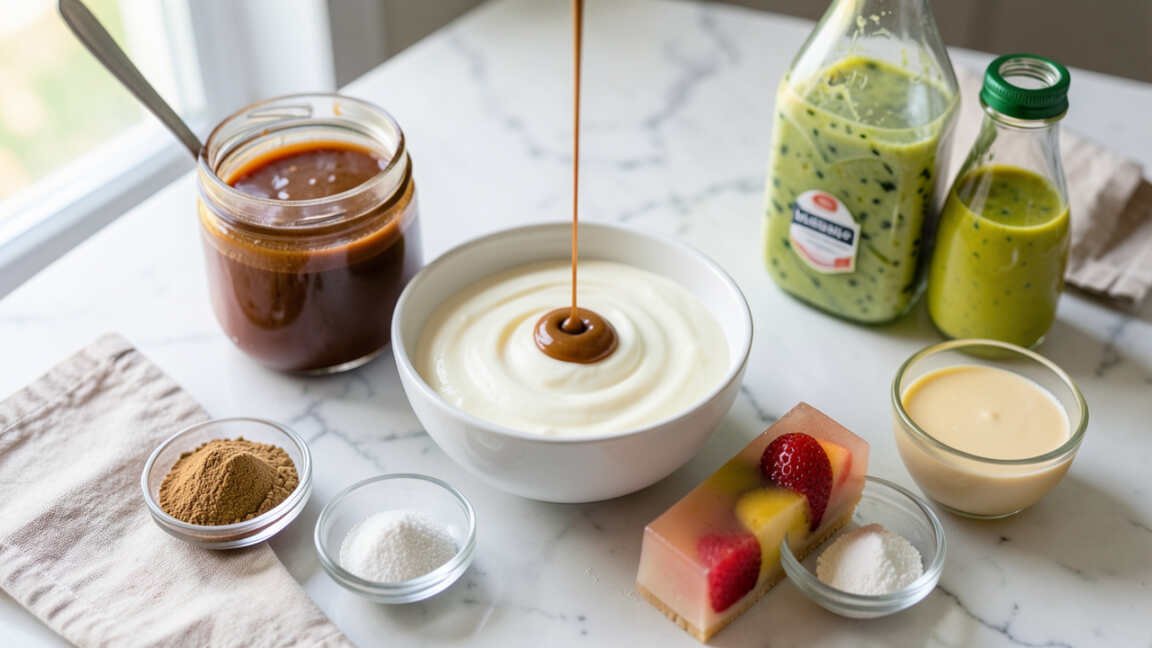
What Are the Benefits of Using Food Stabilizers and Thickeners?
The advantages extend beyond simple texture. They are fundamental to the modern food system, enabling safety, accessibility, and economic efficiency. According to the International Food Information Council, food additives, including stabilizers, play a key role in food safety and quality.
They allow for the production of low-fat, low-sugar, and other “light” versions of foods by mimicking the sensory properties of the removed ingredients. This can support dietary goals for many people.
- Food Safety: By preventing separation, they can inhibit the growth of certain bacteria that thrive in specific conditions.
- Economic Efficiency: They make mass production possible, reducing costs for manufacturers and, ultimately, consumers.
- Accessibility: They enable the creation of long-lasting foods that can be transported to areas with limited fresh food access.
- Consistency: Consumers trust that a product will taste and feel the same with every purchase, which is crucial for brand loyalty.
- Waste Reduction: Extended shelf life means less spoilage at the store and in the home, contributing to sustainability.
Are Stabilizers and Thickeners in Foods Safe to Consume?
Safety is a primary concern for consumers. Regulatory bodies like the U.S. Food and Drug Administration (FDA) and the European Food Safety Authority (EFSA) rigorously evaluate these additives before they are approved for use.
They are assigned an Acceptable Daily Intake (ADI) level.
The vast majority of stabilizers and thickeners have a long history of safe use and are considered non-toxic. The body often excretes them because they are not digestible, acting as a form of dietary fiber. However, excessive consumption of any additive could potentially cause digestive discomfort in sensitive individuals.
The key is moderation and perspective. The amount used in a single product is typically very small and well within the safe limits established by science. The occasional news story about a specific additive often involves much higher doses than are found in food.
How to Identify Stabilizers and Thickeners on Food Labels
Finding these ingredients is straightforward once you know what to look for. They are listed in the ingredients section on food packaging, usually in descending order by weight. This means if an ingredient is listed first, it’s the most prevalent by weight in the product.
Common names to scan for include: cellulose, guar gum, xanthan gum, pectin, carrageenan, lecithin, mono- and diglycerides, and pectin. Sometimes, they may be listed by a more technical name, like “modified food starch.”
- Locate the Ingredients Panel: It’s usually on the side or back of the package.
- Read Systematically: Scan from top to bottom, paying attention to multi-word ingredient names.
- Look for “Stabilized With” or “Thickener”: Sometimes manufacturers use descriptive phrases before listing the actual additive name.
- Use Resources: Websites like the Center for Science in the Public Interest can provide guides on common additives.
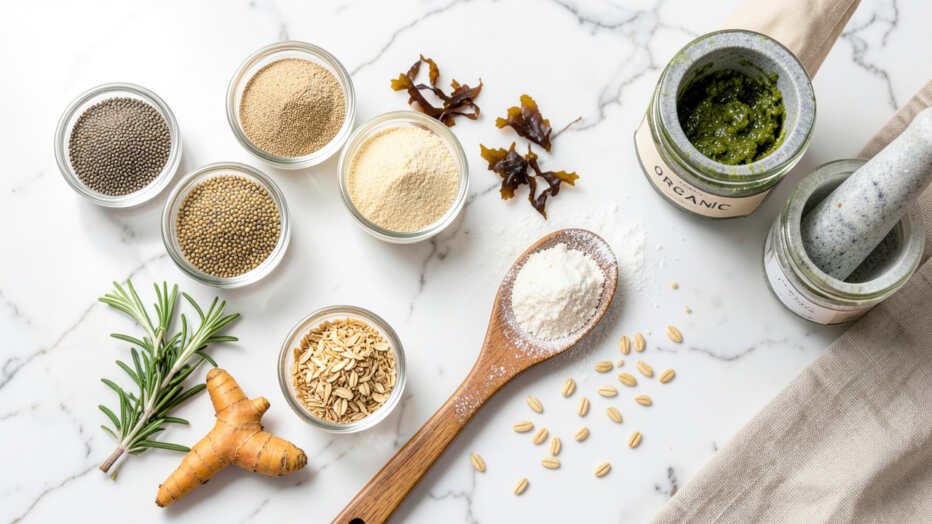
Do Natural and Organic Foods Contain Stabilizers and Thickeners?
Yes, they do, and often in high concentrations. Natural and organic certification regulates how an ingredient is sourced and processed, not whether it can be used at all. Many stabilizers are derived from natural sources, making them perfectly suitable for organic products.
Jams and jellies, for example, rely heavily on pectin, a natural fruit fiber, for their structure. Organic salad dressings might use xanthan gum or guar gum to achieve a smooth texture without synthetic additives. The goal is often the same: to create a stable, appealing product without using artificial colors, flavors, or preservatives.
Important: “Natural” on a label does not mean “free from additives.” It is a less regulated term. Always check the ingredient list for specifics about what is included in the product.
Frequently Asked Questions
What is the difference between a stabilizer and an emulsifier?
An emulsifier is a specific type of stabilizer. While all emulsifiers help stabilize a product, their primary function is to keep two immiscible liquids, like oil and water, mixed together. A broader stabilizer may prevent settling, crystallization, or moisture loss, not just emulsion breakdown.
Can I replace stabilizers with natural alternatives in home cooking?
Yes, absolutely. In home cooking, you can use cornstarch or flour to thicken sauces instead of modified starches. For stabilizing, a small amount of mustard can help emulsify a homemade vinaigrette, serving the same role as lecithin in a commercial dressing.
Are thickeners and stabilizers the same as preservatives?
No, they are distinct categories of food additives. Preservatives are specifically added to prevent microbial growth and spoilage. Stabilizers and thickeners focus on physical and textural attributes.
However, by improving stability, they can indirectly contribute to a longer shelf life.
Why do some people report sensitivity to certain stabilizers like carrageenan?
Some individuals report digestive discomfort after consuming carrageenan, particularly in large amounts. Scientific consensus on low-dose sensitivity is mixed, but it’s recognized as a potential issue for a small subset of the population. Those with inflammatory bowel conditions may choose to avoid it.
Will eating foods with stabilizers and thickeners make me gain weight?
These additives themselves contain negligible calories and do not directly cause weight gain. The overall nutritional profile of the food, including its calorie, sugar, and fat content, is the primary factor. Using thickeners can sometimes allow for lower-calorie versions of foods.
Final Thoughts
Stabilizers and thickeners in foods are essential tools that enable the texture, safety, and consistency of a vast array of products we use every day. They allow for innovation, reduce waste, and make diverse foods accessible across the globe. While personal sensitivity can exist, the scientific consensus supports their safety when used as intended within regulatory guidelines.
Empowering yourself with label-reading skills allows you to make choices that align with your personal health and dietary preferences.