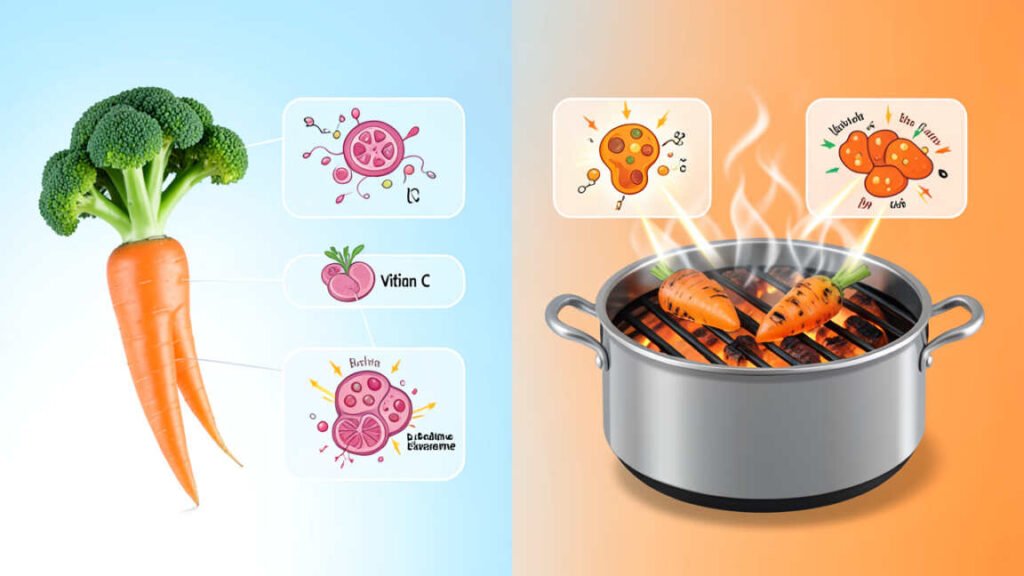
Cooking alters food's nutritional composition through chemical reactions that degrade some nutrients while increasing the bioavailability of others. Water-soluble vitamins such as C and B are often reduced, whereas heat can enhance the absorption of antioxidants like lycopene and beta-carotene. Understanding this trade-off is key, as selecting appropriate cooking methods can help maximize the retention and nutritional value of your food.
How cooking changes the nutritional composition of food is a fundamental question for anyone who eats. The heat of your pan or pot doesn’t just transform texture and flavor; it triggers a cascade of chemical reactions that alter vitamins, minerals, and other beneficial compounds. Understanding these changes can help you make smarter choices in the kitchen.
This guide dives into the science behind heat’s impact on nutrition. You’ll learn which nutrients are most vulnerable, how different cooking methods compare, and practical ways to preserve the goodness in your meals.
Simply put, cooking can both destroy and enhance the nutritional value of food. Water-soluble vitamins like C and B are often lost, while heat can increase the bioavailability of others like lycopene and beta-carotene. The net effect depends on the food, the method, and the duration.
Key Takeaways
- Cooking food can significantly reduce heat-sensitive and water-soluble vitamins, especially Vitamin C and certain B vitamins.
- Heat processing can improve the body’s ability to absorb some nutrients, such as lycopene in tomatoes and antioxidants in carrots.
- The cooking method matters: methods that use less water and shorter times (like steaming or stir-frying) generally preserve more nutrients.
- Overcooking, especially at very high temperatures, can create potentially harmful compounds and degrade proteins.
- Proper storage before cooking and using cooking water in soups or sauces can help retain lost nutrients.
What Is Thermal Degradation in Food?
Thermal degradation is the scientific term for how heat breaks down chemical compounds in food. When you apply heat, you provide the energy to break molecular bonds. This process isn’t inherently bad—it’s how we tenderize meat and develop complex flavors in roasted vegetables.
The downside is that this breakdown doesn’t discriminate between undesirable compounds and valuable nutrients. The primary targets are vitamins, which are often delicate organic molecules. The extent of degradation depends on several key factors.
- Temperature: Higher heat generally causes faster degradation. Boiling (100°C/212°F) is less destructive than frying or grilling (often 170°C/340°F and above).
- Time: Longer cooking times expose nutrients to destructive heat for a greater period. A quick blanch is better than a long simmer for preserving vitamin C.
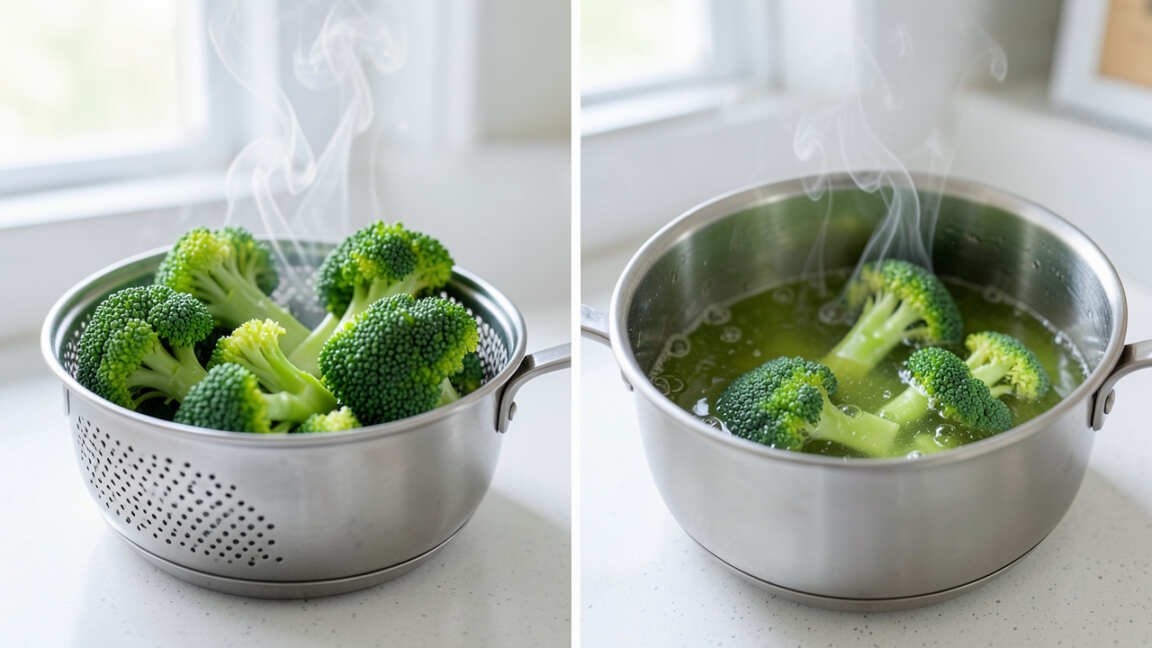
- Presence of Water: Water-soluble vitamins (B-complex and C) can leach into cooking water. This is why boiling vegetables can lead to greater losses than steaming.
- Acidity or Alkalinity: An acidic environment (like adding lemon juice) can help stabilize some vitamins, while an alkaline one can accelerate their breakdown.
How Do Vitamins Respond to Heat?
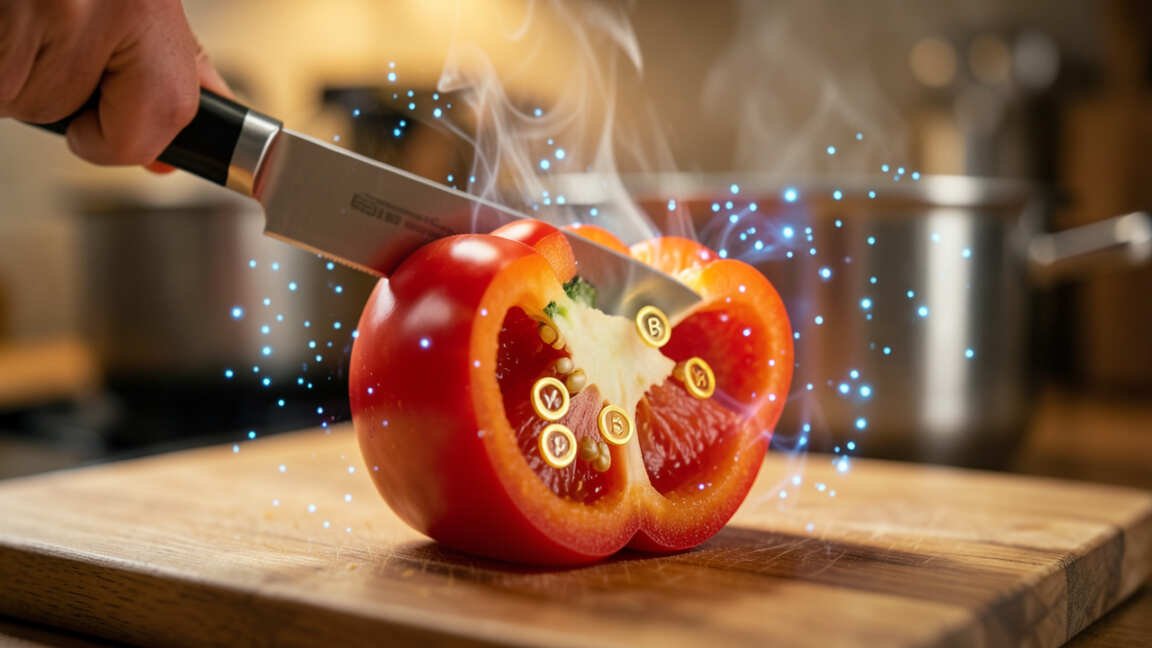
Vitamins are categorized by their solubility, which directly impacts their vulnerability to cooking. Understanding this difference is key to predicting nutritional changes.
| Vitamin Type | Vulnerability to Heat & Water | Common Sources |
|---|---|---|
| Water-Soluble | High. Easily destroyed by heat and leach into water. | Vitamin C, B1 (Thiamin), B2 (Riboflavin), Folate |
| Fat-Soluble | More stable. Not lost to water but can be destroyed by high, prolonged heat. | Vitamins A, D, E, K |
Vitamin C is the most heat-sensitive nutrient, with losses in cooked vegetables sometimes reaching 50% or more. B vitamins like thiamin can be destroyed by heat, and they are also highly prone to leaching. For example, a significant portion of thiamin in pork can be lost in the cooking juices.
Important: According to research published in the Journal of Food Science, steaming vegetables can retain up to 90% of their Vitamin C, while boiling can reduce it by over 50%.
Can Cooking Increase Nutrient Availability?
Yes, and this is a crucial counterpoint. Cooking isn’t just a destructive process; it can be a transformative one that makes certain nutrients more bioavailable—meaning your body can actually absorb and use them. The cell walls of plants are made of cellulose, which our digestive systems struggle to break down raw.
Heat softens these cell walls, releasing trapped nutrients. Cooking also inactivates certain anti-nutrients that can interfere with mineral absorption. This is why a lightly cooked carrot can be more nutritious in practice than a raw one for specific compounds.
- Lycopene in Tomatoes: Heat breaks down cell walls and converts lycopene into a more absorbable form. Cooked tomato products like sauce and paste are far superior sources of bioavailable lycopene.
- Beta-Carotene in Carrots & Spinach: Cooking increases the bioavailability of this precursor to Vitamin A. Studies show the body can absorb significantly more beta-carotene from cooked carrots than raw ones.
- Antioxidants in Mushrooms: While some antioxidants are heat-sensitive, cooking can increase the total antioxidant activity in certain mushrooms by breaking down their tough chitin cell walls.
- Protein Digestibility: Cooking denatures proteins, unfolding their complex structures and making them much easier for digestive enzymes to break down. This is why we cook meat and legumes.
This phenomenon highlights that nutrition isn’t just about the raw content on a label, but what your body can ultimately utilize from the food you eat.
Which Cooking Methods Preserve Nutrients Best?
Choosing the right cooking technique can make a dramatic difference in the final nutritional profile of your meal. The goal is often to minimize exposure to heat, water, and oxygen. Here’s a breakdown of common methods.
| Cooking Method | Nutrient Preservation | Best For |
|---|---|---|
| Steaming | Excellent. Minimal water contact, short time, moderate heat. | Vegetables (broccoli, spinach), fish |
| Microwaving | Very Good. Quick cooking with little added water. | Vegetables, reheating leftovers |
| Stir-Frying | Good. High heat but very short cooking time. | Vegetables, small cuts of meat |
| Roasting/Baking | Moderate. Longer time and higher heat than steaming, but no water contact. | Root vegetables, meats, poultry |
| Boiling | Poor for water-solubles. Causes major leaching of vitamins into water. | Pasta, potatoes (if you drink the water), making broth |
| Deep-Frying | Poor. Very high heat degrades vitamins and adds significant fat. | Treats (fries, fried chicken) – use sparingly |
A key takeaway from this data is that minimizing cooking time and avoiding excess water are your best strategies for nutrient retention. Using the cooking liquid from boiled vegetables in a soup or sauce is an excellent way to recapture lost nutrients.
Warning: High-heat cooking methods like grilling and frying, especially at temperatures above 120°C (248°F), can lead to the formation of potentially harmful compounds like heterocyclic amines (HCAs) and polycyclic aromatic hydrocarbons (PAHs) in meat.
How Does Cooking Affect Minerals and Fiber?
Unlike vitamins, minerals are inorganic elements and are generally more stable under heat. They don’t degrade, but they can be lost through leaching. Cooking methods that involve a lot of water are the main culprit for mineral loss.
Research indicates that boiling can cause substantial losses of potassium, phosphorus, and magnesium from vegetables into the cooking water. For instance, boiling potatoes can result in a loss of up to 50% of their potassium content if the water is discarded. Again, consuming the cooking liquid is a simple fix.
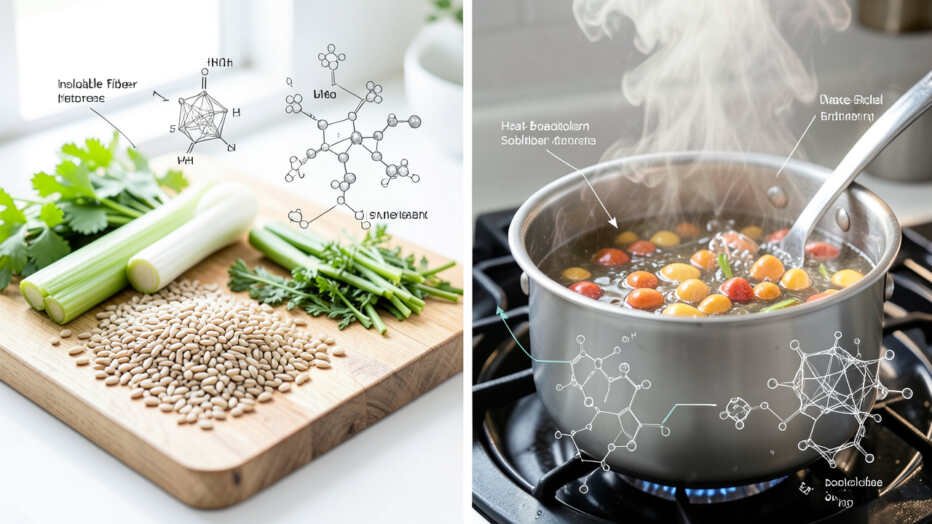
Fiber undergoes physical, not chemical, changes during cooking. Heat softens insoluble fiber, making vegetables easier to digest and potentially less irritating for some digestive systems. Pectin, a soluble fiber, can break down, which is why overcooked vegetables become mushy.
- Soluble Fiber (pectin, beta-glucan): Can break down with prolonged cooking, thickening liquids like soups and sauces.
- Insoluble Fiber (cellulose, lignin): Remains intact but is softened, aiding digestion while still promoting gut motility.
- Overall Impact: Light cooking generally preserves the overall fiber profile while improving texture and palatability.
Why Is Overcooking a Major Nutritional Concern?
Overcooking extends cooking time and often involves high heat, maximizing nutrient degradation. But it goes beyond simple vitamin loss. Overcooked foods, particularly proteins and starchy foods cooked at high temperatures, can undergo reactions that form undesirable compounds.
The Maillard reaction, which gives browned food its delicious flavor and color, is a form of this. However, when pushed too far, as in heavily charred grilled meats or burnt toast, it can produce advanced glycation end products (AGEs) and acrylamide, which are linked to oxidative stress and inflammation in high amounts.
Proteins can also become denatured to the point of being highly indigestible. This is why tough, rubbery overcooked steak is harder for your stomach to process than a medium-rare one. The same applies to eggs and other animal proteins.
What Are Practical Tips to Preserve Nutrients?
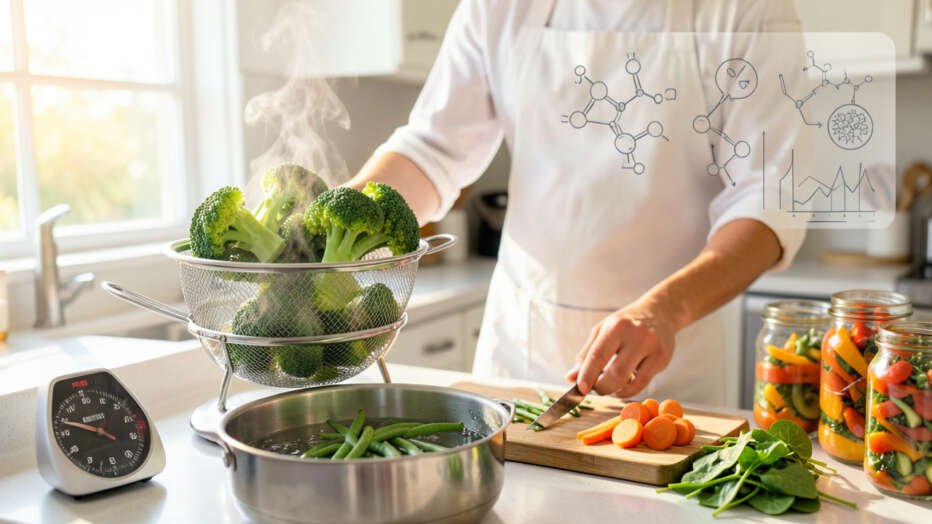
You don’t need to be a food scientist to cook more nutritiously. Implementing a few simple habits can make a big difference. The core principles are to minimize heat exposure, limit water contact, and reduce prep time between chopping and cooking.
- Cut Just Before Cooking: Cutting exposes surface area to air and light, which degrades vitamins like C. Wash and chop vegetables right before you’re ready to cook them.
- Use Minimal Water: Steam instead of boil. If you do boil, use only enough water to cover the bottom of the pot, and consider reducing the water volume for soups and stews.
- Cover Your Pots: Using a lid traps steam and reduces cooking time, which helps preserve heat-sensitive vitamins.
- Cook for Shorter Periods: Aim for “al dente” vegetables that are tender but still crisp. This preserves both texture and nutrients.
- Reuse Cooking Liquid: The water used to boil vegetables or the juices from roasted meat are packed with leached vitamins and minerals. Use them as a base for gravies, sauces, or soups.
- Store Produce Properly: Refrigerate fresh produce promptly. Some vitamins, especially C, begin to degrade at room temperature before you even start cooking.
Tip: Add a squeeze of lemon juice (an acid) when cooking greens. This can help stabilize Vitamin C and enhance the absorption of iron from the plant.
How Do Specific Foods Change With Cooking?
The impact of cooking is highly food-specific due to the unique matrix of nutrients in each item. Here are a few common examples that highlight the nuanced changes.
- Tomatoes: Cooking dramatically increases the bioavailability of the antioxidant lycopene. Tomato paste and sauce are more potent sources of this heart-healthy compound than raw tomatoes.
- Spinach & Leafy Greens: Raw spinach contains oxalic acid, which can bind to calcium and reduce its absorption. Cooking helps break down oxalic acid, making both the calcium and the iron in spinach more available to your body.
- Broccoli & Cruciferous Veggies: These contain sulforaphane, a potent antioxidant. Excessive heat destroys the enzyme (myrosinase) needed to form sulforaphane. Light steaming is ideal; over-boiling can negate this benefit.
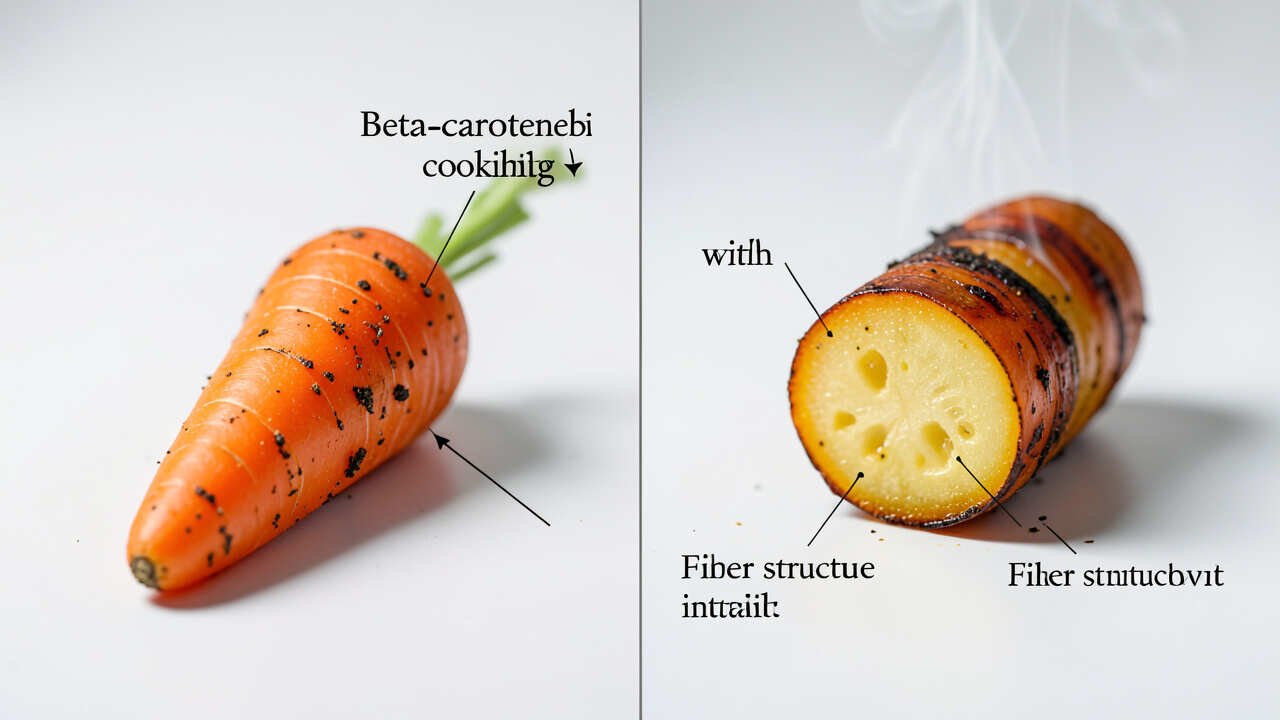
- Carrots: As mentioned, cooking increases beta-carotene bioavailability. However, prolonged boiling can leach out water-soluble vitamins. Steaming or roasting are optimal methods.
- Legumes (Beans, Lentils): Cooking is essential to neutralize toxins and anti-nutrients (like lectins) and to make their nutrients and proteins digestible. Always cook them thoroughly.
Frequently Asked Questions
Is cooked food always less nutritious than raw food?
No, this is a common misconception. While cooking can reduce certain vitamins, it can significantly increase the bioavailability of others, like lycopene and beta-carotene. It also improves protein digestibility and neutralizes anti-nutrients in legumes and grains.
A balanced diet including both raw and cooked foods is ideal.
What is the healthiest way to cook vegetables?
Steaming, microwaving, and quick stir-frying are generally considered the healthiest methods. They use little to no added water and have short cooking times, which helps retain water-soluble vitamins and minerals while making other nutrients more absorbable.
Do I lose nutrients if I reheat leftovers?
You can lose some additional heat-sensitive vitamins with a second round of heating, but the losses are usually minor compared to the initial cooking. Reheating on a lower power setting or using a steamer basket can help. The overall benefit of eating leftovers far outweighs the small nutrient loss.
How can I reduce nutrient loss when boiling vegetables?
The key is to use as little water as possible and avoid long cooking times. Use a shallow pot and only add enough water to create steam. More importantly, consume the cooking water by incorporating it into a soup, sauce, or gravy to reclaim the leached vitamins and minerals.
Does freezing vegetables affect their nutrition?
Flash-freezing vegetables shortly after harvest actually preserves nutrients exceptionally well, often locking in vitamins better than “fresh” produce that has traveled long distances. The freezing process doesn’t significantly degrade nutrients, but blanching before freezing can cause some initial loss. Overall, frozen vegetables are a highly nutritious choice.
Final Thoughts
The relationship between cooking and nutrition is a dynamic balance between loss and enhancement. While certain heat-sensitive vitamins are vulnerable, cooking unlocks a wealth of other nutrients and makes food safer and easier to digest. The key is mindful preparation—choosing gentle methods, minimizing water and time, and utilizing all parts of the food, including cooking liquids. By applying this science to your daily cooking, you can ensure your meals are both delicious and maximally nourishing.