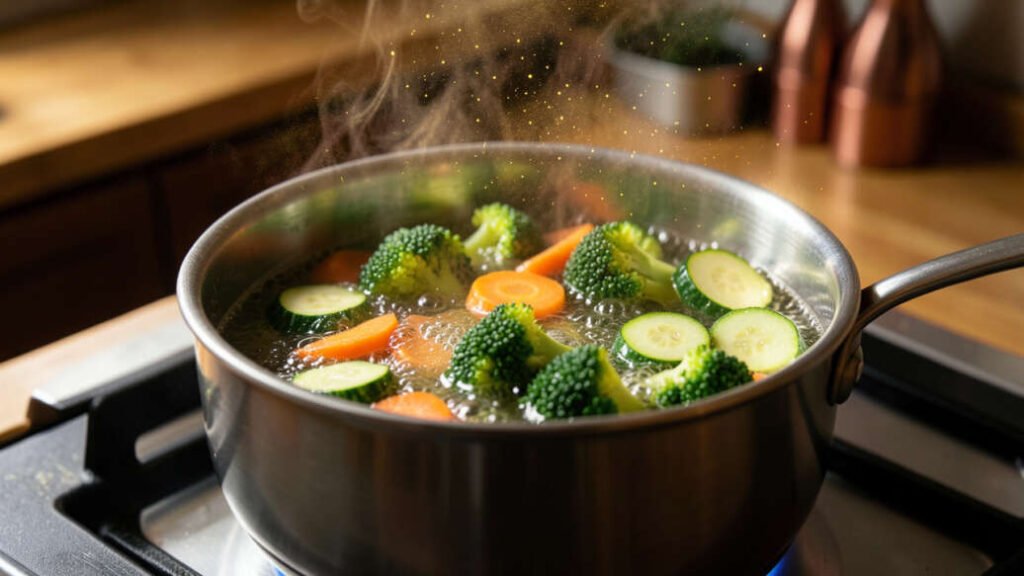
When boiling food, water-soluble nutrients like vitamin C and B vitamins leach out of the solid ingredients and into the surrounding cooking water. Minerals such as potassium and magnesium can also be lost to a lesser degree depending on the cooking time and water volume. To preserve these valuable nutrients, the most effective practice is to reuse the cooking liquid in soups, sauces, or gravies instead of discarding it.
Boiling food in water is a simple cooking method used worldwide, but does this process cause valuable vitamins and minerals to leach into the cooking liquid? Understanding what happens to nutrients when you boil vegetables, pasta, or legumes is crucial for making informed choices in the kitchen. This guide explores the science behind nutrient leaching and provides practical tips to retain the maximum nutritional value in your meals.
Simply put, yes, boiling can cause water-soluble vitamins like vitamin C and certain B vitamins to leach from food into the cooking water. The extent of loss depends on the nutrient, cooking time, water volume, and whether you consume the cooking liquid. Minerals are generally more stable but can still be lost.
Key Takeaways
- Boiling water-soluble nutrients like vitamin C and B vitamins are the most vulnerable to leaching into cooking water.
- Minerals such as potassium and magnesium can also be lost, but typically to a lesser degree than delicate vitamins.
- Cooking method matters significantly; using less water, shorter cooking times, and saving the cooking liquid can dramatically reduce nutrient loss.
- The “best” cooking method depends on the food; boiling is efficient for some items, but steaming or microwaving often preserves more nutrients overall.
What Is Nutrient Leaching and How Does It Happen?
Nutrient leaching is the process where soluble compounds, including vitamins and minerals, dissolve out of food and into the surrounding liquid. When you boil vegetables, the hot water breaks down plant cell walls, making the internal contents more accessible. Water-soluble nutrients then migrate from the high-concentration area inside the food to the lower-concentration area in the surrounding water.
This process is governed by simple diffusion. Think of it like a tea bag steeping in hot water; the flavor and compounds move from the bag into the water until equilibrium is reached. In cooking, the water acts as a solvent, pulling out nutrients as the food softens.
Factors That Accelerate Leaching
- Temperature: Higher heat increases the kinetic energy of molecules, speeding up diffusion.
- Time: The longer the food is submerged in hot water, the more nutrients will leach out.
- Water Volume: More water creates a greater concentration gradient, encouraging more nutrients to leave the food.
- Food Surface Area: Cut or chopped vegetables have more exposed surface, leading to faster leaching.
- Agitation: Stirring the food can increase the rate of nutrient transfer.
| Factor | Effect on Nutrient Loss |
|---|---|
| High Temperature (Rolling Boil) | Increases leaching speed significantly |
| Extended Cooking Time | Allows more time for nutrients to diffuse out |
| Large Amount of Cooking Water | Creates a larger sink for nutrients to move into |
| Pre-chopped or Diced Food | Exposes more surface area for quicker leaching |
Which Nutrients Are Most Affected by Boiling?
Not all nutrients are created equal when it comes to boiling stability. The primary targets are water-soluble vitamins, which readily dissolve in cooking water. Fat-soluble vitamins (A, D, E, K) and minerals are more resilient but are not entirely immune.
Water-Soluble Vitamins at High Risk
- Vitamin C (Ascorbic Acid): Highly sensitive to heat, light, and oxygen. Studies show losses of 15-55% during boiling, depending on the vegetable and time.
- B Vitamins (Thiamin, B6, Folate): These are also quite unstable in hot water. Folate, for example, can experience up to 40% loss in boiling water.
- Pantothenic Acid: Another B vitamin with significant solubility, leading to measurable losses.
Nutrients With Greater Stability
- Minerals (Potassium, Magnesium, Phosphorus): While they can leach, minerals are not degraded by heat. Some potassium loss is common, but the mineral itself remains intact in the water.
- Protein: Becomes more digestible with cooking but does not leach into water in any meaningful way.
- Fat-Soluble Vitamins (A, E, K): Require fat for absorption and are not water-soluble, so they largely stay within the food.
- Fiber: Insoluble fiber remains completely unaffected by boiling.
Tip: To minimize vitamin loss for delicate vegetables like spinach or green beans, consider steaming or blanching for shorter periods instead of a long boil.
How Much Nutrient Loss Occurs During Typical Boiling?
Quantifying exact losses is challenging because it varies so much with cooking conditions. However, research provides clear ranges. A meta-analysis published in the Journal of Food Science found that boiling vegetables caused an average loss of around 14% for minerals, but losses for vitamin C and folate could be substantially higher.
Specific studies highlight the variability. Boiling carrots, for instance, might cause a 10-20% loss of vitamin C, while boiling broccoli for a longer period could see losses exceed 30%. The key variable is what you do with the cooking water.
The Critical Role of Cooking Water Disposal
If you boil food and then discard the cooking water, you are throwing away the dissolved nutrients. This is the single biggest factor determining total nutrient loss. If you consume the cooking liquid, as in soups or stews, the nutrients are not lost from your meal—they have just changed location.
| Scenario | Vitamin C & B Vitamin Retention |
|---|---|
| Boil, then discard water | Low (10-50% retained in food) |
| Boil, and consume all cooking water (e.g., in soup) | High (Near 100% retained in the meal) |
| Steam instead of boil | Very High (Minimal leaching occurs) |
| Microwave with minimal water | Very High (Short time, little water) |
How to Boil Food While Minimizing Nutrient Leaching
You don’t have to abandon boiling altogether. By adjusting your technique, you can significantly reduce nutrient loss and enjoy both the convenience and taste of boiled foods. The goal is to disrupt the leaching process at its key drivers: time, temperature, and water volume.
Start by using the smallest amount of water necessary to just cover the food. For vegetables, a shallow simmer often works better than a vigorous, full-pot boil. Reducing cooking time is equally critical; cook vegetables until they are just tender-crisp, not mushy.
Practical Steps to Preserve Nutrients
- Use Less Water: Cover vegetables with only about an inch of water. For pasta and grains, use a ratio that allows most water to be absorbed.
- Bring Water to a Boil First: Adding food to already boiling water can help lock in nutrients and color by deactivating enzymes quickly.
- Cook in Larger Pieces: Keep vegetables whole or in large chunks to reduce the surface area exposed to the water.
- Reduce Cooking Time: Use a timer. Test for doneness frequently. “Al dente” is better than overcooked.
- Save and Use the Liquid: Strain and reserve the nutrient-rich cooking water. Use it as a base for soups, sauces, gravies, or even to cook other grains like rice or couscous.
- Chill Rapidly (Blanching): For freezing, blanch vegetables briefly, then plunge into ice water to stop cooking. This minimizes time in hot water.
Important: If you are boiling potatoes or other starchy vegetables you plan to mash, the absorbed water and retained nutrients are part of the final dish, making this method nutritionally sound.
How Does Boiling Compare to Other Cooking Methods?
Boiling is just one option. Comparing it to other common methods helps you choose the best technique for the specific food and nutritional goal you have in mind. Steaming, microwaving, roasting, and sautéing all interact differently with food’s nutrient content.
Steaming is often lauded as a top nutrient-preserver because food isn’t submerged. Microwaving is also excellent due to its short cooking time and minimal added water. Dry-heat methods like roasting and sautéing don’t cause leaching but can degrade heat-sensitive vitamins through prolonged exposure.
Quick Comparison of Cooking Methods
- Steaming: Excellent for water-soluble vitamins. Little to no leaching. Good for delicate vegetables.
- Microwaving: Very quick, uses minimal water. Excellent nutrient retention, especially for vegetables.
- Roasting/Baking: No leaching. Can concentrate flavors. Some vitamin C loss from heat, but minerals and fiber are well-preserved.
- Sautéing/Stir-frying: Quick cooking in a small amount of fat. Good for retaining most nutrients, provided high heat and short time are used.
- Pressure Cooking: Very fast, sealed environment. Minimal nutrient loss because of the short time.
Choosing the Right Method
The best method depends on the food. Leafy greens are great steamed or quickly blanched. Root vegetables roast well.
For a hearty soup, boiling is necessary and perfectly fine since you consume the broth. The key is to vary your methods based on the ingredient.
Why Do Some People Prefer Boiling Despite Nutrient Concerns?
Given the potential for nutrient leaching, it’s fair to ask why boiling remains a popular cooking method worldwide. The reasons extend beyond nutrition and include practicality, tradition, taste, and specific culinary outcomes that other methods cannot achieve.
Boiling is incredibly simple, requires minimal skill or specialized equipment, and is excellent for cooking large quantities evenly. It hydrates dried foods like beans and lentils, makes tough cuts of meat tender, and is the foundational step for countless soups, stews, and sauces.
Valid Reasons to Continue Boiling
- Hydration and Rehydration: Essential for cooking dried beans, pulses, and pasta to their edible state.
- Safety: Boiling is a reliable method to ensure food reaches a safe internal temperature, killing pathogens.
- Texture and Flavor Base: Creates a flavorful liquid (stock) that becomes the backbone of many dishes.
- Convenience and Energy Efficiency: A single pot can cook a complete meal, and it’s energy-efficient for cooking large volumes.
- Cultural and Traditional Dishes: Many traditional recipes, from dumplings to potatoes, rely on boiling for authentic texture and taste.
Warning: Never assume all boiled food is low in nutrients. The nutritional impact is determined almost entirely by your cooking technique and whether you consume the cooking liquid.
What Are Common Mistakes When Boiling for Nutrition?
Even with good intentions, small errors can negate your efforts to preserve nutrients. Being aware of these pitfalls helps you cook more effectively. The most common mistakes involve excess water, overcooking, and discarding the very liquid that has captured the leached nutrients.
Using a massive pot of water for a handful of vegetables is a guaranteed way to maximize leaching. Similarly, boiling vegetables until they are soft and dull in color not only ruins texture but also indicates a significant loss of both nutrients and flavor compounds.
Top Mistakes to Avoid
- Using Too Much Water: The number one error. More water equals more nutrient loss. Use just enough to cook the food.
- Overcooking: Boiling food to death destroys heat-sensitive vitamins and turns vegetables unappetizing. Cook to al dente.
- Throwing Away Cooking Water: If you’re not making soup, you’re pouring vitamins down the drain. Find another use for it.
- Adding Baking Soda: Sometimes added to keep vegetables green, it dramatically increases the degradation of vitamin C and B vitamins.
- Cutting Food Too Small Before Boiling: Increases surface area, accelerating leaching. Cook larger pieces when possible.
- Not Using a Lid: A lid helps water boil faster, reducing total cooking time and potentially nutrient exposure to heat.
How Can You Use Nutrient-Rich Cooking Water Creatively?
Transforming potential waste into a resource is the cornerstone of nutritious boiling. The cloudy, vitamin-and-mineral-laden water you drain from vegetables or pasta is a liquid goldmine of flavor and nutrition. Integrating it into your cooking is easy and elevates your dishes.
Cooking water from vegetables like carrots, onions, and celery makes a perfect instant vegetable broth. The starchy water from pasta is an excellent thickener for sauces, helping them cling to noodles. Even the water from boiled potatoes can be used to add body to soups or to cook other starches.
Creative Uses for Cooking Water
- Soup and Stew Base: Use it as the liquid foundation for your next soup, maximizing every nutrient.
- Sauce Thickener: Starchy pasta water helps emulsify and thicken oil-based sauces like pesto or aglio e olio.
- Cooking Liquid for Grains: Use vegetable cooking water instead of plain water to cook rice, quinoa, or couscous for added flavor and nutrients.
- Rehydrating Food: Use warm vegetable stock to rehydrate dried mushrooms or sun-dried tomatoes.
- Bread or Dough Hydration: Incorporate cooled, flavorful water into bread dough for a subtle taste boost.
Frequently Asked Questions
Does boiling remove more nutrients than steaming?
Yes, for water-soluble vitamins, boiling typically causes more leaching than steaming. This is because food is fully submerged in boiling water, providing a larger volume for nutrients to dissolve into. Steaming uses minimal water vapor, so the direct contact and leaching effect are greatly reduced.
Is the water from boiled vegetables nutritious?
Absolutely. The water contains the water-soluble vitamins (C, B-complex) and minerals (potassium, magnesium) that have leached out of the vegetables. If you discard it, those nutrients are lost.
Using it in soups, sauces, or to cook other foods recaptures those lost nutrients.
Do minerals leach into boiling water as much as vitamins?
Minerals like potassium and magnesium do leach into boiling water, but generally to a lesser extent than delicate vitamins. Minerals are not destroyed by heat, so they remain in the water if discarded. Vitamins are also lost through degradation from the heat itself, compounding the leaching effect.
Can you prevent all nutrient leaching when boiling?
You cannot prevent it entirely, but you can minimize it drastically. Use the smallest amount of water possible, cook for the shortest time needed, and consume the cooking liquid. These three steps combined can retain a very high percentage of the original nutrients.
Is boiling food ever the most nutritious option?
Yes. For some foods and purposes, boiling is excellent. It’s the ideal method for cooking dried beans and legumes to make them digestible.
When you make a soup or stew, boiling allows nutrients to disperse throughout the dish you eat entirely, making it a very nutritious cooking method.
Final Thoughts
Boiling can cause nutrients to leach into cooking water, primarily affecting water-soluble vitamins like vitamin C and B vitamins. However, this process is manageable through mindful cooking techniques—using less water, reducing cooking time, and repurposing the nutrient-rich liquid. By understanding the science and applying practical tips, you can enjoy the convenience and taste of boiled foods without sacrificing valuable nutrition. The power is in your hands to decide whether those leached nutrients become part of your meal or get poured down the drain.