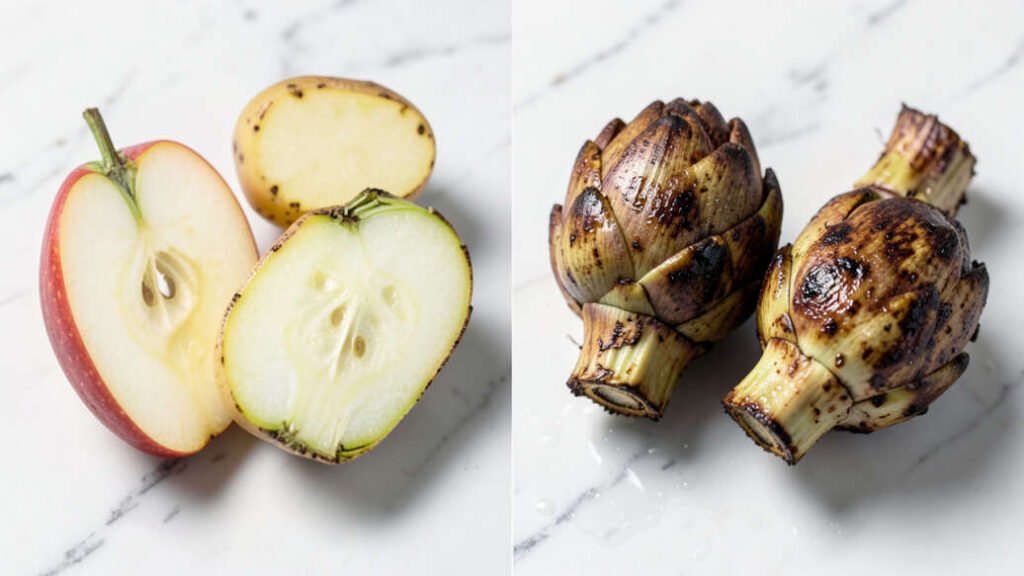
Cut fruits and vegetables turn brown due to enzymatic browning, a chemical reaction triggered when cellular damage exposes the produce to oxygen. This process is primarily catalyzed by the enzyme polyphenol oxidase (PPO), which generates brown pigments called melanin. You can prevent this discoloration and preserve freshness by reducing oxygen exposure, using acidic solutions like lemon juice, or refrigerating the cut produce.
Why do cut fruits and vegetables turn brown? This common kitchen mystery happens because of a natural chemical reaction. It affects the look and quality of your fresh produce, making it less appealing to eat.
This reaction is called enzymatic browning. It happens when you slice into an apple, banana, or potato. Oxygen in the air triggers enzymes inside the plant cells.
This creates that unappetizing brown color on the surface.
You can easily prevent this discoloration with simple techniques. Understanding the science helps you keep your produce fresh longer. We’ll cover what causes browning and the best ways to stop it.
Simply put, cut fruits and vegetables turn brown due to an enzyme called polyphenol oxidase (PPO). When exposed to oxygen, this enzyme triggers a chemical reaction that produces melanin, the same pigment responsible for human skin tanning. This process, known as enzymatic browning, can be slowed using acid, reducing oxygen exposure, or controlling temperature.
Key Takeaways
- Why do cut fruits and vegetables turn brown? It’s primarily caused by an enzyme reacting with oxygen in the air.
- The specific enzyme involved is polyphenol oxidase (PPO), which is present in most plant tissues.
- Browning is accelerated by damage to the cells, such as from cutting, bruising, or crushing.
- You can prevent browning by using acidic solutions, cold water, or specialized products that block oxygen.
- While brown produce is safe to eat, it has a degraded texture and flavor, making prevention key for quality.
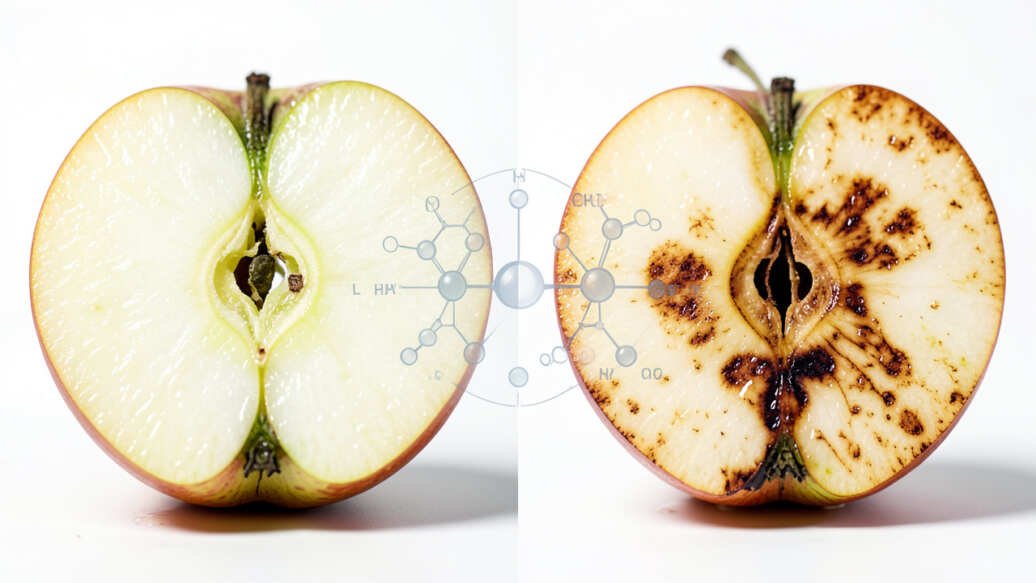
What is Enzymatic Browning and How Does It Work?
Enzymatic browning is a form of food deterioration. It’s not decay or spoilage from bacteria. It’s a purely chemical change within the plant itself.
The process requires three key components: the enzyme (PPO), a substrate (phenolic compounds in the fruit or vegetable), and oxygen. When you cut the produce, you break open plant cells.
This damage mixes the enzyme and substrates that were previously separated. Atmospheric oxygen then enters the equation. The enzyme acts as a catalyst, speeding up the reaction between the phenols and oxygen.
The result is the production of quinones. These quinones then polymerize to form melanin. Melanin is a dark brown pigment that causes the visible discoloration.
The Key Players in the Browning Reaction
- Polyphenol Oxidase (PPO): The primary enzyme responsible. Found in chloroplasts of plant cells.
- Phenolic Compounds: Natural chemicals in fruits/vegetables like tyrosine and chlorogenic acid. They are the “fuel” for the reaction.
- Oxygen: The final reactant needed to complete the chemical change. It’s always present in the air.
- Cell Damage: The trigger that allows the enzyme and substrates to mix with oxygen.
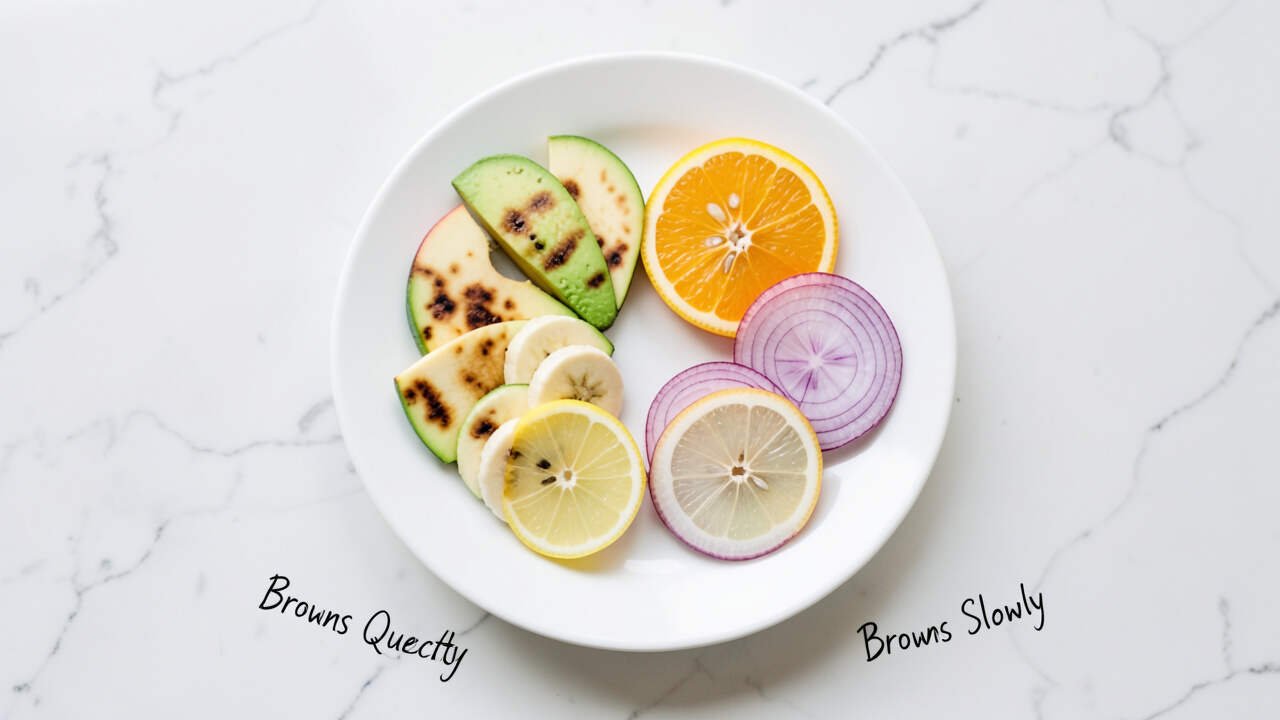
The speed of browning varies greatly between different types of produce. Apples, pears, bananas, and mushrooms are highly susceptible. Pineapple and citrus fruits are much less prone to browning.
What Factors Influence the Speed of Browning?
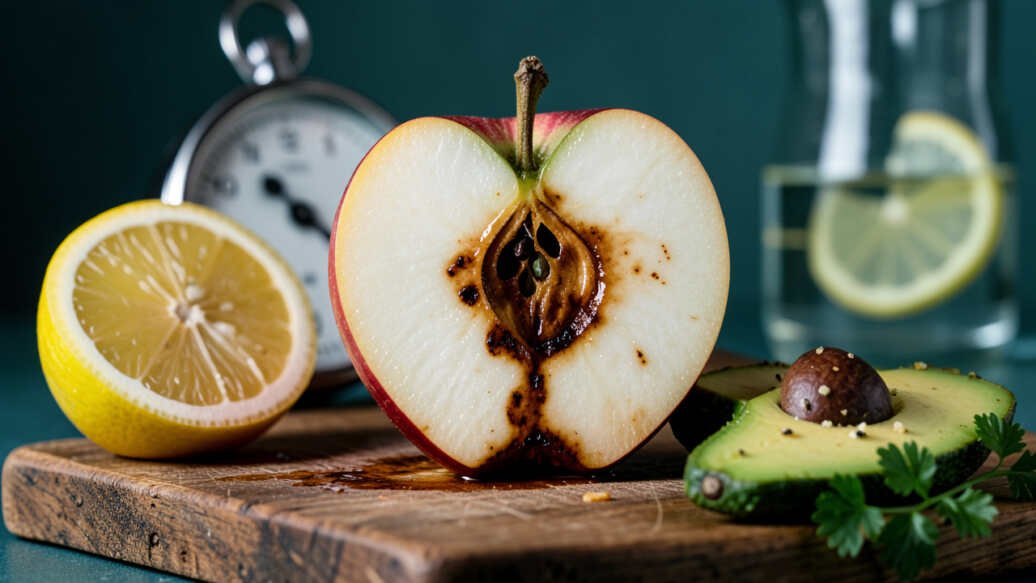
Not all cut produce browns at the same rate. Several factors can speed up or slow down the reaction. Understanding these helps you choose the right prevention method.
The concentration of PPO and phenols in the specific fruit matters most. Variety plays a role. For example, Red Delicious apples brown faster than Granny Smith apples.
Environmental conditions are also critical. Temperature, pH level, and the amount of available oxygen all affect the reaction speed. Higher temperatures generally increase enzymatic activity.
| Factor | Effect on Browning Speed |
|---|---|
| Temperature | Higher temperatures accelerate the reaction. Cold temperatures slow it down. |
| pH Level | Acidic conditions (low pH) inhibit PPO activity. Alkaline conditions speed it up. |
| Oxygen Exposure | More oxygen exposure leads to faster browning. Limiting air slows it. |
| Cut Surface Area | Smaller, finer cuts create more surface area, increasing oxygen contact. |
| Water Activity | PPO needs water to function. Drying produce slightly can slow browning. |
According to food science research, the browning rate can double for every 10°C (18°F) increase in temperature within a certain range. This is why storing cut apples on the counter browns them much faster than in the refrigerator.
How Can You Prevent Fruits and Vegetables from Turning Brown?
Prevention is about disrupting the enzymatic browning triangle. You need to remove or block one of the three key components: the enzyme, the substrate, or oxygen. Several effective methods exist.
The most common and accessible methods involve either lowering the pH with acid or reducing oxygen contact. Commercial products often use a combination of these principles.
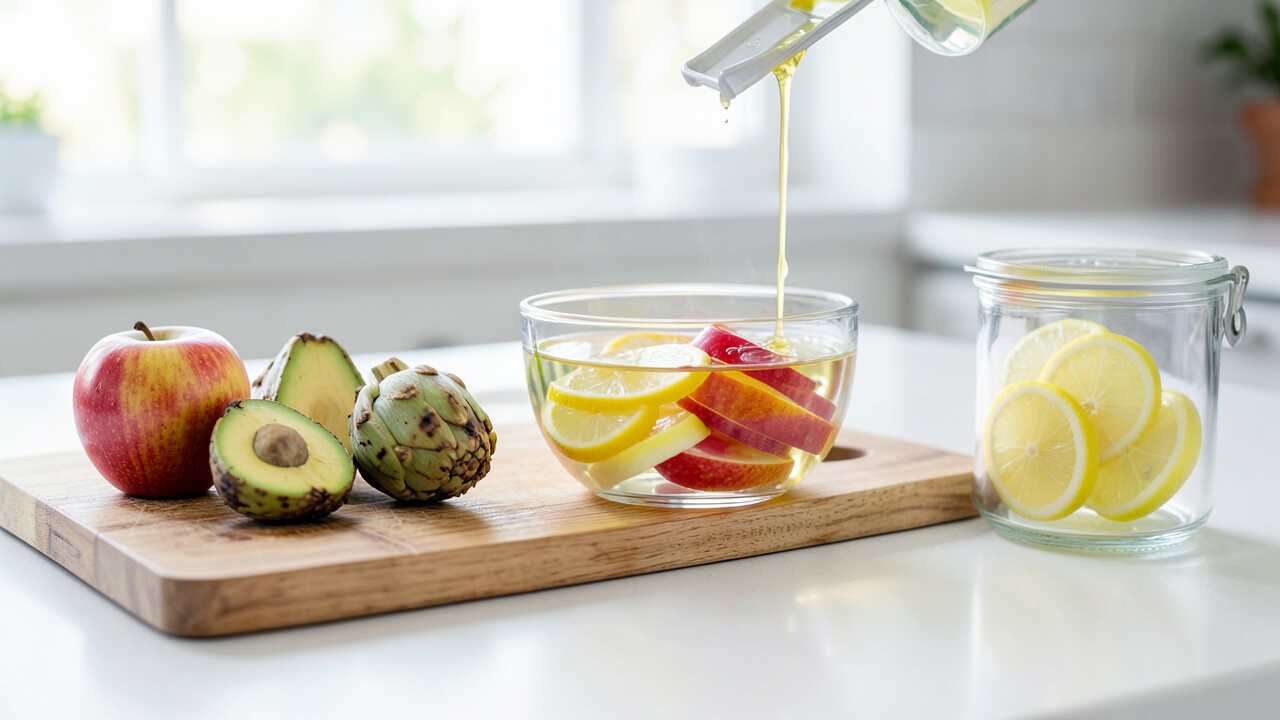
Acidulated Water (The Lemon Juice Method)
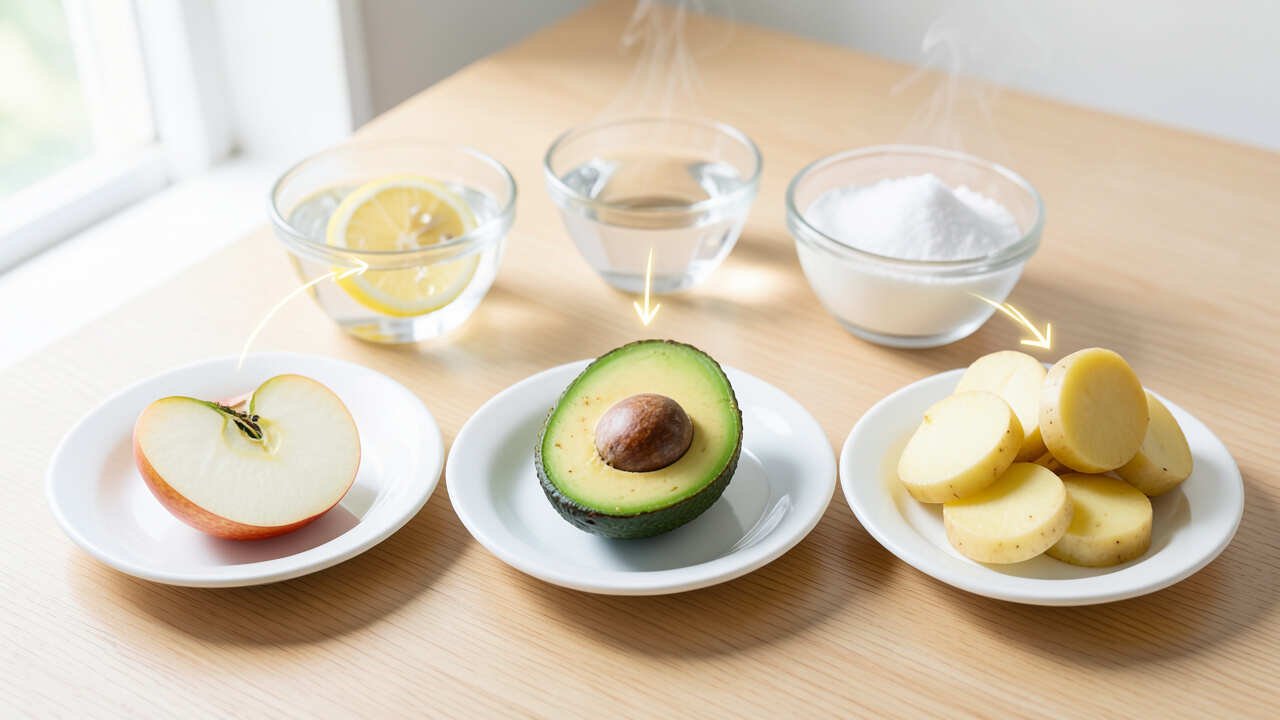
Soaking cut produce in an acidic solution is the classic home remedy. Lemon juice, lime juice, or vinegar lowers the pH. This denatures the PPO enzyme, making it inactive.
A typical solution is 1 tablespoon of acid per cup of water. Submerge the pieces completely for 5-10 minutes. Pat dry before serving or storing.
Tip: For a milder taste, use a weaker solution. For fruits where flavor is critical (like apples), try using citric acid powder or ascorbic acid (vitamin C) instead, as it adds less tang.
Cold Water and Refrigeration
Cold temperatures slow down all enzymatic reactions. Placing cut produce in very cold water immediately after cutting helps. Storing it in the refrigerator is essential.
For items like shredded potatoes or apples, soaking in cold water also creates a physical barrier against oxygen. This is why shredded potatoes are kept in water until cooking.
Commercial Anti-Browning Products
Products like “Fruit-Fresh” or “No More Browning” are available in grocery stores. These contain ingredients like ascorbic acid, citric acid, and sometimes calcium to preserve texture.
They are very effective and easy to use. You simply sprinkle or dip the cut produce. They are ideal for large quantities, like for a fruit salad or catering tray.
| Prevention Method | How It Works | Best For |
|---|---|---|
| Lemon Juice Bath | Lowers pH to inactivate PPO enzymes. | Apples, pears, artichokes. Quick, household method. |
| Commercial Sprinkle | Contains acids and often calcium salts to preserve texture. | Fruit salads, large batches. Convenient and consistent. |
| Underwater Storage | Physically blocks oxygen from reaching the cut surface. | Shredded potatoes, sliced potatoes for frying. |
| Vacuum Sealing | Removes air entirely, eliminating the oxygen reactant. | Long-term storage. Requires special equipment. |
What is the Best Way to Store Cut Fruits and Vegetables?
Proper storage after cutting is just as important as initial prevention. The goal is to minimize oxygen exposure and control temperature. How you store them dictates how long they stay fresh.
Airtight containers are your best friend. They create a barrier against air. Filling the container as much as possible reduces the amount of trapped oxygen.
For moist environments, lining the container with a damp paper towel can help. For dry items like sliced peppers, a dry container is better to prevent sogginess.
- Use Airtight Containers: Glass or high-quality plastic with tight-fitting lids are ideal. Specialized containers with vacuum pumps offer the best protection.
- Minimize Air Space: Fill containers completely. If you have empty space, press a piece of plastic wrap directly onto the surface of the produce before sealing.
- Refrigerate Immediately: Place sealed containers in the coldest part of your refrigerator, usually the back of the bottom shelf. Do not leave them at room temperature.
- Consume Promptly: Even with perfect storage, cut produce degrades within 2-4 days. Plan to use it soon for best quality.
Important: Always wash your produce thoroughly before cutting. Once cut, it cannot be washed again without adding excess moisture, which can promote bacterial growth. Cut on a clean surface with a clean knife.
Why Do Some Fruits and Vegetables Brown More Than Others?
The degree of browning varies dramatically. A cut apple browns in minutes. A cut citrus fruit or pineapple can sit for hours with minimal change.
This comes down to biochemistry.
The primary reason is the concentration and type of PPO and phenolic compounds in each plant. Fruits that evolved in environments with high sun exposure may have more protective pigments.
Another factor is the presence of natural inhibitors. Some plants have compounds like ascorbic acid (vitamin C) built into their tissues. This provides inherent protection against browning.
| Produce Type | Browning Susceptibility | Key Reason |
|---|---|---|
| Apples, Pears, Bananas | Very High | High PPO activity and phenol content. |
| Potatoes, Artichokes, Mushrooms | High | Contain high levels of the enzyme PPO. |
| Avocados | Moderate to High | Enzyme present, but oil content can slightly slow it. |
| Citrus Fruits, Pineapple | Very Low | High natural acidity (low pH) inhibits the PPO enzyme. |
| Cherries, Grapes, Berries | Low | Skin protects interior; low PPO activity in flesh. |
A 2019 study in the Journal of Food Science analyzed PPO activity in different apple cultivars. They found activity levels varied by over 500% between the most and least browning-prone varieties.
How Do You Stop Specific Items Like Apples, Avocados, and Potatoes From Browning?
While general methods work, some popular items have specific, optimized techniques. Knowing the best approach for each ensures better results.
For apples and pears, the goal is often to maintain a crisp texture and clean taste. For avocados, it’s about preserving the creamy texture. Potatoes need to stay firm for cooking.
Best Method for Sliced Apples
The ascorbic acid method is superior. Use 1/4 teaspoon of ascorbic acid powder per cup of water. It prevents browning without adding a citrus flavor.
A commercial apple dip is also excellent.
Best Method for Cut Avocado
The challenge is the high oil content. Leave the pit in the unused half and press plastic wrap directly onto the exposed flesh. Brush the surface with lemon juice, lime juice, or olive oil.
Warning: Do not store cut avocado in water. While it can slow browning, it can also affect the texture and lead to waterlogging, making it unappealing.
Best Method for Sliced Potatoes
The underwater method is non-negotiable. Submerge slices or shreds in cold water immediately. Adding a pinch of salt or a splash of vinegar to the water enhances the effect.
Always drain and pat dry before cooking.
According to culinary experts at the Culinary Institute of America, this method not only prevents browning but also removes excess starch, leading to crispier fries and hash browns.
Does Brown Produce Mean It Has Gone Bad?
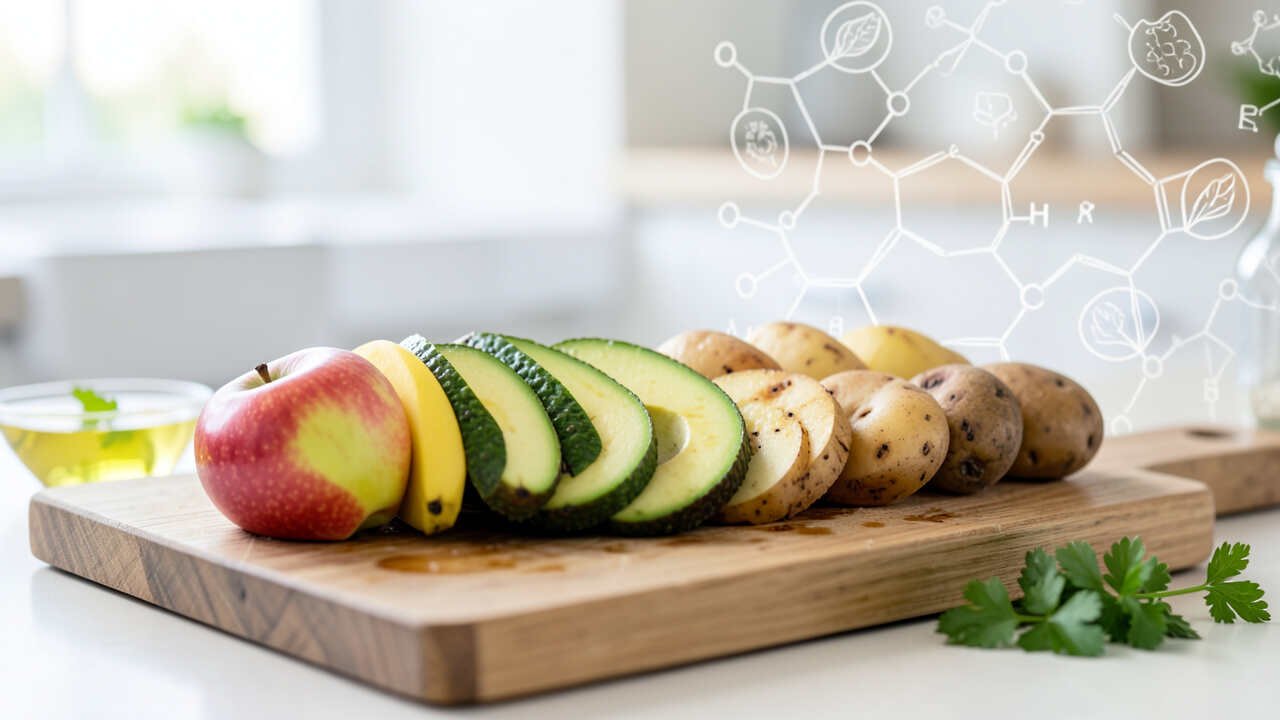
This is a common concern. The short answer is no. Enzymatic browning is a chemical change, not a sign of spoilage.
The food is still safe to eat.
However, the quality is diminished. The browned areas can have a slightly bitter taste. The texture may become softer or mushier.
For these reasons, most people prefer to avoid it.
You should distinguish browning from actual spoilage. Spoilage involves mold, foul odors, slimy texture, or fermentation. If you see any of these signs, discard the food.
Signs of Spoilage vs. Browning
- Browning Only: Discoloration on the surface, otherwise firm texture, no off smell.
- Actual Spoilage: Visible mold (white, green, blue fuzz), slimy or sticky surface, sour or alcoholic smell, or oozing liquid.
You can often trim away the browned layer on firm produce like apples or pears. The flesh underneath is usually fine. For softer items like avocados, the browning may permeate deeper.
Frequently Asked Questions
Why do cut apples turn brown so quickly?
Apples are high in both polyphenol oxidase (PPO) enzyme and the phenolic compounds it reacts with. When cut, these mix with oxygen, triggering rapid browning. This can begin within just a few minutes of exposure to air.
Is it safe to eat fruits and vegetables that have turned brown?
Yes, it is generally safe. Enzymatic browning is a natural chemical reaction and does not produce harmful compounds. However, the browned areas may have a slightly bitter taste and a softer texture, so they are less pleasant to eat.
Does soaking cut potatoes in water prevent browning?
Yes, soaking sliced or shredded potatoes in cold water is an effective method. The water creates a physical barrier, preventing oxygen in the air from reaching the potato surfaces. It’s best to keep them submerged until you’re ready to cook.
What is the best liquid to stop cut fruits from browning?
Acidic liquids are best. A solution of water mixed with lemon juice, lime juice, or citric acid (vitamin C) works well. For a neutral taste, a stronger solution of ascorbic acid powder dissolved in water is ideal, as it prevents browning without adding flavor.
Can you prevent avocados from turning brown?
You can slow the process significantly. The best method is to leave the pit in the half you’re not using, press plastic wrap directly onto the cut surface to eliminate air, and optionally brush the flesh with lemon juice before wrapping. Refrigerating it this way helps further.
Final Thoughts
The brown discoloration on cut fruits and vegetables is caused by a natural enzyme reaction with oxygen. While harmless, it impacts taste and appearance. You now know how this process works and the simple science behind it.
Using acidic solutions, cold water, or commercial products effectively stops browning. Proper airtight storage in the refrigerator is also key. Choose the method that best fits your needs for fresh-looking, high-quality produce every time.