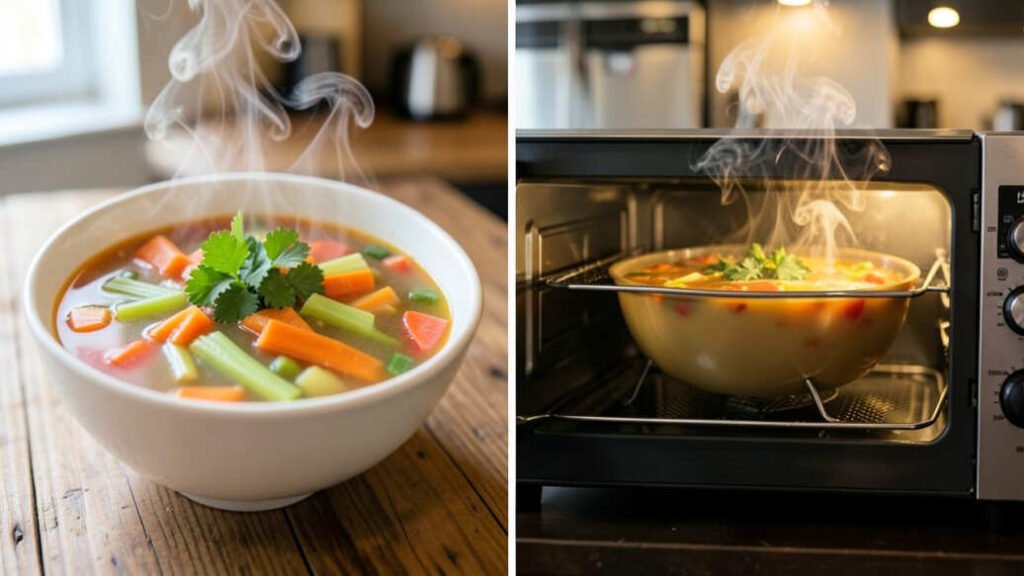
Reheating food alters its nutritional profile, primarily by degrading heat-sensitive water-soluble vitamins like vitamin C and certain B vitamins, while potentially increasing the bioavailability of some antioxidants such as lycopene in tomatoes. The extent of nutrient change depends significantly on the food type, storage duration, and reheating method, with techniques using lower temperatures and minimal added water preserving more nutrients. Properly stored and reheated leftovers remain safe and nutritious, making mindful reheating a practical strategy for maintaining a healthy diet.
Understanding these changes helps you make smarter choices about storage and reheating methods. This guide breaks down exactly what happens to vitamins, minerals, and other compounds when you reheat your meals.
Simply put, reheating food can cause some heat-sensitive vitamins, like vitamin C and certain B vitamins, to break down. However, it can also make some nutrients, like lycopene in tomatoes, more available for your body to absorb. The final impact depends on the food type, the original cooking method, and how you reheat it.
Key Takeaways
- Reheating food primarily affects water-soluble vitamins (like vitamin C and B vitamins), which can leach into cooking liquids or degrade with heat.
- Fat-soluble vitamins (A, D, E, K) and minerals like iron are generally more stable and less affected by reheating.
- The reheating method matters significantly – methods that use less water and lower temperatures preserve more nutrients.
- Properly stored and reheated leftovers are safe and nutritious, but quality and taste can change.
- Some antioxidants, such as lycopene in tomatoes, can actually become more bioavailable after being cooked and reheated.
What Happens to Nutrients When Food Is Reheated?
When you apply heat to already-cooked food, you’re essentially giving nutrients another round of exposure to thermal energy. This can trigger further chemical reactions. The most significant changes happen to vitamins, while minerals and macronutrients (protein, fats, carbs) remain largely stable.
The primary mechanisms for nutrient loss are oxidation and degradation. Heat accelerates the breakdown of delicate vitamin molecules, especially in the presence of oxygen. Water-soluble vitamins are particularly vulnerable because they can dissolve and be lost if the food is sitting in liquid.
- Vitamin C: Highly sensitive to heat and oxygen. Reheating can destroy a significant portion of what’s left in the food.
- B Vitamins (Thiamin, Folate, B12): Also sensitive to heat and can leach out into cooking water. Thiamin loss can be as high as 50% with repeated heating.
- Carotenoids (e.g., Beta-carotene, Lycopene): Generally stable. Lycopene, found in tomatoes and watermelon, may become more bioavailable.
- Minerals (Iron, Calcium, Potassium): Very stable minerals that are not significantly affected by reheating temperatures.
- Proteins and Fats:
| Nutrient Group | Effect of Reheating | Typical Loss or Change |
|---|---|---|
| Water-Soluble Vitamins | High sensitivity to heat and leaching | Moderate to significant loss (10-50%+) |
| Fat-Soluble Vitamins | Generally stable; may degrade with high heat | Minimal to slight loss |
| Minerals | Very stable; not affected by heat | Negligible to none |
| Antioxidants (e.g., Lycopene) | Often becomes more bioavailable | Increased availability |
| Macronutrients | Largely unchanged | Minimal to none |
How Different Reheating Methods Affect Nutrition
The way you reheat your food plays a crucial role in how many nutrients survive. Methods that are faster and use less water generally preserve more vitamins. A microwave, often criticized, is actually one of the better options for nutrient retention.
Steaming and stovetop reheating in a covered pan are also good choices. The key is to use minimal additional water and to heat food only until it’s hot throughout, avoiding prolonged high temperatures.
- Microwave (Best for Nutrients): Heats food quickly and uses little to no added water, minimizing the leaching of water-soluble vitamins.
- Stovetop (Good): Use a covered pan with a splash of water or broth. This steams the food gently and retains moisture and nutrients well.
- Steaming (Excellent): An excellent method that uses indirect steam heat, preserving both texture and a high percentage of vitamins.
- Oven or Toaster Oven (Decent): Good for drier foods. Use lower temperatures (around 325°F/165°C) and cover with foil to prevent drying and excessive heat exposure.
- Deep Frying (Poor): Not a typical reheating method, but it introduces excess fat and high temperatures, leading to nutrient degradation and potential formation of unhealthy compounds.
Why Some Foods Gain Nutritional Benefits After Reheating
It’s not all about loss. For certain plant foods, cooking and reheating can actually improve the nutritional profile. This happens because heat breaks down tough plant cell walls, making beneficial compounds easier for your body to absorb.
The classic example is tomatoes. The antioxidant lycopene is bound within the tomato’s cell structure. Cooking breaks it free, and reheating continues this process.
Studies show that heated tomato products can have significantly higher lycopene content than raw tomatoes.
- Lycopene (Tomatoes, Watermelon): Becomes more bioavailable with heat. Tomato sauce, soup, and paste are excellent sources.
- Beta-Carotene (Carrots, Sweet Potatoes): Cooking softens the vegetable matrix, increasing the release and absorption of this vitamin A precursor.
- Antioxidants in Spinach and Kale: Gentle reheating can make certain antioxidants more accessible, although very high heat can still degrade some vitamins.
- Protein Digestibility: In some legumes and grains, reheating ensures they are fully heated through, which can aid in complete protein digestion.
This is why many recipes for sauces and soups call for cooking vegetables thoroughly and why leftovers can still be a powerhouse of nutrition. The key is to reheat gently to preserve these gains without causing excessive loss of other sensitive nutrients.
Best Practices for Storing and Reheating Leftovers
To maximize both safety and nutrient retention, a systematic approach is best. The process begins the moment your meal is done cooking. Proper storage is the first line of defense against bacterial growth and nutrient degradation over time.
Cool food quickly and refrigerate it within two hours of cooking. Divide large portions into shallow containers to speed up the cooling process. This prevents food from lingering in the “danger zone” (40°F-140°F or 4°C-60°C) where bacteria multiply rapidly.
- Cool Rapidly: Place hot food in shallow containers. You can set the container in an ice bath (without letting water in) to bring the temperature down quickly.
- Refrigerate Promptly: Store leftovers in airtight containers in the fridge within 2 hours. Most leftovers are safe for 3-4 days.
- Freeze for Longer Storage: For meals you won’t eat within 3-4 days, freeze them immediately. Freezing effectively pauses nutrient loss and bacterial growth.
- Reheat to 165°F (74°C): Use a food thermometer to ensure food is heated through to this safe internal temperature.
- Reheat Only Once: For food safety and quality, reheat only the portion you plan to eat. Repeated heating cycles increase nutrient loss and contamination risk.
How Does Reheating Affect Specific Food Groups?
Not all foods react the same way to a second round of heat. Understanding the differences can help you prioritize what to eat fresh and what holds up well as leftovers.
Vegetables are the most varied group. Leafy greens like spinach can become limp and lose some vitamin C, but starchy vegetables like potatoes and sweet potatoes reheat well with minimal nutrient impact. The real concern is often texture.
| Food Group | Nutrient Stability | Best Reheating Tip |
|---|---|---|
| Vegetables | Mixed. Heat-sensitive vitamins (C, B) decrease. Antioxidants may increase. | Steam or microwave with minimal water. Heat until just warm. |
| Meats & Poultry | Highly stable. Proteins and minerals are largely unaffected. | Reheat gently with a splash of broth to prevent drying out. |
| Grains & Legumes | Very stable. Complex carbs and fiber are intact. Protein may be slightly more digestible. | Microwave with a wet paper towel over the container to add steam. |
| Dairy (Cheese, Yogurt) | Stable. Calcium and protein are unaffected. Texture can separate. | For cheese sauces, reheat slowly while stirring. Add a bit of milk. |
| Eggs | Stable. Protein is unaffected. Texture can become rubbery if overheated. | Reheat slowly at a lower power setting in the microwave. |
For meats and grains, the main concern is texture and moisture, not nutrition. For eggs and dairy, gentle reheating prevents unpleasant changes. The overall takeaway is that while some vitamin loss occurs, the macronutrient and mineral content of your meal remains robust.
What Does Science Say About Nutrient Loss in Reheated Food?
Numerous studies have examined the impact of cooking and reheating on food’s nutritional content. Research confirms that the initial cooking causes the most significant nutrient loss, with reheating causing further, but often smaller, reductions.
A key factor is the total thermal exposure time. Food that is cooked and then immediately frozen will lose fewer nutrients during reheating than food cooked, stored in the fridge for days, and then reheated. The cumulative heat effect matters.
According to the Journal of Food Science, reheating methods that minimize water use, such as microwaving, retained significantly higher levels of ascorbic acid (vitamin C) in vegetables compared to boiling. The BBC Good Food organization reports that up to 50% of certain B vitamins can be lost in cooking water, a loss that is compounded if that water is discarded.
- Study on Vegetables: Research from the University of California found that microwaving and steaming preserved the most antioxidants in broccoli compared to boiling.
- Meat Proteins: Studies indicate that the protein digestibility-corrected amino acid score (PDCAAS) of meat is not significantly reduced by reheating.
- Starch Digestibility: Research published in Food Chemistry shows that reheating can increase the amount of resistant starch in some foods like potatoes, which can have beneficial effects on gut health.
Does the Type of Container Used for Storage Matter?
Yes, the storage container can indirectly affect nutrient retention. The primary concern is the container’s ability to create an airtight seal, which prevents oxidation and the absorption of other food odors from the refrigerator.
Air exposure accelerates the degradation of certain vitamins and fats. Containers that allow for minimal air space are ideal. Glass containers with locking lids are excellent, as they are non-reactive and seal well.
- Glass Containers (Best): Non-porous, non-reactive, and usually come with airtight lids. Easy to see contents. Can go from fridge to microwave or oven.
- High-Quality Plastic (Good): Ensure it’s BPA-free and labeled microwave-safe. Look for tight-sealing lids. Good for freezing.
- Stainless Steel (Good for Freezing): Durable and airtight. Cannot be microwaved. Great for fridge and freezer storage.
- Reusable Silicone Bags (Improving): Airtight when sealed properly. Flexible and good for space-saving. Ensure they are food-grade and suitable for the intended heat source.
The main takeaway is that a tight seal is more important than the material itself. A well-sealed container protects your food from air and contaminants, helping to preserve both its taste and nutritional integrity until you’re ready to reheat.
Are There Any Health Risks Beyond Nutrient Loss?
While nutrient changes are the focus, food safety is the paramount concern with reheated leftovers. Improper handling can lead to foodborne illness, which poses a greater immediate health risk than the loss of some vitamins.
The biggest risk comes from bacterial growth. Pathogens like Salmonella, E. coli, and Listeria can multiply to dangerous levels if food is not cooled, stored, and reheated correctly.
- The Danger Zone: Bacteria thrive between 40°F and 140°F (4°C and 60°C). Food should not remain in this range for more than 2 hours total.
- Reheating Temperature: The USDA recommends reheating leftovers to an internal temperature of 165°F (74°C). This kills most harmful bacteria.
- Uneven Heating: Microwaves can heat unevenly. Stir food midway through and let it stand for a minute after heating to allow heat to distribute.
- High-Risk Foods: Be extra cautious with cooked rice, pasta, and starchy foods, which can harbor Bacillus cereus spores if left at room temperature.
Frequently Asked Questions
Is it safe to reheat food more than once?
The general recommendation from food safety agencies like the USDA is to reheat leftovers only once. Each heating and cooling cycle increases the risk of bacterial growth and degrades food quality and nutrients further. Reheat only the portion you plan to eat.
Which nutrients are most lost when reheating?
Water-soluble vitamins are the most vulnerable. This includes Vitamin C and B vitamins like thiamin (B1) and folate (B9). These vitamins are sensitive to heat and can also leach out into cooking liquids, which may be discarded.
Does microwaving food destroy more nutrients than other methods?
No, actually the opposite is often true. Because microwaving is fast and typically uses little to no added water, it generally preserves water-soluble vitamins better than boiling or prolonged stovetop cooking.
How can I reheat food without making it soggy?
To prevent sogginess, avoid adding extra liquid when possible. For crispy items, use a toaster oven or a dry skillet on the stovetop. For microwave reheating, place a dry paper towel over or under the food to absorb excess moisture.
Are leftovers as nutritious as freshly cooked food?
Leftovers are still very nutritious. While some heat-sensitive vitamins may be reduced, the majority of minerals, proteins, and fats remain intact. The convenience of leftovers encourages healthy eating, which outweighs minor nutrient losses.
Final Thoughts
Reheating food does change its nutritional value, primarily by reducing some heat-sensitive vitamins. However, it can also enhance the availability of certain beneficial compounds like lycopene. The impact is often smaller than the loss from the initial cooking.
Focus on using smart storage and reheating techniques, like using airtight containers and the microwave with minimal water, to preserve as much nutrition as possible. Most importantly, proper reheating ensures your leftovers are safe to eat, making them a valuable part of a healthy diet.