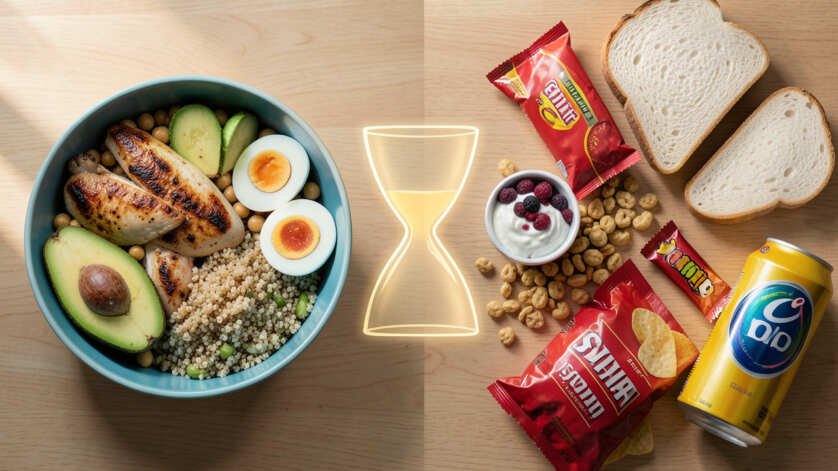
Foods that are high in protein, such as lean meats and legumes, and rich in soluble fiber, like oats and vegetables, keep you full longer because they slow digestion and promote stable blood sugar. This occurs because protein and fiber trigger stronger satiety hormones like peptide YY and GLP-1, which signal fullness to the brain more effectively than fats or refined carbohydrates. To maximize satiety, build meals around protein and high-fiber foods, which naturally reduce subsequent calorie intake.
Why do some foods keep you full longer than others? The answer lies in a complex interplay of nutrients, digestion, and your body’s internal signals. Choosing the right foods can help manage hunger, control portions, and support your overall health goals.
This post breaks down the science behind satiety, the feeling of fullness. You’ll learn which components make a food satisfying and how to build meals that keep you comfortably full for hours.
Simply put, foods high in protein, fiber, and water volume trigger stronger and longer-lasting fullness signals in your brain. In contrast, foods that are highly processed, low in fiber, and high in refined fats and sugars digest quickly, leading to rapid hunger return.
Key Takeaways
- Satiety is the physiological state of feeling full and satisfied after eating, which suppresses the desire to eat further.
- Protein is the most satiating macronutrient, helping to reduce hunger and subsequent calorie intake more than carbs or fats.
- Fiber from vegetables, fruits, and whole grains slows digestion, stabilizes blood sugar, and adds volume without excess calories.
- Food matrix matters – whole, unstructured foods require more chewing and digest slower than processed, soft, or liquid alternatives.
- Water content in foods like soups and non-starchy vegetables adds physical fullness and weight to the stomach, promoting satiety signals.
What is Satiety and Why Does It Matter?
Satiety is more than just the absence of hunger. It’s the complex feeling of fullness and satisfaction that tells your brain to stop eating. This signal is crucial for energy balance and weight management.
When you feel satisfied after a meal, you’re less likely to seek out snacks or overeat later.
Understanding satiety helps you make smarter food choices. It moves the focus from simple calorie counting to the quality of those calories. A 300-calorie meal packed with fiber and protein will keep you full much longer than a 300-calorie sugary snack.
The Two Types of Fullness
Scientists often distinguish between two primary drivers of satiety:
- Short-term satiety (satiation): This is the feeling that makes you stop eating during a meal. It’s influenced by the taste, smell, and immediate volume of food in your stomach.
- Long-term satiety (satiety): This is the sustained feeling of fullness that lasts for hours after a meal. It’s driven by hormonal responses and the nutrients absorbed into your bloodstream.
The Science Behind Satiety Signals
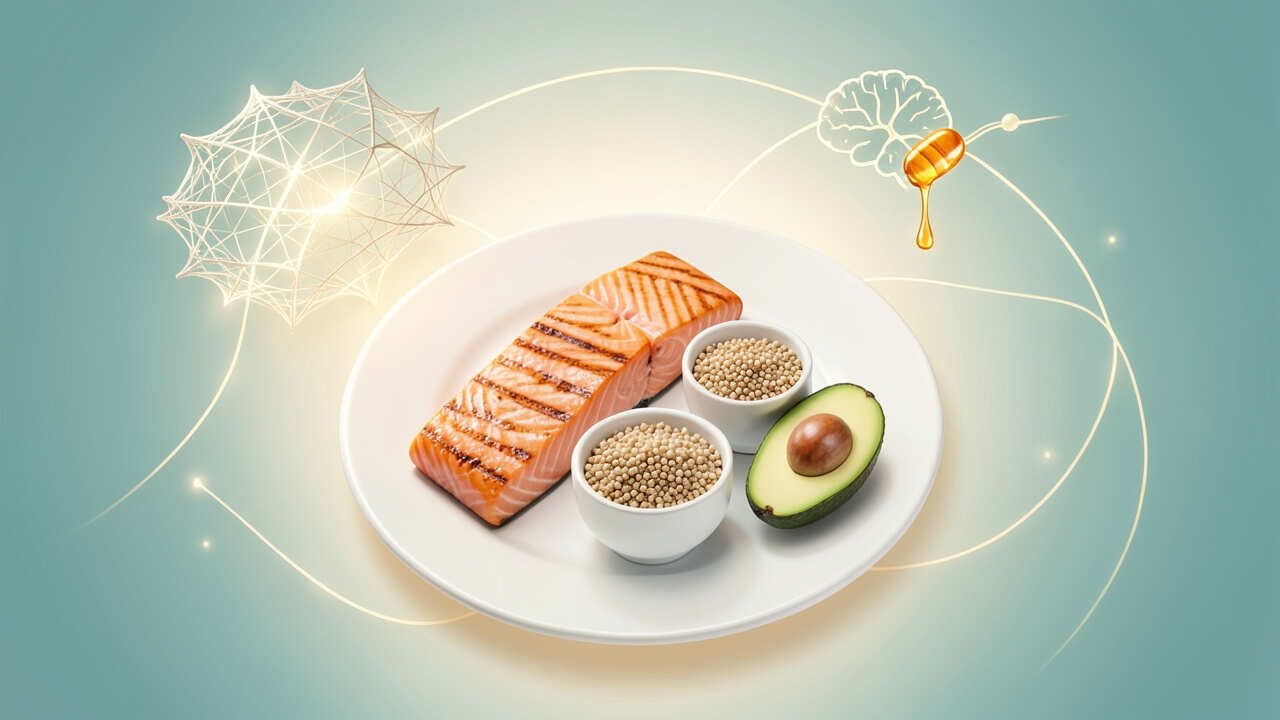
Your body uses a sophisticated system to communicate fullness. This involves hormones, nerve signals from your gut, and your brain’s appetite centers. The process begins in your mouth and continues long after you’ve finished eating.
Key hormones include ghrelin, the “hunger hormone” that rises before meals and falls after eating, and leptin, the “satiety hormone” that signals stored energy. But the immediate post-meal signals are more critical.
Key Hormones Regulating Fullness
| Hormone | Source | Key Role in Satiety |
|---|---|---|
| Cholecystokinin (CCK) | Small intestine | Released in response to fat and protein; slows stomach emptying. |
| Peptide YY (PYY) | Large intestine | Reduces appetite and food intake; levels rise with protein and fiber intake. |
| GLP-1 (Glucagon-like peptide-1) | Small intestine and brain | Slows gastric emptying, promotes insulin secretion, and signals fullness to the brain. |
These hormones work together to create a prolonged sense of satisfaction. Foods that trigger a stronger release of CCK, PYY, and GLP-1 will keep you feeling full for a longer period.
Important: The brain also receives direct signals from the vagus nerve, which senses stomach distension. A physically full stomach sends powerful “stop eating” messages, regardless of nutrient content.
How Do Different Macronutrients Affect Fullness?
The three main macronutrients – protein, carbohydrates, and fats – have distinct effects on satiety. They digest at different rates and trigger different hormonal responses. This is why the composition of your plate is so important.
1. Protein: The Satiety Champion
Protein consistently ranks as the most filling macronutrient. It has the highest thermic effect (burning the most calories during digestion) and strongly suppresses the hunger hormone ghrelin. A high-protein meal reduces overall calorie intake more than meals high in carbs or fat.
Excellent sources include lean meats, fish, eggs, dairy products, legumes, and tofu. Aiming for 20-30 grams of protein per meal is a good target for maximizing fullness.
2. Fiber: The Volume and Time Extender
Dietary fiber, found only in plant foods, is a type of carbohydrate your body can’t digest. It adds bulk to your meals without adding calories and slows the entire digestive process. This means glucose enters the bloodstream more gradually, preventing spikes and crashes that trigger hunger.
- Soluble fiber (oats, apples, beans) forms a gel in your gut, slowing stomach emptying.
- Insoluble fiber (vegetables, nuts, whole wheat) adds bulk and promotes regularity.
3. Fat: Mixed Signals
Fat is calorie-dense but can also be satiating. It slows digestion and triggers the release of CCK. However, highly processed, fatty foods are often engineered to be over-consumed.
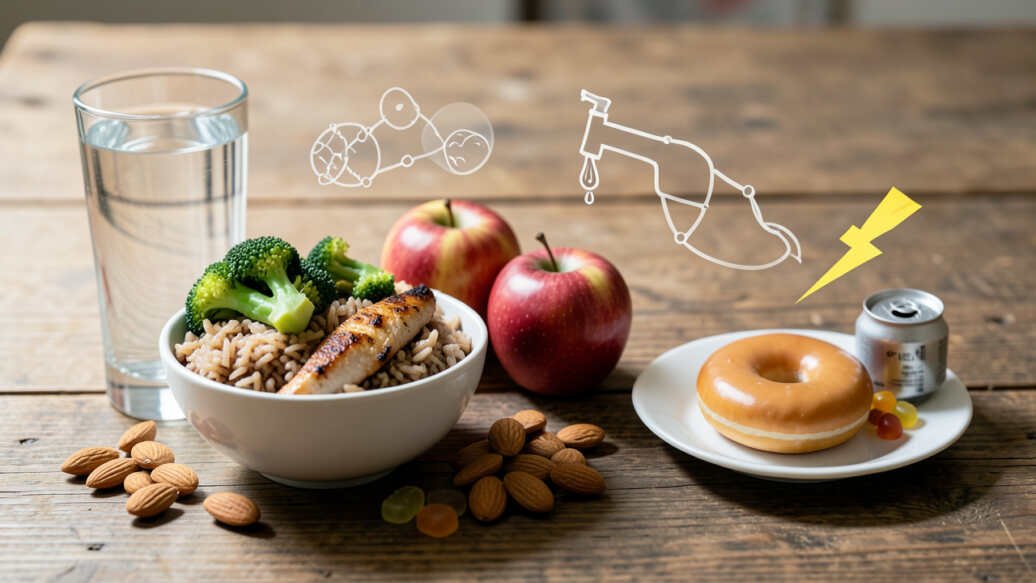
The satiety from fat is more dependent on the food source – a handful of almonds is more filling than a donut, even with similar fat content.
What Are the Key Satiety-Promoting Foods?
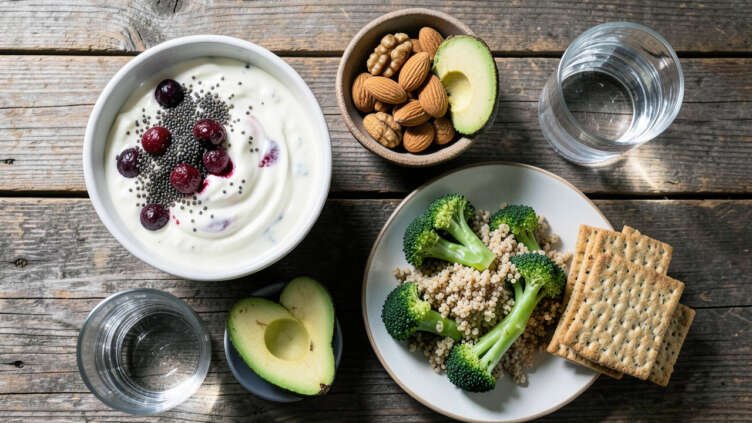
Building satisfying meals is about combining smart ingredients. Certain whole foods are particularly effective at keeping you full due to their unique nutritional profiles. Focusing on these can transform your eating habits.
Top Satiety Food Categories
- Lean Proteins: Chicken breast, turkey, white fish, Greek yogurt, cottage cheese, tofu, and legumes like lentils and chickpeas.
- High-Fiber Vegetables: Broccoli, Brussels sprouts, kale, spinach, cauliflower, and zucchini. Their high water and fiber content adds volume.
- Legumes: Beans, peas, and lentils are a powerhouse combination of protein, fiber, and complex carbs.
- Whole Grains: Oats, quinoa, barley, and bulgur wheat provide sustained energy and fiber.
- Fruits with Skin: Apples, pears, and berries offer fiber and natural sweetness.
| Food Example | Primary Satiety Driver | Why It Works |
|---|---|---|
| Black Bean Soup | Fiber + Protein + Water | The liquid volume fills the stomach, while fiber and protein slow digestion. |
| Baked Salmon with Broccoli | Protein + Fiber | High-quality protein and fibrous vegetables create strong, lasting fullness. |
| Oatmeal with Berries | Soluble Fiber | Oat beta-glucan forms a gel, slowing gastric emptying and stabilizing blood sugar. |
| Apple with Almond Butter | Fiber + Fat + Protein | The combination of all three macronutrients provides multi-layered satiety. |
This table illustrates how combining different satiety drivers creates a powerful fullness effect. The most satisfying meals often feature several of these elements together.
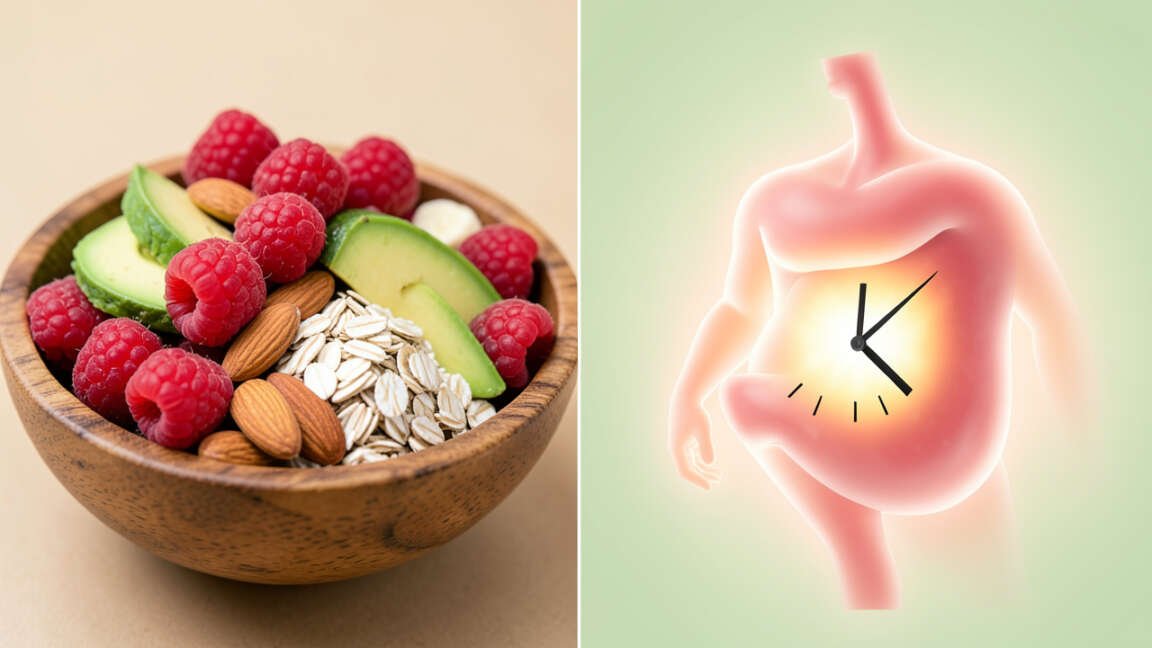
What Role Does Fiber Play in Staying Full Longer?
Fiber is arguably the single most important nutrient for long-term satiety. Its effects are both mechanical and biochemical. Understanding how it works can help you strategically use it to manage hunger throughout the day.
Mechanical Effects of Fiber
- Increases Chewing Time: High-fiber foods require more chewing, which itself is a satiety signal to the brain.
- Adds Volume and Bulk: Fiber-rich foods are physically larger but lower in calories, stretching the stomach and triggering fullness receptors.
- Traps Water: Soluble fiber absorbs water to form a viscous gel, further increasing volume and slowing gastric emptying.
Biochemical Effects of Fiber
- Slows Nutrient Absorption: Fiber forms a physical barrier that slows the breakdown and absorption of carbohydrates, preventing blood sugar spikes and crashes.
- Feeds Gut Bacteria: Fermentable fibers (prebiotics) feed beneficial gut bacteria. These bacteria produce short-chain fatty acids (SCFAs) like butyrate, which have been shown to increase satiety hormone production.
- Delays Stomach Emptying: The gel-like substance from soluble fiber keeps food in the stomach longer, prolonging the distension signal and the release of satiety hormones.
Tip: Increase fiber intake gradually and drink plenty of water. Adding too much fiber too quickly can cause bloating and discomfort. Aim for at least 25-30 grams per day from diverse sources.
How Does Protein Compare to Carbs for Fullness?
When comparing protein and carbohydrates for satiety, protein wins consistently. Research from the University of Sydney found that protein is up to twice as satiating as carbohydrates. This difference is measurable and significant.
A study published in the American Journal of Clinical Nutrition showed that a higher-protein diet led to a spontaneous reduction of about 400 calories per day. Participants simply felt fuller and ate less without being instructed to restrict calories.
Why Protein is More Satisfying
- Higher Thermic Effect: Your body burns 20-30% of protein calories during digestion, compared to 5-10% for carbs and 0-3% for fats.
- Stronger Hormonal Response: Protein intake leads to greater release of satiety hormones like PYY and GLP-1.
- More Stable Blood Sugar: Protein has minimal impact on blood glucose levels, preventing the energy crashes that trigger cravings.
However, this doesn’t mean carbs are the enemy. Complex carbohydrates from whole grains and vegetables provide fiber and sustained energy. The key is choosing the right type of carbs and pairing them with protein and healthy fats.
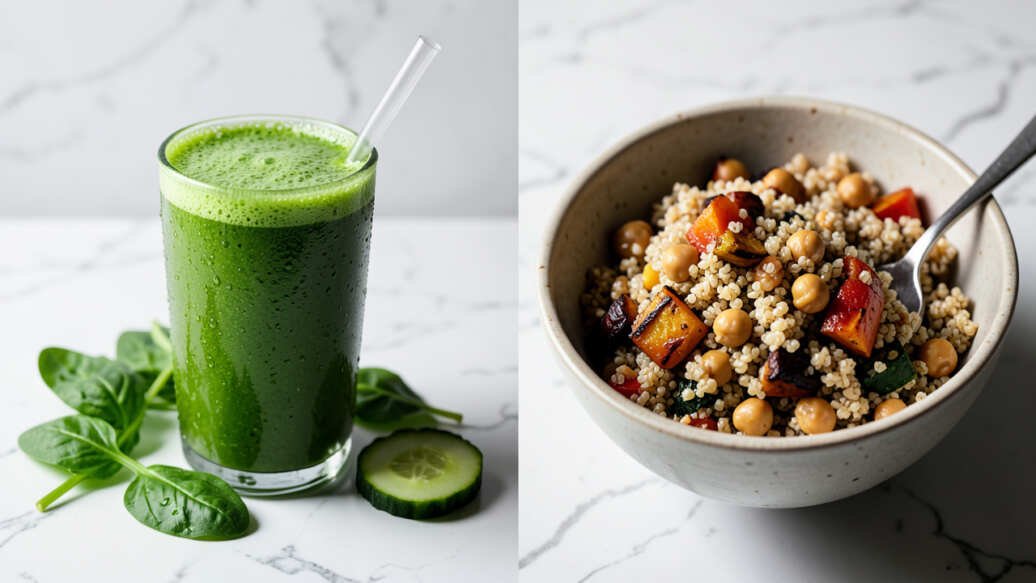
Why Are Liquid Foods Less Filling?
Have you ever noticed that a large smoothie or milkshake doesn’t keep you full as long as a solid meal with similar calories? This is because liquids pass through the digestive system more quickly and provide fewer satiety cues.
The Liquid Satiety Gap
- Reduced Chewing: Liquids require no chewing, bypassing a key initial satiety signal.
- Less Stomach Distension: Liquids empty from the stomach faster than solid food, so the physical “full” feeling fades quickly.
- Weaker Hormonal Response: The gut releases satiety hormones in response to the presence of nutrients, but this response is weaker and shorter with liquids.
- Mindless Consumption: It’s easier to drink calories quickly without the brain registering the amount consumed.
Warning: Fruit juices, sugary sodas, and specialty coffees are liquid calories that provide almost no satiety. They can lead to a surplus in calorie intake because they don’t turn off your hunger signals effectively.
For maximum fullness, choose solid foods over liquids whenever possible. Eat your fruit instead of drinking its juice, and choose broth-based soups over cream-based ones for a more satisfying meal.
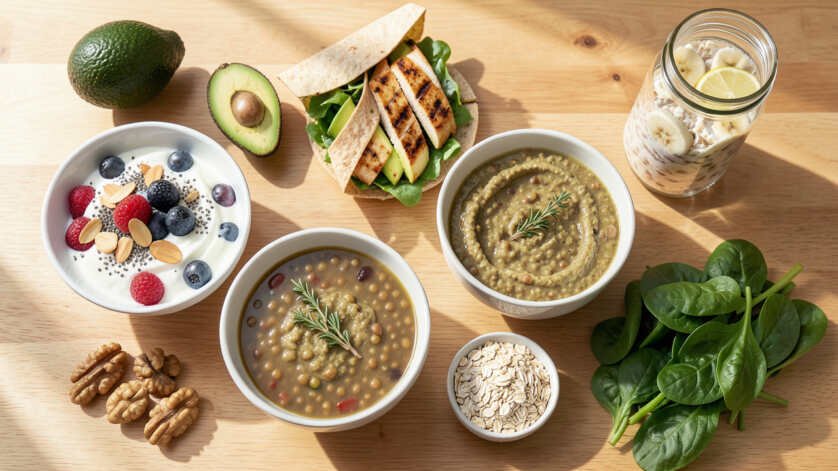
Practical Tips to Stay Full Longer Every Day
Knowing the science is one thing; applying it is another. Here are actionable strategies to build more satisfying meals and manage hunger effectively.
Building a Satiety-Optimized Plate
- Start with Protein: Make lean protein the centerpiece of your meal. Aim for a palm-sized portion.
- Fill Half Your Plate with Vegetables: Prioritize non-starchy vegetables like leafy greens, broccoli, and peppers for volume and fiber.
- Choose Smart Carbs: Opt for whole, unrefined carbs like quinoa, sweet potatoes, or legumes over white bread or pasta.
- Add a Healthy Fat: A tablespoon of olive oil, a quarter of an avocado, or a handful of nuts rounds out the meal and adds flavor.
Meal Timing and Eating Habits
- Eat at Regular Intervals: Waiting until you’re ravenous often leads to overeating. Scheduled meals can help maintain stable energy.
- Practice Mindful Eating: Eat slowly, without distractions. It takes about 20 minutes for your brain to receive fullness signals.
- Include Protein at Every Meal: Distribute your protein intake throughout the day for sustained appetite control.
- Stay Hydrated with Water: Sometimes thirst is mistaken for hunger. Drink a glass of water before reaching for a snack.
Smart Snacking for Satiety
When you do snack, choose options that combine protein, fiber, and/or healthy fats. A piece of cheese with an apple, Greek yogurt with berries, or vegetables with hummus will tide you over much better than a granola bar or crackers alone. These combinations provide multiple satiety triggers.
Frequently Asked Questions
Why am I hungry again so soon after eating?
Quick hunger return often indicates a meal low in protein and fiber but high in refined carbohydrates. These foods digest rapidly, causing a quick rise and fall in blood sugar, which triggers hunger signals. Focus on including more lean protein, vegetables, and whole grains in your meals.
Can certain foods actually boost metabolism to help me feel full?
No food has a dramatic metabolism-boosting effect. However, protein does have a higher thermic effect, meaning your body uses more energy to digest it. The primary benefit is not increased metabolism but the direct and prolonged satiety response protein provides.
How much protein should I eat to stay full?
Research suggests that consuming about 20-30 grams of protein per meal is optimal for satiety. This is roughly equivalent to a 3-4 ounce serving of chicken, fish, or tofu, or one cup of Greek yogurt. Spreading your protein intake across all meals is more effective than loading up at dinner.
Are all fibers equally effective at promoting fullness?
No. Soluble fiber, which forms a gel in the digestive tract (found in oats, beans, apples), tends to be more effective at delaying gastric emptying and boosting satiety hormones than insoluble fiber (found in wheat bran, vegetable skins). A diet rich in both types is ideal.
Why do I crave carbs when I’m stressed or tired?
Stress and fatigue can increase cortisol and disrupt sleep hormones, which affect appetite regulation. Your brain may seek quick energy from carbs. This is often a signal to prioritize sleep, manage stress, and ensure your regular meals are balanced with enough protein and fiber to prevent energy dips.
Final Thoughts
Understanding why some foods keep you full longer empowers you to make choices that support your health. Prioritizing protein, fiber, and whole foods over processed options directly influences your satiety signals. This knowledge shifts the focus from restriction to nourishment.
By building meals around these principles, you can naturally manage hunger, reduce unnecessary snacking, and feel more satisfied with every meal.