
Satiety is the physiological state of feeling full and satisfied after eating, which signals your body to cease food intake. This complex process involves gut-brain communication, where stretch receptors and nutrient sensors in the digestive tract trigger hormones like leptin and CCK to inform the brain's satiety centers. Understanding these natural signals is crucial for effective appetite regulation, supporting healthy weight management and preventing overconsumption.
Satiety is the feeling of fullness and satisfaction that tells your body to stop eating. It is one of the most powerful biological signals regulating food intake, yet most people rarely think about how it works. Understanding satiety can change the way you approach meals, manage weight, and support long-term health.
This post breaks down exactly what satiety is, how your body triggers it, and what you can do to strengthen those natural signals.
Every time you sit down for a meal, a complex conversation happens between your gut, brain, and hormones. Some of that communication is fast. Some of it takes hours.
Together, these signals form a feedback loop that determines when you feel “done.” When that loop works well, you eat the right amount. When it breaks down, overeating and weight gain often follow.
Simply put, satiety is your body’s built-in system for telling you that you have had enough food. It involves a combination of stomach stretch receptors, gut hormones like leptin and ghrelin, nutrient sensors in the intestines, and brain processing in the hypothalamus. When these signals align, you feel satisfied and naturally stop eating.
Key Takeaways
- Satiety is the biological state of feeling full and no longer wanting to eat after a meal.
- The body uses multiple overlapping signals – stretching of the stomach, hormonal release, and nutrient detection – to determine how much food you need.
- Leptin, ghrelin, cholecystokinin (CCK), and GLP-1 are the primary satiety hormones that regulate appetite and food intake.
- Poor sleep, chronic stress, and ultra-processed foods can weaken your body’s ability to recognize fullness signals.
- You can naturally improve satiety by eating more protein and fiber, staying hydrated, and slowing down meal times.
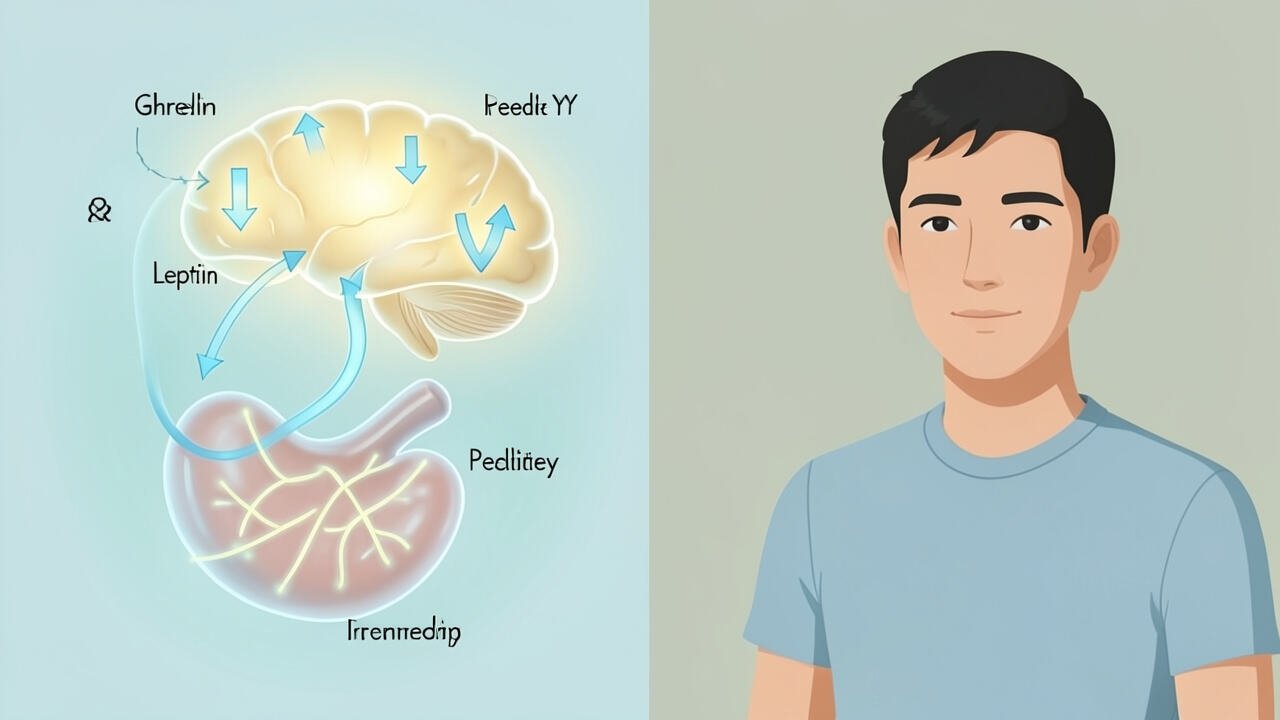
What Is Satiety and Why Does It Matter?
Satiety refers to the state of being comfortably full after eating, where the desire to consume more food diminishes. It is distinct from simple stomach fullness. You can feel a stretch in your stomach from a large volume of low-calorie food but still feel hungry.
True satiety involves both physical and chemical signals that register nutritional adequacy.
Scientists define satiety as the period between the end of a meal and the return of hunger. During this window, food intake is inhibited. The strength and duration of this window depend on what you ate, how much you ate, and how your individual metabolism processes the meal.
Why does this matter? Because satiety is the primary natural mechanism that prevents overeating. When satiety works properly, you do not need willpower or calorie counting to stop eating.
Your body does it for you. When satiety is impaired, people tend to eat past the point of physical comfort, leading to excess calorie intake over time.
| Term | Definition | Example |
|---|---|---|
| Satiation | The process that causes you to stop eating during a meal | You put down your fork halfway through dinner |
| Satiety | The state of feeling full between meals, suppressing further intake | You finish lunch and have no desire to snack for hours |
| Hunger | The physiological drive to eat, driven by ghrelin and energy deficits | Your stomach growls and you feel lightheaded before lunch |
| Fullness | The physical sensation of stomach distension after eating | You ate a large salad and your stomach feels stretched |
Understanding these distinctions helps you evaluate your own eating patterns. Many people confuse fullness with satiety. You might feel physically stuffed but still want dessert because the chemical satiety signals have not been triggered.
This gap between fullness and true satiety is a major driver of overeating.
How Does the Body Know You Have Eaten Enough?
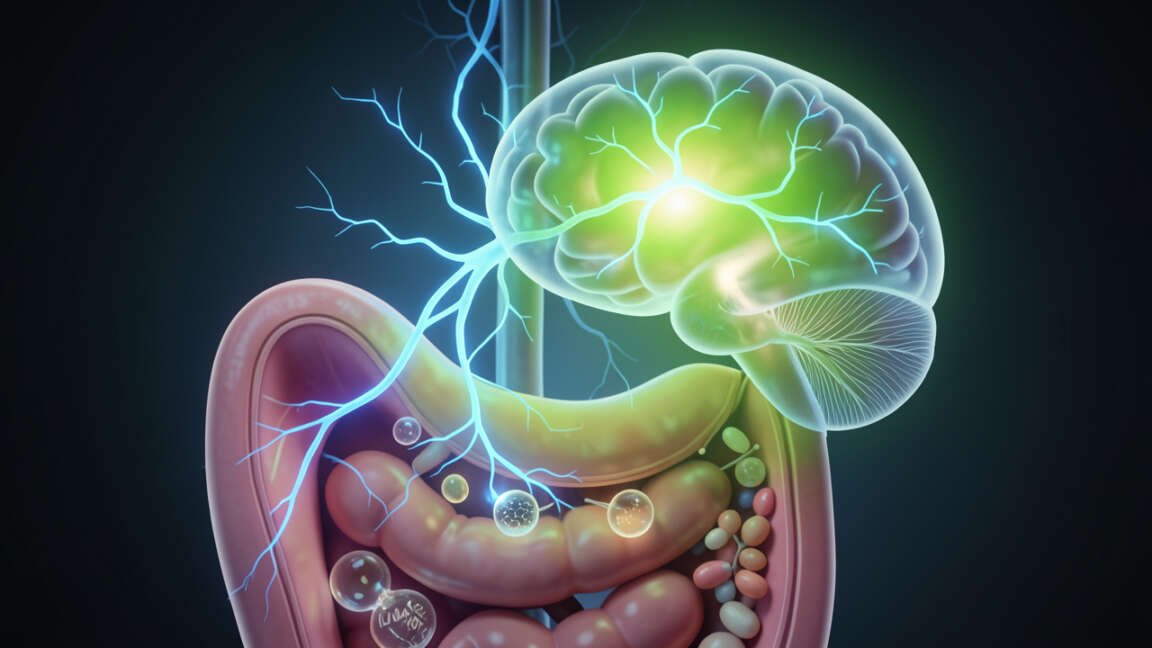
Your body uses a multi-layered system to detect food intake and determine when nutritional needs are met. No single signal works alone. Instead, the brain integrates dozens of inputs from the gut, bloodstream, and nervous system to build a real-time picture of your energy status.
The process begins the moment food enters your mouth. Chew and taste activate cephalic-phase responses that prime digestive organs. As food reaches the stomach, mechanical and chemical sensors begin sending information to the brain via the vagus nerve and circulating hormones.
According to research published in Physiology & Behavior, the body processes more than 30 distinct satiety-related signals at any given time during and after a meal. These signals operate on different time scales, ranging from seconds to several hours, which is why satiety unfolds gradually rather than hitting you all at once.
The Three Waves of Satiety Signaling
Researchers have identified three overlapping phases of satiety that work together to regulate food intake:
- Early phase (0-20 minutes): Taste, smell, and chewing trigger cephalic-phase responses. Brain reward circuits release dopamine. This is the least reliable phase for stopping food intake because ultra-processed foods can hijack these signals.
- Mid-phase (20-90 minutes): Gastric distension activates stretch receptors in the stomach wall. Nutrients in the duodenum trigger CCK and GLP-1 release. This is where real satiety signals gain strength.
- Late phase (90 minutes to several hours): Rising blood glucose and amino acids signal metabolic sufficiency. Leptin from adipose tissue communicates long-term energy stores. Insulin helps the brain assess the meal’s caloric content.
Tip: If you tend to overeat, wait at least 20 minutes before deciding whether you need more food. Most people underestimate how long it takes for satiety signals to reach the brain. Slowing down allows the mid-phase signals to catch up with your intake.
The hypothalamus, a small region at the base of the brain, serves as the central processing hub for all satiety information. It receives hormonal signals from the gut and blood, neural signals from the vagus nerve, and metabolic signals from the liver and adipose tissue. When the hypothalamus receives enough overlapping signals of energy sufficiency, it activates neural pathways that suppress appetite and reduce the reward value of food.
The Key Hormones That Control Satiety
Hormones are the chemical messengers that carry satiety information from your gut to your brain. While there are dozens of appetite-related hormones, four stand out as the most influential players in day-to-day hunger and fullness regulation.
Ghrelin – The Hunger Hormone
Ghrelin is produced primarily in the stomach and is the only known appetite-stimulating hormone. Levels rise before meals, creating the sensation of hunger, and fall sharply after eating. According to a review in Nature Reviews Endocrinology, ghrelin levels can increase by 20-30% in the hours leading up to a typical meal.
After a protein-rich meal, ghrelin suppression lasts significantly longer than after a carbohydrate-only meal.
Leptin – The Satiety Hormone
Leptin is produced by fat cells and communicates long-term energy availability to the brain. Higher leptin levels signal that the body has adequate fat stores, reducing appetite. The National Institutes of Health reports that approximately 25% of people with obesity develop leptin resistance, where the brain stops responding to leptin’s satiety signal despite high circulating levels.
Cholecystokinin (CCK)
CCK is released by cells in the duodenum when fats and proteins arrive during digestion. It slows gastric emptying, which prolongs stomach distension, and sends direct satiety signals to the brain via the vagus nerve. CCK works best in combination with other signals.
On its own, its effect fades within about 30 minutes.
GLP-1 (Glucagon-Like Peptide-1)
GLP-1 is released by intestinal cells in response to nutrient ingestion. It enhances insulin secretion, slows stomach emptying, and acts directly on brain appetite centers. GLP-1 has become one of the most studied satiety hormones in recent years because pharmaceutical versions of it are now widely used for weight management and type 2 diabetes treatment.
| Hormone | Source | Effect on Appetite | Triggered By |
|---|---|---|---|
| Ghrelin | Stomach | Increases hunger | Empty stomach, low blood sugar |
| Leptin | Fat cells | Reduces appetite long-term | Adequate fat stores |
| CCK | Duodenum | Short-term fullness | Fats and proteins in intestine |
| GLP-1 | Intestinal cells | Strong, sustained fullness | Nutrients in the gut |
| Insulin | Pancreas | Reduces appetite acutely | Rising blood glucose after eating |
| PYY | Intestine | Suppresses appetite | Caloric intake, especially protein |
Each of these hormones operates on a different timeline. Ghrelin works on a meal-to-meal basis. Leptin reflects days and weeks of energy balance.
CCK and GLP-1 respond within minutes to hours of eating. Together, they create a layered system that gives the brain a continuously updated picture of your nutritional status.
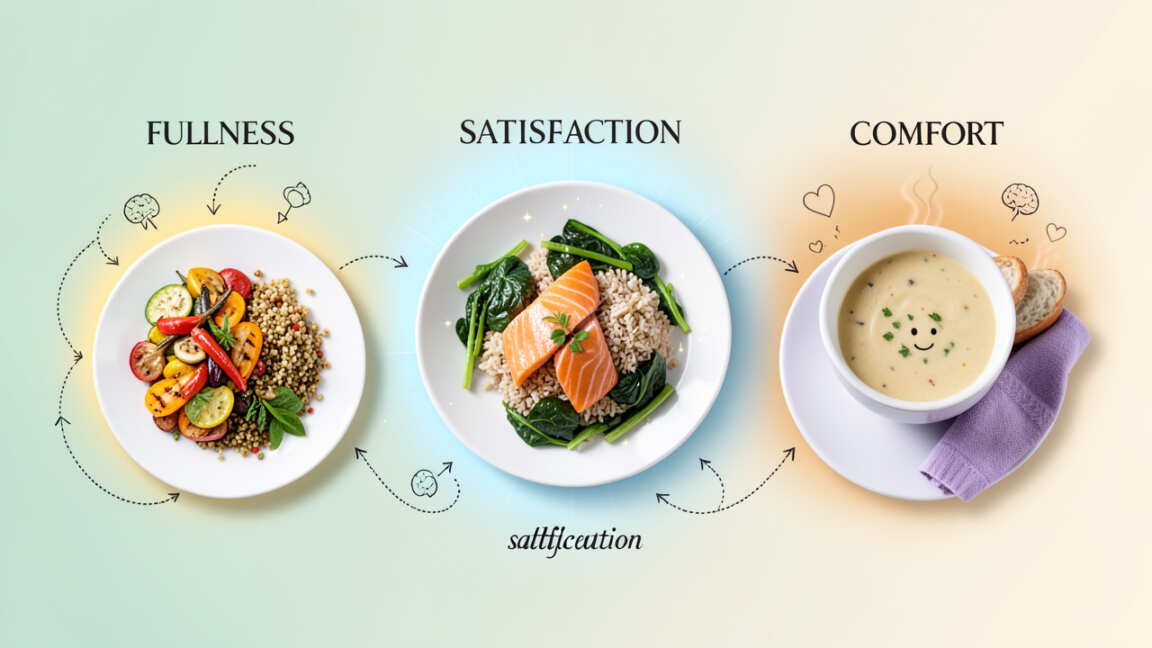
Types of Satiety: Fullness vs. Satisfaction vs. Comfort
Not all feelings of “being done” are the same. Nutrition researchers recognize several distinct types of satiety, each driven by different biological and psychological mechanisms. Understanding these differences explains why some meals leave you satisfied for hours while others leave you reaching for snacks within 30 minutes.
Physical Fullness (Gastric Distension)
This is the most basic form of satiety. It occurs when the stomach stretches to a certain volume, activating mechanoreceptors in the stomach wall. These receptors send signals through the vagus nerve to the brainstem, which relay information about how much food is physically present.
Physical fullness is a weak long-term satiety signal because the stomach empties within a few hours regardless of caloric content.
Nutrient-Based Satiety
This type of satiety comes from the detection of specific macronutrients in the small intestine. Protein produces the strongest nutrient-based satiety, followed by fat, then carbohydrates. When nutrient sensors in the duodenum detect amino acids and fatty acids, they trigger CCK and GLP-1 release, which slows digestion and suppresses appetite for a longer period.
Hedonic Satiety
Hedonic satiety is driven by the brain’s reward system rather than by physical or chemical signals. It is the concept of “getting tired of a food” after eating a lot of it. In scientific terms, repeated exposure to the same flavor reduces dopamine response, making the food less rewarding.
This is why you might feel done with your dinner but still have room for a completely different food, like dessert.
Important: Ultra-processed foods are designed to bypass hedonic satiety. By combining sugar, fat, and salt in precise ratios, these foods keep the brain’s reward system activated even when physical fullness has been reached. This is one reason why it is so easy to overeat chips, cookies, or fast food compared to whole foods.
Emotional or comfort-based eating represents a fourth dimension. People often eat not because of biological satiety signals but because of stress, boredom, or habit. This type of eating operates outside the normal hunger-satiety axis and does not respond to physical fullness cues in the same way.

What Factors Influence Your Satiety Signals?
Several lifestyle and dietary factors can either strengthen or weaken your body’s ability to detect satiety. Some of these are within your control. Others are influenced by genetics, medical conditions, or environmental factors.
Dietary Composition
What you eat matters more than how much you eat when it comes to satiety strength. Protein is the most satiating macronutrient per calorie. Fiber adds bulk and slows digestion.
Water-rich foods increase stomach volume without adding calories. Ultra-processed foods, by contrast, tend to be calorie-dense but low in the signals that trigger meaningful satiety.
- Protein: Provides the strongest and longest-lasting satiety signal. Aim for 25-30g per meal.
- Fiber: Slows gastric emptying and promotes GLP-1 release. Target 25-35g daily.
- Healthy fats: Trigger CCK release but digest more slowly than carbs. Moderate amounts support satiety.
- Water and water-rich foods: Increase stomach volume and activate stretch receptors with zero calories.
- Ultra-processed foods: Often engineered to override satiety. Low in fiber, protein, and water relative to calories.
Meal Timing and Eating Rate
Eating speed has a measurable impact on satiety. Research from the journal BMJ Open found that fast eaters consumed approximately 88% more calories in a given sitting compared to slow eaters. Because the mid-phase satiety signals take 20-30 minutes to reach the brain, people who eat quickly tend to overshoot their actual needs before the body can respond.
Sleep and Stress
Chronic sleep deprivation disrupts the balance between ghrelin and leptin. Studies show that sleeping fewer than seven hours per night increases ghrelin levels and decreases leptin levels, creating a stronger drive to eat. Chronic stress elevates cortisol, which increases appetite and promotes fat storage, particularly around the midsection.
Gut Microbiome Composition
Emerging research suggests that the trillions of bacteria living in your gut influence satiety signaling. Certain bacterial populations produce short-chain fatty acids that stimulate GLP-1 and PYY release. A diverse, fiber-fed microbiome generally supports stronger satiety signals than a microbiome fed primarily on sugar and refined starches.
How to Improve Satiety Naturally
You do not need special supplements or restrictive diets to strengthen your body’s satiety signals. Several evidence-based strategies can help you feel fuller for longer, eat less overall, and support healthy weight management.
- Start meals with protein. Eating protein first ensures it reaches the duodenum quickly, triggering CCK and GLP-1 release before you consume excess calories.
- Include fiber in every meal. Vegetables, legumes, whole grains, and fruits add volume and slow digestion. A 2019 meta-analysis in the Journal of the American College of Nutrition found that increasing fiber intake by just 14 grams per day reduced total calorie intake by 10%.
- Drink water before meals. A study in Obesity found that drinking 500ml of water 30 minutes before a meal reduced calorie intake by 13% and enhanced feelings of fullness.
- Eat slowly and chew thoroughly. Aim for at least 20 minutes per meal. Put your fork down between bites. This gives satiety hormones time to reach the brain.
- Cook at home more often. Home-cooked meals tend to be lower in calories and higher in protein, fiber, and water than restaurant or packaged foods.
- Sleep 7-9 hours per night. Proper sleep balances ghrelin and leptin levels, keeping hunger and satiety signals working correctly.
- Reduce ultra-processed food intake. Replacing even 10% of processed food calories with whole foods can measurably improve satiety and reduce overall intake.
Warning: Severe calorie restriction can backfire on satiety. When you eat too little, ghrelin surges and leptin drops, creating overwhelming hunger that is hard to resist. Sustainable weight management works best with moderate calorie deficits of 300-500 calories per day, not extreme restriction.
Common Conditions That Disrupt Satiety
For some people, satiety signals do not function as intended. Several medical and psychological conditions can impair the body’s ability to detect fullness, making overeating a physiological challenge rather than a behavioral choice.
Leptin Resistance
Leptin resistance occurs when the brain stops responding to leptin despite high circulating levels. This condition is common in people with obesity and effectively blinds the hypothalamus to the body’s energy stores. The result is a persistent drive to eat even when fat stores are more than sufficient.
Binge Eating Disorder
Binge eating disorder (BED) involves recurrent episodes of eating large quantities of food accompanied by a feeling of loss of control. Research from the National Eating Disorders Association indicates that BED affects approximately 2.8 million adults in the United States. People with BED often describe a disconnect between physical fullness and the psychological urge to continue eating.
Gastroparesis
Gastroparesis is a condition where the stomach empties too slowly. This can distort satiety signals because stomach stretch receptors remain activated for abnormally long periods, leading to early fullness and reduced appetite. It is most commonly associated with diabetes and can significantly impact nutritional status.
Medication Side Effects
Certain medications can interfere with satiety signaling. Some antidepressants, antipsychotics, corticosteroids, and antihistamines affect appetite-regulating neurotransmitters or hormones. If you notice unexplained changes in appetite after starting a new medication, discuss it with your prescribing physician.
| Condition | Satiety Effect | Key Symptom | Management Approach |
|---|---|---|---|
| Leptin Resistance | Satiety signals ignored | Persistent hunger despite adequate fat stores | Anti-inflammatory diet, exercise, sleep optimization |
| BED | Emotional override of satiety | Eating past fullness regularly | Cognitive behavioral therapy, professional support |
| Gastroparesis | Delayed emptying, early fullness | Feeling full after very small meals | Small frequent meals, prokinetic medication |
| Prader-Willi Syndrome | Absent satiety response | Insatiable appetite from childhood | Structured meal plans, environmental controls |
If you consistently feel unable to stop eating or experience unusual hunger patterns, working with a healthcare provider or registered dietitian is worth the investment. Satiety disruption often has a treatable underlying cause.
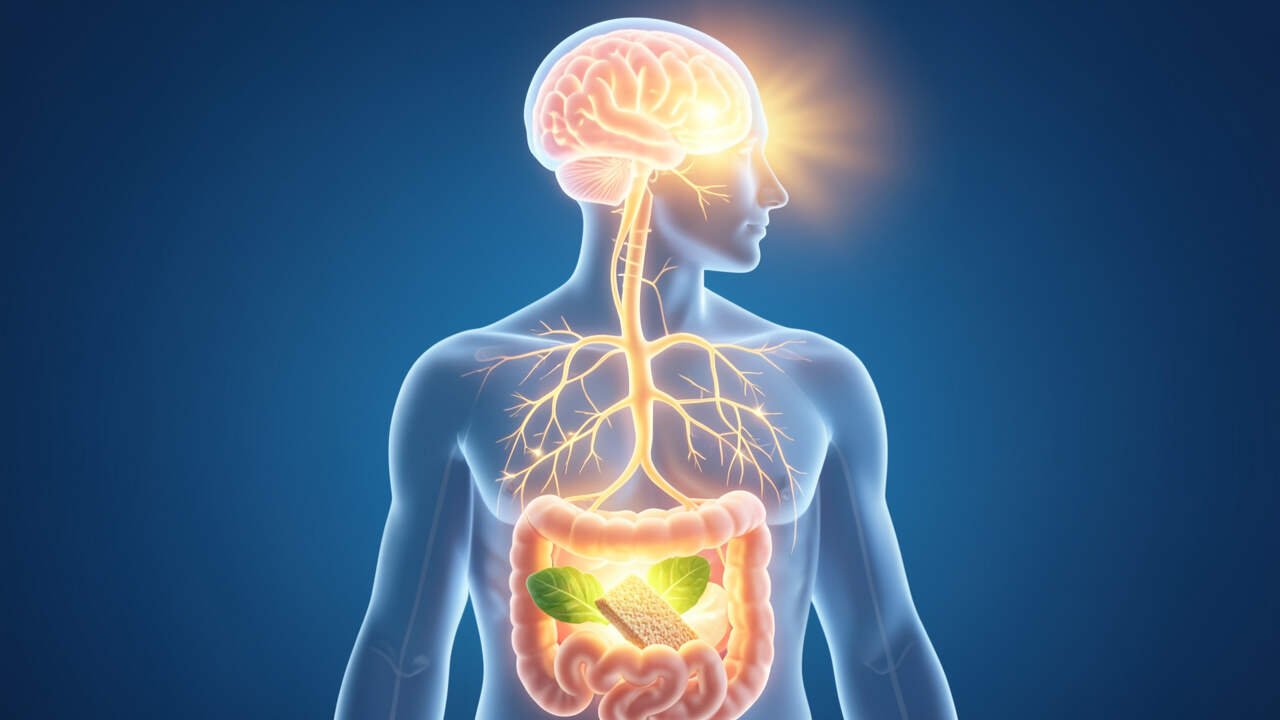
The Role of the Gut-Brain Axis in Satiety
The gut-brain axis is the two-way communication highway connecting your digestive system to your central nervous system. This network of nerves, hormones, and immune signals is the infrastructure that makes satiety possible. Without it, your brain would have no way of knowing what is happening in your stomach.
The vagus nerve is the primary neural pathway in this axis. It is the longest cranial nerve in the body, running from the brainstem to the abdomen. When stretch receptors in the stomach or nutrient sensors in the intestine are activated, they send electrical impulses up the vagus nerve to the nucleus tractus solitarius in the brainstem, which then relays information to the hypothalamus for processing.
Hormonal signals travel through the bloodstream rather than through nerve fibers. Peptides like GLP-1, PYY, and CCK circulate from the gut to the brain, where they cross the blood-brain barrier and interact directly with appetite neurons. Leptin travels from fat tissue.
Insulin travels from the pancreas. Each hormone carries different information, and the hypothalamus weighs all inputs simultaneously to produce a net appetite response.
Emerging research on the gut microbiome has added another layer of complexity. Gut bacteria produce metabolites, including short-chain fatty acids like butyrate and propionate, that influence appetite hormone secretion. A healthy, diverse microbiome supports more consistent and reliable satiety signaling, while dysbiosis – an imbalanced gut community – has been linked to disrupted appetite regulation and metabolic dysfunction.
Frequently Asked Questions
Frequently Asked Questions
What is satiety in simple terms?
Satiety is the feeling of fullness and satisfaction after eating that signals your body to stop consuming food. It involves both physical sensations from your stomach stretching and chemical signals from hormones released during digestion. True satiety means you feel content and have no strong desire to eat more.
How long does it take for satiety signals to reach the brain?
Most satiety signals take between 15 and 30 minutes to reach the brain after eating begins. The fastest signals come from taste and smell within minutes, while hormonal signals from the gut take 20-60 minutes to peak. This delay is why eating slowly helps prevent overeating, because it gives your body time to register fullness before you consume excess calories.
Why do I feel full but still want to eat?
This happens because physical fullness and satiety are processed by different pathways. You may feel stomach distension (fullness) but still experience cravings driven by the brain’s reward system, hedonic desire, or emotional triggers. Ultra-processed foods are especially likely to cause this disconnect because they stimulate reward circuits without providing the nutrient-based satiety signals that would normally suppress appetite.
Does protein really help with satiety?
Yes, protein is consistently shown in research to be the most satiating macronutrient. A 2015 meta-analysis in the American Journal of Clinical Nutrition found that high-protein meals increased feelings of fullness, reduced subsequent food intake, and lowered late-night snacking compared to lower-protein meals of the same calorie count. Aim for 25-30 grams of protein per meal for optimal satiety benefits.
Can stress affect how full I feel after eating?
Chronic stress significantly disrupts satiety signaling. Elevated cortisol increases appetite and cravings for calorie-dense foods while reducing the brain’s sensitivity to leptin. Stress also promotes emotional eating, which operates independently of normal hunger and fullness cues.
Managing stress through sleep, exercise, and relaxation techniques can help restore normal satiety function.
Final Thoughts
Satiety is a sophisticated biological system, not just the feeling of a full stomach. Your body uses stomach stretch receptors, gut hormones like leptin and CCK, nutrient sensors, and brain processing centers to determine when enough food has been consumed. When this system functions well, appetite regulation happens automatically without the need for extreme discipline.
The most practical way to support healthy satiety is to eat whole, minimally processed foods rich in protein and fiber, slow down during meals, manage stress, and prioritize sleep. If you struggle with persistent hunger or difficulty feeling full despite eating adequate food, consult a healthcare professional to rule out underlying conditions like leptin resistance or other metabolic disruptions.