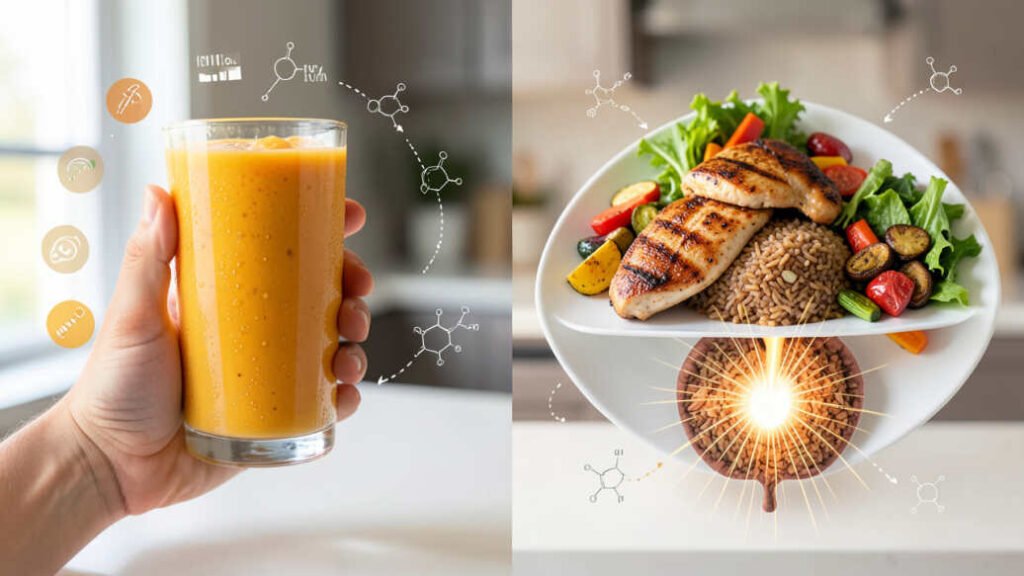
Liquid calories feel less filling than solid food because they bypass key satiety signals like prolonged chewing and slower gastric emptying. This rapid consumption provides weaker fullness cues to the brain, allowing for easier overconsumption of energy. Therefore, prioritizing solid, fiber-rich foods with greater volume and viscosity is a practical strategy to enhance satiety and better control calorie intake.
Liquid calories often leave you feeling hungry again quickly, creating a puzzling disconnect between what you drink and your sense of fullness. This happens due to key physiological and psychological differences between consuming food in liquid versus solid form. Understanding this phenomenon is crucial for managing your intake and making smarter dietary choices.
Simply put, liquid calories bypass many of the body’s natural satiety signals that solid food triggers, such as prolonged chewing, stomach distension, and slower nutrient release. This means your brain receives weaker “fullness” cues, making it easy to overconsume calories without realizing it.
Key Takeaways
- Liquid calories are absorbed more rapidly and provide fewer satiety signals compared to solid foods.
- The lack of chewing and faster gastric emptying means your brain gets less information to register fullness.
- Solid foods with fiber, protein, and volume are naturally more filling due to physical and chemical digestion processes.
- Replacing some liquid calories with solid, nutrient-dense foods can help control hunger and support weight management.
- Being aware of the “drinkability” of calories in juices, smoothies, and sugary beverages is key to mindful consumption.
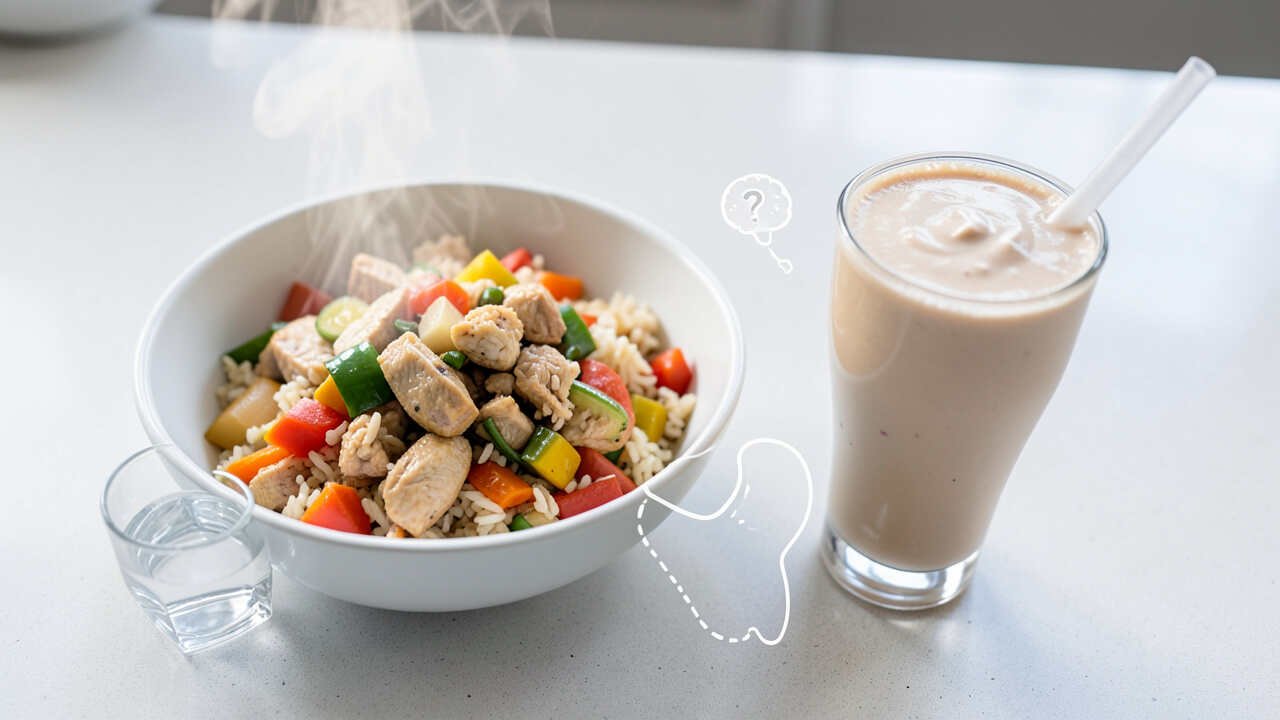
What Is Satiety and Why Does It Matter?
Satiety is the feeling of fullness and satisfaction you get after eating or drinking that reduces your desire to eat more. It’s your body’s natural stop signal, controlled by a complex interaction between your digestive system, hormones, and brain. When satiety signals are strong, you naturally eat fewer calories over time.
This signal is critical for energy balance. Stronger satiety helps prevent overeating and supports weight maintenance. Weak satiety, on the other hand, can lead to consuming excess calories without feeling satisfied, which is a common pathway to weight gain.
- Physical Stomach Fullness: The physical stretching of your stomach lining sends a direct nerve signal to the brain that you’ve eaten enough.
- Hormonal Response: Nutrients in your intestines trigger hormones like PYY and GLP-1, which promote fullness and slow stomach emptying.
- Cognitive Recognition: Your brain processes the time spent chewing and the sensory experience of food, contributing to meal termination.
- Nutrient Signaling: The presence of specific nutrients, especially protein and fiber, enhances satiety hormone release more than simple sugars.
| Satiety Factor | Impact on Fullness | Solid Food Advantage? |
|---|---|---|
| Chewing Time | Longer chewing increases oral processing time and signals | Yes, solids require significant chewing |
| Stomach Distension | Volume of food triggers stretch receptors | Yes, solid food often has higher volume and density |
| Gastric Emptying Rate | Slower emptying prolongs nutrient exposure and hormone release | Yes, liquids empty faster than most solids |
| Nutrient Absorption | Fiber and complex structures slow absorption | Yes, whole foods are digested more gradually |
This table illustrates the core advantages solid food has in generating robust satiety signals compared to liquids.
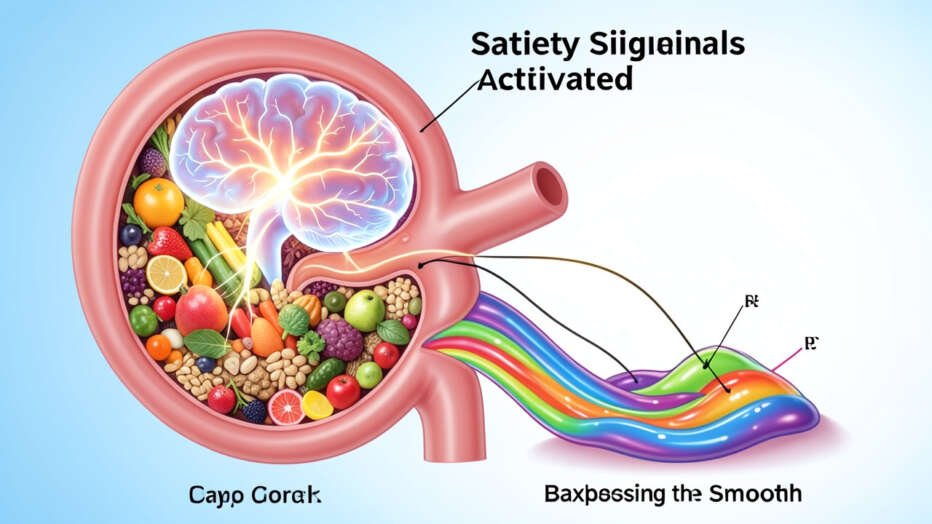
How Do Liquid Calories Bypass Your Fullness Signals?
Your body has evolved to interpret solid food as a substantial energy source requiring careful digestion. Liquids, however, often fly under the radar of these ancient systems. The primary ways they bypass satiety include rapid gastric emptying and minimal oral processing.
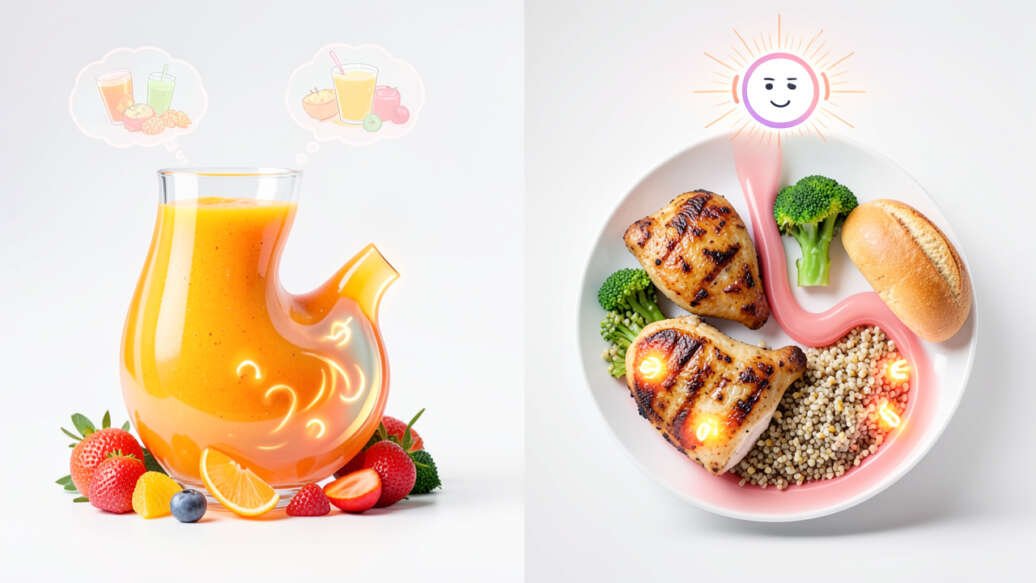
When you drink a 200-calorie juice, it leaves your stomach much faster than 200 calories of apple slices. This speed means the physical stretch signal dissipates quickly, and the cascade of satiety hormones is blunted or delayed. Your brain, which relies on these signals, doesn’t get a strong “stop” message.
- Minimal Chewing: Drinking requires almost no chewing. Chewing is the first step in digestion and a key part of the brain’s recognition that a meal is occurring.
- Rapid Gastric Emptying: Liquids pass from the stomach to the small intestine much more quickly than solid food, shortening the time your stomach feels full.
- Weak Hormonal Response: The fast absorption of simple sugars from many drinks doesn’t trigger the same robust release of satiety hormones like GLP-1 that a mixed solid meal does.
- Low Viscosity and Volume: Many caloric drinks are thin and don’t create the same lasting volume in the stomach as fibrous, chewy foods.
- Dissociated Calorie Recognition: Research suggests the body may not track calories from liquids as accurately as calories from solids, a concept sometimes called “calorie dissociation.”
Warning: Smoothies and blended drinks can be especially deceptive. Blending breaks down the fiber matrix, speeding up digestion and reducing the physical bulk that contributes to fullness, even though the ingredients are whole foods.
What Are the Physical Differences in Digesting Liquids vs. Solids?
The journey your digestive tract takes with a liquid is fundamentally different from its path with solid food. These physical differences directly influence how full you feel. The process starts in the mouth and continues through the stomach and intestines.
In the mouth, solid food demands significant mechanical breakdown through chewing. This action not only physically breaks down food but also stimulates saliva production, which contains enzymes and adds to the volume of material in the stomach. Liquids require minimal effort and provide little to no mechanical stimulation.
In the stomach, solids form a semi-solid mass called chyme. This mass is pushed into the small intestine through a valve (the pylorus) in a controlled manner, creating sustained distension. Liquids, especially those low in fat and protein, empty rapidly, often within minutes.
This rapid transit is the core physical reason they are less filling.
- Oral Phase: Solid food: 20-30 seconds of chewing per bite. Liquid: 1-2 seconds of swallowing.
- Stomach Phase: Solid food: Forms chyme; gastric emptying over 2-4 hours. Liquid: Clears stomach in 10-45 minutes.
- Intestinal Phase: Solid food: Nutrients released slowly, sustaining hormone signals. Liquid: Nutrients flooded in quickly, leading to a shorter hormone peak.
- Sensory Experience: Solid food involves taste, texture, temperature, and aroma over a longer period. Liquid experience is often brief and uniform.
How Do Nutrients in Liquids Affect Satiety Differently?
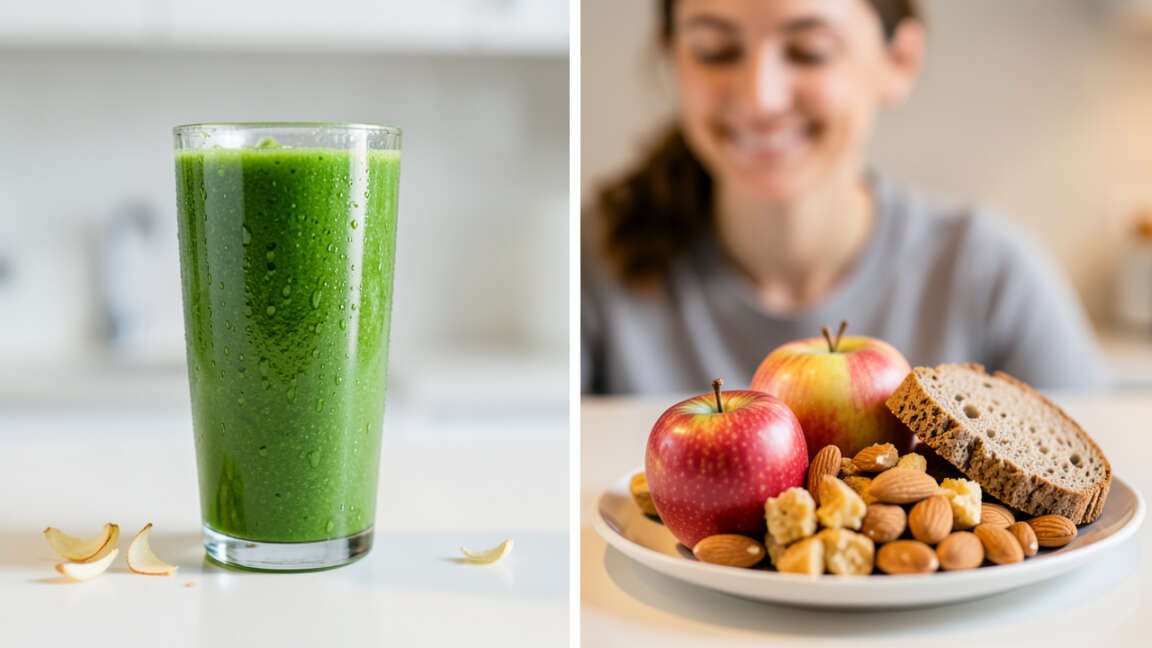
The nutrient composition of a liquid plays a major role in how filling it is, but the liquid form itself often overrides these benefits. Even protein or fiber added to a drink may not be as satiating as the same nutrients in solid form. A landmark study in the journal Obesity found that solid preloads were more filling than isocaloric liquid preloads, regardless of the nutrient makeup.
Protein is the most satiating macronutrient, yet a protein shake rarely keeps you full as long as a serving of grilled chicken. The rapid absorption and lack of physical bulk diminish protein’s potent effect. Similarly, fiber in a juice or smoothie is often pulpy and pre-broken-down, reducing its ability to form a viscous gel in the stomach that slows digestion.
| Nutrient | Effect in Solid Food | Effect in Liquid Form |
|---|---|---|
| Protein | Maximizes satiety hormones, requires extensive digestion. | Absorbed faster; hormonal response is weaker and shorter-lived. |
| Fiber | Adds bulk, slows gastric emptying, and forms viscous gels. | Often broken down in blending/juicing; less effective at forming gels. |
| Fat | Slows gastric emptying significantly; very satiating. | Can still slow emptying, but high-calorie density can lead to overconsumption. |
| Simple Sugars | Limited satiating effect even in solid form. | Bypasses most satiety mechanisms; promotes rapid calorie intake. |
As this comparison shows, the liquid matrix blunts the natural satiating properties of key nutrients.
What Role Does Energy Density and Viscosity Play?
Two key physical properties of food that drive satiety are energy density (calories per gram) and viscosity (thickness). Solid foods naturally excel in both areas compared to most caloric drinks. Water-rich, high-volume foods like vegetables and fruits have low energy density, filling your stomach for fewer calories.
Viscosity refers to the thickness of a food or drink. A thick, creamy soup is more satiating than a clear broth, even with similar calories, because it empties from the stomach more slowly. Many caloric beverages are low in viscosity (think juice, soda, sports drinks), which contributes to their poor satiety profile.
Research from the American Journal of Clinical Nutrition indicates that consuming a semi-solid food before a meal can reduce subsequent food intake more than a liquid. This is attributed to the longer orosensory exposure and slower nutrient delivery.
- High-Volume, Low-Energy-Density Foods: Salads, broths, and whole fruits physically fill the stomach with water and fiber, stretching it more for fewer calories.
- Low-Volume, High-Energy-Density Liquids: Sugary drinks and juices pack many calories into a small, quickly absorbed volume, failing to trigger strong stretch signals.
- Viscous Beverages as an Exception: Some liquids, like thick smoothies with added chia seeds or protein powders, can increase viscosity and slow gastric emptying, making them slightly more filling than clear juices.
- The “Drinkable Meal” Paradox: Even nutrient-complete shakes designed as meal replacements are often found to be less satiating than the solid-food meals they are intended to replace.
Important: According to a study in The Journal of Nutrition, participants who ate a solid food preload consumed 31% less calories at a subsequent meal than those who drank a liquid preload of equal calories. This highlights a significant difference in calorie compensation.
Why Do Liquid Calories Lead to Passive Overconsumption?
Passive overconsumption is eating or drinking more than you intended without a conscious decision to do so. Liquid calories are a primary driver of this behavior due to their speed, ease of consumption, and poor satiety feedback. You can drink 500 calories of soda in minutes without feeling particularly full.
Humans have a limited ability to compensate for liquid calories by eating less food later. A 2006 study found that people who consumed sugar-sweetened beverages did not reduce their intake of other foods to match the extra calories. They simply ate the same amount of food plus the drink, leading to a calorie surplus.
The ease of consumption is another factor. Drinking is faster and less effortful than eating. In a busy environment, a high-calorie latte or smoothie is often consumed alongside a meal or as a quick snack, adding “hidden” calories that don’t register in your overall sense of fullness.
- Speed of Ingestion: Liquids can be consumed much faster than solids, giving your brain less time to process satiety signals.
- Concurrent Consumption: Drinks are often consumed with meals, adding calories without displacing any solid food.
- Lack of Compensatory Response: Your body is poor at reducing subsequent food intake to offset calories from drinks.
- Habitual Intake: Sugary drinks are often part of a daily routine (morning coffee, afternoon soda), leading to automatic, unthinking calorie intake.
- Marketing and Portion Sizes: Beverages are often sold in large, supersized portions, normalizing the intake of 200-400+ calories per drink.
How Can You Use This Knowledge to Make Better Choices?
Understanding the satiety gap between liquids and solids empowers you to structure your diet for better hunger control. The goal isn’t to avoid all drinks, but to be strategic about which liquid calories you consume and when. Focus on increasing your intake of solid, minimally processed foods.
Prioritize water, herbal tea, and black coffee as your primary beverages. If you enjoy caloric drinks, consider them part of your meal or budget for them consciously. Using a smaller glass or bottle can naturally limit portion size without feelings of deprivation.
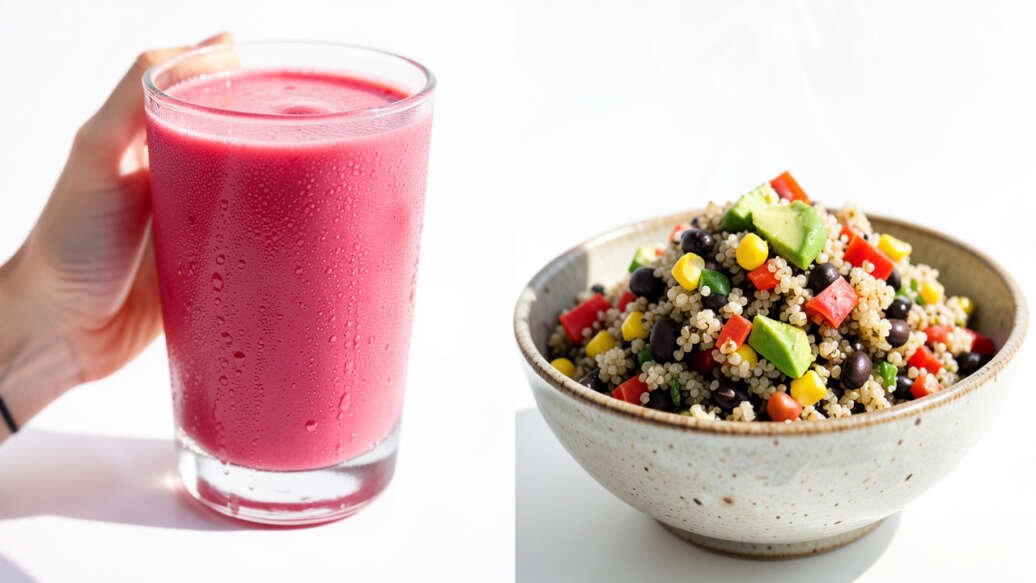
A practical approach is to follow the “food first” rule. Before reaching for a caloric beverage, ask if you could eat the same nutrient in solid form. An apple is more filling than apple juice.
A handful of almonds is more satisfying than almond milk latte.
- Chew Thoroughly: If you do have a smoothie, sip it slowly and try to include fibrous ingredients that require some chewing.
- Pair with Protein or Fat: If having juice, pair it with a source of protein (like yogurt) or healthy fat (like nuts) to slow absorption.
- Use a Straw Strategically: A straw can sometimes speed up consumption. Drinking from a cup may encourage slower sipping.
- Track Liquid Calories: Be mindful that these calories add up. Logging drinks in a food diary can reveal surprising totals.
- Hydrate First: Sometimes thirst masquerades as hunger. Drink water before reaching for a snack or sweet drink.
- Opt for Whole Fruits: Choose the whole fruit over its juice to gain fiber, water volume, and the benefit of chewing.
- Be Wary of Health Halos: Green juices, protein shakes, and kombucha can still be high in sugar and calories.
Tip: Pre-portion your caloric drinks. Instead of drinking directly from a large carton or bottle, pour a single serving (e.g., 8 oz of juice) into a glass. This simple act increases awareness and helps control volume.
What Are Common Myths About Liquid Nutrition?
Several persistent myths contribute to the overconsumption of liquid calories, particularly in the form of “healthy” beverages. Debunking these is essential for applying satiety science correctly to your daily habits. One major myth is that calories from juice or smoothies are equivalent to calories from whole fruit.
Another widespread belief is that liquid meal replacements are a superior tool for weight loss because they are “convenient.” While they can be part of a plan, the satiety science shows they are often less filling than the whole-food meals they replace, which can backfire if hunger returns sooner.
There’s also a myth that if a drink is labeled “natural,” “organic,” or “cold-pressed,” it is inherently healthy and non-fattening. These terms do not change the fundamental physiology of how your body processes liquid calories. A 200-calorie organic juice will still be less filling than 200 calories of solid vegetables and lean protein.
- Myth 1: “Blending fruit is the same as eating it.” Reality: Blending breaks down fiber structures, speeding absorption and reducing satiety.
- Myth 2: “Liquid meals are always lower in calories.” Reality: Many commercial smoothies and shakes contain 400-600 calories per serving.
- Myth 3: “You need sports drinks for electrolytes after light exercise.” Reality: For workouts under 60 minutes, water is sufficient; sports drinks add unnecessary sugar and calories.
- Myth 4: “Diet sodas are a harmless way to satisfy sweet cravings.” Reality: While zero-calorie, they may perpetuate a preference for sweet tastes and have been linked to altered appetite regulation in some studies.
- Myth 5: “Drinking your calories is an efficient way to get nutrition.” Reality: Efficiency in calorie delivery is not a goal when trying to manage weight; satisfaction and fullness are.
Does Temperature or Timing Affect the Satiety of Liquids?
Yes, both temperature and timing can have minor effects on how filling a liquid feels, though they do not override the core issue of rapid gastric emptying. The temperature of a beverage can influence the speed at which you drink it and your perception of its volume.
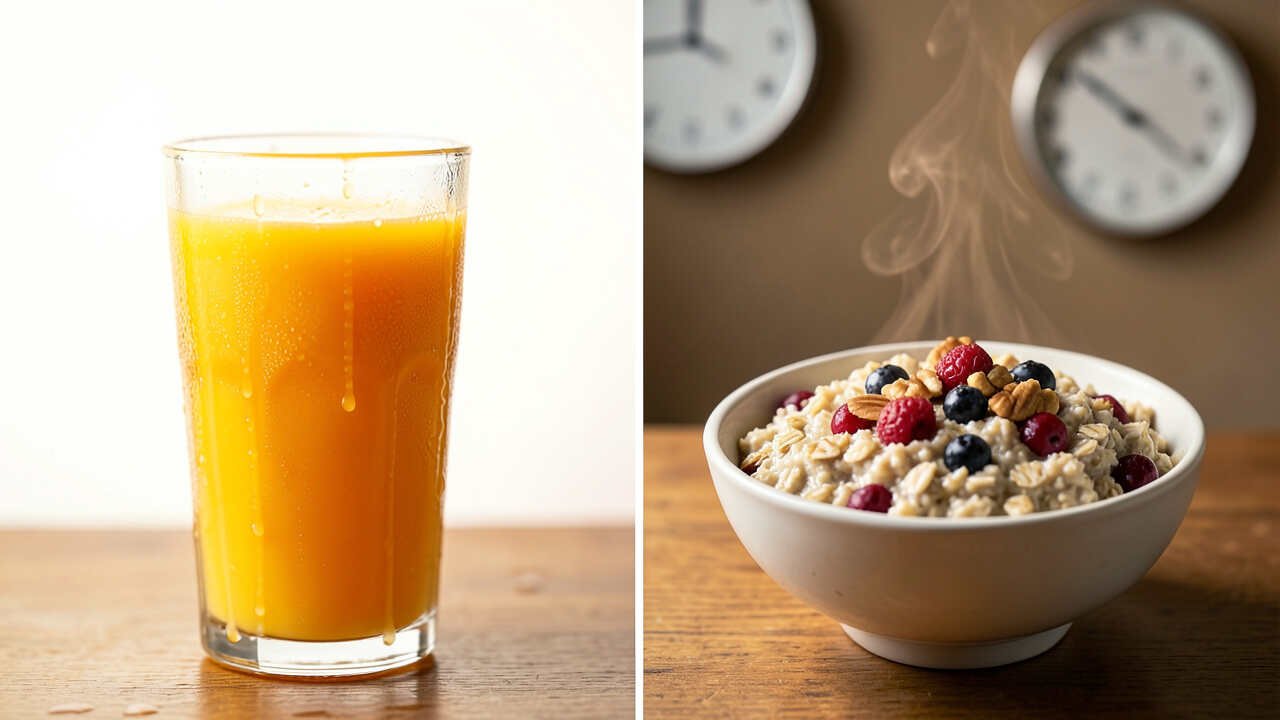
Cold beverages, for instance, are often consumed more quickly than warm or hot ones. A hot coffee or tea is sipped slowly, which extends the sensory experience and may slightly prolong the feeling of warmth or fullness in the stomach. However, the calorie content is the dominant factor.
Timing also matters. Consuming a caloric beverage 20-30 minutes before a meal can have a small, modest impact on reducing food intake during that meal, but the effect is significantly less than eating a solid food preload. The liquid will have largely cleared the stomach by the time you eat the main meal.
| Factor | Impact on Satiety | Practical Implication |
|---|---|---|
| Hot Temperature | Slower consumption pace; may enhance sensory satisfaction. | Choose hot, unsweetened drinks like herbal tea to slow down. |
| Cold Temperature | Often consumed faster; little direct effect on gastric emptying. | Be mindful of sipping pace with cold, sweet drinks. |
| Pre-Meal Consumption | Modest reduction in subsequent meal intake if done 15-30 mins prior. | A broth-based soup before dinner is better than a juice. |
| Post-Meal Consumption | Adds calories after fullness signals from the meal have begun. | Avoid sugary drinks as “dessert”; they add extra calories. |
While temperature and timing can play a supporting role, focusing on converting liquid calories to solid food choices will always have a greater impact on fullness.
Frequently Asked Questions
Are all liquid calories bad?
Not necessarily, but they are often less satiating. Nutrient-dense liquids like milk, plain yogurt drinks, or whole-fruit smoothies can be part of a healthy diet. The key issue is with sugary beverages, juices, and specialty coffees that add many calories without promoting fullness.
Moderation and awareness are crucial.
Do protein shakes make you feel full?
Protein shakes can be more filling than other sugary drinks due to protein’s natural satiety effects. However, they are generally less satiating than a solid meal containing the same amount of protein and fiber, like chicken breast with vegetables. The liquid form means faster digestion and weaker satiety signals.
Is drinking water while eating bad for digestion?
No, this is a myth. Drinking water with meals can help with hydration and may even assist in swallowing. It does not dilute stomach acid significantly or impair digestion for most people.
Some evidence suggests it might slightly increase feelings of fullness, which could be beneficial.
Why do I feel hungry after a juice cleanse?
Feeling hungry on a juice cleanse is normal and expected. Despite consuming calories, the lack of solid food, fiber, protein, and fat provides almost no sustained satiety signals. The rapid digestion of fruit juice sugars leads to quick energy followed by a drop, prompting hunger and cravings.
Can a smoothie be as filling as a meal?
A well-designed smoothie with ample protein (Greek yogurt, protein powder), healthy fats (nut butter, seeds), and fiber (whole fruits, oats, vegetables) can be quite filling. However, for most people, it will still not be as filling as a solid-food meal with the same ingredients due to the reduced chewing time and faster gastric emptying.
Final Thoughts
The reduced filling effect of liquid calories is a clear outcome of how our bodies evolved to process solid foods. By bypassing chewing, rapid gastric emptying, and blunted hormonal responses, drinks with calories often don’t satisfy us like whole foods. Using this knowledge to prioritize solid, nutrient-dense options and being mindful of liquid calorie sources is a powerful strategy for better appetite control and overall health.