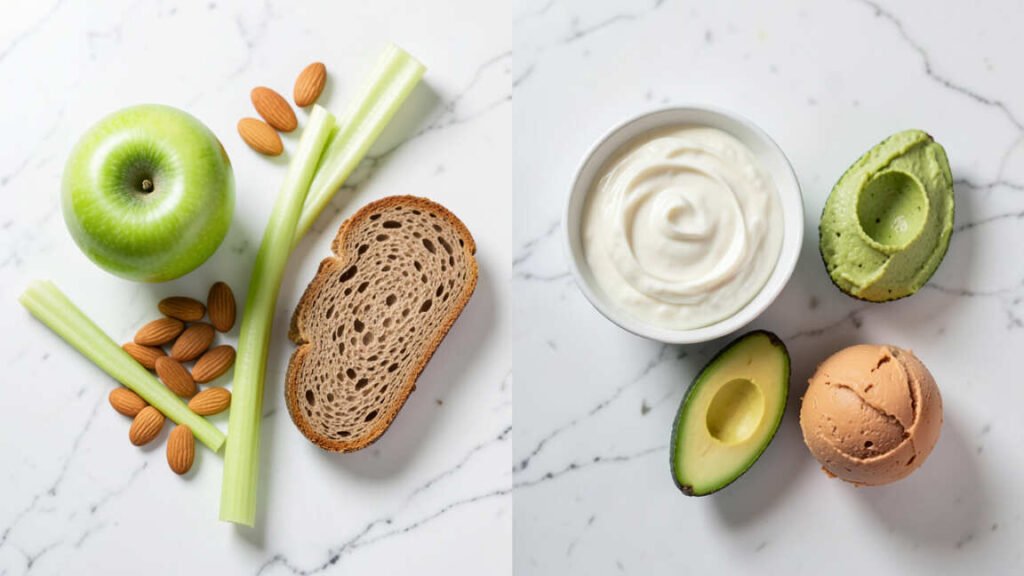
Yes, the texture of food significantly affects how full you feel by influencing chewing time, swallowing speed, and the release of satiety hormones. Foods with a complex, chewier, or more viscous structure, such as fibrous vegetables or gel-like oats, require more oral processing and slow gastric emptying, which prolongs feelings of satisfaction. For effective weight management, prioritizing these satiating textures over soft, processed options can help control appetite and reduce overall calorie intake.
Food texture plays a surprisingly powerful role in how full you feel after a meal. It’s not just about calories or nutrients; the physical form of what you eat sends critical signals to your brain and digestive system. Understanding this connection can change how you choose your meals to stay satisfied longer.
This post explores the science behind texture and satiety. We will break down why certain textures are more filling and give you practical tips to use this knowledge to your advantage.
Simply put, yes, the texture of food significantly impacts how full you feel. Foods that require more chewing and have a complex structure promote greater satiety by slowing eating speed, enhancing hormonal signals, and extending feelings of fullness.
Key Takeaways
- Food texture directly influences satiety by affecting chewing time, swallowing speed, and digestive processes.
- Chewier, more fibrous, and viscous foods like apples or oatmeal generally keep you fuller longer than soft, processed foods like smoothies or chips.
- The sensory experience of texture is registered by the brain, which adjusts appetite hormone release based on perceived food properties.
- Incorporating a variety of textures into meals is a practical strategy for weight management and hunger control.
- Personal preference and food pairing matter; texture works in conjunction with taste, temperature, and aroma.
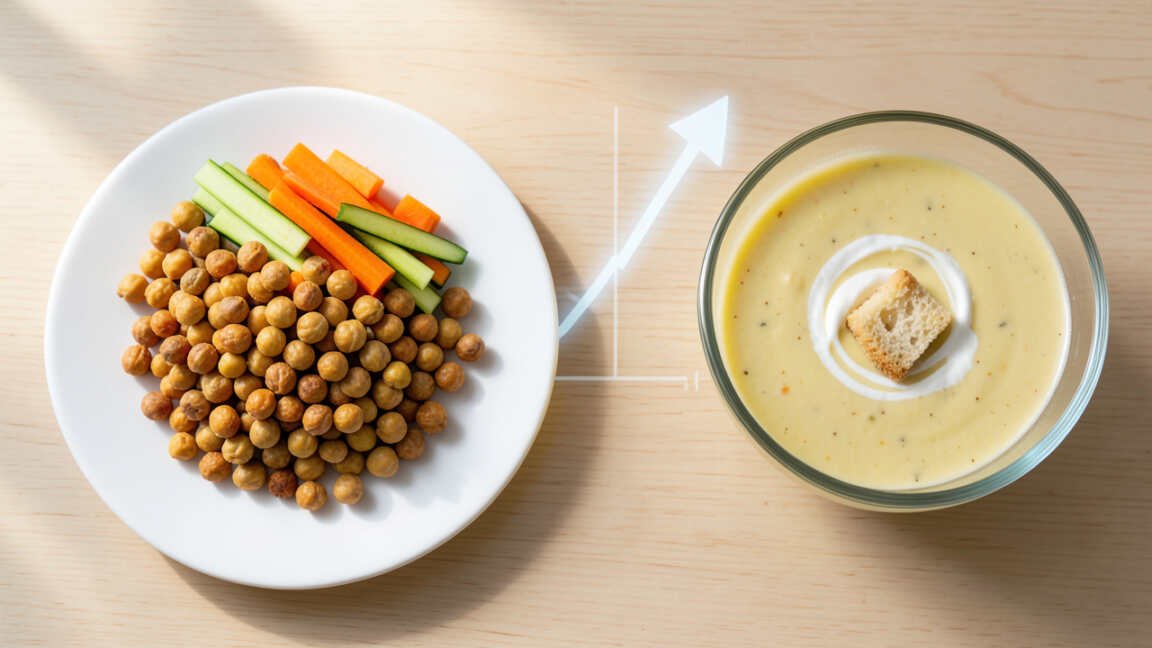
What is the Role of Food Texture in Satiety?
Satiety is the feeling of fullness and satisfaction after eating that tells your body to stop. While we often think of protein and fiber as the main drivers of satiety, food texture is a key behavioral component that regulates how much we consume in one sitting.
Texture is a mechanical property. It dictates how we handle food in our mouths. The effort required to chew and the resistance of the food particles create sensory feedback.
This feedback loops directly to the brain, influencing our perception of how substantial and satisfying a meal is.
Research from the Monell Chemical Senses Center indicates that oral processing time is a major predictor of fullness. Foods that are harder, crunchier, or more cohesive demand more chewing. This slower, more deliberate eating gives the body’s fullness hormones, like cholecystokinin (CCK) and peptide YY, time to be released and signal the brain.
| Texture Type | Typical Foods | Impact on Satiety |
|---|---|---|
| Crunchy/Crisp | Apples, carrots, nuts, whole-grain crackers | High – requires significant chewing time |
| Viscous/Gel-like | Oatmeal, chia pudding, soups with thickeners | High – slows gastric emptying |
| Soft/Mushy | Bananas, mashed potatoes, puddings, smoothies | Low – rapid consumption, minimal chewing |
| Chewy/Tough | Dried fruit, lean meats, bagels | High – prolonged oral processing |
This table illustrates a clear pattern: textures that resist immediate breakdown in the mouth tend to have a stronger satiating effect than those that dissolve or mash easily.
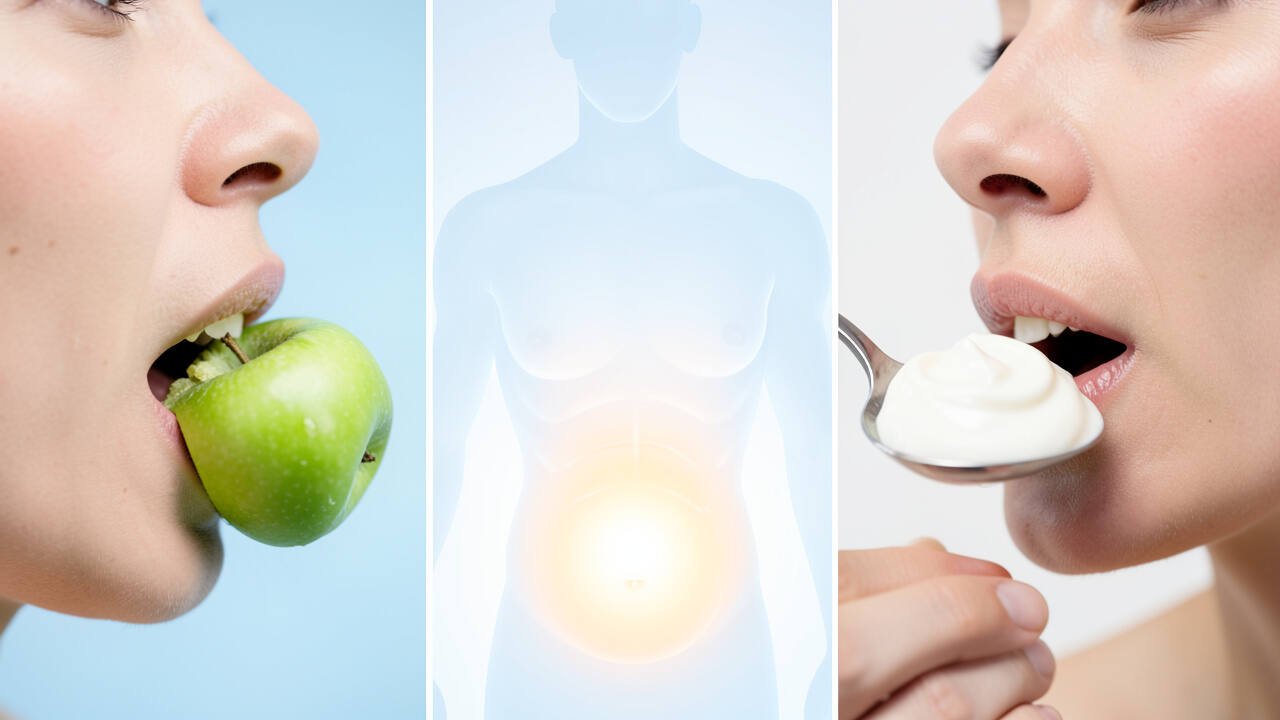
How Does Chewing and Oral Processing Affect Fullness?
The process of chewing, or mastication, is the first step in digestion and a critical trigger for satiety. When you chew food texture thoroughly, you are not just breaking it down; you are sending powerful signals. The muscles in your jaw and face send information to the hypothalamus, the brain’s appetite control center.
A study published in the American Journal of Clinical Nutrition found that people who chewed almonds 40 times before swallowing reported significantly greater feelings of fullness and absorbed fewer calories than those who chewed only 10 times. The extra chewing released more flavor and fat, making the snack more satisfying.
- Saliva Production: Vigorous chewing stimulates saliva, which helps form a cohesive food bolus. This bolus takes longer to swallow, adding to oral processing time.
- Sensory Feedback: The crunch of a carrot or the resistance of meat provides sensory feedback that the brain interprets as a “substantial” food.
- Pacing Meals: Foods requiring more chewing naturally slow down your eating pace. It takes about 20 minutes for fullness signals to reach your brain, so eating slower allows you to recognize when you are full.
- Psychological Satisfaction: The physical act of chewing is psychologically linked to the enjoyment and completeness of a meal.
Tip: Try a “chewing challenge.” Choose one meal a day to chew each bite 25-30 times. Notice how the flavor develops and how your fullness levels change.
The takeaway is clear: don’t rush through meals. Prioritize foods that force you to slow down and chew. Your brain will register the meal as more satisfying.
Why Do Viscous and Gel-Like Textures Promote Satiety?
Viscosity refers to the thickness or resistance to flow of a food. Think of the difference between water (low viscosity) and honey (high viscosity). Gel-like foods, such as oatmeal cooked into a porridge or a chia seed pudding, form a viscous mass in the stomach.
This viscous texture does two important things. First, it slows down gastric emptying, meaning the food leaves your stomach at a slower rate. This prolongs the physical sensation of fullness.
Second, it can trap nutrients and create a thicker mixture that requires more digestive effort.
Research from the University of Copenhagen showed that a viscous oatmeal porridge led to greater satiety and a lower subsequent calorie intake at lunch compared to a less viscous oat-based drink, even when the calories and macronutrients were identical. The texture, not the nutrients, made the difference.
Important: To increase viscosity naturally, add soluble fiber sources to your foods. Stirring ground flaxseed, psyllium husk, or chia seeds into yogurt, oatmeal, or soups can create a more filling, gel-like texture.
Examples of high-viscosity foods include:
- Steel-cut oatmeal over instant oatmeal
- Whole fruit over fruit juice or smoothies
- Beans and legumes in their thick broth over bean broth alone
- Homemade vegetable soups thickened with pureed vegetables
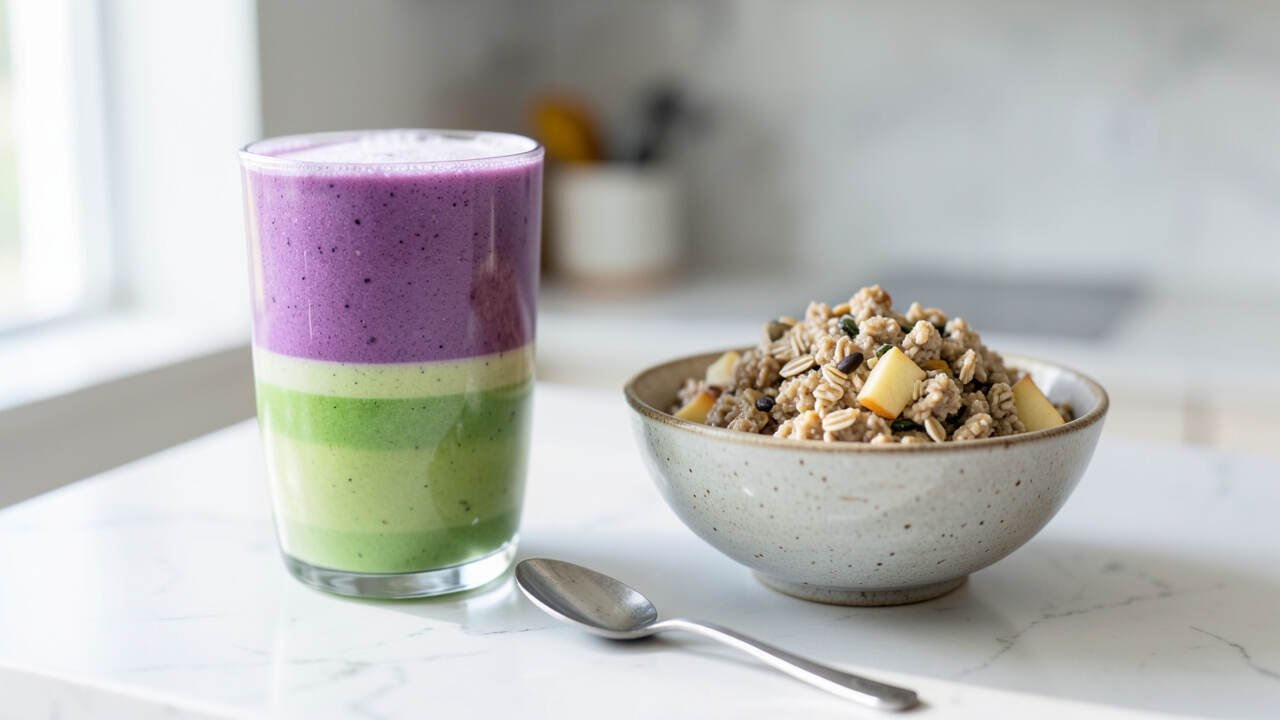
What is the Impact of Liquid vs. Solid Textures on Hunger?
This is a classic example of how food texture dictates fullness. The same nutrients consumed in liquid form versus solid form have vastly different effects on hunger. Liquids generally provide much weaker satiety signals than solids.
Why? Liquids empty from the stomach much faster than solids. They require minimal chewing, if any, and pass through the digestive system quickly.
A 200-calorie smoothie and a 200-calorie apple contain similar energy, but the smoothie leaves you feeling hungry much sooner.
A Cornell University study demonstrated this effect clearly. Participants who ate a solid snack (cheese and crackers) before a meal consumed significantly less food at that meal than those who drank a liquid calorie snack (cheese and crackers blended into a smoothie), despite both having the same calories and macronutrients.
| Characteristic | Solid Foods (e.g., Apple) | Liquid Foods (e.g., Apple Juice) |
|---|---|---|
| Chewing Required | Yes, extensive | No |
| Stomach Emptying Speed | Slow (hours) | Fast (minutes) |
| Gastric Distention | Significant, sends fullness signals | Minimal, signals weak |
| Overall Satiety | Strong and lasting | Weak and temporary |
For better hunger management, choose whole fruits over juices, chew protein bars instead of drinking protein shakes, and eat stewed fruit instead of drinking nectars.
How Do Processed Foods and Texture Engineering Affect Appetite?
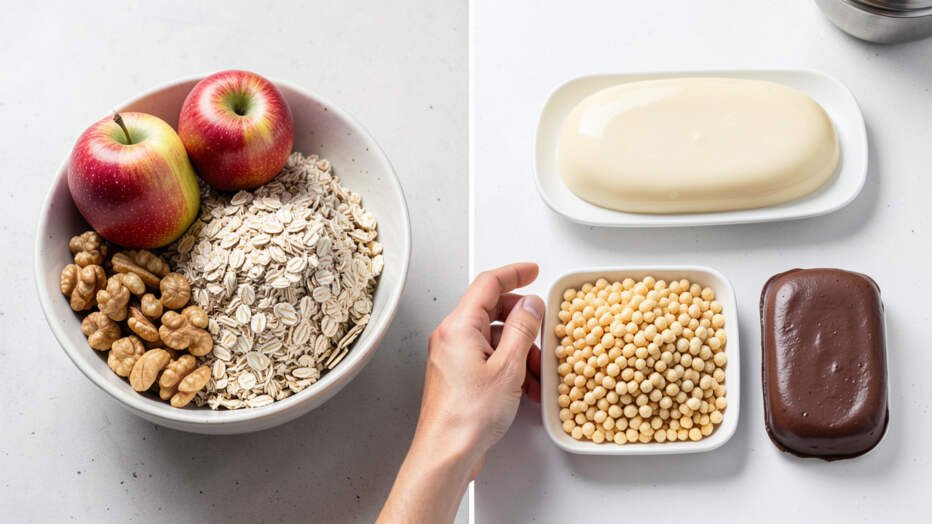
The modern food industry has mastered “texture engineering” to make hyper-palatable, easy-to-consume foods. These are often referred to as ultra-processed foods. Their textures are typically designed for rapid consumption and high reward, which works against natural satiety signals.
These foods often have a “melt-in-the-mouth” or uniformly soft texture. Chips, for instance, are engineered to shatter instantly, requiring minimal chewing. Ice cream is made to be soft and scoopable.
Cookies are soft and crumbly. This engineered softness allows you to eat a large volume very quickly.
This rapid consumption is key. You can consume hundreds of calories in minutes before your brain has any chance to receive fullness signals. A bag of potato chips might be gone in 10 minutes, while eating the same weight and calories of boiled potatoes would take much longer and feel more filling.
- Sugar Crystals: Dissolve quickly on the tongue for immediate flavor release.
- Hydrogenated Oils: Create a smooth, creamy, and stable texture in baked goods and spreads.
- Emulsifiers: Allow oil and water to mix, creating homogenous textures in sauces and dressings.
- Thickeners & Gums: Add viscosity to low-fat products to mimic the mouthfeel of fat.
By bypassing the natural need for chewing and digestion, these engineered textures disconnect the physical act of eating from the physiological feeling of being full. This is a major factor in overeating.
Warning: Be mindful of “soft” health foods. Even foods marketed as healthy, like smoothie bowls, fruit bars, or protein puddings, can have textures that lead to faster consumption and less satiety than their whole-food counterparts.
Which Textures Should You Choose for Weight Management?
Applying the science of food texture to your plate is a practical strategy for managing hunger and weight. The goal is to construct meals that are satisfying and take a reasonable amount of time to eat. This is not about deprivation, but about smart, strategic food choices.
Focus on building meals that incorporate a spectrum of challenging textures. A perfect meal might include a crunchy component, a chewy protein, and a viscous side. This combination maximizes oral processing time and sensory satisfaction.
Here is a checklist for building a more satiating meal:
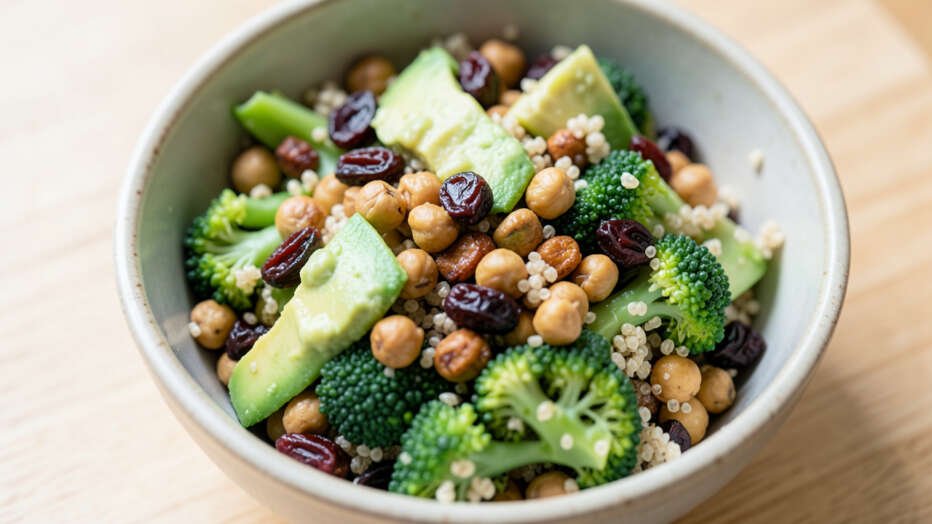
- Include a Crunch: Add raw vegetables like bell peppers, cucumber, or broccoli florets as a side. Top salads with nuts, seeds, or whole-grain croutons.
- Choose Chewy Proteins: Opt for grilled chicken breast, lean steak, or baked tofu instead of ground meat or deli slices.
- Go for Whole Fruits: Pick a whole orange or pear over orange juice or applesauce.
- Make Grains Complex: Choose brown rice, quinoa, or farro over white rice or couscous. Select steel-cut oats over instant oatmeal.
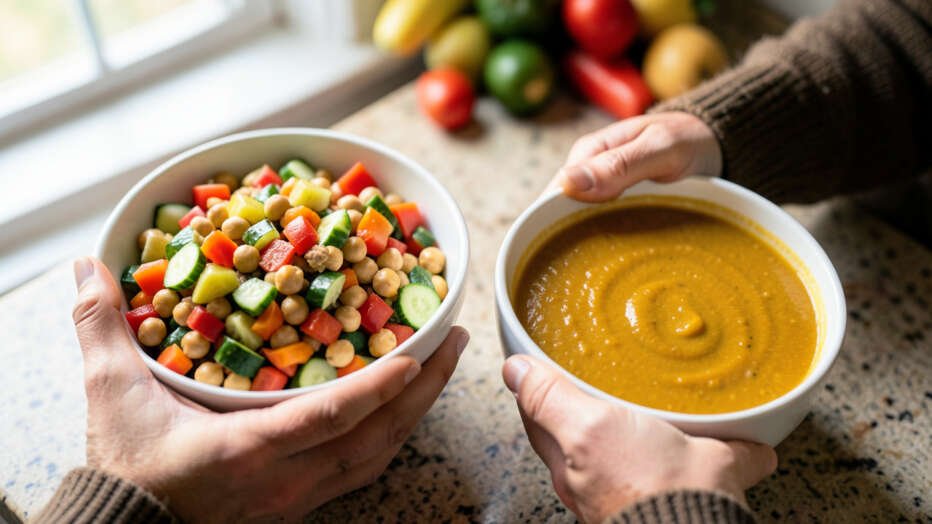
- Thicken Your Soups: Puree part of the vegetable content or add beans to create a heartier, more viscous broth.
- Limit Liquid Calories: Eat your calories whenever possible instead of drinking them.
Remember that satisfaction is a critical part of sustainable eating. A meal with varied, interesting textures is more enjoyable and less likely to leave you searching for more food an hour later.
What are Common Mistakes When Using Texture to Feel Full?
Even with the best intentions, it’s easy to make mistakes that undermine the benefits of food texture. Being aware of these pitfalls can help you stay on track. Many people focus only on calories or macros, ignoring this powerful tool.
One major mistake is relying on volume alone. Eating a huge bowl of mushy, low-calorie food might seem filling, but if it doesn’t require chewing, you’ll miss the sensory feedback that signals genuine satisfaction. Conversely, eating a tiny amount of very chewy food might leave your stomach physically empty.
Another error is misjudging “healthy” processed foods. A high-fiber protein bar is better than a candy bar, but its dense, chewy texture might still be easier to eat quickly than an apple. Always compare it to its whole-food alternative.
Here are more mistakes to avoid:
- Ignoring Beverage Texture: Forgetting that blended smoothies, even with fiber, are liquids. Try chewing a smoothie to increase processing time.
- Overcooking Vegetables: Cooking vegetables to a complete mush removes their crunchy or firm texture. Steam or roast them to retain a bite.
- Eating While Distracted: Not paying attention to the texture of your food diminishes the brain’s sensory feedback loop.
- Choosing the Wrong “Crunchy” Foods: Reaching for refined grain crackers or fried chips. The crunch should come from vegetables, nuts, or seeds.
- Not Drinking Water with Meals: Water can help dissolve and process viscous foods, making them easier to eat but not necessarily less filling. Sip, don’t gulp.
How Can You Incorporate More Satiating Textures into Your Diet?
Changing your diet doesn’t require a complete overhaul. You can make simple, strategic swaps that introduce more satiating textures to your regular meals. The key is to think about what you’re currently eating and find a higher-texture alternative.
Start with one meal or snack at a time. For breakfast, switch from cereal to a bowl of steel-cut oats topped with almonds and sliced banana. The difference in chewing time and texture complexity will be immediately noticeable.
For lunch, if you usually have a sandwich, try a large salad with lots of crunchy vegetables, chickpeas for a chewy element, and a thick, homemade vinaigrette. If you always have a smoothie, try having a piece of fruit and a handful of nuts instead.
Here are more easy swaps:
- Snack Swap: Replace cheese and crackers with a whole apple and a small block of hard cheese you have to cut.
- Side Swap: Replace mashed potatoes with roasted potatoes with the skin on, which offer a crisp exterior.
- Soup Upgrade: Instead of a smooth butternut squash soup, leave it chunky with pieces of squash and beans.
- Dessert Choice: Choose a fresh berry salad with a dollop of Greek yogurt over a soft, sugary dessert.
- Cooking Method: Bake or air-fry foods instead of boiling to create a more textured exterior.
The goal is to make eating a more engaging physical and sensory experience. This naturally leads to slower, more mindful consumption and better recognition of your body’s fullness signals.
Frequently Asked Questions
Does blending fruit remove the texture benefit?
Yes, blending fruit into a smoothie or juice significantly reduces its texture benefit. It removes the need for chewing and turns the fruit into a liquid that empties from the stomach quickly. While you retain the fiber and nutrients, you lose the powerful satiety signals that come from oral processing.
Eating the whole fruit is always more filling.
Are all crunchy foods good for feeling full?
Not necessarily. The benefit of crunch comes from increased chewing time. A carrot or an apple is excellent because it’s nutritious and requires effort.
However, processed crunchy foods like potato chips or refined crackers are often engineered to shatter quickly, leading to fast consumption without meaningful satiety. The source of the crunch matters greatly.
How does temperature relate to texture and satiety?
Temperature can influence how we perceive texture. Very hot foods can sometimes be consumed more quickly because they soften, while very cold foods like ice cream can numb the mouth slightly. However, temperature is a separate sensory channel.
A hot, thick stew and a cold, thick yogurt can both have high-viscosity benefits, but the core driver is the food’s physical structure, not its temperature.
Can texture help with portion control for children?
Absolutely. For children, especially picky eaters, focusing on texture can be a key to satisfaction. Offering foods with a variety of textures—crunchy carrots, chewy meatballs, creamy avocado—can make meals more engaging.
It encourages them to slow down and eat more mindfully, which helps them recognize their own fullness cues.
Do chewing gums or mints help reduce hunger between meals?
Chewing gum can provide some of the sensory and muscular feedback of eating, which may slightly reduce the urge to snack out of boredom. However, it does not provide any nutritional substance or trigger the release of digestive satiety hormones. It’s a temporary distraction at best and not a substitute for a balanced, textured snack.
Final Thoughts
The texture of your food is a powerful, often overlooked lever for managing hunger and fullness. By choosing foods that require more chewing and have a more complex physical structure, you naturally slow down your eating and enhance your body’s innate satiety signals.
Start by paying attention to the textures on your plate. Make simple swaps to incorporate more crunchy, chewy, and viscous foods. This mindful approach can lead to greater satisfaction with your meals and support your overall health goals in a sustainable way.