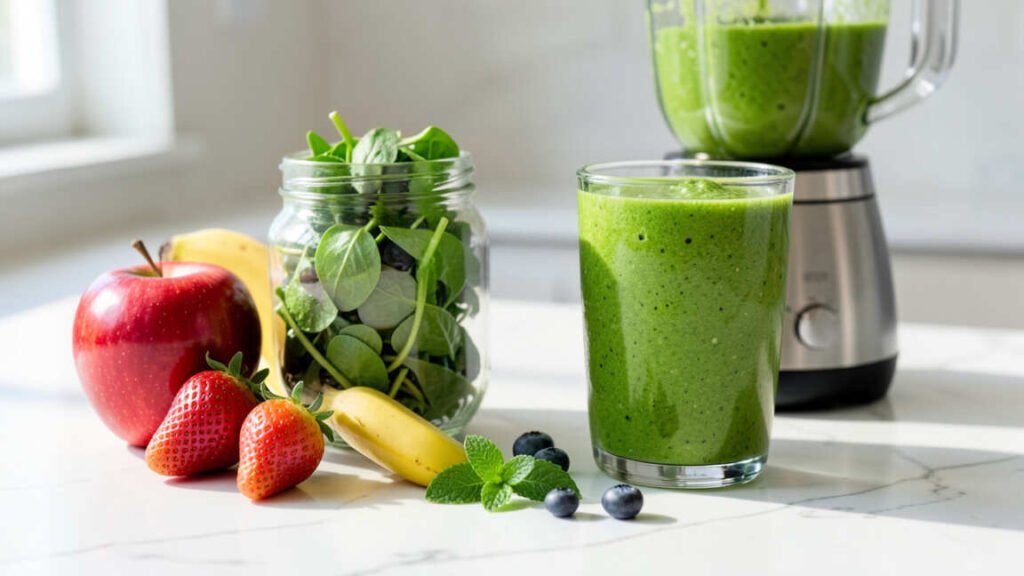
Blending fruit does not destroy most vitamins or minerals, but it mechanically breaks down the plant's cell walls and total fiber matrix. This process can lead to faster digestion and a more rapid rise in blood sugar compared to eating whole fruit, which requires chewing and digestive breakdown. Consequently, whole fruit is generally better for weight management and blood sugar control, while a smoothie can be a nutrient-dense option when time is limited or digestive ease is needed.
Smoothies vs whole fruit is a debate that swirls around health-conscious circles, leaving many to wonder if blending their breakfast or snack alters its fundamental goodness. You grab a blender, toss in a banana and some berries, and press a button. But are you drinking a drink or eating a meal?
The truth lies in the science of fiber, sugar absorption, and how your body processes what you consume.
This post dives deep into the nutritional, digestive, and practical differences between a blended smoothie and a piece of whole fruit. We’ll compare them directly, examine what blending does to food at a cellular level, and give you clear guidance on when each option is the best choice for your health goals.
Simply put, blending fruit does not destroy most vitamins or minerals, but it does break down the cell walls and total fiber structure. This can lead to faster digestion and a quicker sugar spike compared to eating the same fruit whole. For most people, both are healthy, but whole fruit is generally better for blood sugar control and fullness.
Key Takeaways
- Blending fruit breaks down its cellular structure and insoluble fiber, but retains most soluble fiber, vitamins, and minerals.
- Whole fruit requires chewing, which starts digestion slowly and signals fullness to your brain more effectively.
- The primary difference is digestion speed: smoothies pass through your stomach quickly, potentially causing a faster rise in blood sugar.
- Smoothies are a useful tool for increasing fruit and vegetable intake, especially for those who struggle to eat enough whole produce.
- Choosing between a smoothie and whole fruit depends on your specific health goals, digestion, and convenience needs.
Now, let’s break down exactly what happens when fruit goes from whole to blended, and why it matters for your body.
What Happens to Fruit When You Blend It?
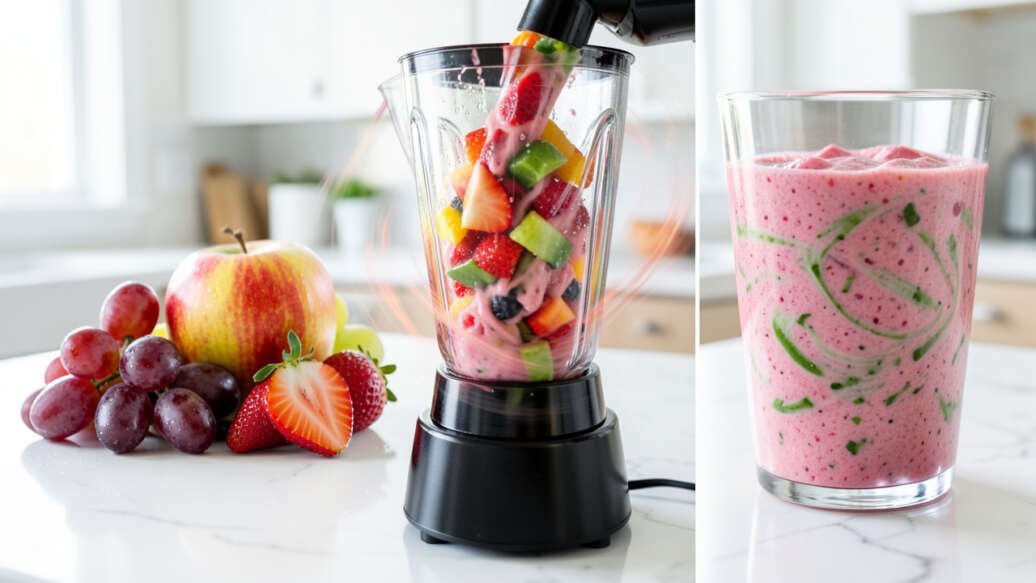
Think of a fruit’s cell wall as a tiny package holding its sugars, water, and nutrients. Blending applies intense mechanical force, ripping these cell walls apart. According to research from the University of California, Davis, this process breaks down the insoluble fiber, the roughage that gives fruit its bulk.
The result is a liquid where all the components are mixed together. Here’s a breakdown of the key changes:
- Fiber Separation: Insoluble fiber is pulverized, while soluble fiber remains largely intact in the liquid.
- Sugar Liberation: The natural sugars (fructose) are freed from their fibrous matrix, making them immediately available for absorption.
- Nutrient Availability: Some antioxidants may become more bioavailable because the cell walls no longer act as a barrier.
- Air Incorporation: Blending whips air into the mixture, which doesn’t affect nutrition but impacts texture and volume.
This mechanical digestion by the blender pre-processes the food, doing some of the work your teeth and stomach would normally do. The implications for how your body handles the sugar are significant.
How Does Your Body Digest a Whole Fruit?
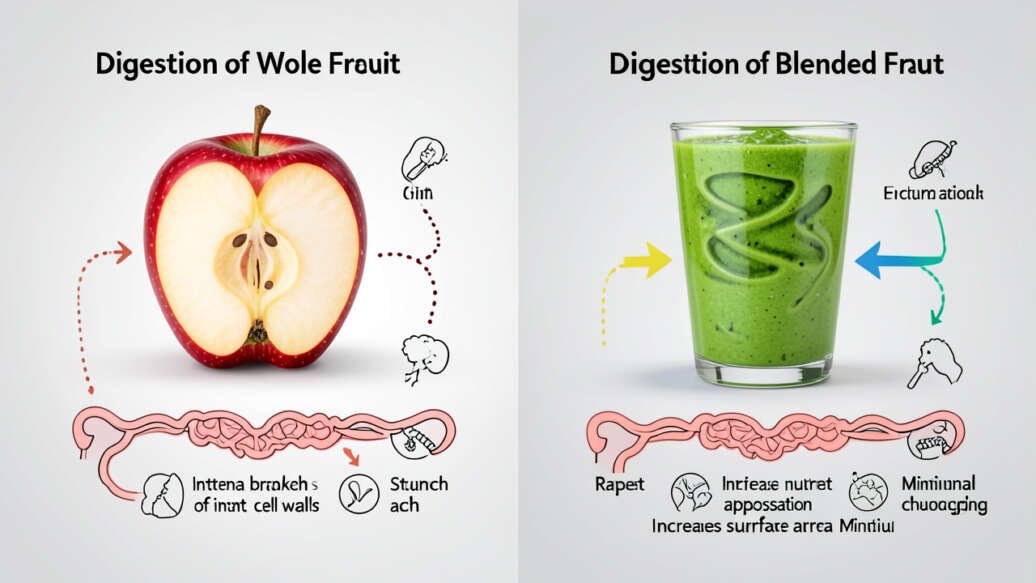
Eating a whole apple is a deliberate, slower process. Your body is designed to handle food in this form. The journey starts in your mouth, where chewing breaks the food into smaller pieces and mixes it with saliva containing digestive enzymes.
This first step is crucial for signaling to your brain that you are eating.
The intact fiber, both soluble and insoluble, forms a gel-like substance in your stomach. This slows gastric emptying, meaning the fruit’s contents are released into your small intestine gradually. The insoluble fiber acts like a scrub brush, aiding in regular bowel movements and feeding healthy gut bacteria in your colon.
This slow, methodical digestion leads to a gradual release of sugar into your bloodstream, preventing sharp spikes. The physical act of chewing and the time it takes to eat also contribute to better satiety signals.
Key Stages of Digesting Whole Fruit:
- Oral Phase: Chewing mechanically breaks down fruit, and saliva begins starch digestion.
- Gastric Phase: The stomach’s churning further breaks down the fruit, but the fiber matrix keeps the sugar release slow.
- Intestinal Phase: Nutrients and sugars are absorbed slowly through the intestinal wall due to the fibrous gel.
- Colonic Phase: Undigested fiber reaches the colon, where it’s fermented by gut microbiota, producing beneficial compounds like short-chain fatty acids.
This entire process can take several hours, providing sustained energy and keeping you feeling full longer. The fiber matrix is the hero of this story.
What is the Fiber Difference Between Smoothies and Whole Fruit?
Fiber is the central character in the smoothies vs whole fruit debate. While a smoothie made from whole fruit retains the fruit’s total fiber content on paper, the physical state of that fiber is changed.
Warning: A common mistake is assuming a smoothie has “no fiber.” It does have fiber, but the insoluble fiber is fragmented, altering its digestive behavior.
The key distinction is between soluble and insoluble fiber. Soluble fiber dissolves in water to form a gel and is less affected by blending. Insoluble fiber provides bulk and doesn’t dissolve.
Blending shreds the insoluble fiber into tiny particles.
| Fiber Type | In Whole Fruit | In a Smoothie |
|---|---|---|
| Insoluble Fiber | Intact, provides chewiness and bulk. Slows digestion physically. | Broken into tiny fragments. Less effective at slowing digestion. |
| Soluble Fiber | Forms a gel in the gut. Helps regulate blood sugar. | Still forms a gel, but the effect can be less pronounced without the insoluble matrix. |
Think of it like this: In a whole apple, the sugar is locked inside countless tiny rooms (cells) with thick walls. In a smoothie, those rooms are smashed open, and the sugar is poured into a large vat. Your body gets all the sugar much faster from the vat.
How Does Blending Affect Sugar Absorption and Blood Sugar?
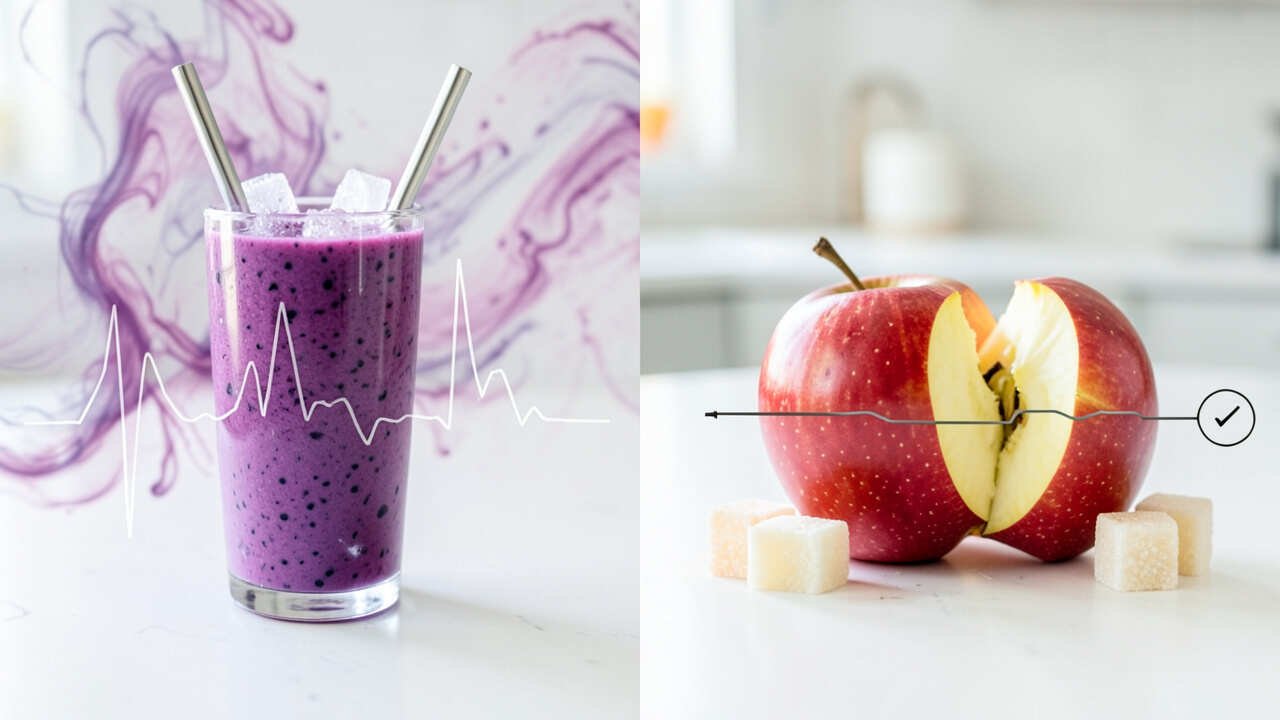
This is where the practical health implications become clear. The rate at which sugar enters your bloodstream is critical for energy levels, insulin response, and long-term metabolic health. Studies using continuous glucose monitors have shown that the same amount of fruit consumed as a smoothie often causes a higher and faster peak in blood sugar compared to the whole fruit.
The mechanism is direct: with the physical barriers of the cell walls removed, digestive enzymes can access the sugars immediately. Your small intestine absorbs the fructose rapidly. In contrast, when eating whole fruit, the intact fiber slows this absorption process.
For most healthy individuals, this difference is manageable. However, for those with diabetes, insulin resistance, or anyone looking to stabilize their energy and appetite, the faster spike from a smoothie can be less ideal. It can lead to a quicker subsequent drop in blood sugar, potentially triggering hunger and cravings sooner.
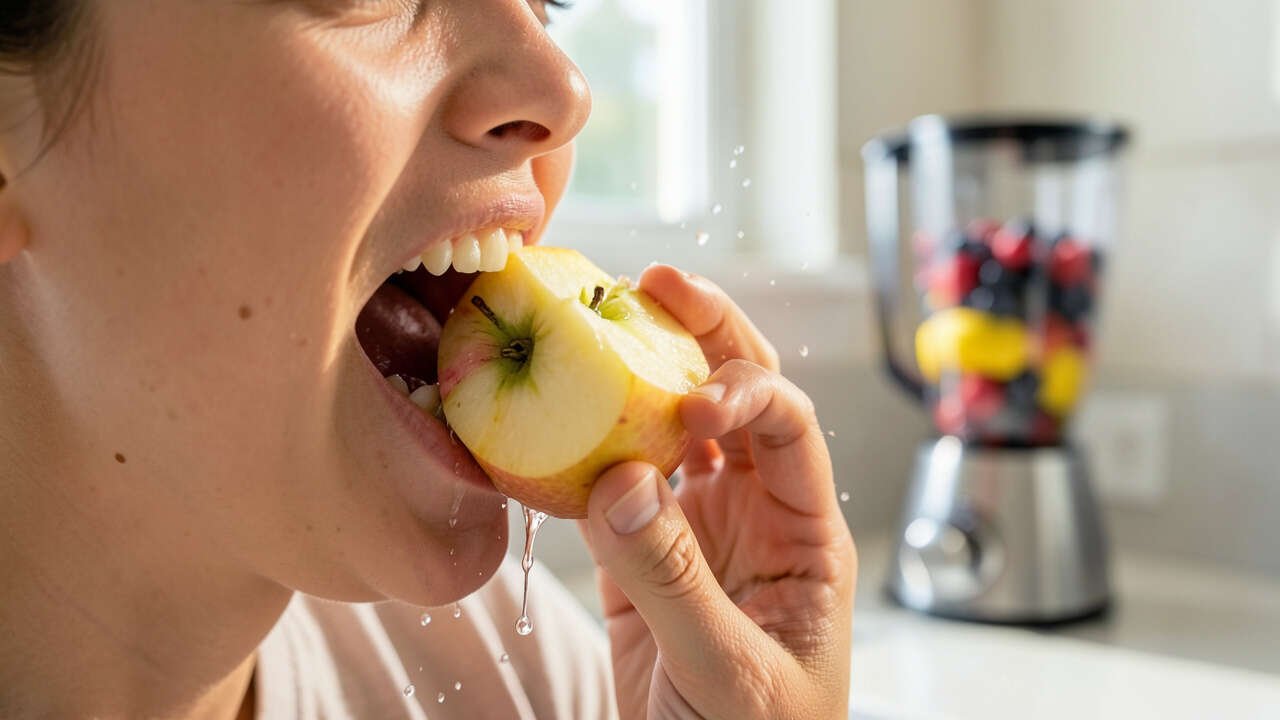
What is the Role of Chewing in Eating Whole Fruit?
We often overlook the importance of chewing. It’s not just about breaking food down; it’s a crucial signaling event for your body. The act of mastication, or chewing, triggers the release of satiety hormones like cholecystokinin (CCK) and peptide YY.
- Satiety Signals: Chewing sends messages to your brain that food is being consumed, which helps regulate appetite.
- Saliva Production: Saliva contains enzymes like amylase that begin carbohydrate digestion in the mouth.
- Eating Pace: Chewing forces you to eat more slowly, giving your brain time (about 20 minutes) to register fullness.
- Oral Health: The fibrous texture of whole fruit can help clean teeth surfaces.
When you drink a smoothie, you bypass all of these steps. You can consume a large volume of fruit in seconds without any of the cephalic (head) phase digestion cues. This can lead to consuming more calories than your body actually needs for satiety.
Can Smoothies Ever Be More Nutritious Than Whole Fruit?
While whole fruit has clear advantages for digestion and blood sugar, smoothies can have their own nutritional perks. The answer is nuanced and often depends on what you put in the blender.
Important: A smoothie’s nutrition is defined by its ingredients. A smoothie loaded with juice, sugar, and ice cream is a different story than one made with greens, seeds, and whole fruit.
Blending can increase the bioavailability of certain nutrients. For example, lycopene in tomatoes and beta-carotene in carrots may be better absorbed after blending because the cell walls are broken. Adding a source of healthy fat (like nut butter or avocado) to a smoothie can further enhance the absorption of fat-soluble vitamins (A, D, E, K).
Furthermore, smoothies offer a practical solution to a common problem: not eating enough fruits and vegetables. The World Health Organization recommends at least 400 grams of fruits and vegetables daily. For many, blending is the only way to easily consume multiple servings of leafy greens, berries, and other produce in one sitting.
Scenarios Where a Smoothie Wins:
- Increased Produce Intake: Easily pack in spinach, kale, beets, and multiple fruits.
- Nutrient Timing: Provide a quick source of carbohydrates and nutrients post-workout for muscle recovery.
- Convenience: For busy mornings or for those with chewing or digestive difficulties.
- Enhanced Nutrient Absorption: Blending with fat can boost absorption of certain phytonutrients.
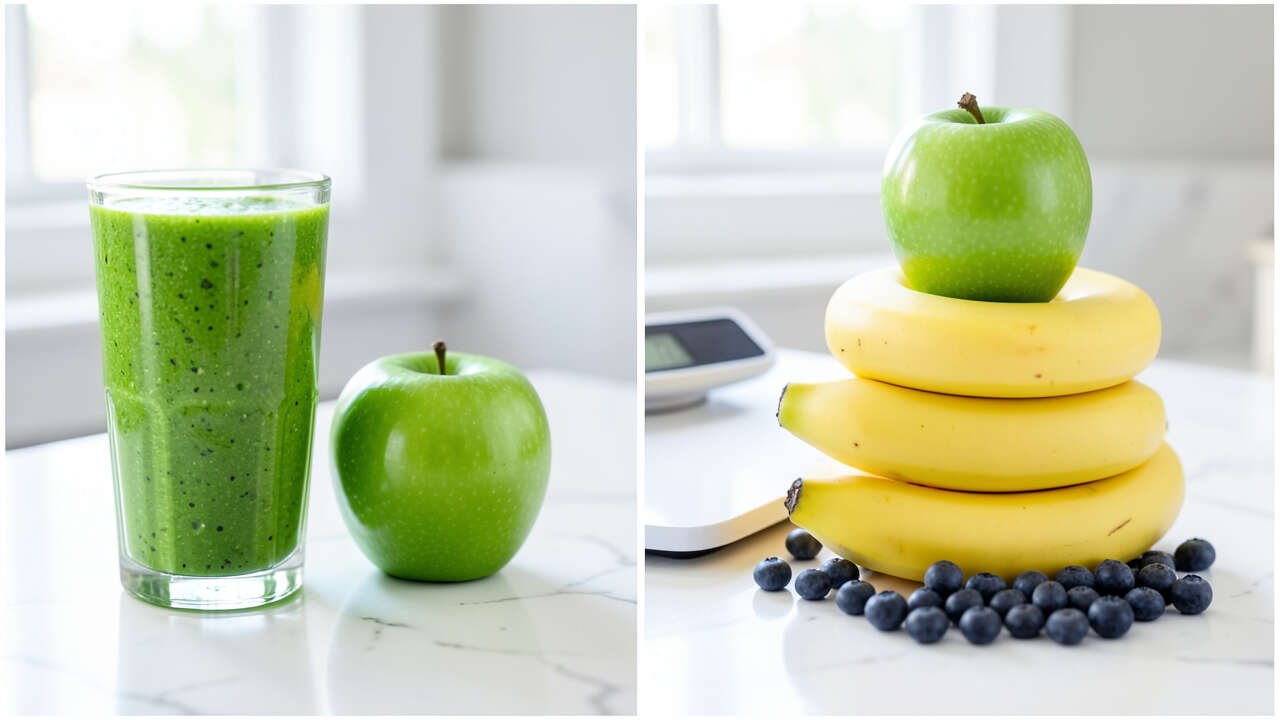
Which Option is Better for Weight Management?
When it comes to weight management, the evidence leans towards whole fruit. The concept of “food matrix” is key here. The intact structure of whole fruit provides more chewing resistance and stomach distension, both of which are powerful signals of fullness.
A study published in the journal Appetite found that people who ate an apple before a meal consumed fewer calories than those who drank apple juice. The physical form of the food influenced their subsequent intake. The fiber and water in whole fruit take up space in your stomach, promoting a feeling of fullness with fewer calories.
Smoothies, being liquids, can be consumed rapidly and do not trigger the same level of satiety. It’s easy to blend three or four pieces of fruit into a glass, a volume you might not eat in one sitting as whole pieces. This can lead to a higher calorie intake if not mindful.
| Factor | Whole Fruit | Fruit Smoothie |
|---|---|---|
| Satiety Level | High. Requires chewing, creates stomach volume. | Lower. Consumed quickly, less physical fullness. |
| Calorie Density | Lower. Harder to overeat. | Higher. Easy to combine many fruits/ingredients. |
| Blood Sugar Impact | Gradual rise. | Quicker, potentially higher spike. |
| Portability | High. No prep needed. | High, but requires a blender and cleanup. |
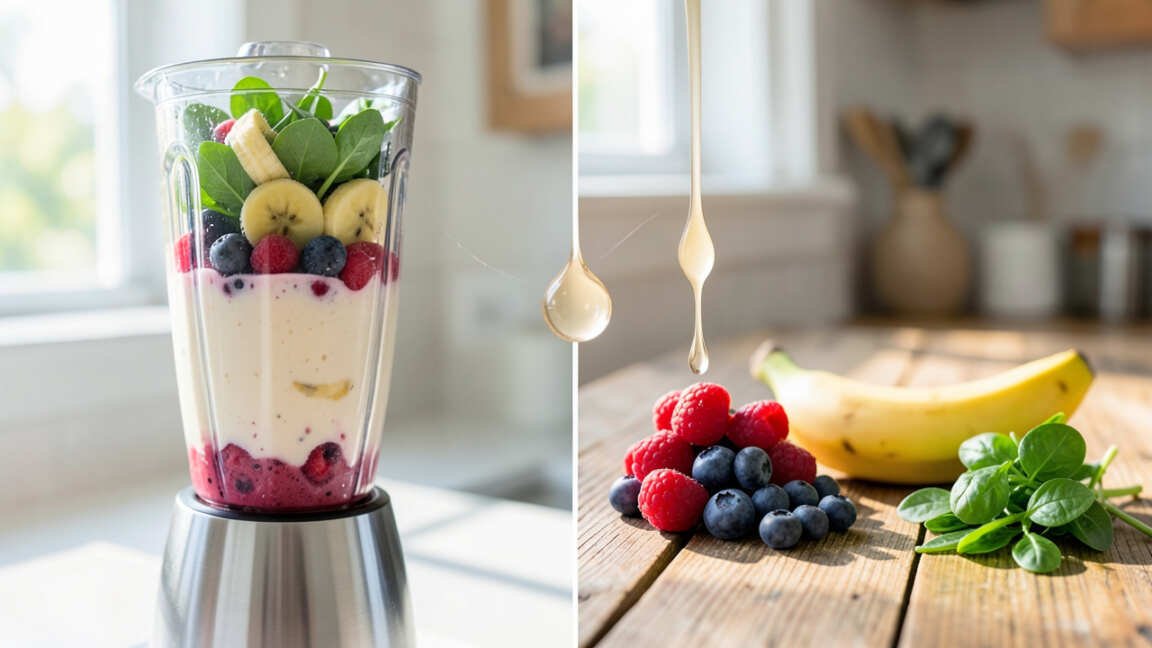
How to Make a Healthier, More Balanced Smoothie
If you choose to include smoothies in your routine, you can optimize their nutritional profile to mitigate some downsides. The goal is to slow digestion, increase satiety, and balance macronutrients. Don’t just blend fruit.
Build a complete mini-meal.
- Add Protein: Include Greek yogurt, cottage cheese, protein powder, or silken tofu. Protein slows stomach emptying and stabilizes blood sugar.
- Include Healthy Fats: Add a tablespoon of nut butter, chia seeds, flaxseeds, or half an avocado. Fat also slows digestion and helps with nutrient absorption.
- Favor Whole Vegetables: Use leafy greens like spinach or kale as a base instead of juice. This adds volume and nutrients with minimal sugar.
- Limit High-Sugar Fruits: Use berries (lower sugar) more generously than bananas, mangoes, or pineapple (higher sugar). A small piece of banana for creaminess is fine.
- Use Water or Milk, Not Juice: Liquid base matters. Water, unsweetened almond milk, or cow’s milk won’t add the sugar that orange juice or apple juice would.
A balanced smoothie formula might be: 1 cup leafy greens, 1/2 cup lower-sugar fruit, 1/2 cup higher-sugar fruit, 1 serving protein, 1 tablespoon fat, and 1 cup liquid. This creates a more complete, satisfying snack.
Frequently Asked Questions
Does blending destroy vitamins in fruit?
Blending causes minimal loss of most vitamins, especially water-soluble ones like vitamin C and B vitamins. Some oxidation can occur from exposure to air, but it’s not significant. The bigger change is in how your body absorbs the nutrients due to the altered fiber structure.
Is a green smoothie as healthy as eating a salad?
A green smoothie can be very healthy, but it’s different from a salad. It often contains more fruit for sweetness, which adds sugar. A salad provides more insoluble fiber and typically includes healthy fats from dressing.
Both are great, but they serve slightly different purposes.
Can diabetics drink fruit smoothies?
People with diabetes need to be cautious. The faster sugar absorption from a smoothie can disrupt blood sugar control. It’s best to pair smoothies with protein and fat, use low-glycemic fruits, and monitor portion sizes carefully.
Consulting a dietitian is recommended.
Why do I feel hungry soon after a smoothie?
Feeling hungry quickly is common because smoothies lack the chewing and slow digestion of whole food. The sugar can spike and then drop rapidly, triggering hunger. Adding protein, fat, and fiber-rich ingredients like chia seeds can help increase satiety and keep you full longer.
Are frozen fruits worse for smoothies than fresh?
No, frozen fruits are excellent for smoothies. They are typically flash-frozen at peak ripeness, which preserves their nutrients well. They also create a thicker, colder smoothie without needing ice, which can dilute flavor.
There is no significant nutritional disadvantage.
Final Thoughts
The smoothies vs whole fruit comparison has a clear winner for optimal digestion and blood sugar control: whole fruit. The intact fiber matrix and the act of chewing provide significant benefits for satiety and metabolic health. However, smoothies are a powerful and convenient tool.
They can help you easily consume a wide array of produce and can be balanced to be nutritious meals or snacks. The key is to be mindful of ingredients, portion sizes, and your individual health goals. Choose whole fruit as your default, and use smart, balanced smoothies as a strategic supplement.