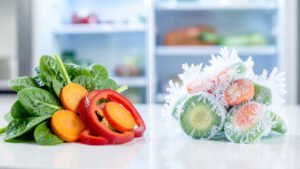
August 29, 2026 Does Freezing Food Destroy Nutrients? The Science Explained At a Glance Freezing food does not destroy most nutrients and is an effective method for preserving the… Read more
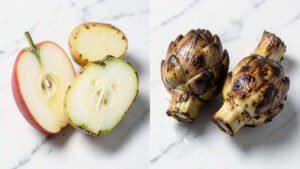
August 29, 2026 Why Do Cut Fruits and Vegetables Turn Brown? Explained At a Glance Cut fruits and vegetables turn brown due to enzymatic browning, a chemical reaction triggered when… Read more
August 28, 2026 Does Reheating Food Change Its Nutritional Value? At a Glance Reheating food alters its nutritional profile, primarily by degrading heat-sensitive water-soluble vitamins like vitamin C… Read more
August 28, 2026 Why Some Foods Keep You Full Longer Than Others At a Glance Foods that are high in protein, such as lean meats and legumes, and rich in… Read more
August 28, 2026 What Is Satiety? How Your Body Knows You’ve Eaten Enough At a Glance Satiety is the physiological state of feeling full and satisfied after eating, which signals your… Read more
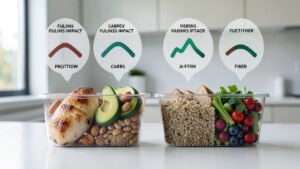
August 28, 2026 How Protein, Fat, Carbs, and Fiber Affect Fullness Differently At a Glance Protein has the strongest effect on fullness, followed by fiber, then fat, with carbohydrates being… Read more
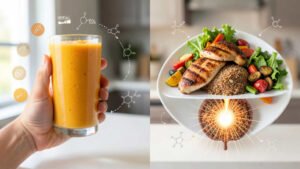
August 28, 2026 Why Liquid Calories Feel Less Filling Than Solid Food At a Glance Liquid calories feel less filling than solid food because they bypass key satiety signals like… Read more
August 28, 2026 Does the Texture of Food Affect How Full You Feel? At a Glance Yes, the texture of food significantly affects how full you feel by influencing chewing time,… Read more
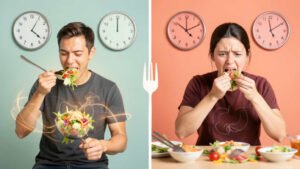
August 28, 2026 Does Eating Speed Affect Fullness? Science Says Yes At a Glance Yes, scientific research confirms that eating speed directly affects feelings of fullness. Slower eating allows… Read more
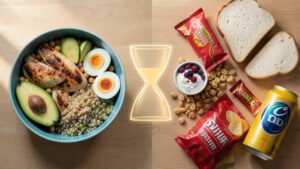
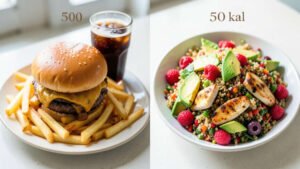
August 27, 2026 Why Two Meals With Same Calories Feel So Different At a Glance Two meals with identical calorie counts can feel completely different due to variations in their… Read more