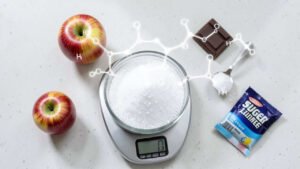
September 1, 2026 Sugar Alcohols Explained: What They Are & Why They’re Used At a Glance Sugar alcohols are reduced-calorie carbohydrate sweeteners derived from sugars, commonly used as alternatives to table… Read more
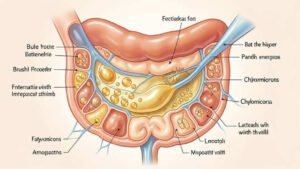
September 1, 2026 How Your Body Digests and Absorbs Dietary Fat At a Glance Dietary fat digestion and absorption primarily occur in the small intestine, where bile emulsifies large… Read more
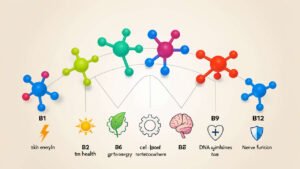
August 31, 2026 The B Vitamins Explained: Why Are There So Many of Them? At a Glance The B vitamin complex consists of eight distinct vitamins because each performs a specialized job… Read more
August 31, 2026 What Does Folate Do and How Is It Different From Folic Acid? At a Glance Folate is the natural form of vitamin B9 found in foods, essential for DNA synthesis,… Read more
August 31, 2026 What Does Sodium Do and Why Does the Body Need Some? At a Glance Sodium is an essential electrolyte required by the body to generate nerve signals, support muscle… Read more
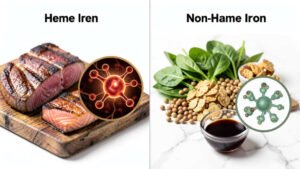
August 31, 2026 Heme vs Non-Heme Iron: What Is the Difference? At a Glance Heme iron comes exclusively from animal flesh and is absorbed very efficiently by the body,… Read more
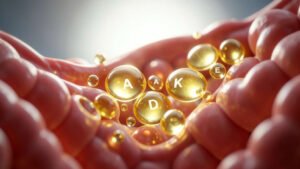
August 31, 2026 Why Fat Helps Your Body Absorb Certain Nutrients At a Glance Fat is essential for the absorption of fat-soluble vitamins A, D, E, and K because… Read more
August 31, 2026 What Is Ultra-Processed Food and How Is It Classified? At a Glance Ultra-processed foods are industrial formulations defined by the NOVA classification system as products made primarily… Read more
August 31, 2026 How Does Refining Change Grains and Their Nutrition? At a Glance Grain refining is a mechanical process that removes the outer bran and inner germ from… Read more
August 30, 2026 What Is Food Fortification and Why Nutrients Are Added to Foods At a Glance Food fortification is the deliberate addition of essential micronutrients, such as vitamins and minerals, to… Read more