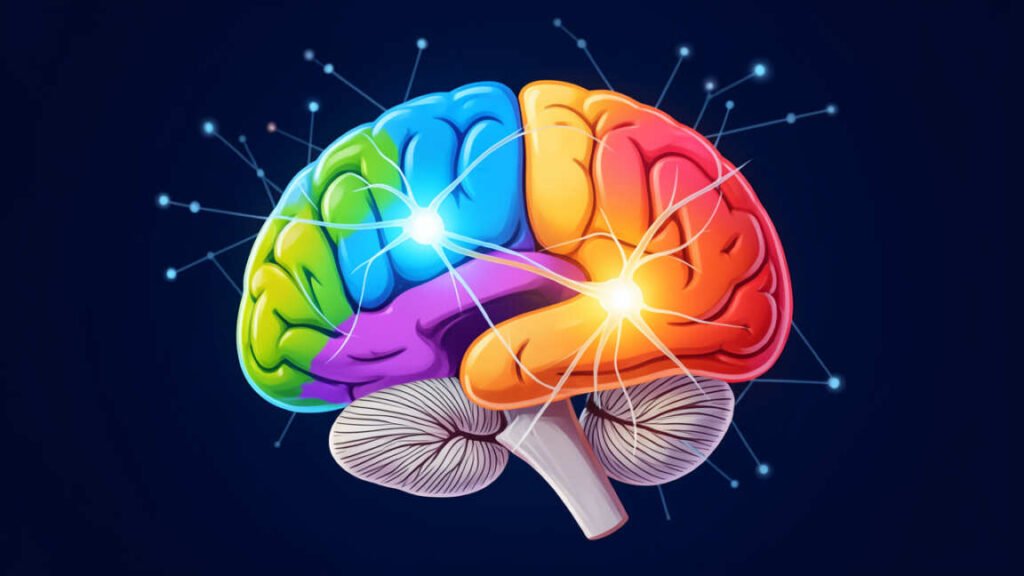
The human brain works as a command center by transmitting signals through electrical impulses between neurons across synapses using chemical neurotransmitters. Specialized regions like the cerebral cortex and brainstem coordinate activity to control everything from voluntary movement and memory to automatic functions. This integrated network processes information to shape thoughts, emotions, and actions, ultimately determining your response to the world.
How does the human brain work? It is the body’s command center, processing information at lightning speed. This guide explains the brain’s anatomy, how neurons transmit signals, and the key regions that shape your thoughts, emotions, and actions.
Simply put, the brain works by sending electrical and chemical signals between billions of neurons. Different regions handle specific jobs like movement, memory, and emotion. These signals travel through the nervous system, allowing your brain to control your body and respond to the world around you.
Key Takeaways
- The human brain contains roughly 86 billion neurons that communicate through electrical impulses.
- How the brain works depends on the coordinated activity of specialized regions, from the brainstem to the cortex.
- Neurons relay signals across synapses using chemicals called neurotransmitters.
- The nervous system connects the brain to the body, controlling both conscious actions and automatic functions.
- Keeping your brain healthy protects memory, focus, and overall quality of life.
What Is the Human Brain?
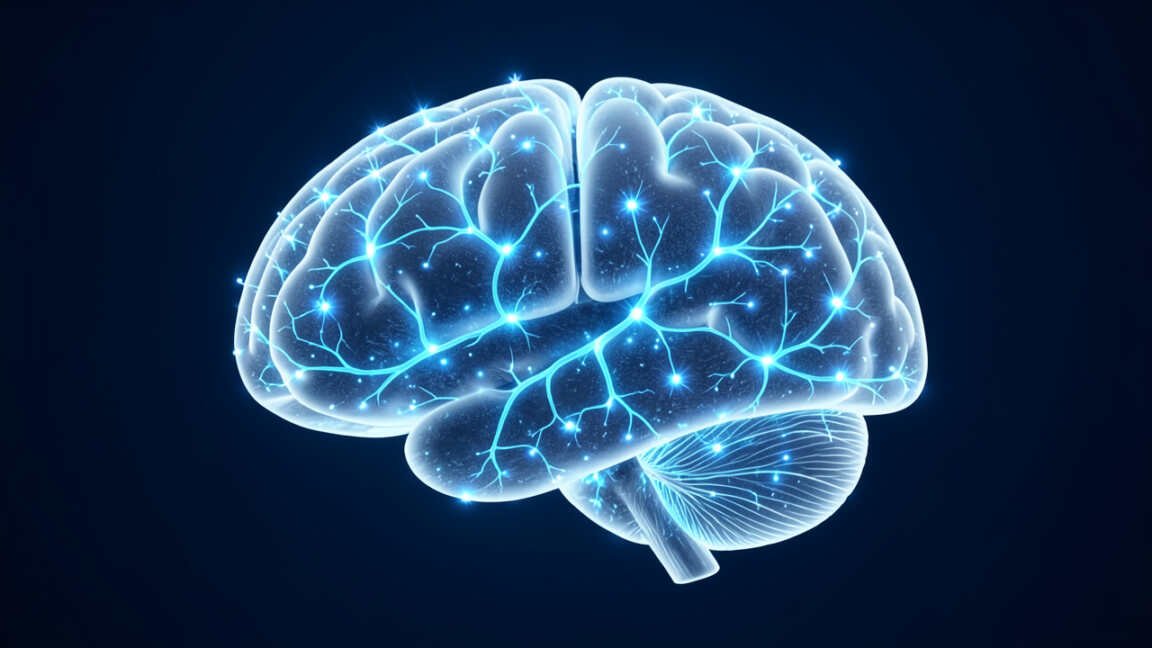
The human brain is a soft, foldable organ inside your skull. It weighs about three pounds and contains over 86 billion neurons. Every second, these neurons send electrical impulses that control breathing, heart rate, movement, and thought.
The brain is surrounded by protective membranes called meninges and fluid that cushions it from impact. It gets about 20% of your body’s blood flow, even though it makes up only 2% of your total weight. That high demand shows how hard your brain works.
- Cerebral cortex: the wrinkled outer layer responsible for higher thinking.
- Lobes: four main sections that handle different functions.
- Cerebellum: coordinates balance and skilled movements.
- Brainstem: controls automatic survival functions.
- Limbic system: processes emotions and memory.
| Lobe | Main Functions |
|---|---|
| Frontal lobe | Decision making, problem solving, personality |
| Parietal lobe | Sensory processing, spatial awareness |
| Temporal lobe | Hearing, language comprehension, memory |
| Occipital lobe | Visual processing |
Each lobe works with the others, so no single area works alone. This teamwork is why the brain can handle complex tasks like reading, speaking, and driving at the same time.
How Does the Human Brain Work? Neurons and Synapses
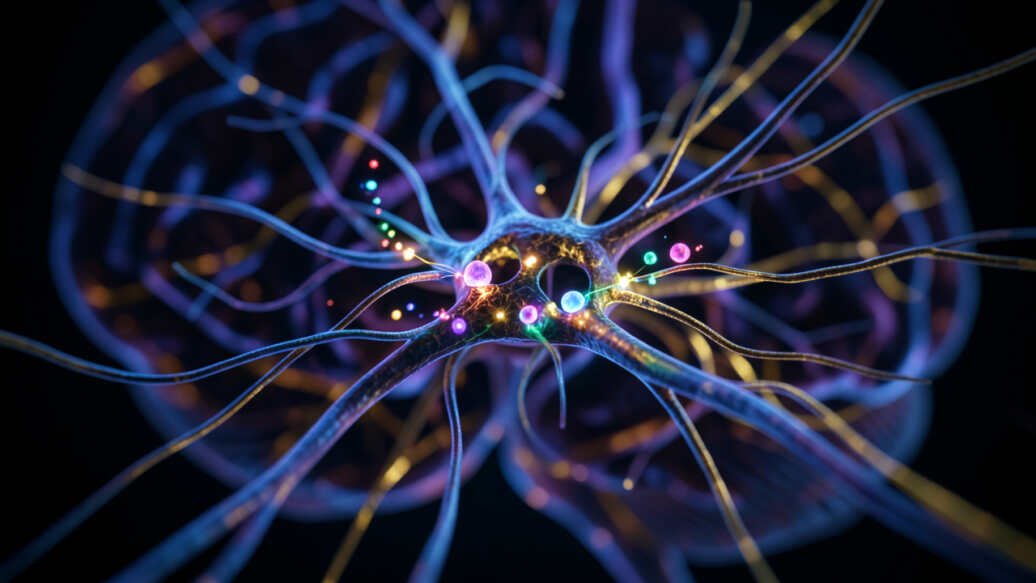
Neurons are the building blocks of the brain. A typical neuron has three main parts: dendrites that receive signals, a cell body that processes them, and an axon that sends signals forward. The point where one neuron meets another is called a synapse.
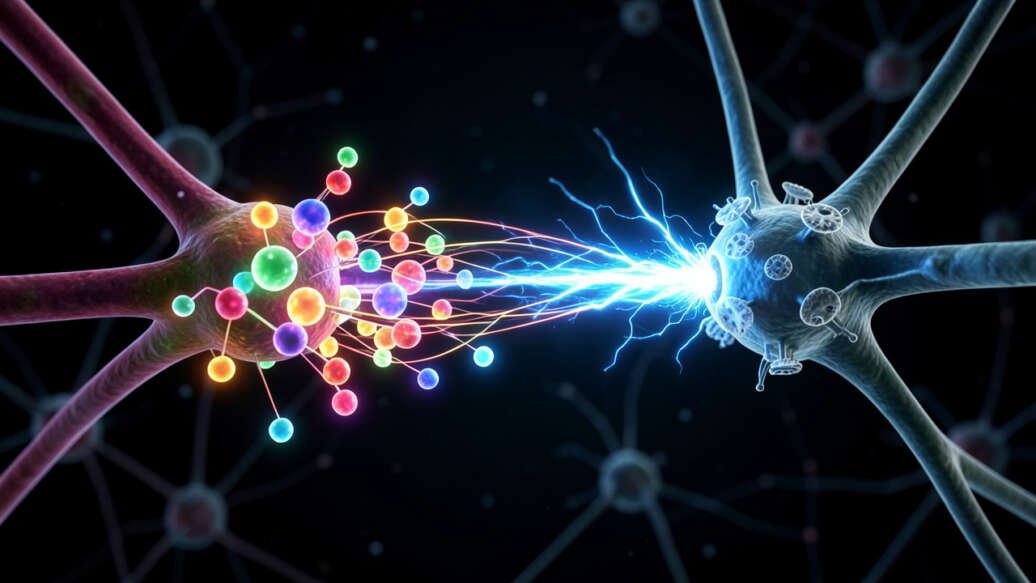
At a synapse, the electrical impulse triggers the release of chemical messengers called neurotransmitters. These chemicals cross the gap and bind to receptors on the next neuron. This sequence happens billions of times every second.
- A signal arrives at the dendrites.
- The cell body sums up excitatory and inhibitory input.
- If the signal crosses a threshold, an action potential fires.
- The action potential travels down the axon.
- Neurotransmitters are released into the synapse.
- Receptors on the next neuron start a new signal.
This process, called synaptic transmission, is the basis of all brain activity. Learning changes the strength of these connections, a property known as neuroplasticity. According to the National Institute of Neurological Disorders and Stroke, each neuron can form up to 10,000 connections with other neurons.
Tip: Repetition strengthens neural pathways. Reviewing new information within 24 hours can help your brain form lasting memories.
Neurons do not work alone. Glial cells support them by providing nutrients, removing waste, and speeding up signal transmission.
The Main Parts of the Brain and What They Do
The brain is divided into three major areas: the cerebrum, the cerebellum, and the brainstem. The cerebrum takes up most of your skull and handles thinking, feeling, and voluntary movement. The cerebellum sits at the back and coordinates balance and fine motor control.
The brainstem connects the brain to the spinal cord and manages vital functions.
Within the cerebrum, the limbic system controls emotion and memory. The hippocampus helps create new memories, the amygdala processes fear and pleasure, and the hypothalamus regulates hunger, thirst, and body temperature.
- Cerebrum: conscious thought, memory, language
- Cerebellum: balance, coordination, posture
- Brainstem: breathing, heart rate, sleep-wake cycle
- Thalamus: relays sensory information
- Hypothalamus: maintains homeostasis
- Amygdala: emotional responses
- Hippocampus: learning and memory formation
Important: Damage to the brainstem can be life-threatening because it controls basic survival functions. Even a small injury in this area can disrupt breathing or heart rate.
Each part performs a specific job, but they all communicate constantly. For example, when you catch a ball, your visual cortex processes the image, the cerebellum times the muscle contraction, and the motor cortex sends the command to your hand.
How Brain Cells Communicate: Electrical and Chemical Signals
The brain uses two types of signals to pass information: electrical and chemical. Inside a neuron, the signal is electrical and works like a wave. When it reaches the end of the axon, it becomes chemical so it can cross the synapse.
The action potential depends on charged particles called ions. Sodium and potassium flow in and out of the neuron through special channels. This movement creates a sudden change in voltage that races along the axon.
Myelin, a fatty insulation layer, makes the signal travel faster.
| Signal Type | Location | Role |
|---|---|---|
| Electrical | Inside neurons | Fast, direct signal propagation |
| Chemical | Between neurons | Relays signal across synapses |
Both signal types work together to produce thought and action. Different neurotransmitters have different effects. Serotonin regulates mood, dopamine affects reward and movement, and acetylcholine is involved in memory and muscle activation.
Warning: Drugs and alcohol can disrupt neurotransmitter balance. This can change mood, memory, and decision making, sometimes for the long term.
- Sensory neurons: send signals from senses to the brain
- Motor neurons: carry commands from the brain to muscles
- Interneurons: connect neurons within the brain and spinal cord
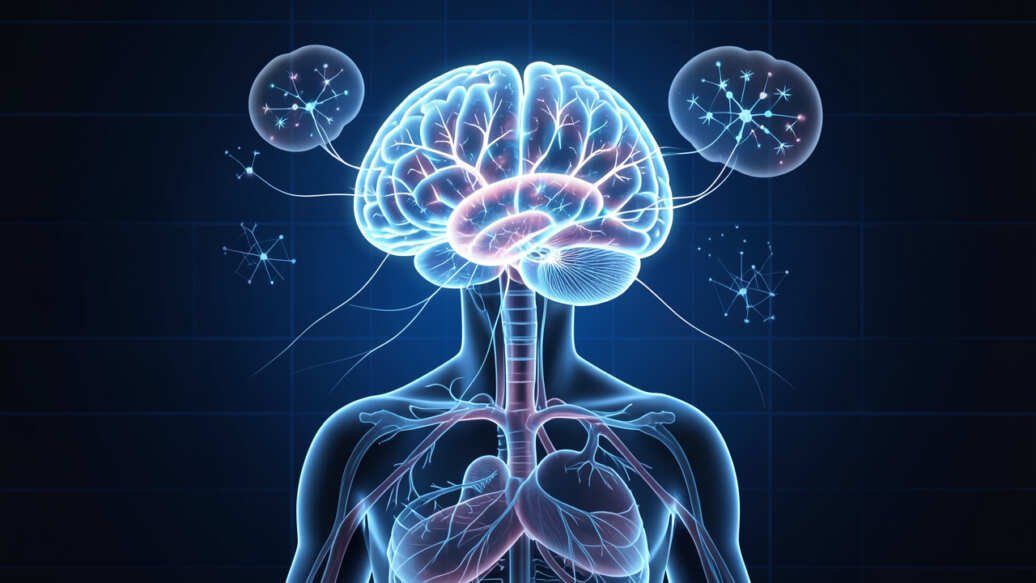
How Does the Human Brain Work to Control Your Body and Mind?
Every movement, heartbeat, and memory starts with brain activity. The motor cortex sends voluntary commands to muscles, while the brainstem and hypothalamus handle automatic tasks. Your brain also interprets sensory input, which shapes your perception of reality.
When you decide to lift your hand, the prefrontal cortex plans the movement. The motor cortex activates, and signals travel down the spinal cord to the muscles. At the same time, the cerebellum fine-tunes the motion so it is smooth and precise.
- Voluntary movement
- Sensation and perception
- Language production and comprehension
- Memory formation and retrieval
- Emotion regulation
- Autonomic functions like breathing and digestion
Memory works through the hippocampus, which strengthens connections when you rehearse information. Emotion involves a network that includes the amygdala and prefrontal cortex. These systems often work in parallel, which is why a strong emotion can influence your decisions.
Tip: To improve focus, take short breaks during long tasks. Your brain performs best when it has time to rest and reset.
The Nervous System: The Brain’s Communication Network
The brain is part of a larger system called the nervous system. It includes the central nervous system (CNS), made up of the brain and spinal cord, and the peripheral nervous system (PNS), which connects the CNS to the rest of the body. Nerves in the PNS carry sensory information toward the brain and motor commands away from it.
The peripheral nervous system has two main branches. The somatic nervous system controls voluntary movements. The autonomic nervous system manages involuntary functions like heart rate, digestion, and breathing.
The autonomic system is further split into the sympathetic and parasympathetic branches.
| Component | Includes | Role |
|---|---|---|
| Central nervous system | Brain, spinal cord | Processes information, sends commands |
| Peripheral nervous system | Nerves throughout the body | Connects CNS to limbs and organs |
Reflexes are a perfect example of this system in action. When you touch a hot surface, sensory neurons send a signal to your spinal cord, which responds instantly with a motor command before the brain even registers the pain.
Common Myths About the Brain
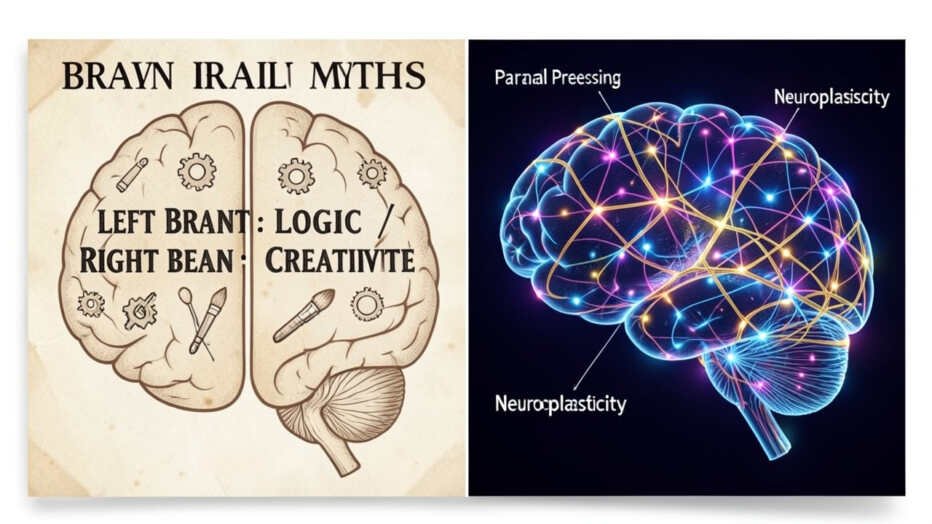
Many brain myths get repeated online, but science has debunked the most famous ones. One common claim says people only use 10% of their brains. Brain imaging and neuroscience show you use nearly every part of your brain every day.
Another myth says people are either left-brained or right-brained. Real brains use both hemispheres for most tasks. The left hemisphere handles language more heavily, while the right hemisphere is better at spatial attention, but they constantly work together.
| Myth | Fact |
|---|---|
| We use 10% of our brain | Almost all brain areas show activity |
| Left-brained or right-brained | Hemispheres work together |
| Brain cells cannot grow | New neurons form in the hippocampus |
Neurogenesis, or the birth of new neurons, happens in the hippocampus and is linked to exercise and learning. This shows the brain changes throughout your life. The brain also adapts after injury, and rehabilitation can help rebuild connections.
Important: Brain myths can hurt your decision making. Knowing the facts helps you choose healthy habits that actually support brain function.
How to Keep Your Brain Healthy
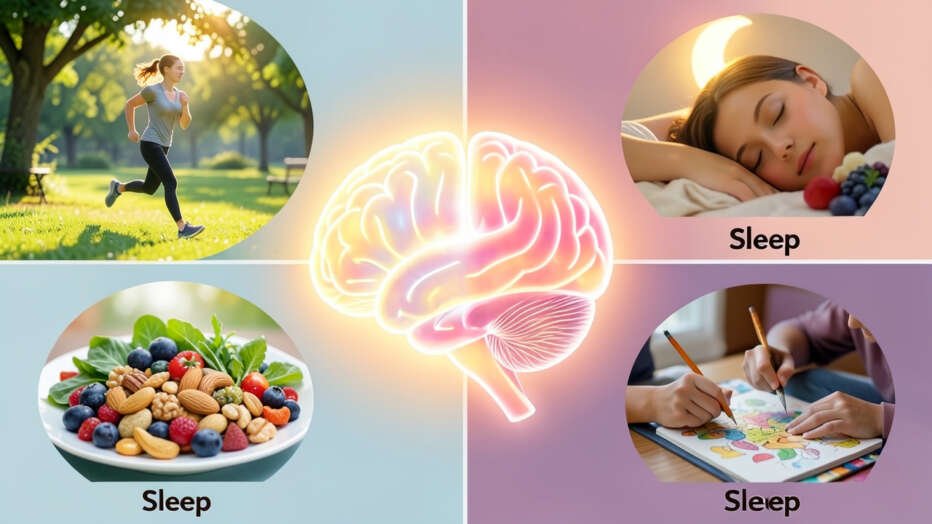
Your lifestyle shapes your brain health. Regular exercise increases blood flow to the brain and promotes neurogenesis. Sleep helps your brain consolidate memories and clear waste products.
A balanced diet supplies the nutrients your neurons need to fire properly.
Mental stimulation also matters. Learning new skills, reading, and solving puzzles create fresh connections. Social interaction activates many brain regions and reduces the risk of cognitive decline.
The World Health Organization states that memory loss affects an estimated 50 million people worldwide, and 10 million new cases occur each year.
- Exercise at least 150 minutes per week
- Sleep 7 to 9 hours per night
- Eat omega-3 fatty acids from fish and nuts
- Learn a language or musical instrument
- Stay social with friends and family
- Manage stress with meditation or deep breathing
- Protect your head with helmets and seatbelts
Tip: Try to combine physical and mental activity. Taking a walk while listening to an audiobook can stimulate both body and brain.
Avoid smoking, heavy drinking, and prolonged stress. These habits can damage neurons and shrink brain volume over time. Regular checkups with your doctor can also catch conditions like high blood pressure, which increases your risk of dementia.
Frequently Asked Questions
How does the human brain work?
The brain works by sending electrical and chemical signals between neurons. These signals travel through networks that control movement, memory, emotion, and automatic body functions. Every thought and action depends on these rapid communication loops.
What part of the brain controls memory?
The hippocampus, located in the temporal lobe, is the main center for forming new memories. Other regions like the prefrontal cortex and amygdala help store and recall memories. Memory is not stored in one place but spread across connected networks.
Can the brain grow new cells?
Yes. The brain can form new neurons in the hippocampus through a process called neurogenesis. Exercise, learning, and good sleep promote this growth, while stress and aging slow it down.
How fast do brain signals travel?
Brain signals can travel at speeds ranging from 1 to 120 meters per second. The speed depends on the type of nerve fiber and whether it has myelin insulation. Myelinated fibers send signals much faster than unmyelinated ones.
Which foods are best for brain health?
Foods rich in omega-3 fatty acids, antioxidants, and B vitamins support brain function. Fatty fish, berries, nuts, leafy greens, and whole grains are excellent choices. Drinking enough water and limiting sugar also help keep your mind sharp.
Final Thoughts
Your brain is a hardworking organ that never stops sending signals. It controls your body, stores your memories, and forms the basis of your personality. Understanding how the human brain works helps you protect it through healthy habits.
Start small, be consistent, and your brain will stay sharp for years to come.