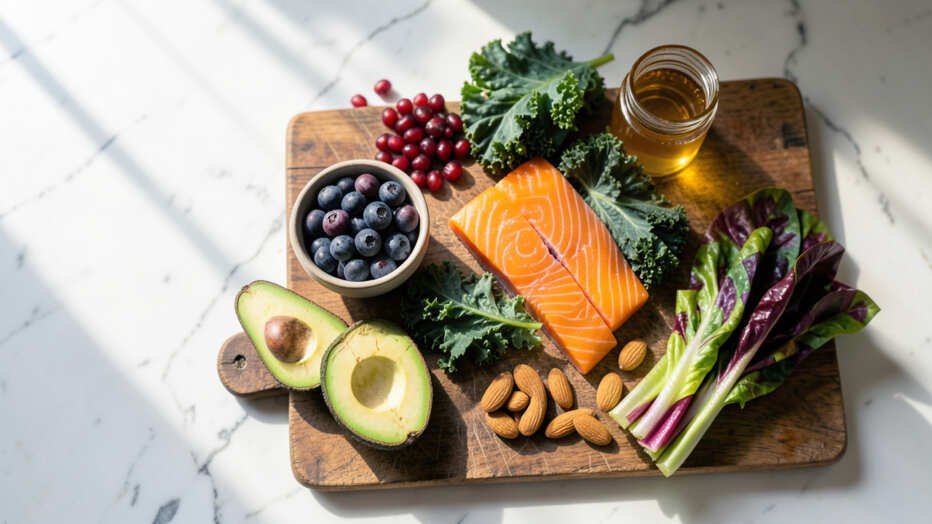
Nutrient-dense food refers to items like spinach, salmon, and blueberries that provide a high concentration of vitamins, minerals, and antioxidants relative to their calorie content. Consuming these foods supports weight management and overall health more effectively than calorie-dense options which offer little nutritional value. To identify them at the store, prioritize whole, unprocessed foods and check nutrition labels for high levels of key nutrients.
Nutrient-dense food is a term you hear everywhere – from nutrition labels to fitness influencers to your doctor’s office. But what does it actually mean, and why should you care about choosing these foods over others?
In this guide, you’ll learn exactly what makes a food “nutrient-dense,” how to identify these foods at the grocery store, and how eating more of them can transform your health. We’ll break down the science in simple terms so you can make confident choices at every meal.
Simply put, nutrient-dense food packs a high amount of vitamins, minerals, and beneficial nutrients relative to its calorie count. Think spinach, salmon, blueberries, and eggs – foods that give you maximum nutrition for every calorie you consume.
Key Takeaways
- Nutrient-dense foods deliver high levels of essential vitamins, minerals, and antioxidants per calorie.
- The opposite – calorie-dense but nutrient-poor food – provides lots of energy but very few beneficial nutrients.
- Choosing nutrient-dense options supports weight management, disease prevention, and overall energy levels.
- Whole, minimally processed foods are almost always more nutrient-dense than their packaged counterparts.
- Anyone can benefit from eating more nutrient-dense food, regardless of age, fitness level, or dietary preference.
What Is Nutrient-Dense Food?
A nutrient-dense food is any food that contains a significant amount of essential nutrients – vitamins, minerals, fiber, protein, healthy fats, and antioxidants – relative to the number of calories it provides. The concept is simple: you get more nutrition bang for your caloric buck.
According to the U.S. Department of Agriculture (USDA), nutrient-dense foods include vegetables, fruits, whole grains, seafood, eggs, beans, peas, lentils, unsalted nuts and seeds, fat-free and low-fat dairy products, and lean meats and poultry. These foods form the foundation of every healthy eating pattern recommended by major health organizations.
The key distinction is the ratio. A cup of kale delivers enormous amounts of vitamin K, vitamin A, and vitamin C for only about 33 calories. Compare that to a 200-calorie candy bar that offers sugar, some fat, and virtually no meaningful vitamins or minerals.
Both provide energy, but only one truly nourishes your body.
- High nutrient-to-calorie ratio – lots of vitamins and minerals per serving
- Minimal added sugars – naturally occurring sugars paired with fiber
- Minimal processing – close to their whole, natural form
- Rich in fiber – supports digestion and satiety
- Contains quality protein – supports muscle and tissue repair
- Packed with antioxidants – helps fight oxidative stress
- Healthy fat content – supports brain and heart function
Tip: A simple rule of thumb – if a food comes from a plant or an animal and hasn’t been heavily processed, it’s likely nutrient-dense. The closer to nature, the better.
How Is Nutrient Density Measured?
Nutrient density isn’t just a vague concept – there are actual scientific methods to measure it. Understanding these measurements helps you make smarter food choices and compare options accurately.
The most well-known tool is the Nutrient Rich Foods Index (NRFI), developed by researchers at the University of Connecticut. This system scores foods based on the nutrients they contain (like protein, fiber, vitamins, and minerals) divided by the calories they provide. A higher score means more nutrition per calorie.
Another approach uses the concept of “food nutrient density scores” created by the USDA. These scores evaluate foods across multiple nutrient dimensions simultaneously. The Aggregate Nutrient Density Index (ANDi) is another popular scoring system used by Dr.
Joel Fuhrman, ranking foods based on micronutrient concentration per calorie.
| Scoring System | What It Measures | Developer |
|---|---|---|
| NRFI (Nutrient Rich Foods Index) | Nutrients per calorie using 9 positive nutrients | University of Connecticut |
| ANDi (Aggregate Nutrient Density Index) | Micronutrients per calorie | Dr. Joel Fuhrman |
| USDA Food Nutrient Density Score | Multiple nutrient dimensions | USDA |
| NCC (Nutrient Concentration Criteria) | Essential nutrient density per serving | Various researchers |
While these scoring systems differ slightly, they all share one principle: the best foods deliver the most essential nutrients for the fewest calories. You don’t need to memorize scores – just focus on eating a variety of whole foods.
Key Nutrients Found in Nutrient-Dense Foods
When nutritionists talk about nutrient-dense food, they’re referring to specific nutrients that your body needs to function properly. These fall into two main categories: macronutrients (needed in large amounts) and micronutrients (needed in smaller amounts but equally critical).
The National Institutes of Health (NIH) reports that most Americans consume adequate amounts of protein but fall short on key micronutrients like vitamin D, potassium, magnesium, and dietary fiber. This is often called the “hidden hunger” problem – getting enough calories but not enough actual nutrition.
- Vitamin A – Supports vision, immune function, and skin health. Found in sweet potatoes, carrots, and spinach.
- Vitamin C – Essential for immune defense and collagen production. Found in citrus fruits, bell peppers, and strawberries.
- Vitamin D – Critical for bone health and mood regulation. Found in fatty fish, egg yolks, and fortified foods.
- Vitamin K – Helps blood clotting and bone metabolism. Found in leafy greens like kale and broccoli.
- Iron – Carries oxygen throughout your body. Found in red meat, lentils, and spinach.
- Calcium – Builds strong bones and teeth. Found in dairy products, sardines, and fortified plant milks.
- Magnesium – Supports over 300 enzyme reactions. Found in nuts, seeds, and dark chocolate.
- Potassium – Regulates blood pressure and fluid balance. Found in bananas, potatoes, and beans.
- Fiber – Promotes gut health and satiety. Found in whole grains, vegetables, and legumes.
- Omega-3 Fatty Acids – Reduces inflammation and supports brain health. Found in salmon, walnuts, and flaxseeds.
Important: According to the CDC, about 90% of Americans don’t eat enough vegetables and 80% don’t eat enough fruit. Choosing nutrient-dense options helps close this gap significantly.
Top Nutrient-Dense Foods to Eat Every Day
Some foods stand out as true nutritional powerhouses. The following list includes foods that consistently rank at the top of nutrient density scales across multiple scoring systems. Adding even a few of these to your daily diet can dramatically improve your nutrient intake.
According to research published in the journal Nutrients, incorporating a diverse mix of the following foods can help you meet your daily recommended intake of most essential vitamins and minerals without excess calories.
| Food | Calories (per serving) | Top Nutrients |
|---|---|---|
| Kale (1 cup, raw) | 33 | Vitamin K, Vitamin A, Vitamin C, Manganese |
| Salmon (3 oz) | 177 | Omega-3, Protein, Vitamin D, Selenium |
| Blueberries (1 cup) | 84 | Vitamin C, Vitamin K, Manganese, Antioxidants |
| Eggs (2 large) | 143 | Protein, Choline, Vitamin B12, Selenium |
| Sweet Potato (1 medium) | 103 | Vitamin A, Vitamin C, Potassium, Fiber |
| Lentils (1 cup, cooked) | 230 | Folate, Iron, Protein, Fiber |
| Almonds (1 oz) | 164 | Vitamin E, Magnesium, Healthy Fats, Fiber |
These foods are easy to find at any grocery store and versatile enough to include in dozens of meals. You don’t need exotic superfoods to eat well – these everyday options deliver exceptional nutrition.
Easy Ways to Add These Foods to Your Diet
- Add a handful of spinach or kale to your morning smoothie or scrambled eggs.
- Swap white rice for lentils or quinoa as a side dish at dinner.
- Keep frozen blueberries on hand for quick additions to oatmeal or yogurt.
- Meal prep roasted sweet potatoes at the beginning of each week.
- Snack on a small handful of almonds instead of chips or crackers.
- Include salmon or another fatty fish at least twice per week.
- Top salads with hard-boiled eggs for added protein and choline.
Nutrient-Dense Foods vs. Calorie-Dense Foods
Understanding the difference between nutrient-dense and calorie-dense foods is fundamental to making better dietary choices. These two categories often overlap in confusing ways, which is why many people struggle with nutrition even when they think they’re eating well.
A calorie-dense food provides a large number of calories per serving. That’s not automatically bad – nuts and avocados are calorie-dense but also nutrient-dense. The problem arises when a food is calorie-dense but nutrient-poor.
These “empty calorie” foods provide energy with little to no nutritional value.
The Centers for Disease Control and Prevention (CDC) reports that empty calories from added sugars and solid fats account for roughly 35% of total calorie intake for most American adults. That means more than one-third of what many people eat provides energy without meaningful nutrition.
- Nutrient-dense, lower calorie: Leafy greens, berries, cucumbers, egg whites, nonfat Greek yogurt
- Nutrient-dense, moderate calorie: Salmon, eggs, sweet potatoes, avocado, nuts, whole grains
- Nutrient-poor, calorie-dense: Soda, candy, chips, pastries, hot dogs, white bread
- Nutrient-poor, lower calorie: Diet sodas, plain rice cakes, sugar-free gelatin
The sweet spot for health is choosing foods that combine nutrient density with satisfying calories. A meal built around grilled chicken, roasted vegetables, and brown rice fills you up AND nourishes you. A meal of chips and soda fills you up but leaves your body starving for real nutrition.
Warning: Don’t confuse “low calorie” with “nutrient dense.” Many diet foods strip away calories but also strip away nutrition. A rice cake is low calorie but offers almost nothing nutritionally.
How to Identify Nutrient-Dense Foods at the Grocery Store
Walking into a grocery store can feel overwhelming when you’re trying to eat well. Thousands of products compete for your attention, and clever marketing makes it hard to tell which foods are genuinely nutrient-dense and which are just dressed up to look healthy.
The good news is that you don’t need to read every single nutrition label in detail. A few simple strategies can help you quickly identify the most nutrient-dense options on any shelf.
- Shop the perimeter first. Fresh produce, lean meats, dairy, and seafood are typically along the store’s outer walls. This is where most nutrient-dense foods live.
- Check the ingredient list length. Shorter ingredient lists usually mean less processing. If you can’t pronounce most of the ingredients, reconsider.
- Look for “100% whole grain.” Words like “multigrain” or “wheat bread” can be misleading. Only “100% whole grain” guarantees you’re getting the full nutritional benefit.
- Compare sodium levels. Many packaged foods load up on sodium. Choose options with less than 140mg of sodium per serving when possible.
- Watch for hidden sugars. Sugar hides under dozens of names – high fructose corn syrup, dextrose, maltose, agave nectar. Check the “Added Sugars” line on the nutrition facts panel.
- Choose frozen over canned when possible. Frozen fruits and vegetables are picked at peak ripeness and retain more nutrients than many canned alternatives.
- Buy seasonal produce. Seasonal fruits and vegetables are fresher, more flavorful, and often more nutrient-dense than out-of-season options shipped from far away.
Tip: The Environmental Working Group (EWG) publishes an annual “Clean Fifteen” and “Dirty Dozen” list. Use these guides to decide which produce to buy organic and which conventional options are safe.
Quick Grocery Store Cheat Sheet
| Category | Best Choice | Skip This |
|---|---|---|
| Bread | 100% whole wheat bread | White bread with added sugar |
| Yogurt | Plain Greek yogurt | Flavored yogurt with added sugars |
| Juice | Whole fruit or water | Fruit juice cocktails |
| Cereal | Oatmeal with nuts and berries | Sugary breakfast cereals |
| Snacks | Mixed nuts, fruit, hummus | Chips, candy bars, crackers |
With these simple swaps, you can dramatically increase your nutrient intake without spending more money or time. Small, consistent changes at the grocery store lead to big health improvements over time.
Who Benefits Most From Eating Nutrient-Dense Foods?
The honest answer is: everyone benefits. But certain groups have an especially high need for nutrient-dense food because of their unique physiological demands or health situations.
According to the World Health Organization (WHO), micronutrient deficiencies affect an estimated 2 billion people worldwide. In developed countries like the United States, these deficiencies often occur not because food is scarce but because people fill up on calorie-rich, nutrient-poor options.
- Children and adolescents – Growing bodies need dense nutrition for bone development, brain growth, and immune system maturation. Poor nutrition during childhood can have lifelong consequences.
- Pregnant and breastfeeding women – Folate, iron, calcium, and DHA needs skyrocket during pregnancy. Nutrient-dense foods help meet these increased demands naturally.
- Older adults – As people age, calorie needs decrease but nutrient needs often stay the same or increase. Nutrient-dense food becomes even more critical when you can’t eat large volumes.
- Athletes and active individuals – Higher energy expenditure demands more vitamins, minerals, and antioxidants for recovery and performance.
- People managing chronic conditions – Those with diabetes, heart disease, or autoimmune conditions often benefit from diets rich in anti-inflammatory, nutrient-dense foods.
- People trying to lose weight – Nutrient-dense foods allow you to eat satisfying portions while maintaining a calorie deficit, preventing the malnutrition that often accompanies crash dieting.
- Vegetarians and vegans – Eliminating animal products requires careful attention to nutrients like B12, iron, zinc, and omega-3s that are concentrated in certain plant foods.
The Academy of Nutrition and Dietetics emphasizes that focusing on nutrient density rather than calorie counting is a more sustainable and effective approach to long-term health for virtually every population group.
Common Myths About Nutrient-Dense Eating
Misinformation about nutrition spreads fast, especially on social media. Several persistent myths prevent people from embracing nutrient-dense eating patterns. Let’s separate fact from fiction.
Understanding the truth about these myths helps you make better decisions without falling for marketing traps or fear-based messaging.
- Myth 1: Nutrient-dense food is expensive. While some superfoods carry premium price tags, many of the most nutrient-dense foods – eggs, lentils, frozen vegetables, canned sardines, bananas – are among the cheapest options at any store. The American Journal of Clinical Nutrition found that healthy eating costs about $1.50 more per day than unhealthy eating.
- Myth 2: You need supplements instead of nutrient-dense food. Whole foods contain complex combinations of nutrients that work synergistically. A supplement can’t replicate the hundreds of bioactive compounds in a serving of broccoli.
- Myth 3: All “superfoods” are nutrient-dense. Marketing has turned “superfood” into a meaningless buzzword. Acai bowls loaded with added sugar and granola aren’t automatically nutrient-dense just because they contain acai.
- Myth 4: Nutrient-dense food tastes bad. Flavor comes from preparation, not from deprivation. Roasted sweet potatoes, perfectly seasoned salmon, and fresh berries with yogurt are delicious AND nutritious.
- Myth 5: You have to eat perfectly all the time. Nutrient density is a spectrum, not an all-or-nothing game. Even small improvements – swapping chips for nuts, adding spinach to pasta – move you in the right direction.
- Myth 6: Carbs can’t be nutrient-dense. Whole grains, sweet potatoes, quinoa, and legumes are carbohydrate-rich foods packed with fiber, vitamins, and minerals. The problem isn’t carbs – it’s refined, processed carbs stripped of their nutrients.
Important: The Academy of Nutrition and Dietetics recommends building meals around nutrient-dense foods from all food groups rather than eliminating entire categories. Balance and variety matter more than perfection.
How Nutrient-Dense Eating Supports Long-Term Health
The benefits of choosing nutrient-dense food extend far beyond just avoiding vitamin deficiencies. A consistent pattern of nutrient-dense eating reduces your risk of chronic disease, supports mental health, and helps maintain a healthy weight over the long term.
Research from Harvard T.H. Chan School of Public Health shows that people who eat diets rich in nutrient-dense foods have a 25-30% lower risk of cardiovascular disease compared to those who consume primarily processed, calorie-dense diets. These findings held true even when researchers controlled for total calorie intake.
Here are the major long-term health benefits linked to nutrient-dense eating:
- Reduced inflammation – Antioxidants and omega-3 fatty acids combat chronic inflammation, which drives heart disease, cancer, and autoimmune conditions.
- Better gut health – Fiber-rich nutrient-dense foods feed beneficial gut bacteria. A healthy microbiome improves digestion, immunity, and even mood.
- Stronger bones – Adequate calcium, vitamin D, and vitamin K from nutrient-dense foods reduce osteoporosis risk, especially important for women.
- Improved mental health – Studies in the journal BMJ Open link nutrient-dense diets to lower rates of depression and anxiety. Folate, B vitamins, and omega-3s play key roles in brain chemistry.
- Healthy weight maintenance – Nutrient-dense foods are naturally more satiating. You feel fuller on fewer calories, making weight management effortless.
- Better energy levels – B vitamins, iron, and magnesium are critical for energy production at the cellular level. Deficiencies in these nutrients cause fatigue and brain fog.
- Reduced cancer risk – The American Cancer Society recommends diets rich in vegetables, fruits, and whole grains to lower the risk of several types of cancer.
| Health Outcome | Key Nutrients Involved | Best Food Sources |
|---|---|---|
| Heart Health | Omega-3, Fiber, Potassium | Salmon, oats, beans, bananas |
| Bone Strength | Calcium, Vitamin D, Vitamin K | Dairy, sardines, kale, eggs |
| Brain Function | Omega-3, B Vitamins, Choline | Fatty fish, eggs, leafy greens |
| Immune Defense | Vitamin C, Zinc, Vitamin A | Citrus, bell peppers, shellfish |
| Weight Management | Fiber, Protein, Healthy Fats | Vegetables, lean meat, nuts, legumes |
These aren’t theoretical benefits – they’re backed by decades of epidemiological research and clinical trials. Every meal is an opportunity to invest in your long-term health through nutrient-dense choices.
Frequently Asked Questions
What’s the difference between nutrient-dense and nutrient-rich?
These terms are used interchangeably in most nutrition contexts. Both describe foods that contain high levels of beneficial nutrients relative to their calorie content. Some organizations prefer “nutrient-dense” because it emphasizes the density ratio of nutrients to calories.
Can processed foods be nutrient-dense?
Some minimally processed foods qualify as nutrient-dense. Examples include frozen vegetables, canned beans, and fortified whole-grain cereals. However, heavily processed foods like fast food, packaged snacks, and sugary drinks are almost never nutrient-dense.
The level of processing matters significantly.
How many nutrient-dense foods should I eat per day?
There’s no magic number, but aiming to make at least 80% of your daily food choices nutrient-dense is a practical target. This means filling most of your plate with vegetables, fruits, lean proteins, and whole grains while allowing room for treats. Consistency over perfection is the key.
Are nutrient-dense foods good for weight loss?
Yes. Nutrient-dense foods support weight loss because they provide satiety with fewer calories. You can eat generous portions of vegetables, lean protein, and whole grains without overdoing calorie intake.
According to the Journal of Nutrition, people who prioritize nutrient-dense foods maintain weight loss more successfully long term.
Do I still need supplements if I eat nutrient-dense food?
In most cases, a well-planned diet built around nutrient-dense foods meets your daily requirements. However, some individuals – including pregnant women, older adults, and people with specific medical conditions – may still benefit from targeted supplementation. Consult your healthcare provider for personalized advice.
Final Thoughts
Understanding what nutrient-dense food means puts you in control of your health in a powerful way. By choosing foods that deliver maximum nutrition for every calorie, you support everything from daily energy levels to long-term disease prevention. Start small – swap one processed snack for a handful of nuts, add leafy greens to your lunch, or choose whole grains over refined ones.
These small, consistent changes built around nutrient-dense choices compound into transformative health benefits over time.