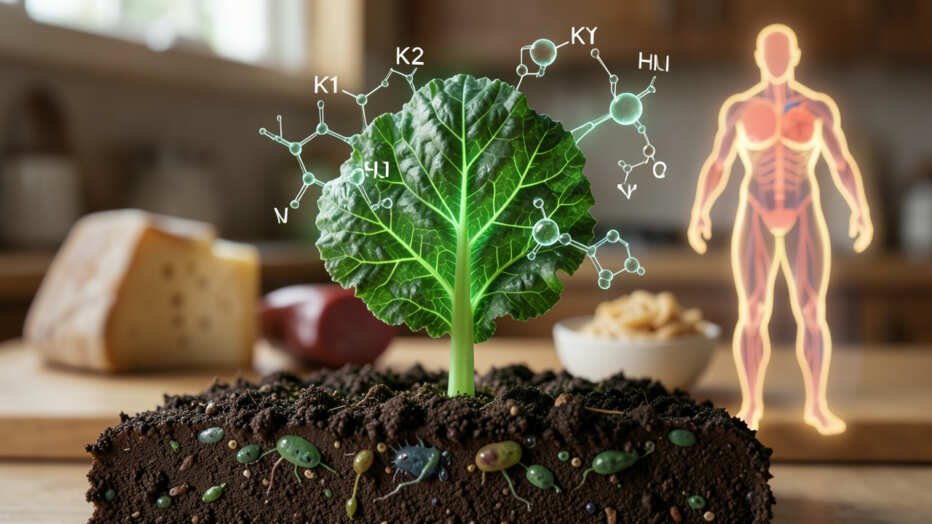
Vitamin K is an essential fat-soluble nutrient that primarily enables proper blood clotting and supports bone strength by directing calcium to the skeleton. Its most critical function for overall health involves activating proteins that regulate both coagulation and cardiovascular wellness, preventing excessive bleeding and arterial calcification. You can obtain sufficient amounts of this vitamin from dietary sources such as leafy green vegetables like kale and spinach, which are rich in K1, or from fermented foods and animal products containing K2.
What does vitamin K do in your body, and why do doctors keep emphasizing its importance? This essential nutrient plays a critical role in blood clotting, bone strength, and heart health. Yet many people don’t get enough of it or fully understand where to find it.
In this post, you’ll learn exactly what vitamin K does for your health, how it works at the cellular level, the different types you need to know about, and the best food sources to keep your levels in check.
Simply put, vitamin K is a fat-soluble vitamin that helps your blood clot properly and keeps your bones strong. It comes in two main forms: K1 (phylloquinone) found in leafy greens, and K2 (menaquinone) found in fermented foods and animal products. Most adults can meet their needs through a balanced diet rich in vegetables like kale, spinach, and broccoli.
Key Takeaways
- Vitamin K is essential for proper blood clotting, preventing excessive bleeding from injuries.
- It also supports bone health by helping your body absorb and use calcium effectively.
- There are two main forms: vitamin K1 from plants and vitamin K2 from animal and fermented sources.
- Leafy green vegetables are the richest dietary sources of vitamin K available.
- Vitamin K deficiency is rare but serious, and certain medications can interfere with its function.
What Is Vitamin K and Why Does Your Body Need It?
Vitamin K is a fat-soluble vitamin that your body stores in small amounts. The “K” comes from the German word “Koagulation,” which literally means coagulation or clotting. That name tells you a lot about its primary function.
Without adequate vitamin K, even a minor cut could lead to prolonged and dangerous bleeding. But its role goes far beyond clotting. Research from Harvard T.H.
Chan School of Public Health highlights vitamin K’s involvement in bone metabolism, cardiovascular health, and even brain function.
Here’s a quick breakdown of why your body relies on vitamin K:
- Blood Clotting: Vitamin K activates proteins that allow your blood to form clots and stop bleeding.
- Bone Strength: It activates osteocalcin, a protein that binds calcium to your bone matrix.
- Heart Health: Vitamin K helps prevent calcium buildup in arteries, reducing cardiovascular risk.
- Brain Function: Emerging research links vitamin K to cognitive health and memory performance.
- Cell Growth: It plays a role in regulating cell growth and preventing abnormal cell division.
Your body cannot produce vitamin K on its own in sufficient amounts. That means you must get it from food or supplements. The good news?
A diet packed with vegetables and whole foods typically provides everything you need.
According to the National Institutes of Health, adults need between 90 and 120 micrograms of vitamin K daily, depending on sex and age. Most people who eat a varied diet with plenty of greens meet this requirement without any trouble.
How Does Vitamin K Work in Your Body?
Vitamin K functions as a coenzyme, meaning it assists specific enzymes in your body to carry out critical chemical reactions. The two most important reactions involve activating proteins called clotting factors and bone-building proteins.
Here’s how the process works step by step:
- Affected Proteins Are Produced: Your liver produces several clotting factors in an inactive state.
- Vitamin K Activates Them: Vitamin K donates a molecule that converts these inactive proteins into their active form.
- Clotting Occurs: Once activated, these proteins work together to form a stable blood clot at the site of injury.
- Vitamin K Is Recycled: Your body reuses vitamin K through a recycling process involving an enzyme called VKORC1.
This recycling mechanism is important because it means your body doesn’t need a massive daily supply. However, it also means that certain medications, like warfarin (a common blood thinner), can disrupt this cycle and affect vitamin K function.
In bone tissue, the process is similar. Vitamin K activates a protein called osteocalcin, which then binds calcium ions to the bone mineral matrix. Without this activation, calcium cannot properly integrate into your bones, even if you consume plenty of dairy or take calcium supplements.
| Vitamin K Function | Key Protein Activated | Primary Benefit |
|---|---|---|
| Blood Clotting | Prothrombin (Factor II) | Prevents excessive bleeding |
| Bone Health | Osteocalcin | Binds calcium to bone tissue |
| Heart Protection | Matrix Gla Protein | Prevents arterial calcification |
| Cell Growth | Gas6 Protein | Supports healthy cell signaling |
This table shows just how versatile vitamin K is. It’s not a one-trick nutrient. It supports at least four major systems in your body, each through a different activated protein.
What Does Vitamin K Do for Your Bone and Heart Health?
Beyond its well-known clotting role, vitamin K is a silent guardian of your skeleton and cardiovascular system. Studies published in the American Journal of Clinical Nutrition have consistently linked higher vitamin K intake with lower rates of fractures and heart disease.
For bone health, vitamin K ensures that calcium ends up in your bones instead of your soft tissues. When you eat calcium-rich foods or take supplements, vitamin K helps direct that calcium where it belongs. Without enough vitamin K, calcium can accumulate in places you don’t want it, like your arteries and kidneys.
Regarding heart health, the mechanism is straightforward. Vitamin K activates Matrix Gla Protein, which prevents calcium from depositing in your arterial walls. A Rotterdam Study involving over 4,800 adults found that people with the highest vitamin K2 intake had a 57% lower risk of dying from heart disease compared to those with the lowest intake.
Here are the top bone and heart benefits backed by research:
- Reduced Fracture Risk: Adequate vitamin K intake is associated with 20-30% fewer hip fractures in older adults.
- Better Bone Density: Vitamin K supplementation may improve bone mineral density, especially in postmenopausal women.
- Lower Arterial Stiffness: Vitamin K helps keep blood vessels flexible and less prone to calcification.
- Reduced Cardiovascular Events: Higher vitamin K2 levels correlate with fewer heart attacks and strokes.
- Improved Calcium Balance: Your body uses calcium more efficiently when vitamin K levels are optimal.
Important: If you take calcium supplements for bone health, make sure your vitamin K levels are sufficient. Calcium without vitamin K can increase the risk of arterial calcification rather than strengthening your bones.
The takeaway here is clear. Vitamin K works hand in hand with calcium. One without the other creates an imbalance that can harm both your bones and your arteries.
Types of Vitamin K: K1 vs K2 Explained
When people talk about vitamin K, they’re usually referring to one of two main forms: vitamin K1 (phylloquinone) and vitamin K2 (menaquinone). Both are essential, but they differ in their food sources, absorption, and primary functions in the body.
Vitamin K1 makes up about 75-90% of the vitamin K in the Western diet. It’s found almost exclusively in plant foods, especially green leafy vegetables. Your body absorbs about 5-10% of the K1 you consume from food.
Vitamin K2 is less common in the diet but arguably more important for certain health benefits. It exists in several subtypes called MK-4 through MK-13. The most studied forms are MK-4 (found in animal products) and MK-7 (found in fermented foods like natto).
Here’s a detailed comparison of the two forms:
| Feature | Vitamin K1 (Phylloquinone) | Vitamin K2 (Menaquinone) |
|---|---|---|
| Primary Source | Green leafy vegetables | Fermented foods, animal products |
| Main Function | Blood clotting | Bone and heart health |
| Absorption Rate | 5-10% from food | Better absorbed, especially MK-7 |
| Half-Life in Body | 1-2 hours | Up to 72 hours (MK-7) |
| Dietary Prevalence | 75-90% of dietary vitamin K | 10-25% of dietary vitamin K |
| Best For | Preventing bleeding disorders | Bone density, arterial health |
The biggest practical difference is their half-life. K1 leaves your system quickly, so you need consistent daily intake for clotting benefits. K2, particularly MK-7, stays in your blood much longer, which may make it more effective for bone and cardiovascular protection.
You don’t need to stress over getting both forms in exact proportions. A balanced diet that includes plenty of greens along with some fermented or animal-based foods will cover both types naturally.
What Are the Best Food Sources of Vitamin K?
Finding vitamin K in your diet is easier than you think. The richest sources are everyday foods that most grocery stores carry. You don’t need exotic ingredients or expensive supplements to meet your daily needs.
Here are the top food sources of vitamin K organized by type:
Vitamin K1 Sources (Plant-Based):
- Kale (cooked): About 1,062 mcg per cup – the single richest source available.
- Spinach (cooked): Around 888 mcg per cup – versatile and easy to add to meals.
- Collard Greens (cooked): Roughly 773 mcg per cup – a staple in Southern cuisine.
- Broccoli (cooked): Approximately 220 mcg per cup – kid-friendly and widely available.
- Brussels Sprouts (cooked): About 219 mcg per cup – roast them for a delicious side dish.
- Lettuce (green leaf): Around 97 mcg per cup – perfect for salads and sandwiches.
- Asparagus: Roughly 91 mcg per cup – great grilled or steamed.
Vitamin K2 Sources (Animal and Fermented):
- Natto (fermented soybeans): A massive 1,103 mcg per ounce – the richest K2 source on the planet.
- Hard Cheeses (Gouda, Edam): Around 75 mcg per 3 oz serving – easy to enjoy as a snack.
- Chicken Liver: Approximately 13 mcg per 3 oz – also packed with B12 and iron.
- Egg Yolks: About 5-10 mcg per yolk – a simple breakfast addition.
- Butter (grass-fed): Roughly 5 mcg per tablespoon – contains small but useful amounts.
- Fatty Fish (salmon, sardines): Around 1-5 mcg per serving – bonus omega-3 benefits.
Tip: Vitamin K is fat-soluble, so pair your leafy greens with a healthy fat like olive oil, avocado, or nuts. This simple trick can significantly increase your absorption of vitamin K1 from vegetables.
If you want to maximize your vitamin K intake with a single food, natto is the clear winner. One ounce delivers over 800% of your daily requirement. However, its strong flavor and sticky texture aren’t for everyone.
In that case, focus on a rotating mix of cooked greens and quality cheeses.
How Much Vitamin K Do You Need Daily?
The recommended daily intake of vitamin K varies by age and sex. The National Institutes of Health has set the following Adequate Intake (AI) levels based on population data. Note that there is no established Upper Limit for vitamin K because it has no known toxicity from food sources.
| Age Group | Males (mcg/day) | Females (mcg/day) |
|---|---|---|
| Infants (0-6 months) | 2.0 | 2.0 |
| Children (1-3 years) | 30 | 30 |
| Children (4-8 years) | 55 | 55 |
| Teens (9-18 years) | 75 | 75 |
| Adults (19+ years) | 120 | 90 |
| Pregnancy | N/A | 90 |
| Breastfeeding | N/A | 90 |
These numbers may seem small compared to other vitamins, but vitamin K is extremely potent. Just one cup of cooked spinach delivers nearly 1,000 mcg, which is about ten times the daily requirement for most adults.
Several factors can affect how much vitamin K you actually absorb and use:
- Dietary Fat Intake: Since vitamin K is fat-soluble, eating it with fat dramatically improves absorption.
- Gut Health: Conditions like celiac disease, Crohn’s disease, or chronic diarrhea can impair absorption.
- Medication Use: Antibiotics can kill gut bacteria that produce some forms of vitamin K.
- Liver Function: Since the liver stores and processes vitamin K, liver disease can reduce availability.
- Age: Older adults may have reduced absorption and are more likely to be deficient.
For most healthy adults, meeting the daily requirement through food alone is straightforward. A single serving of cooked leafy greens paired with a drizzle of olive oil covers your needs for the entire day.
What Happens When You Don’t Get Enough Vitamin K?
Vitamin K deficiency is uncommon in healthy adults, but it does happen. Certain medical conditions, medications, and lifestyle factors can put you at risk. Understanding the signs and causes helps you stay ahead of potential problems.
The most obvious symptom of vitamin K deficiency is excessive bleeding. This can show up as:
- Bruising easily from minor bumps or pressure.
- Bleeding gums when brushing your teeth.
- Heavy menstrual periods that last longer than usual.
- Nosebleeds that are difficult to stop.
- Blood in your urine or stool.
- Slow healing of cuts and wounds.
In severe cases, internal bleeding can become life-threatening. Newborns are particularly vulnerable because they have very little vitamin K stored at birth, which is why hospitals give a vitamin K shot shortly after delivery.
According to the World Health Organization, vitamin K deficiency bleeding (VKDB) affects 0.25-1.7% of newborns worldwide who do not receive prophylactic vitamin K at birth. This simple injection has been a standard of care for decades and has saved countless lives.
Who is most at risk for vitamin K deficiency?
- People on long-term antibiotics: These drugs kill gut bacteria that produce vitamin K2.
- Individuals with malabsorption disorders: Celiac disease, Crohn’s, and cystic fibrosis all reduce vitamin K absorption.
- People taking blood thinners: Warfarin works by blocking vitamin K recycling, which requires careful dietary management.
- Heavy alcohol users: Chronic alcohol consumption damages the liver, which stores and processes vitamin K.
- People eating very restrictive diets: Extremely low-fat or very limited diets may lack sufficient vitamin K sources.
- Older adults: Age-related decline in absorption and appetite increases deficiency risk.
Warning: If you take warfarin or other vitamin K antagonists, do not suddenly increase your vitamin K intake without consulting your doctor. Consistent vitamin K levels matter more than high or low levels. Sudden changes can make your medication less effective or increase bleeding risk.
The good news is that correcting vitamin K deficiency through diet is usually simple. Adding more leafy greens and fermented foods to your meals can restore normal levels within days to weeks.
Should You Take a Vitamin K Supplement?
For most people, supplements aren’t necessary. A varied diet rich in vegetables, cheese, and fermented foods provides more than enough vitamin K. However, certain situations may warrant supplementation.
You might consider a vitamin K supplement if you:
- Have been diagnosed with vitamin K deficiency by a healthcare provider.
- Have a malabsorption condition that limits nutrient uptake.
- Take antibiotics frequently and want to support your gut bacteria’s vitamin K production.
- Are postmenopausal and concerned about bone density.
- Have a family history of cardiovascular disease and want to support arterial health.
- Follow a vegan or very restrictive diet with limited food variety.
When choosing a supplement, the form matters. K2 in the MK-7 form is generally considered the best option for supplementation because it stays in your bloodstream longer and provides more sustained benefits for bone and heart health.
| Supplement Form | Common Dosage | Best For | Notes |
|---|---|---|---|
| Vitamin K1 | 100-250 mcg | Blood clotting support | Shorter half-life, faster turnover |
| Vitamin K2 (MK-4) | 1,500-10,000 mcg | Bone health (Japanese studies) | Short half-life, needs frequent dosing |
| Vitamin K2 (MK-7) | 100-200 mcg | Heart and bone health | Long half-life, once-daily dosing |
Always talk to your healthcare provider before starting any supplement, especially if you take blood-thinning medication. Vitamin K can interact with warfarin and other anticoagulants, making dosage adjustments necessary.
One important note: vitamin K toxicity from food is essentially nonexistent. There is no established tolerable upper intake level. However, very high supplemental doses may cause issues in specific populations, so following recommended guidelines is wise.
Frequently Asked Questions
What does vitamin K do in simple terms?
Vitamin K helps your blood clot when you get a wound and keeps your bones strong by helping calcium bind to bone tissue. It also protects your arteries from calcium buildup, supporting heart health. Without it, even small injuries could cause dangerous bleeding.
Is vitamin K1 or K2 better?
Neither is strictly better because they serve different primary roles. Vitamin K1 is more effective for blood clotting, while K2 excels at supporting bone density and cardiovascular health. A balanced diet that includes both forms gives you the most comprehensive benefits.
What foods are highest in vitamin K?
Cooked kale, spinach, and collard greens are the richest sources of vitamin K1. For vitamin K2, natto (fermented soybeans) is the top source by a wide margin, followed by hard cheeses like Gouda and Edam. Adding olive oil to your greens helps boost absorption.
Can you overdose on vitamin K from food?
No. There is no known toxicity or upper limit for vitamin K obtained from food sources. Your body handles dietary vitamin K safely.
However, extremely high doses from supplements should be taken only under medical supervision, especially if you are on blood-thinning medication.
Does cooking destroy vitamin K?
Vitamin K is relatively heat-stable compared to some other vitamins, so cooking does not destroy most of it. In fact, cooking can actually increase the bioavailability of vitamin K1 from vegetables by breaking down tough plant cell walls. Steaming or lightly sautéing greens is a great option.
Final Thoughts
Vitamin K is one of the most important yet overlooked nutrients in your diet. It protects you from excessive bleeding, strengthens your bones, and shields your arteries from dangerous calcium deposits. The best part?
Getting enough is easy.
Eating a serving or two of leafy greens daily, along with some cheese or fermented foods, covers your needs completely. For those at higher risk of deficiency, a quality MK-7 supplement can fill any gaps. Talk to your doctor if you’re on blood thinners or have absorption issues, and make vitamin K a regular part of your nutrition plan.