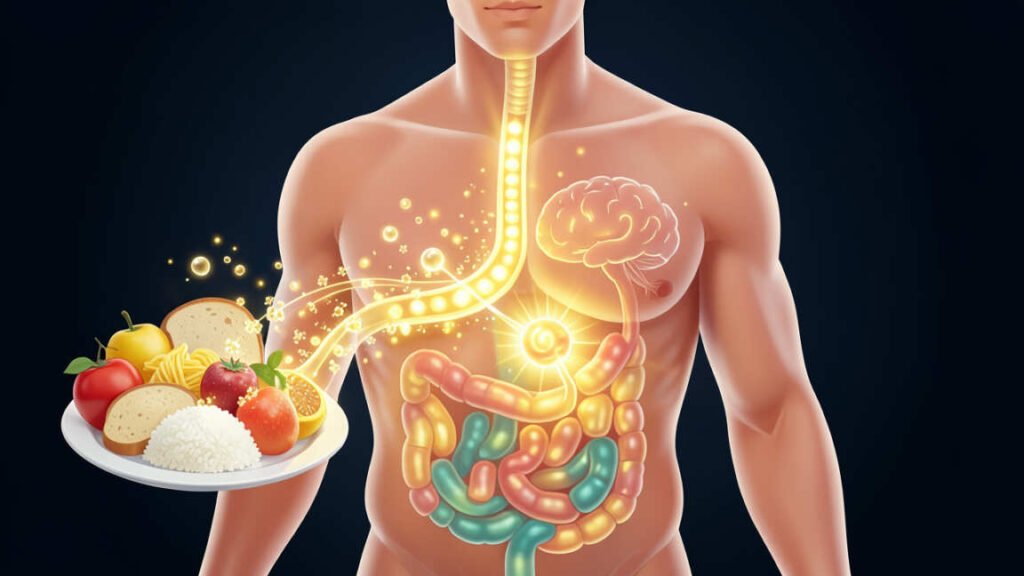
After you eat carbohydrates, your body breaks them down into glucose, which enters your bloodstream and triggers the release of insulin to fuel your cells. This process primarily stores the glucose as glycogen in your muscles and liver for immediate energy, with any excess converted to and stored as body fat. The notable exception is fiber and resistant starch, which do not raise blood sugar and instead nourish your gut bacteria.
What happens to carbohydrates after you eat them controls your energy, blood sugar, and even your body weight from one meal to the next. This guide walks you through every stage of carbohydrate digestion, absorption, and storage so you can make smarter food choices.
Simply put, carbohydrates are broken down into glucose, which enters your bloodstream and triggers the release of insulin. That insulin pushes glucose into your muscle, liver, and fat cells for energy. Your body stores roughly 500 grams of glycogen for later use, and anything beyond that gets converted and stored as body fat.
Key Takeaways
- What happens to carbohydrates after you eat them starts in your mouth with a single enzyme and ends in every cell of your body.
- Carbohydrates become blood glucose, which raises insulin levels and drives fuel into muscles, organs, and fat tissue.
- Your body keeps about 400 to 500 grams of glycogen on hand for quick energy between meals and during exercise.
- Fiber and resistant starch never raise blood sugar and instead feed your gut bacteria.
What Happens to Carbohydrates in Your Mouth?
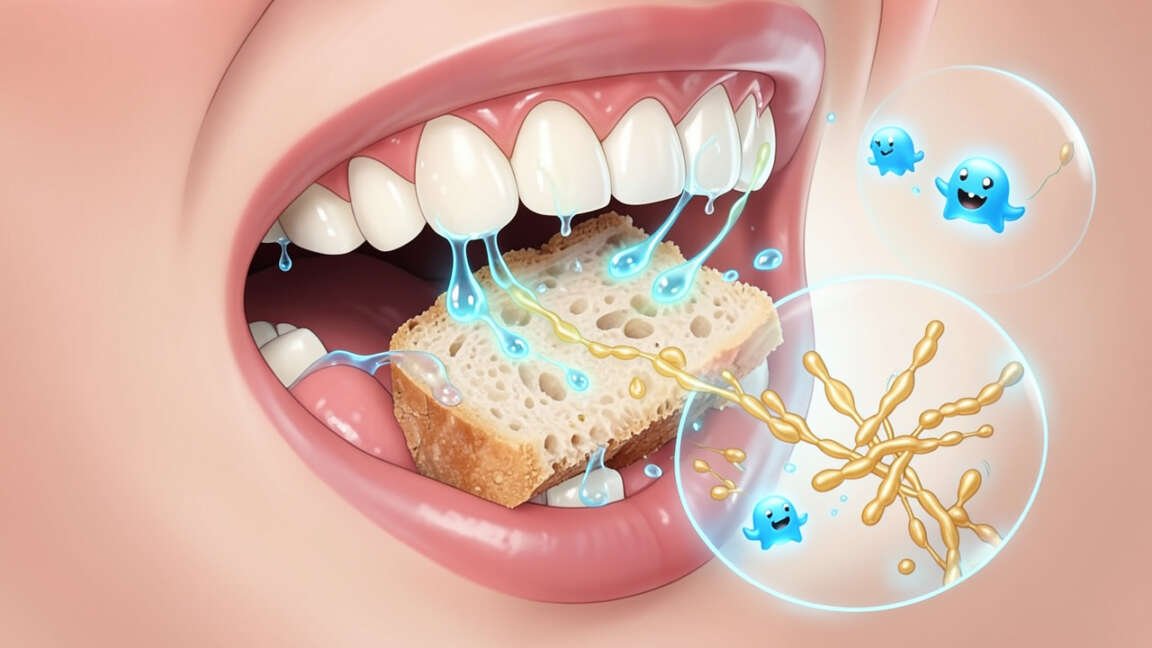
Digestion starts the second food touches your tongue. Your teeth grind the food into smaller pieces, and saliva floods the mixture with water, mucus, and a powerful enzyme called salivary amylase.
Salivary amylase, also called ptyalin, starts snipping long starch chains into shorter fragments known as dextrins and maltose. This process is why a piece of white bread can taste slightly sweet if you chew it long enough.
- Chewing increases surface area, giving enzymes more room to work.
- Salivary amylase only targets starch, not sugars or fiber.
- The longer you chew, the more starch gets pre-digested in your mouth.
- Refined carbs like white bread and crackers break down almost instantly.
- Whole grains digest slower because fiber shields the starch granules.
- Body temperature optimizes amylase activity, so cold food digests a bit slower.
Tip: Aim to chew each bite 20 to 30 times. This simple habit boosts starch breakdown and gives your gut an easier job downstream.
How Does Your Stomach Process Carbohydrates?
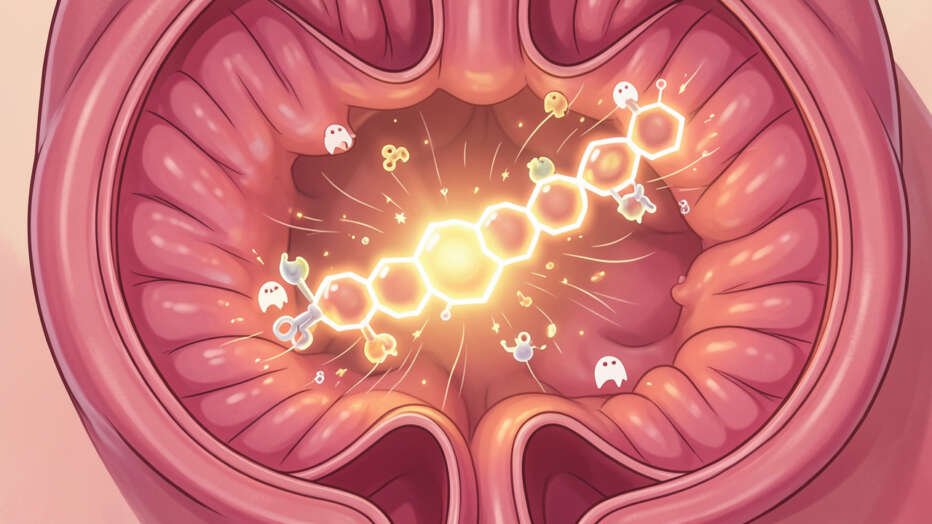
Once you swallow, the food bolus slides down the esophagus and lands in your stomach. The stomach’s highly acidic environment, with a pH around 1.5 to 2.0, quickly deactivates salivary amylase and halts starch digestion.
Despite the acid, a small amount of starch digestion continues deep inside the bolus where amylase has not yet been neutralized. The stomach’s main job with carbs is mechanical, not chemical. It churns the food into a semi-liquid mixture called chyme and releases it slowly into the small intestine.
- Swallowing pushes the chewed food into the stomach through the lower esophageal sphincter.
- Stomach acid (hydrochloric acid) deactivates salivary amylase.
- Churning mixes the food with gastric juices to form chyme.
- Partial starch digestion continues in the bolus interior until acid penetrates fully.
- Slow release of chyme into the duodenum prevents glucose overload in the blood.
Fat and fiber in your meal slow gastric emptying. That means carbohydrates from a bowl of oatmeal with nuts hit your bloodstream much slower than a can of soda. This is a key reason whole foods provide steadier energy.
Warning: Large meals overload the stomach and delay gastric emptying. This can cause bloating, reflux, and a sluggish blood sugar curve hours after eating.
What Happens to Carbohydrates in the Small Intestine?
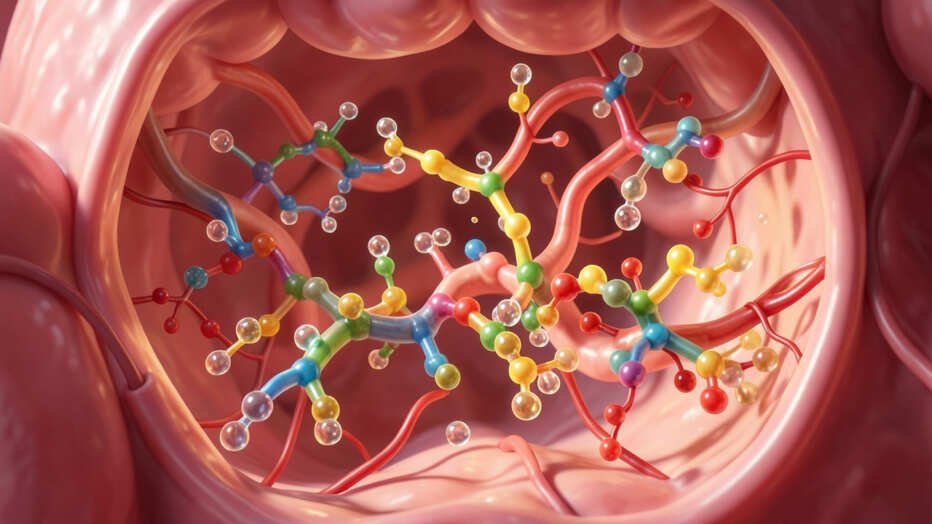
The small intestine is where most carbohydrate digestion actually happens. Pancreatic amylase, released from the pancreas into the duodenum, picks up where salivary amylase stopped and continues breaking starch into the disaccharide maltose.
Brush border enzymes, embedded in the microvilli of the intestinal wall, finish the job. Maltase splits maltose into two glucose molecules, sucrase splits sucrose into glucose and fructose, and lactase splits lactose into glucose and galactose. These monosaccharides are the only forms your body can absorb.
| Enzyme | Source | Breaks Down | End Product |
|---|---|---|---|
| Salivary amylase | Salivary glands | Starch | Maltose |
| Pancreatic amylase | Pancreas | Starch | Maltose |
| Maltase | Small intestine | Maltose | Glucose |
| Sucrase | Small intestine | Sucrose | Glucose + fructose |
| Lactase | Small intestine | Lactose | Glucose + galactose |
Fiber passes through this entire process untouched because humans lack the enzymes to break its bonds. That fiber travels to your colon, where bacteria ferment it into short-chain fatty acids like butyrate, which feed your gut lining and reduce inflammation.
Important: Roughly 90 to 95 percent of dietary carbohydrate digestion occurs in the small intestine, not the stomach or mouth.
- Glucose is the most abundant monosaccharide and the brain’s preferred fuel.
- Fructose from fruit and honey is absorbed separately through GLUT5 transporters.
- Lactose intolerance happens when lactase levels drop after childhood.
- Brush border damage from celiac disease or gut infections impairs carb digestion.
How Does Your Body Absorb Carbohydrates Into the Bloodstream?
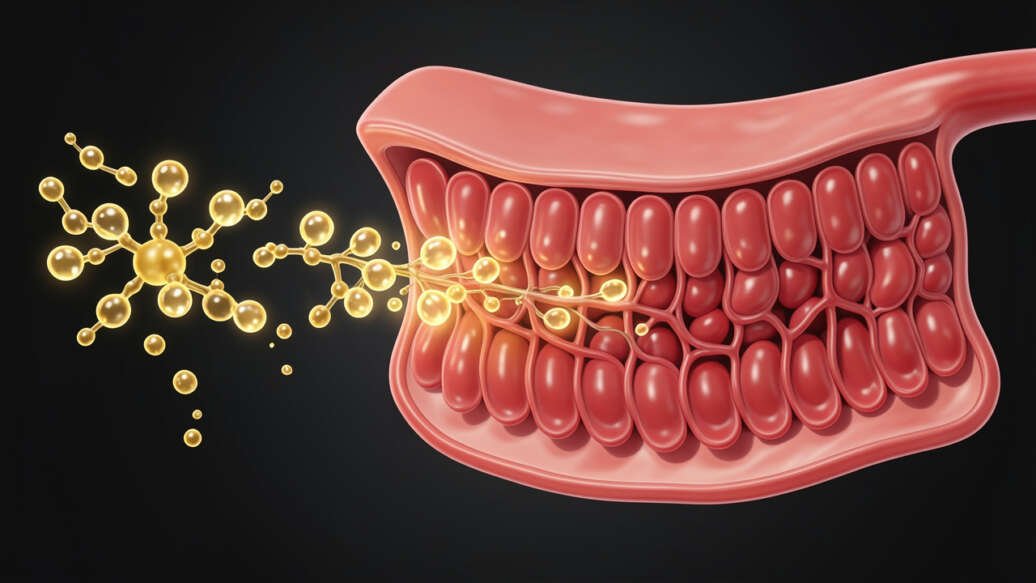
Once the sugars are reduced to monosaccharides, transporter proteins in the intestinal lining pull them across the gut barrier. Glucose and galactose rely on a sodium-glucose transporter called SGLT1, while fructose enters through GLUT5.
After the sugars pass through the enterocytes, they exit via GLUT2 transporters and enter the portal vein, which carries them straight to your liver. The liver then converts fructose and galactose into glucose, so every absorbed carbohydrate ultimately becomes blood glucose.
- Glucose and galactose bind to SGLT1 on the brush border