Neuroplasticity is the brain's inherent ability to physically reorganize itself by forming new neural pathways throughout life. This adaptive process underlies all learning, skill acquisition, and recovery from brain injury through mechanisms like synaptic strengthening and pruning. Factors including age, sleep quality, physical exercise, and stress levels directly influence your brain's capacity to change and adapt.
Neuroplasticity is the brain’s remarkable ability to reorganize itself by forming new neural connections throughout life. It explains how you learn skills, form habits, recover from injuries, and adapt to new environments. This post covers what neuroplasticity is, how the brain changes with experience, and what you can do to keep your brain flexible and resilient.
Simply put, neuroplasticity is your brain’s lifelong capacity to rewire itself based on experience. Every time you learn, practice, or recover from an injury, your neurons form new connections and prune unused ones. This process never stops, which means your brain stays adaptable at any age.
Key Takeaways
- Neuroplasticity means your brain physically changes both its structure and function throughout your life.
- Experience and repetition drive rewiring through mechanisms like synaptic strengthening, pruning, and neurogenesis.
- Both learning new skills and recovering from brain injury rely on the same plastic mechanisms.
- Age, sleep, exercise, stress, and social connection all influence how well your brain adapts.
- Practical habits like focused practice, aerobic exercise, and mindfulness can boost neuroplasticity at any age.
What Is Neuroplasticity?
Neuroplasticity, also called brain plasticity, is the capacity of the nervous system to modify its structure and function in response to experience, learning, and injury. The word combines “neuro,” meaning neuron, with “plastic,” meaning moldable or changeable. Your brain is not a fixed organ; it is a living, adapting network.
Scientists once believed the adult brain was hardwired and unchangeable after childhood. Research over the past few decades has completely overturned that view. The brain you have today is not the brain you had a year ago, and it will not be the same brain you have a year from now.
In simple terms, neuroplasticity is the brain’s ability to reorganize itself by creating new neural pathways and adjusting existing ones. This process lets neurons compensate for injury, adapt to new situations, and respond to changes in the environment. It is the foundation of all learning and memory.
According to the National Institutes of Health (NIH), the human brain contains roughly 86 billion neurons. Each of those neurons can form thousands of connections, called synapses, with other neurons. That means your brain has trillions of possible wiring configurations, and experience decides which ones get used.
- Plasticity peaks during childhood but continues throughout adulthood.
- The brain strengthens active connections and prunes unused ones, much like trimming a garden.
- New neurons are created in the hippocampus, a region critical for memory, throughout life.
- Plasticity is influenced by genes, but behavior and environment play the larger role.
- Every skill you practice leaves a physical trace in your neural architecture.
Important: Neuroplasticity is not a fixed trait you either have or lack. It is a continuous process driven by your daily behavior, environment, and mental state.
How Does Neuroplasticity Work?
Neuroplasticity works through several distinct cellular mechanisms, but the core principle is simple: the more you use a neural pathway, the stronger it gets. The less you use it, the weaker it becomes. This “use it or lose it” rule shapes everything from language skills to muscle memory.
Donald Hebb, a Canadian psychologist, described this rule in 1949 with the famous phrase “neurons that fire together wire together.” When two neurons repeatedly activate at the same time, the synapse between them becomes stronger and more efficient. This process is called long-term potentiation, or LTP.
Plastic change happens on different time scales. Some alterations occur within seconds, such as the strengthening of a synapse during a moment of focused attention. Others take weeks or months, like the growth of new dendritic branches or the formation of myelin around frequently used axons.
- Long-term potentiation (LTP): Repeated activation strengthens synapses, making signals travel faster and more reliably.
- Synaptic pruning: Weak or unused connections are eliminated so the brain can devote resources to important pathways.
- Neurogenesis: New neurons are generated in the hippocampus, supporting learning and memory throughout life.
- Cortical remapping: Undamaged brain areas can take over functions from damaged or underused regions.
- Myelination: Repeated practice triggers the formation of myelin, a fatty sheath that speeds up neural signal transmission.
Researchers at the American Psychological Association note that plasticity is activity-dependent. That means the brain does not change from passive exposure alone. You need active engagement, attention, and repetition to trigger meaningful rewiring.
Tip: Think of neuroplasticity like a hiking trail. The more you walk a path, the clearer it becomes. Rarely used paths get overgrown and eventually disappear. Your brain does the same thing with unused neural connections.
What Are the Types of Neuroplasticity?
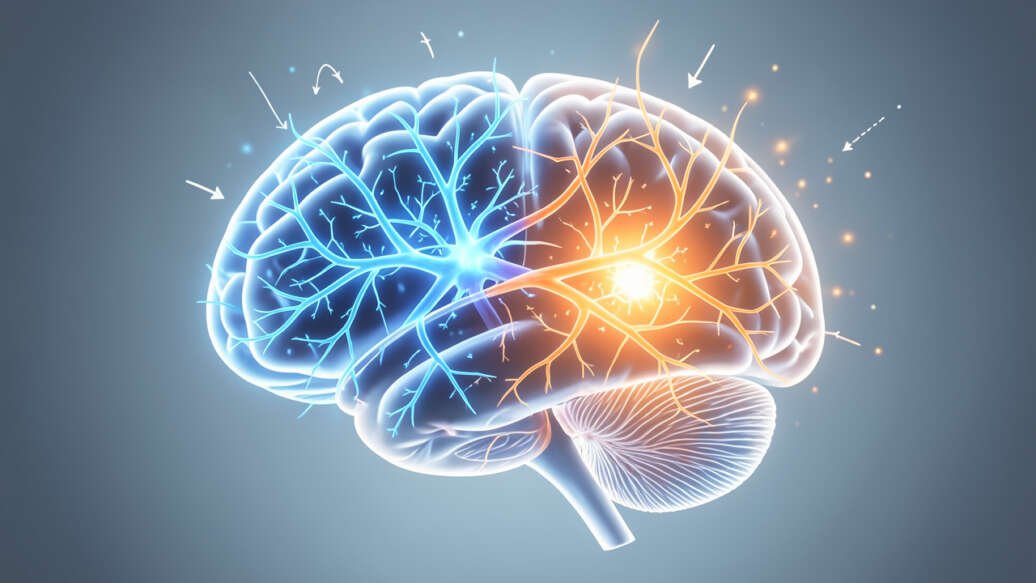
Researchers divide neuroplasticity into two main categories: structural plasticity and functional plasticity. Both work together to help your brain adapt, but they operate on different levels and timescales.
Structural plasticity refers to physical changes in the brain’s anatomy, such as the growth of new dendrites, changes in synaptic density, and the creation of new neurons. Functional plasticity refers to the brain’s ability to shift functions from damaged areas to healthy regions. Most real-world learning involves both types simultaneously.
| Feature | Structural Plasticity | Functional Plasticity |
|---|---|---|
| Definition | Physical changes in brain structure | Shifting of functions between regions |
| Examples | Dendrite growth, gray matter increase, neurogenesis | Neighboring regions taking over after a stroke |
| Timescale | Weeks to months of sustained activity | Days to weeks, especially during recovery |
| Main trigger | Repetition, learning, enriched environments | Injury, compensation, rehabilitation training |
In practice, structural and functional plasticity overlap heavily. Learning a musical instrument triggers structural changes in motor and auditory regions while also creating functional flexibility that helps you transfer skills to related tasks like singing or rhythm games.
There is another useful distinction: experience-expectant plasticity and experience-dependent plasticity. Experience-expectant plasticity happens during critical developmental windows when the brain expects certain inputs, like visual stimulation or language exposure. Experience-dependent plasticity occurs throughout life whenever you learn something unique to your personal history, such as playing the piano or navigating a new city.
How Does the Brain Change With Experience?
Your daily experiences leave physical traces in your brain. This is the essence of experience-dependent neuroplasticity. Every skill you practice, every conversation you hold, and every habit you repeat sculpts your neural circuits, for better or worse.
One famous study by Eleanor Maguire and colleagues at University College London found that London taxi drivers, who memorize thousands of street routes to earn their license, had a larger posterior hippocampus than control subjects. The longer they worked as taxi drivers, the more pronounced the difference became. Their daily navigational experience physically reshaped a memory-related brain region.
You don’t need to drive a taxi to see this effect. Comparable brain changes appear in people who learn languages, play sports, meditate, or take up juggling. A study published in Nature showed that three months of juggling practice produced measurable increases in gray matter in visual motion areas, and those changes reversed when participants stopped practicing.
- Musicians: Professional musicians show increased gray matter in motor, auditory, and visuospatial regions compared to non-musicians.
- Bilingual speakers: Learning a second language increases density in the left inferior parietal cortex.
- Meditators: Long-term meditation practice is linked to thickening of the prefrontal cortex and reduced amygdala reactivity.
- Athletes: Repeated motor training strengthens corticospinal pathways and refines movement coordination.
- Stroke survivors: Patients who regain movement after stroke show brain activity shifting from damaged to undamaged regions.
What do these examples share? Repetition, focused attention, and emotional engagement. Passive exposure is not enough.
Your brain changes most when you actively practice something new, make errors, and adjust your approach.
Warning: Research shows that many “brain training” games only improve the specific task you practice, not general intelligence or memory. Real plastic change comes from challenging, varied, real-world learning, not repeating the same puzzle for hours.
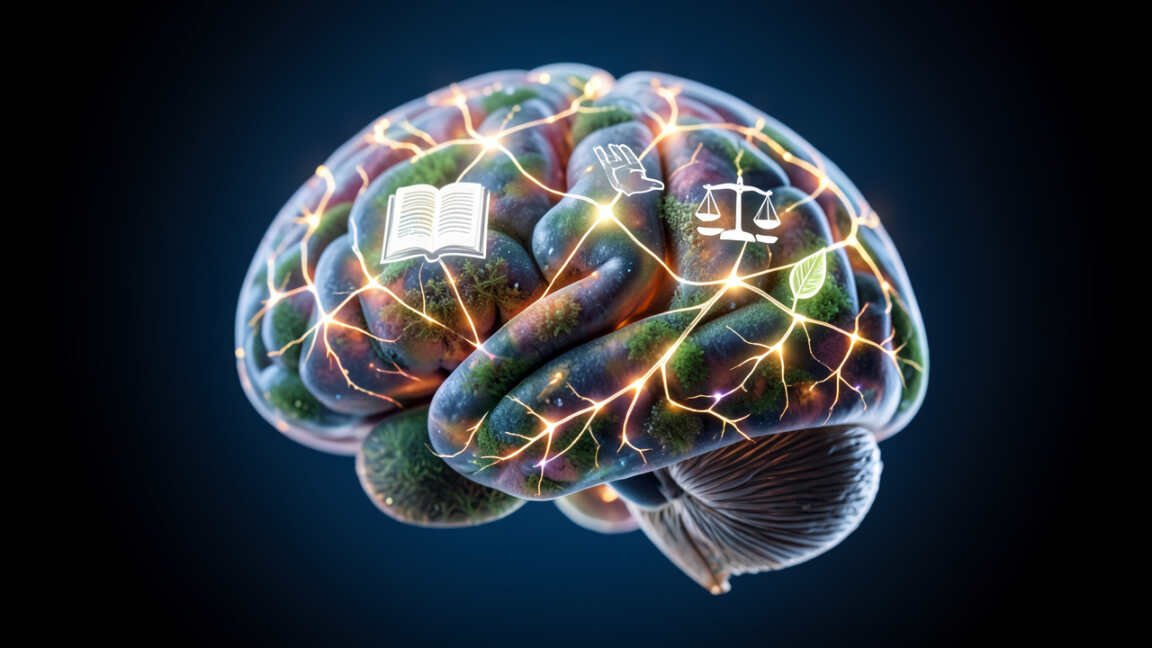
What Are the Factors That Influence Neuroplasticity?
Neuroplasticity is not equally active all the time. Several biological and lifestyle factors speed it up or slow it down. Understanding these factors lets you create the best conditions for your brain to adapt.
Age matters, but not the way most people assume. Children’s brains are highly plastic, which is why they absorb languages and motor skills quickly. Adults still keep significant plasticity, with neurogenesis continuing into old age, though the rate declines without regular mental challenge.
The World Health Organization (WHO) estimates that around 55 million people worldwide live with dementia, and that number is projected to triple by 2050. Supporting neuroplasticity through lifestyle habits is one of the most promising strategies for building cognitive reserve and delaying age-related decline.
| Factor | Boosts Plasticity | Hinders Plasticity |
|---|---|---|
| Sleep | Consolidates memories and supports synaptic remodeling | Sleep deprivation blocks learning-related plasticity |
| Exercise | Raises BDNF and stimulates hippocampal neurogenesis | Sedentary behavior is linked to reduced hippocampal volume |
| Stress | Short-term stress sharpens focus and memory encoding | Chronic stress shrinks dendrites in the hippocampus |
| Diet | Omega-3s, flavonoids, and B vitamins support neural health | High sugar and ultra-processed foods impair flexibility |
| Social connection | Rich social environments stimulate cognitive reserve | Social isolation accelerates cognitive decline |
Sleep deserves special attention. During deep sleep, the brain replays the patterns you practiced during the day, strengthening important connections and clearing away metabolic waste. This is why pulling an all-nighter before an exam is counterproductive.
Your brain consolidates learning while you rest, not while you cram.
Tip: If you want a skill to stick, practice it, then sleep on it. Even a 20-minute nap after learning can improve memory retention by allowing the brain to consolidate new neural patterns.
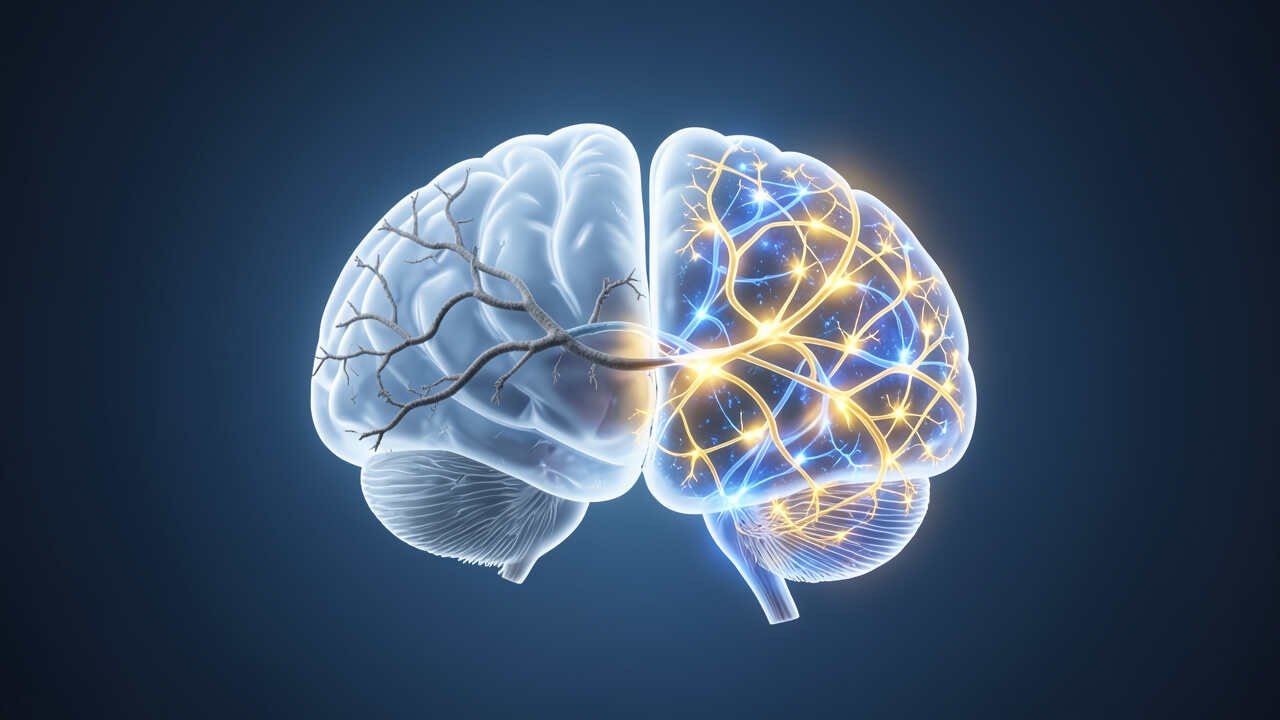
Can Neuroplasticity Help the Brain Recover From Injury?
One of the most powerful applications of neuroplasticity is recovery after brain injury. Strokes, traumatic brain injuries, and spinal cord injuries damage neural tissue, but the brain can often reroute functions through undamaged pathways. Rehabilitation works because it taps directly into plastic mechanisms.
The American Stroke Association reports that up to 80% of stroke survivors experience motor impairment shortly after their event. Many regain function through structured therapy. The key is that recovery does not happen automatically.
It requires intensive, repeated, and meaningful practice over weeks and months.
Constraint-induced movement therapy is a prime example. Patients with a weakened arm wear a mitt on their strong arm, forcing them to use the affected limb throughout the day. This intensive approach drives cortical remapping and has helped many stroke survivors regain meaningful use of their arm.
- Repetition: Performing a task hundreds of times strengthens the neural circuits that control it.
- Intensity: Higher doses of therapy produce greater plastic change, similar to physical conditioning.
- Salience: Tasks that matter to the patient activate motivation systems and boost learning.
- Timing: Early intervention after injury maximizes the window of heightened plasticity.
- Enrichment: Stimulating environments support recovery better than quiet, isolated settings.
Neuroplasticity also plays a role in less obvious forms of recovery. People who lose vision can develop sharper hearing as the occipital cortex gets recruited for auditory processing. Amputees who use prosthetic limbs report that their brains adjust to treat the device almost like a real body part.
Important: Neuroplasticity cuts both ways. It enables recovery and learning, but it also strengthens maladaptive patterns like chronic pain, anxiety, and addiction. The same rewiring process can lock in negative habits if they are repeated often enough.
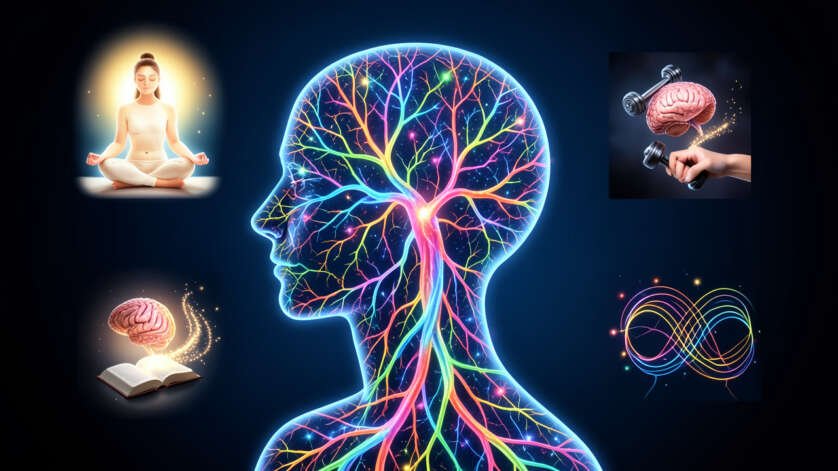
How Can You Boost Neuroplasticity in Daily Life?
You do not need a laboratory or expensive equipment to support neuroplasticity. Everyday habits have a measurable impact on your brain’s ability to rewire. The recipe is simple: novelty, challenge, and recovery.
According to a study published in the Journal of Alzheimer’s Disease, regular aerobic exercise increased hippocampal volume by about 2% over one year in older adults at risk for cognitive decline. That is a meaningful, measurable gain from a purely lifestyle-based intervention.
- Learn a new skill: Pick something genuinely unfamiliar, like a musical instrument, a language, or juggling. Novelty forces the brain to build new circuits.
- Exercise regularly: Aerobic exercise raises brain-derived neurotrophic factor (BDNF), a protein that acts like fertilizer for neurons. Aim for at least 150 minutes per week.
- Prioritize sleep: Synaptic remodeling and memory consolidation happen during deep sleep. Seven to nine hours per night is the target for most adults.
- Practice focused attention: Deep work on one task strengthens pathways much more than constant multitasking.
- Eat a brain-friendly diet: Mediterranean-style eating with vegetables, fish, olive oil, and nuts is linked to slower cognitive aging.
- Stay socially active: Conversation, cooperation, and emotional connection stimulate the prefrontal cortex and limbic system.
- Manage stress: Mindfulness, meditation, and deep breathing reduce cortisol, which otherwise damages hippocampal neurons.
A useful rule is to aim for tasks that sit just beyond your current ability, sometimes called the challenge point. Too easy, and your brain tunes out. Too hard, and you get frustrated and disengage.
The sweet spot, where you succeed about 70% of the time, drives the strongest plastic change.
Tip: Combine physical and mental exercise. Learning a dance routine, a martial art, or a strategy-based sport trains your motor, cognitive, and social systems all at once, producing richer plastic change than either activity alone.
What Are the Limits of Neuroplasticity?
Neuroplasticity is powerful, but it has limits. The brain cannot fully regenerate large areas of dead tissue, and some developmental windows close in childhood. Understanding these boundaries helps you set realistic expectations and avoid falling for pseudoscientific claims.
Blindness or deafness that occurs after the critical period cannot be reversed by plasticity alone. Severe traumatic injuries may cause permanent deficits even with excellent rehabilitation. And while the brain can compensate remarkably well, compensation is not the same as true regeneration.
- Plasticity declines with age, though it never stops entirely.
- Genetic conditions affecting brain development are not cured by experience.
- Compensatory changes can create new problems, such as phantom limb pain after amputation.
- Overlapping neural resources mean strengthening one pathway can weaken another.
- Real plastic changes require sustained effort, usually measured in weeks or months, not minutes.
Michael Merzenich, a pioneer in plasticity research, compares the brain to a competitive ecosystem. Neural resources are limited, so strengthening one pathway often means weakening another. That is why deliberate, selective practice matters more than random mental activity throughout the day.
Warning: Be skeptical of products that promise “instant rewiring” or “unlock 100% of your brain.” Genuine neuroplasticity is measurable and real, but it demands time, effort, and often professional guidance, especially after injury.
Frequently Asked Questions
What is neuroplasticity in simple terms?
Neuroplasticity is the brain’s ability to change and reorganize itself throughout life. When you learn something new, your neurons form stronger or completely new connections. When you stop using a skill, those connections weaken and fade, which is why neglected abilities feel rusty over