
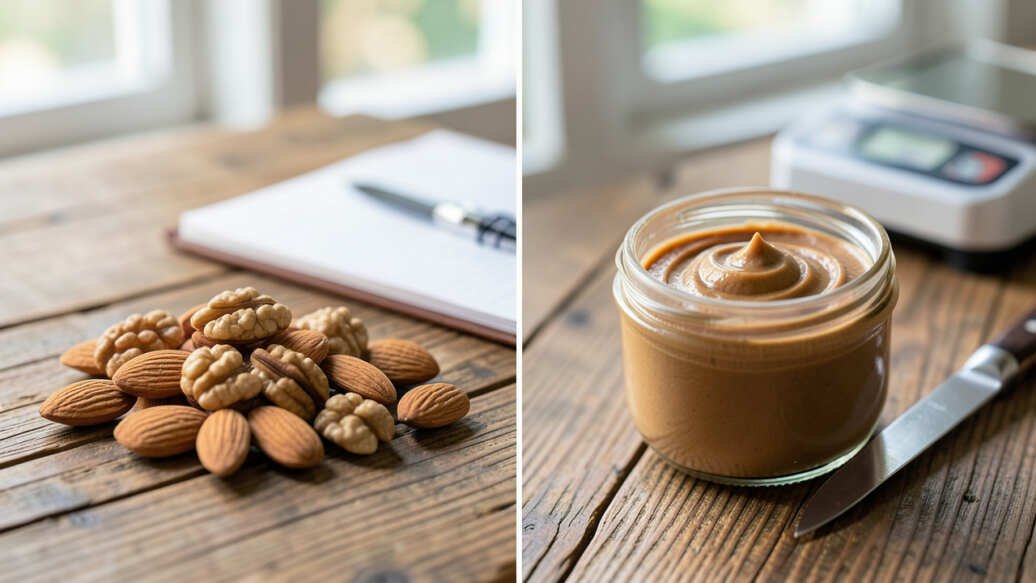
Whole nuts and nut butter share the same core nutrients like healthy fats and protein, but differ primarily in processing and calorie density. Processing nuts into butter breaks down some fiber and can increase the risk of added ingredients, while whole nuts promote greater fullness due to their structure and lower calorie density. For optimal health, strategically incorporating both whole nuts and nut butter allows for versatility in a balanced diet, depending on individual goals for convenience, satiety, or budget.
Whole nuts vs nut butter is a common debate among health-conscious snackers. Both options offer great taste and nutrition, but the processing involved can change their properties. This comparison explores the key differences to help you make the best choice for your diet.
Simply put, whole nuts and nut butter share the same core nutrients, but processing can alter texture, calorie density, and some vitamin content. Whole nuts require more chewing and promote fullness, while nut butter offers convenience and versatility.
Key Takeaways
- Whole nuts are less processed and often retained in their natural form, which can preserve certain nutrients and fiber.
- Nut butter provides the same core healthy fats and protein but in a spreadable, calorie-dense form.
- The primary difference lies in processing: grinding nuts into butter can break down some fiber and increase the risk of added ingredients.
- For weight management, whole nuts may be superior due to their lower calorie density and higher chewing requirement.
- Both can be healthy parts of a diet when chosen carefully, with unsalted and no-added-sugar varieties being the best options.
What is the Processing Difference Between Whole Nuts and Nut Butter?
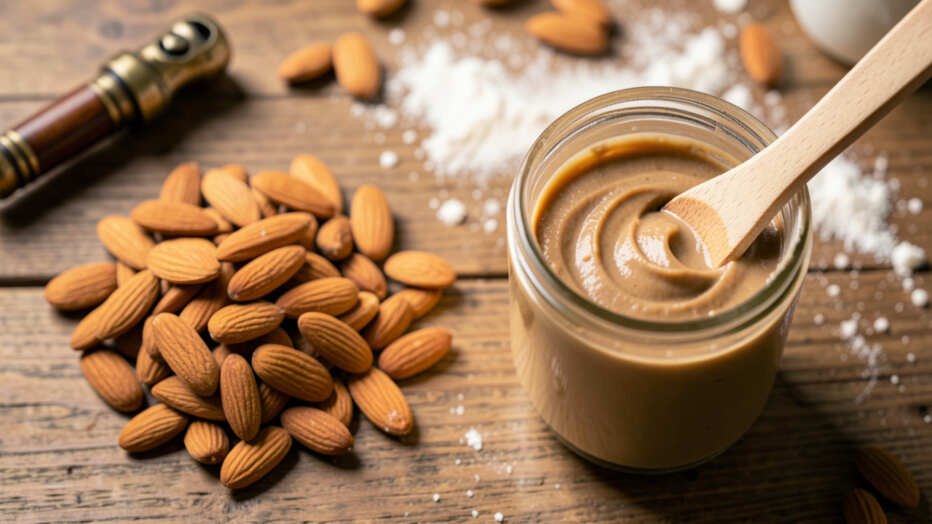
Understanding the processing gap is fundamental to the whole nuts vs nut butter comparison. Whole nuts are simply harvested, cleaned, and sometimes roasted or seasoned. They remain in their complete, intact form.
Nut butter, on the other hand, is a manufactured product. The process begins with roasting, then grinding the nuts into a smooth or chunky paste. This mechanical breakdown changes the physical structure entirely.
Manufacturers often add stabilizers, oils, sweeteners, and salt to improve texture and shelf life.
| Aspect | Whole Nuts | Nut Butter |
|---|---|---|
| Primary Processing | Roasting, salting | Roasting, grinding, blending |
| Physical Form | Intact, solid pieces | Smooth or chunky paste |
| Common Additives | Salt, oil, seasonings | Salt, sugar, hydrogenated oils, stabilizers |
| Calorie Density | Lower (by volume) | Higher (compacted calories) |
This extensive processing can impact the nutritional profile. For instance, grinding can rupture cell walls, potentially making some fats more accessible but also leading to quicker oxidation. The addition of other ingredients is the most significant change from the whole food state.
Important: Always check the ingredients list on nut butter. The healthiest options contain only nuts and maybe a pinch of salt. Avoid brands with added sugars, palm oil, or hydrogenated fats.
How Does Processing Affect the Nutritional Profile?
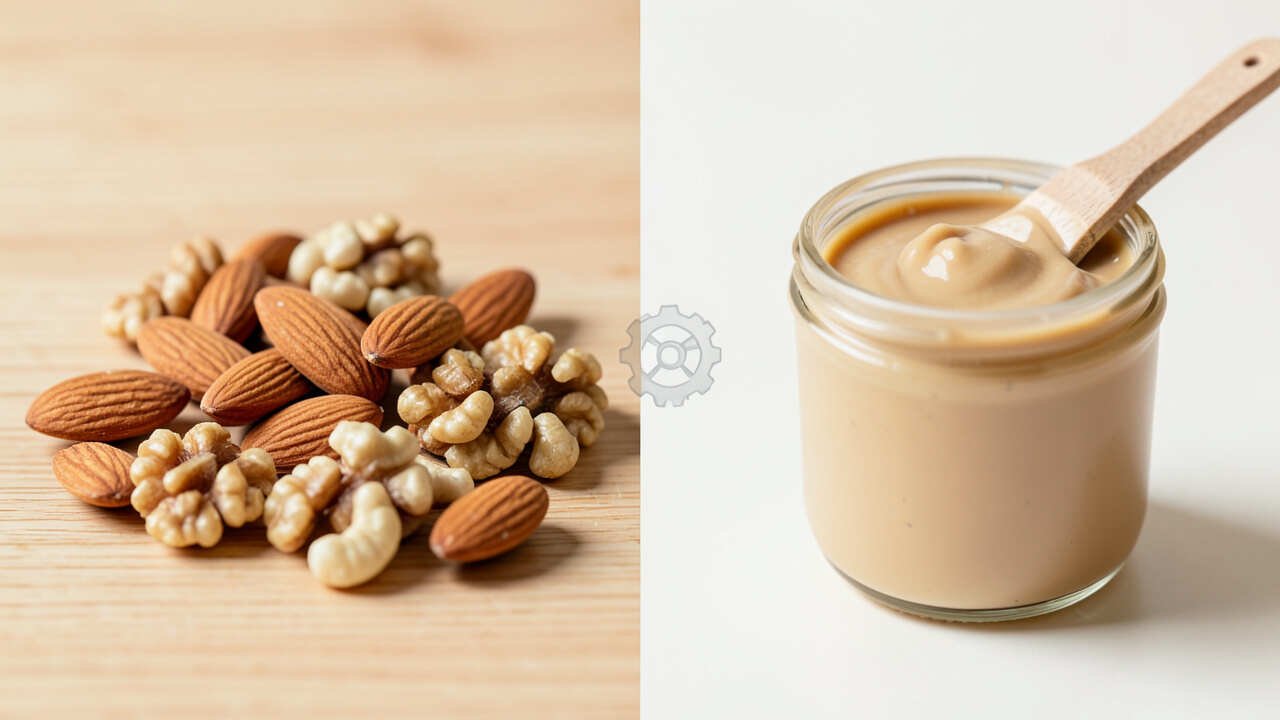
The transformation from nut to butter has several nutritional implications. While the core macronutrients—fats, proteins, and carbohydrates—remain similar per weight, their availability and the presence of other elements can shift.
One major consideration is fiber content. The grinding process can break down some of the insoluble fiber found in whole nuts. This may make nut butter slightly easier to digest but can also reduce its satiating effect.
Additionally, the high heat during commercial grinding can degrade heat-sensitive vitamins, such as certain B vitamins and vitamin E, though the exact loss varies by product.
- Calorie Density: Nut butter is more calorie-dense by volume. A tablespoon of almond butter (about 16g) has roughly 100 calories, while a comparable volume of whole almonds (about 7-8 nuts) has about 50 calories.
- Satiety Factor: The physical act of chewing whole nuts sends stronger fullness signals to the brain compared to consuming the same calories in a smooth spread.
- Nutrient Absorption: Some studies suggest that the fat in nut butter may be slightly more bioavailable due to the broken-down state, though whole nuts are not considered deficient in absorption.
- Added Ingredients: The major nutritional pitfall of nut butter is the addition of refined sugars, hydrogenated oils, and excess salt, which turn a healthy food into a less healthy one.
Tip: To get the full nutritional benefit of nut butter, pair it with a high-fiber food like celery sticks, apple slices, or whole-grain toast. This combination helps slow digestion and increases fullness.
What Are the Benefits of Choosing Whole Nuts?
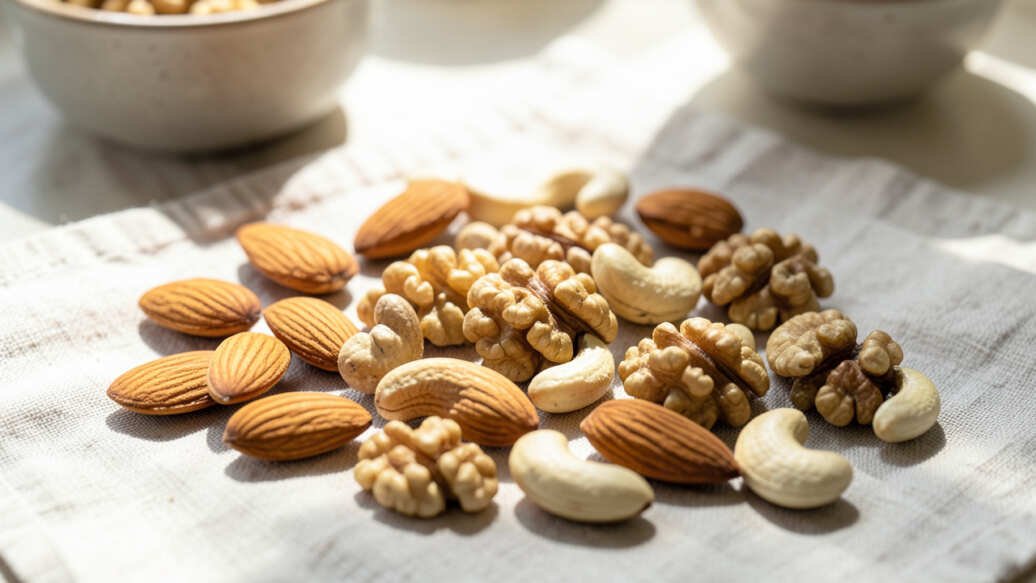
Opting for whole nuts comes with distinct advantages rooted in their unprocessed form. The most significant benefit is portion control. It’s very easy to scoop out a large amount of nut butter, but eating a handful of whole nuts provides a clear, tangible serving.
The chewing process itself is a benefit. Mastication stimulates the release of satiety hormones and can help you feel satisfied with fewer calories. This makes whole nuts a superior choice for weight management goals.
They also provide more dental stimulation, which can be beneficial for oral health compared to soft, sticky nut butters.
Key Advantages of Whole Nuts
- Enhanced Satiety: Requires more chewing and digestive processing, leading to greater fullness.
- Easier Portion Control: Visual and physical counting of nuts prevents accidental overconsumption.
- Preserved Nutrients: Minimal processing can better preserve heat-sensitive vitamins and antioxidants.
- Lower Calorie Density: The intact cellular structure means you consume fewer calories per bite.
- Versatility in Meals: Can be used as toppings, in trail mixes, or eaten alone as a substantial snack.
Furthermore, whole nuts are a whole food. The concept of eating “whole” foods is linked to better overall dietary patterns. They contain all their natural components in balance, which the body is well-equipped to utilize.
Why Might Someone Prefer Nut Butter?
Despite the advantages of whole nuts, nut butter holds undeniable appeal for many. Convenience is the primary driver. It requires no preparation and can be quickly spread on toast, stirred into oatmeal, or blended into a smoothie.
For busy individuals, this accessibility makes it a practical protein and fat source.
Culinary versatility is another strong point. Nut butter acts as a binding agent in energy balls, a flavor base in sauces and dressings, and a creamy addition to baked goods. Its smooth texture is also preferred by those with dental issues, jaw pain, or for young children who may be choking hazards with whole nuts.
| Use Case | Better Choice | Reason |
|---|---|---|
| On-the-Go Snack | Whole Nuts | Portable, no mess, built-in portion control. |
| Smoothie Ingredient | Nut Butter | Blends seamlessly for creaminess and protein. |
| Baking | Nut Butter | Provides moisture, binding, and rich flavor. |
| Weight Management | Whole Nuts | Lower calorie density and higher satiety per calorie. |
The choice often comes down to lifestyle and specific dietary needs. Nut butter can be a valuable tool for increasing calorie and nutrient intake for those needing to gain weight or muscle. For the average person watching their intake, however, whole nuts usually offer more control.
How Do Their Uses in a Healthy Diet Compare?
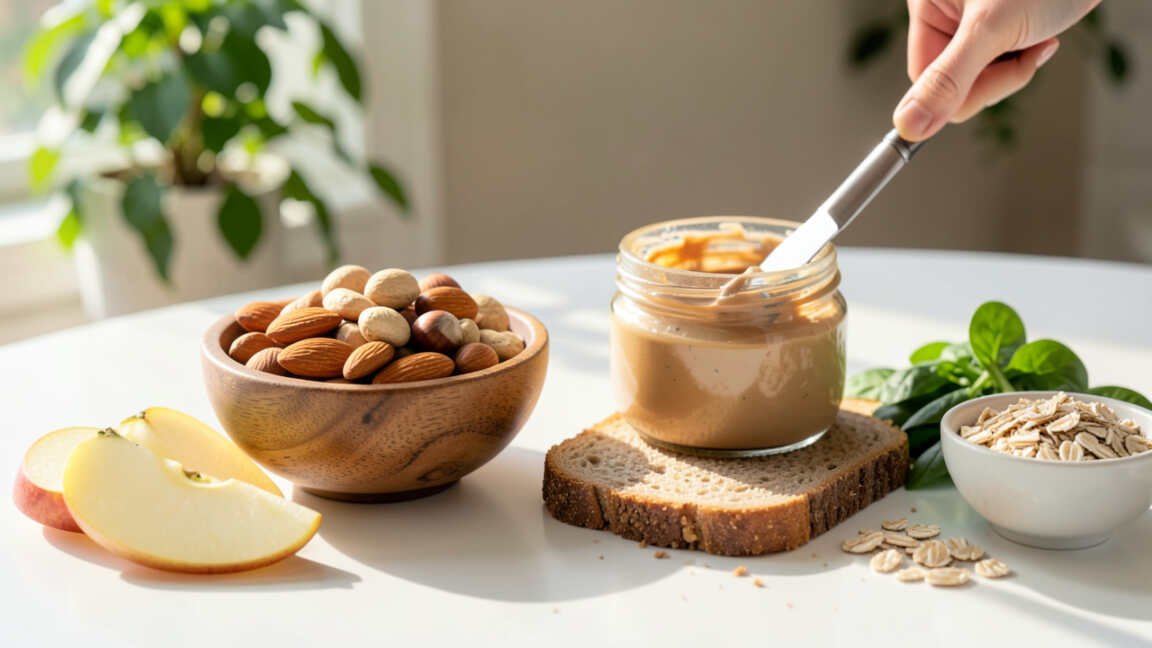
Both can fit perfectly into a balanced diet, but their roles differ. Whole nuts are typically a standalone snack or a textural component in dishes. Nut butter is more of a condiment, flavor enhancer, or ingredient base.
The key is matching the form to your dietary goals.
For someone focused on mindful eating, whole nuts are excellent. They slow you down and make you conscious of consumption. Nut butter requires conscious portioning—measuring a tablespoon is crucial to avoid consuming hundreds of excess calories.
The American Heart Association recommends a serving of nuts as about 1.5 ounces per day.
Incorporating Both Strategically
- For Breakfast: Use a thin layer of nut butter on whole-grain toast (portion controlled) or sprinkle chopped nuts on yogurt.
- For Snacking: Choose a pre-portioned bag of whole nuts instead of eating from a jar of butter.
- For Cooking: Use nut butter to make salad dressings, stir-fry sauces, or energy bites.
- For Nutrient Boost: Blend a spoonful of nut butter into oatmeal or smoothies for healthy fats and protein.
Warning: Many nut butters contain added sugars and unhealthy oils. Consuming them regularly in large amounts can contribute to weight gain and metabolic issues. Always choose “no sugar added” and “just nuts” varieties.

Which Option is More Budget-Friendly?
Cost is a practical factor in the whole nuts vs nut butter decision. Generally, whole nuts have a lower price per ounce than pre-made nut butter. The processing, packaging, and marketing of nut butter add to its retail cost.
Buying whole nuts in bulk and grinding your own nut butter at home is the most economical method.
However, price isn’t the only consideration. Nut butter can be less wasteful if you use small amounts for flavor. A jar can last a long time, whereas whole nuts might go stale faster if not stored properly.
Proper storage in airtight containers in a cool place extends the shelf life of both.
Cost and Storage Comparison
| Factor | Whole Nuts | Nut Butter |
|---|---|---|
| Average Cost (USD) | $3 – $8 per pound | $6 – $15 per 16 oz jar |
| Shelf Life | 3-6 months (pantry), 1 year (fridge/freezer) | Unopened: 6-9 months. Opened: 2-3 months (pantry), 6+ months (fridge) |
| Storage Tip | Store in airtight container in cool, dark place. | Stir oil back in. Refrigerate after opening for longevity. |
Making your own nut butter gives you full control over ingredients and can save money. A food processor and some raw nuts are all you need. This homemade option bridges the gap, offering the convenience of butter with the purity of whole nuts.
What Do Health Experts and Research Say?
Nutrition science generally views both forms positively when minimally processed. Research consistently links nut consumption to improved heart health, lower cholesterol, and reduced risk of type 2 diabetes. A 2019 review in the journal Nutrients found that regular nut intake is associated with lower all-cause mortality.
The difference lies in portion control and additives. Experts from the Harvard T.H. Chan School of Public Health emphasize that nuts are calorie-dense, so portion awareness is key.
They note that nut butter can lead to overconsumption. The form you choose should support your ability to maintain appropriate portions.
- Heart Health: Both provide monounsaturated and polyunsaturated fats that support cardiovascular function.
- Weight Control: Studies, like one in the European Journal of Nutrition, suggest whole nuts may aid weight management better than nut butter due to the mastication-satiety link.
- Diabetes Management: The healthy fats and fiber in both forms help moderate blood sugar spikes, especially when paired with carbohydrates.
- Inflammation: Nuts contain antioxidants like vitamin E and ellagic acid, which may be slightly reduced by the extensive processing of some commercial butters.
The consensus is clear: choose the form that helps you stick to a healthy pattern. If nut butter leads you to eat excessive amounts, switch to whole nuts. If whole nuts are inconvenient and lead you to less healthy snacks, a measured portion of nut butter is a fine choice.
Frequently Asked Questions
Is almond butter healthier than almonds?
Almond butter and whole almonds have nearly identical nutrition per gram. Almond butter may have slightly more bioavailable calories, but whole almonds offer greater satiety. The “healthier” choice depends on your consumption pattern; choose the one you can eat in controlled portions.
Can nut butter be part of a weight loss diet?
Yes, but portion control is absolutely essential. A tablespoon of nut butter is a standard serving and can be included in a calorie-controlled diet. Its high fat and protein content can help you feel full, preventing overeating later.
Never eat it straight from the jar.
Does grinding nuts reduce their nutritional value?
Grinding can cause minor losses in heat-sensitive vitamins and may break down some fiber. However, the overall macronutrient profile (fats, proteins) remains intact. The biggest nutritional change often comes from added ingredients in commercial nut butter, not the grinding process itself.
Which has more protein, whole nuts or nut butter?
Per ounce, the protein content is almost the same. For example, both one ounce of almonds and one ounce of almond butter contain about 6 grams of protein. The difference is in how easily you consume that ounce—nut butter allows you to eat it much faster and in larger quantities.
Is it better to make nut butter at home?
Homemade nut butter is often superior because you control all ingredients. You avoid added sugars, unhealthy oils, and excessive salt. It’s also cheaper.
The only drawback is the time to prepare and its shorter shelf life without preservatives.
Final Thoughts
The whole nuts vs nut butter debate has no single winner. Both are nutrient-dense foods that can support a healthy lifestyle. The critical difference is how their form influences your eating behavior. Whole nuts naturally enforce moderation and provide maximum satiety. Nut butter offers unmatched convenience and culinary versatility but demands strict portion control. For optimal health, consider incorporating both forms strategically based on your goals, prioritizing raw or dry-roasted, unsalted options with no additives. Listen to your body’s hunger signals and choose the form that best aligns with your journey toward balanced nutrition.