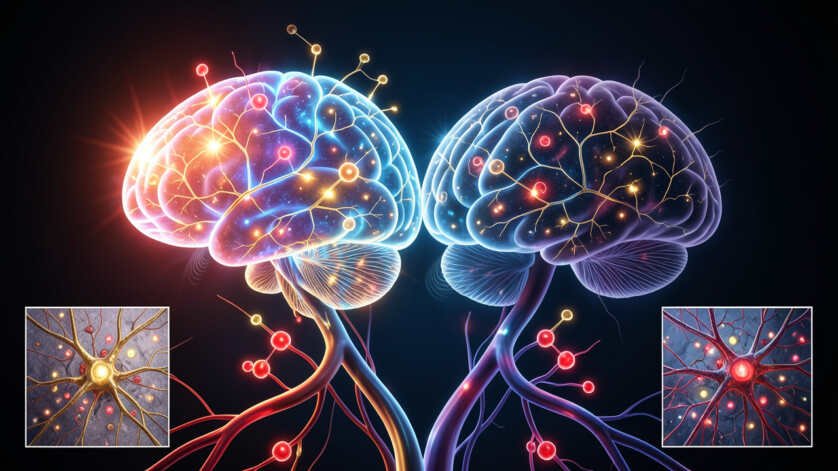
The human brain requires a constant, uninterrupted supply of oxygen and glucose because it lacks the ability to store any significant energy reserves of its own. This is critical because while the brain constitutes only about 2% of total body weight, it consumes roughly 20% of the body's available oxygen and glucose daily to fuel its billions of neurons. Any disruption to this vital supply line can cause rapid and severe neurological consequences, such as loss of consciousness within minutes.
The brain needs a constant supply of oxygen and glucose to keep tens of billions of neurons firing around the clock. It has almost no stored energy, so any gap in fuel delivery quickly shows up as brain fog, dizziness, or worse. This post explains why your brain is so fuel-dependent and how to protect its energy supply every day.
Simply put, the brain is the body’s most energy-hungry organ. It makes up only about 2% of your body weight yet consumes around 20% of your oxygen and glucose. Because it cannot store fuel and cannot pause its work, it needs an uninterrupted supply every second of every day to survive.
Key Takeaways
- The brain needs a constant supply of oxygen and glucose because it has little to no stored energy of its own.
- Despite being just 2% of body weight, the brain uses roughly 20% of the body’s oxygen and glucose supply.
- Neurons depend on glucose to produce ATP, the energy molecule that powers every thought, heartbeat, and movement.
- Going without oxygen for 3-4 minutes can cause irreversible damage to brain tissue.
- Stable blood sugar, healthy circulation, and good sleep are the foundations of long-term cognitive health.
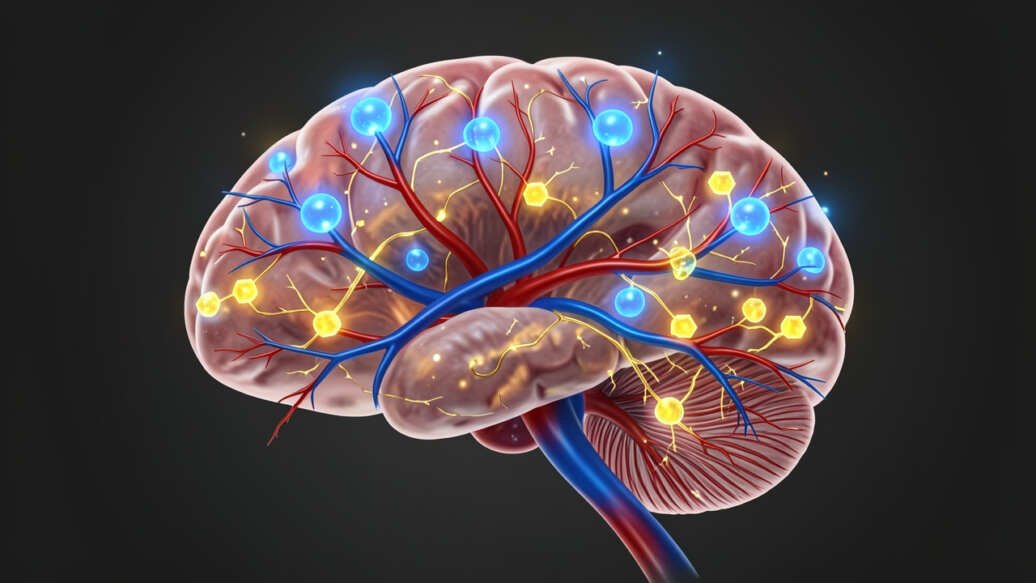
What Does the Brain Need Oxygen and Glucose For?
The brain is the body’s command center. Every heartbeat, breath, blink, and word you speak starts with electrical signals in your neurons. Those signals are expensive to produce, and they never fully stop, even during deep sleep.
Energy for neural signaling comes from ATP. Your cells make ATP from glucose through a process that demands oxygen. When both are present, neurons communicate quickly and reliably.
When either one dips too low, brain function starts to fade within seconds.
Your brain spends energy on far more than just thinking. Here are the main jobs that consume fuel:
- Thinking, planning, and problem-solving
- Memory formation and recall
- Muscle control and coordination
- Heart rate, breathing, and blood pressure regulation
- Hormone and neurotransmitter production
- Body temperature and appetite control
| Organ | Share of body weight | Share of resting oxygen use |
|---|---|---|
| Brain | About 2% | About 20% |
| Heart | About 0.5% | About 11% |
| Liver | About 2.5% | About 20% |
| Skeletal muscle (at rest) | About 40% | About 20% |
This table shows why the brain is so unusual. It takes up a tiny fraction of your body mass but draws an outsized share of power. That is why even a small drop in fuel can produce noticeable mental symptoms.
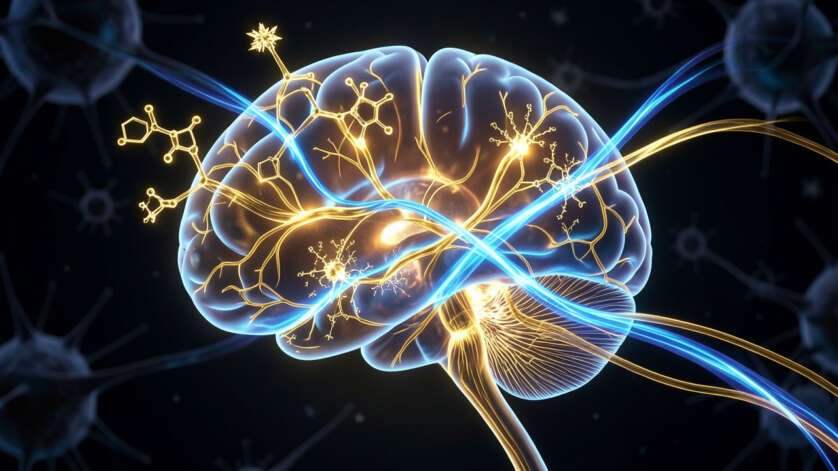
How Does the Brain Convert Glucose Into Energy?
Glucose first crosses the blood-brain barrier through specialized transporters called GLUT1. Once inside, neurons and their supporting glial cells convert it into ATP through a multi-step process centered in the mitochondria.
The journey from glucose to usable energy follows a precise sequence. Here is how it works:
- Glucose enters the brain from the bloodstream through GLUT1 transporters.
- Inside cells, glycolysis splits glucose into pyruvate and produces 2 ATP.
- Pyruvate enters the mitochondria and fuels the Krebs cycle.
- The electron transport chain uses oxygen to generate roughly 30 additional ATP.
- Neurons use that ATP to pump ions across their membranes and fire electrical signals.
Aerobic respiration is vastly more efficient than its backup plan. One glucose molecule can yield around 32 ATP with oxygen, compared to just 2 ATP without it. That is the difference between premium fuel and running on fumes.
According to a widely cited review of brain metabolism, your brain uses about 100 to 120 grams of glucose per day, which equals roughly 400 to 420 calories. That demand stays steady whether you are solving a math problem or just sitting quietly.
Tip: Complex carbohydrates such as oats, beans, and sweet potatoes release glucose slowly. This helps keep your brain fueled between meals. Pair them with protein or fat for even steadier energy.
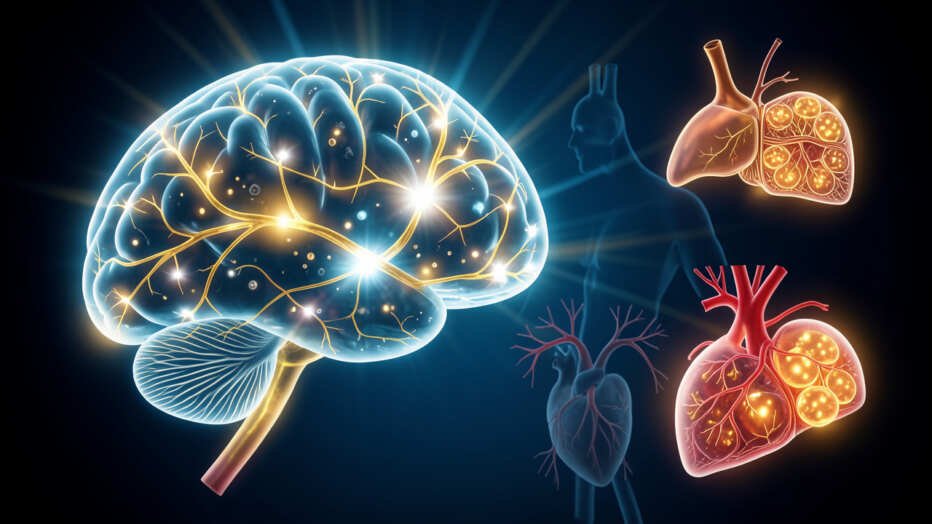
Why Can’t the Brain Store Energy Like Other Organs?
Your muscles pack away glycogen for quick bursts of work. Your liver keeps a reserve to stabilize blood sugar between meals. Fat tissue stores triglycerides that can fuel the body for days.
The brain, by contrast, has almost none of these reserves.
Brain glycogen does exist, but only in tiny amounts and mostly inside support cells called astrocytes. It can cover only a few minutes of demand during an emergency. That small cushion helps in a crisis, but it cannot sustain normal function for long.
Here are the main reasons the brain cannot stockpile its own fuel:
- Brain tissue is packed with neurons, leaving little room for glycogen storage.
- Fatty acids cannot cross the blood-brain barrier in meaningful amounts.
- The brain’s energy demand is nearly constant, so reserves would drain almost immediately.
- Heavy storage would interfere with the delicate structure of neural circuits.
- Evolution favored delivery over storage: blood vessels bring glucose straight to active neurons.
Important: The brain stays active even during deep sleep. It uses almost as much energy at night as it does during quiet waking rest. A steady supply of oxygen and glucose matters 24 hours a day.
What Happens When the Brain Lacks Oxygen and Glucose?
Oxygen deprivation and glucose deprivation are two different emergencies, but both injure the brain. Low oxygen is called hypoxia, and low blood sugar is called hypoglycemia. Either one can shut down cognitive function very quickly.
The timeline for oxygen deprivation is especially unforgiving:
| Time without oxygen | What happens |
|---|---|
| 0-10 seconds | Consciousness is lost |
| 30-60 seconds | Brain electrical activity slows sharply |
| 2-3 minutes | Confusion, memory problems, and cell stress set in |
| 4-5 minutes | Irreversible neuron damage begins |
| 6+ minutes | Severe, often permanent brain injury is likely |
Glucose deprivation follows a similar pattern of escalating symptoms. According to the American Diabetes Association, blood sugar below 70 mg/dL is classified as hypoglycemia. At that level, you might feel shaky, hungry, or anxious.
If levels keep falling, confusion, slurred speech, and seizures can follow.
Watch for these early warning signs of low brain fuel:
- Sudden headache or dizziness
- Difficulty concentrating
- Slurred speech
- Blurred vision
- Weakness or clumsiness
- Irritability or mood swings
Warning: Sudden confusion, fainting, or seizures can signal dangerously low blood sugar or oxygen. These are medical emergencies. Call for help or check blood sugar immediately.
How Much Oxygen and Glucose Does the Brain Use Every Day?
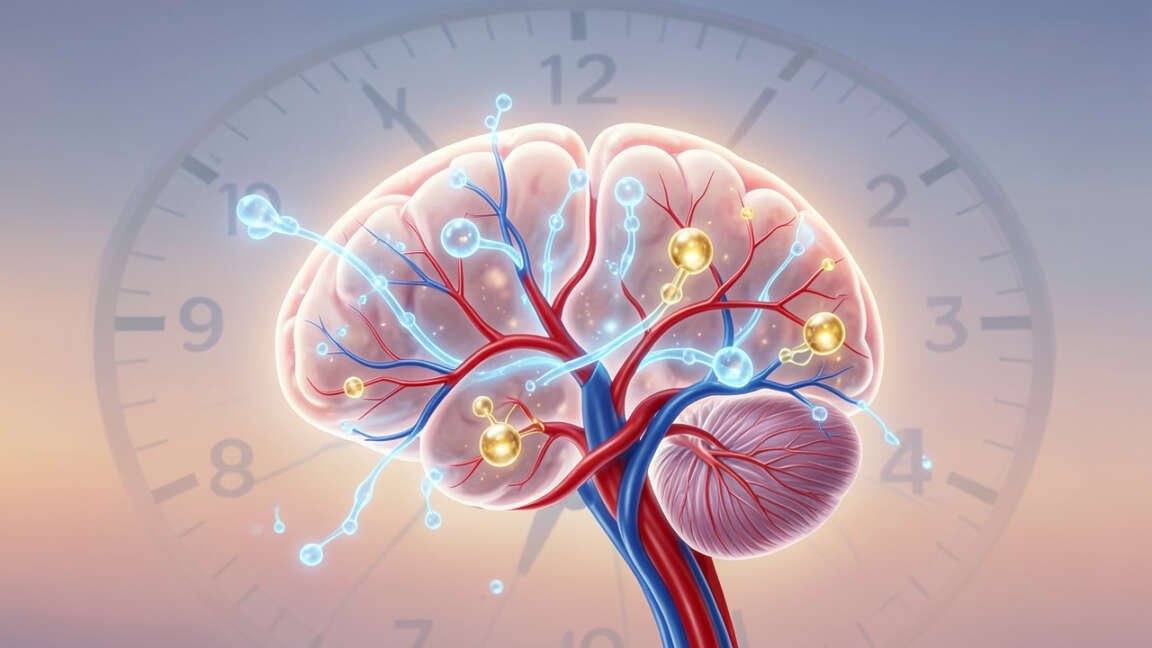
The numbers are striking for an organ that weighs around 1.4 kilograms. The brain receives about 750 to 800 milliliters of blood every minute, which is roughly 15% of your cardiac output. It also uses about 50 milliliters of oxygen per minute, totaling close to 72 liters each day.
| Metric | Estimated value |
|---|---|
| Brain weight | About 1.4 kg (2% of body mass) |
| Blood flow | 750-800 ml per minute |
| Oxygen use | About 50 ml per minute (72 L per day) |
| Glucose use | 100-120 g per day |
| Energy value | About 350-420 calories per day |
According to research by neuroscientist Suzana Herculano-Houzel, the human brain contains about 86 billion neurons. Each one depends on this continuous fuel delivery. When you eat balanced meals and keep your heart healthy, you directly support that daily supply line.
There is one useful exception to the glucose rule. On a low-carbohydrate or ketogenic diet, the brain can adapt to burn ketones for a large share of its energy. Even then, it usually still needs some glucose, and full adaptation can take days or even weeks.
Common Threats to Your Brain’s Energy Supply
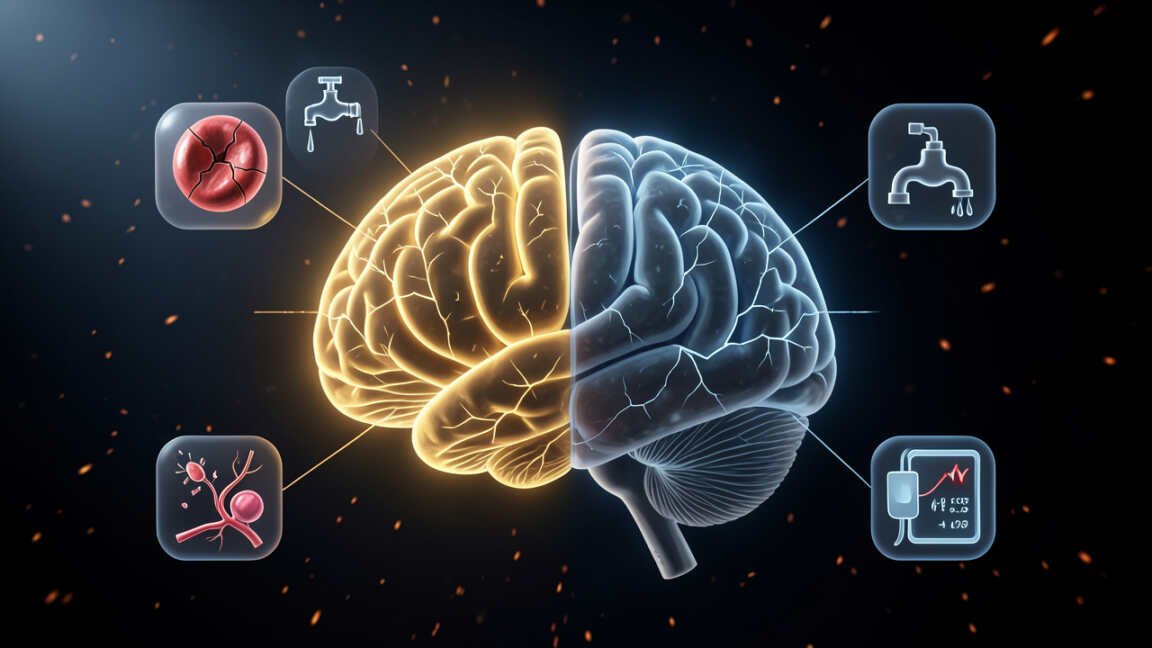
Several conditions interfere with the pipeline that delivers fuel to the brain. Some are short-term problems you can fix quickly. Others are chronic issues that quietly starve brain tissue over time.
| Threat | How it affects the brain | What helps |
|---|---|---|
| Hypoglycemia | Glucose levels drop too low to fuel neurons | Regular meals, blood sugar management |
| Sleep apnea | Breathing pauses reduce oxygen during sleep | CPAP therapy, weight management |
| Stroke | A blocked or burst vessel cuts blood flow | Blood pressure control, emergency care |
| Anemia | Low red blood cells reduce oxygen delivery | Iron treatment, medical checkup |
| Carbon monoxide | Blocks oxygen from binding to hemoglobin | Fresh air, carbon monoxide detectors |
According to the Centers for Disease Control and Prevention, stroke is one of the leading causes of long-term disability in the United States. Most strokes are ischemic, meaning a clot blocks blood flow to part of the brain. Every minute counts because brain tissue dies quickly without oxygen and glucose.
Remember the FAST signs of a stroke:
- Face drooping on one side
- Arm weakness or numbness
- Speech difficulty or slurring
- Time to call emergency services immediately
How to Support a Steady Supply of Oxygen and Glucose
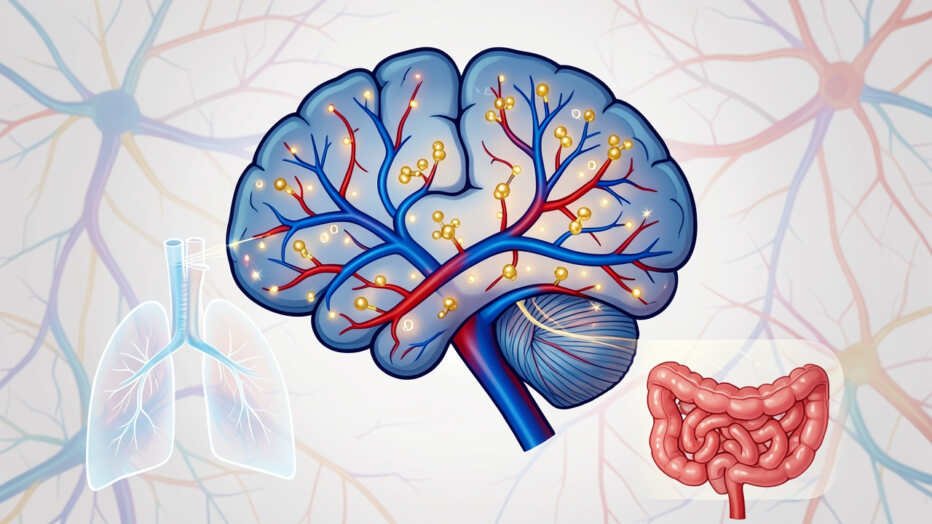
You cannot stop your brain from needing fuel, but you can keep the supply line steady. Small daily habits make a real difference for focus, memory, and long-term cognitive health.
Follow these five daily habits to support your brain’s energy supply:
- Eat balanced meals with fiber, protein, and healthy fats to slow glucose release.
- Move your body every hour to keep blood flow and circulation strong.
- Drink water throughout the day, since even mild dehydration affects mental clarity.
- Sleep 7-9 hours so the brain can clear waste and reset its energy systems.
- Check your blood sugar if you have diabetes or unexplained fainting episodes.
Exercise deserves special credit. Physical activity improves insulin sensitivity, which helps your brain take up glucose more efficiently. It also encourages the growth of new blood vessels, improving oxygen delivery over time.
Tip: If you feel a mental crash mid-afternoon, choose a small snack with protein and complex carbs, such as an apple with nut butter. It delivers glucose steadily instead of causing a quick sugar spike and crash.
Keep an eye on long-term risks too. Manage blood pressure, avoid smoking, and treat sleep apnea if you have it. These steps help ensure your heart can keep pumping oxygen-rich blood to your brain for decades.
Frequently Asked Questions
How long can the brain survive without oxygen?
Brain cells start to suffer damage after about 3-4 minutes without oxygen. Permanent damage becomes very likely after 5-6 minutes. Emergency resuscitation works best within the first few minutes of cardiac arrest or severe hypoxia.
Does the brain need glucose, or can it use ketones?
The brain can use ketones for a large share of its energy once you are fat-adapted, such as during fasting or a keto diet. However, it still needs at least some glucose. Most people get that from carbohydrates or from small amounts produced by the liver.
What happens to the brain during hypoglycemia?
When blood sugar drops below about 70 mg/dL, the brain and body run low on fuel. Symptoms include shaking, confusion, headache, and irritability. Severe hypoglycemia below 40 mg/dL can cause seizures, coma, or brain injury.
Can the brain use fat or protein directly for energy?
No. Fatty acids cannot cross the blood-brain barrier in meaningful amounts, and protein is used for building blocks, not direct fuel. The brain relies on glucose and, during carbohydrate restriction, on ketones that the liver makes from fat.
How much glucose does the brain need per day?
Most estimates put adult brain glucose use between 100 and 120 grams per day, or roughly 350-420 calories. The exact amount depends on body size, activity level, and whether the brain is also using ketones for fuel.
Final Thoughts
Your brain is small but fiercely hungry. It uses about 20% of your oxygen and a massive share of your daily glucose, and it never takes a day off.
Keeping a constant supply of oxygen and glucose is not complicated. Eat regular balanced meals, stay active, protect your sleep, and treat conditions that affect circulation or blood sugar.
Do those basics well, and your brain will keep thinking, moving, and remembering for a lifetime.