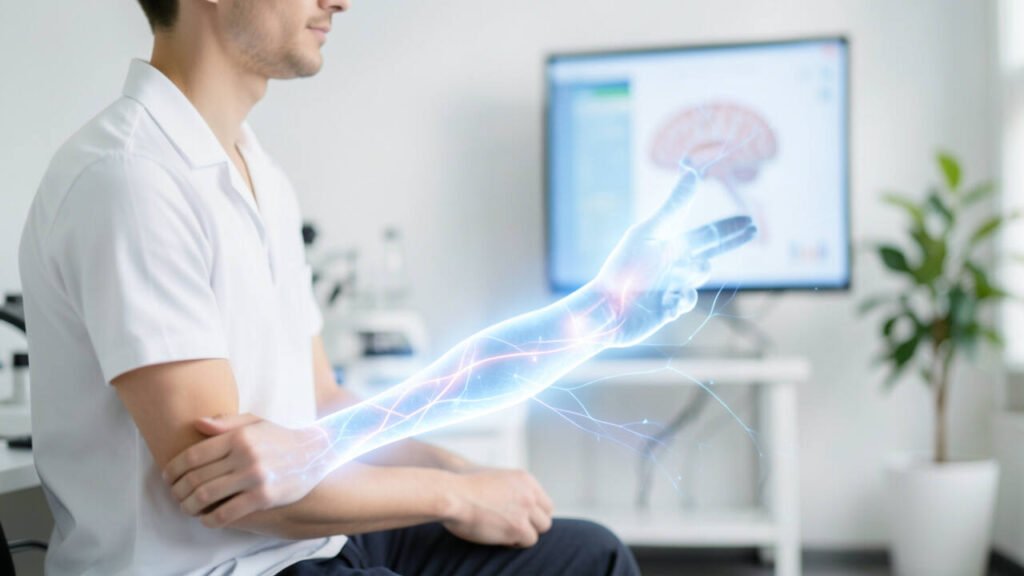
People feel a limb that is no longer there due to phantom limb sensations, a neurological condition where the brain's internal map of the body still includes the missing limb. This causes nerves and cortical regions to generate vivid feelings, such as pain or movement, as if the limb were present. This is a documented medical phenomenon with specific treatment approaches, including mirror therapy and virtual reality, designed to help retrain the brain and alleviate associated pain.
Why can people feel a limb that is no longer there? This strange and often unsettling experience is called phantom limb sensation, and it affects up to 80% of amputees. In this post, you will learn how the brain creates these vivid feelings, why they happen, and what treatments can help reduce the pain that sometimes comes with them.
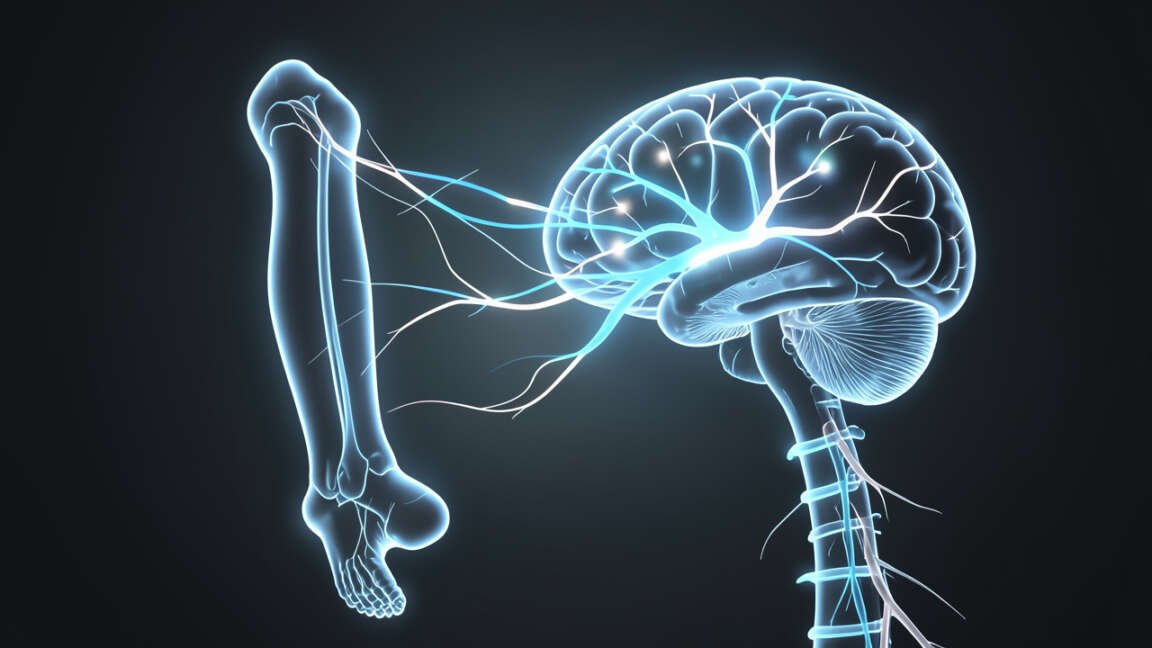
Simply put, phantom limb sensations occur because your brain’s internal map of your body still includes the missing limb. Nerves and brain regions keep firing and interpreting signals as if the limb were present. This is not imagination; it is a real neurological process.
Key Takeaways
- Phantom limb sensation is a neurological phenomenon, not a psychological one.
- The brain’s body map continues to include the missing limb, causing vivid feelings and pain.
- Phantom limb pain differs from non-painful phantom sensations and often requires targeted treatment.
- Mirror therapy, VR, and medication can help retrain the brain and reduce pain.
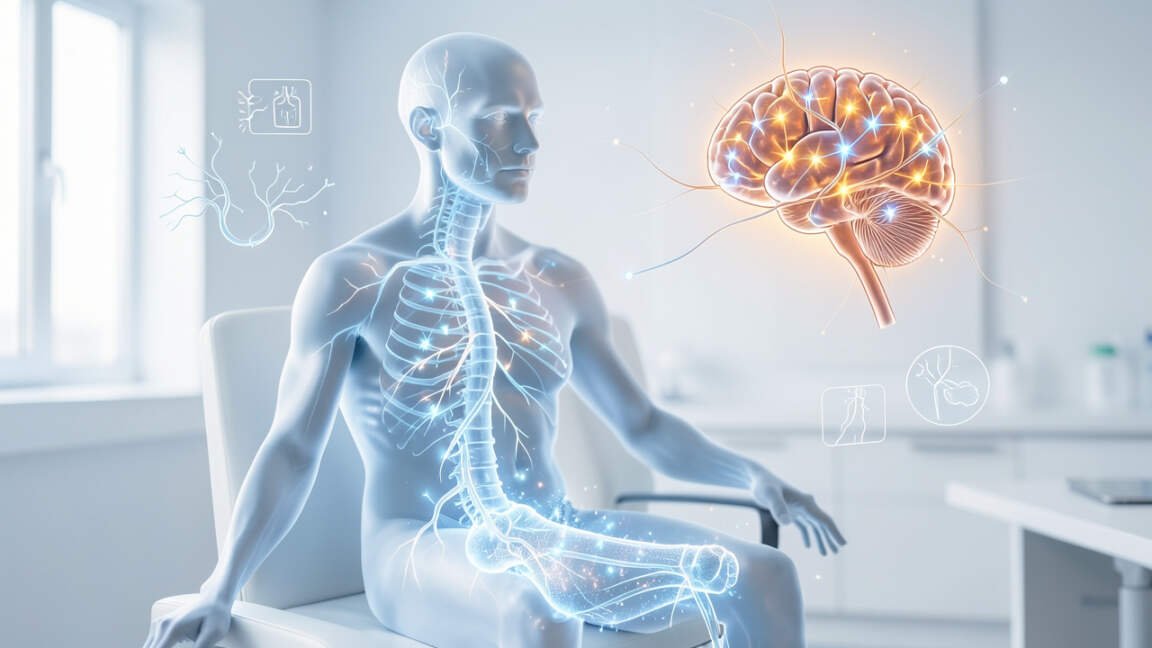
What Are Phantom Limb Sensations?
A phantom limb sensation is any feeling that appears to come from a body part that is no longer attached. After an amputation, many people report tingling, warmth, pressure, or even the sense that the limb is still moving. Others feel intense pain, cramps, or burning in the absent limb.
These sensations are so strong that patients may try to use the missing hand to pick up an object or step onto a missing foot. The experience is real, and it comes directly from the nervous system.
Key Differences: Phantom Sensation vs. Phantom Pain
- Phantom sensation: Non-painful feelings like touch, temperature, or movement in the missing limb.
- Phantom pain: Painful feelings such as burning, shooting, cramping, or aching in the absent limb.
- Stump pain: Pain located in the remaining part of the limb (the residual limb), often from nerve damage or scar tissue.
Doctors use these terms carefully because treatment differs for each one. Phantom pain is more complex and often needs a combination of therapies.
| Type | Sensation | Common Report |
|---|---|---|
| Phantom sensation | Tingling, warmth, pressure | “I feel my hand itching” |
| Phantom pain | Burning, shooting, cramping | “My foot feels like it’s on fire” |
| Stump pain | Tenderness, aching in residual limb | “The end of my arm hurts to touch” |
Understanding these categories helps you describe your experience accurately to a doctor. That clarity leads to better treatment choices and fewer frustrating trial-and-error attempts.
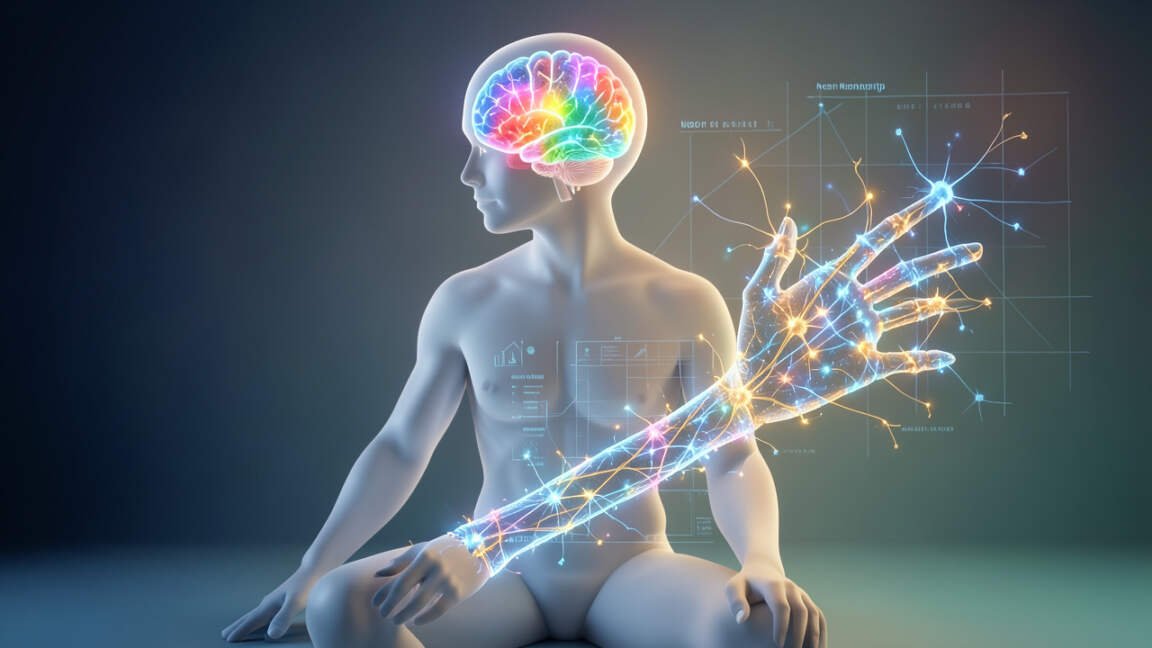
How Does the Brain Create Phantom Limb Sensations?
Your brain contains a detailed map of your body called the somatosensory cortex. This map links different body parts to specific regions of the brain. Even after amputation, the map does not immediately erase the missing limb.
The area that once signaled your hand or foot remains active.
When nerves near the amputation site are cut, they can form small bundles called neuromas. These neuromas fire spontaneously and send signals up the spinal cord to the brain. The brain, still expecting input from the missing limb, interprets these signals as coming from the absent part.
Three Main Theories Explain Phantom Limb Sensations
- Peripheral nerve theory: Damaged nerves in the residual limb send abnormal signals to the spinal cord and brain.
- Spinal cord theory: Changes in the spinal cord’s dorsal horn increase sensitivity and amplify signals from the stump.
- Neuromatrix theory: Proposed by Ronald Melzack, this theory says the brain has a built-in neural network that produces the experience of the body. Amputation does not remove this internal representation.
Tip: Think of the brain’s body map like a software program. Deleting a file from your computer does not remove every trace of that file. Similarly, losing a limb does not erase the sensory map of that limb.
Research also shows that adjacent areas of the brain’s map can expand into the “empty” region. This process, called cortical remapping, may explain why touching the face can make some amputees feel sensations in their missing hand. The face and hand are neighbors on the brain’s map.
Why Does Phantom Limb Pain Feel So Real?
Phantom limb pain feels real because the brain processes it with the same pathways used for actual pain. Functional brain scans show that when a patient feels phantom pain, the same regions light up as when a healthy person feels physical pain. The experience is not “in their head” in the dismissive sense; it is genuinely produced by the nervous system.
Several factors increase the intensity and frequency of phantom limb pain:
- Nerve damage: Injured nerves fire abnormally and become overly sensitive.
- Spinal cord changes: The dorsal horn becomes hyperactive and sends stronger pain signals.
- Central sensitization: The brain and spinal cord become more sensitive to all input.
- Emotional state: Stress, anxiety, and depression can amplify pain perception.
- Memory of pre-amputation pain: The brain may “remember” a painful condition from before surgery, like a painful ulcer or crushing injury.
Warning: Ignoring phantom limb pain is not recommended. Chronic pain can rewire the brain and become harder to treat over time. Seek medical help if your pain persists or worsens.
According to a study published in the journal Pain Medicine, about 80% of amputees experience phantom pain in the first year after amputation. The pain may come and go, but for many people it becomes a long-term condition that interferes with sleep, work, and quality of life.

What Are the Most Common Triggers for Phantom Limb Sensations?
Phantom limb sensations and pain are not constant. Many patients report that certain situations or actions trigger episodes. Identifying your personal triggers can help you avoid unnecessary discomfort and plan better treatment.
Common Triggers Reported by Amputees
- Touching the residual limb: Pressure on the stump can activate nerve endings that the brain interprets as signals from the missing part.
- Changes in weather: Barometric pressure shifts and cold temperatures often intensify phantom pain.
- Emotional stress: Anxiety and stress increase muscle tension and nerve sensitivity.
- Fatigue: Lack of sleep lowers pain tolerance and increases symptoms.
- Use of a prosthesis: Wearing a prosthetic limb can create a mismatch between visual and sensory feedback.
- Gazing at the missing limb area: Seeing nothing where a limb used to be can trigger the brain’s body map to “fill in” the gap.
| Trigger | Why It Happens | Management |
|---|---|---|
| Stump pressure | Activates cut nerve endings | Desensitization therapy, gentle massage |
| Cold weather | Constricts blood vessels, changes nerve firing | Keep the stump warm, use compression socks |
| Stress | Increases cortisol and adrenaline | Mindfulness, breathing exercises, therapy |
Keeping a symptom diary can reveal patterns you might otherwise miss. Write down what you were doing, how you felt, and what the weather was like when your phantom sensation appeared. This information is gold for your healthcare provider.
Who Experiences Phantom Limb Sensations?
Anyone who loses a body part can experience phantom limb sensations, regardless of age or reason for amputation. The condition is not limited to people who lose a limb in an accident or surgery. Patients with congenital limb absence (missing a limb from birth) can also report phantom sensations, although less frequently.
According to the Amputee Coalition, roughly 2 million people in the United States live with limb loss, and most experience some form of phantom sensation.
Groups Most Likely to Experience Phantom Limb Sensations
- Traumatic amputees: People who lose a limb in an accident, military combat, or injury.
- Surgical amputees: Patients who undergo amputation due to diabetes, vascular disease, or cancer.
- Spinal cord injury patients: Even when the spinal cord is severed, the brain can still produce vivid sensations of a paralyzed limb.
- People with nerve avulsion: When nerve roots tear away from the spinal cord, the brain receives no input and may create phantom feelings.
- Children born without a limb: About 15-20% of people with congenital limb absence report phantom sensations.
Important: Even people who lose a breast, an eye, or a tooth can experience phantom sensations. The brain’s body map is not limited to arms and legs.
The timing of phantom sensations varies. Some patients feel them immediately after waking from surgery. Others first notice them weeks or months later.
The frequency and intensity often decrease over time, but phantom limb pain can persist for years in some individuals.
How Is Phantom Limb Pain Treated?
Treating phantom limb pain requires a multidisciplinary approach. What works for one person may not work for another. Doctors often combine medications, physical therapy, and psychological support to address the many factors involved.
Effective Treatment Options
- Mirror therapy: Developed by V.S. Ramachandran, this technique uses a mirror to reflect the intact limb, tricking the brain into seeing the missing limb moving. This visual feedback helps reduce pain.
- Graded motor imagery: A step-by-step process that involves identifying left/right limb positions, mentally imagining movement, and then performing mirrored movements.
- Virtual reality therapy: VR environments allow patients to control a virtual limb moving in a natural way, providing visual and proprioceptive feedback that calms the brain.
- Medications: Antidepressants, anticonvulsants (like gabapentin), and nerve pain medications can reduce abnormal nerve firing.
- Transcutaneous electrical nerve stimulation (TENS): Small electrical impulses applied to the residual limb can interrupt pain signals.
- Spinal cord stimulation: An implanted device delivers mild electrical current to the spinal cord to mask pain signals.
- Surgical options: Nerve blocks, targeted muscle reinnervation, and dorsal root entry zone surgery are used for severe cases.
| Treatment | How It Helps | Success Rate |
|---|---|---|
| Mirror therapy | Visual feedback reduces pain | Up to 70% report improvement |
| Gabapentin | Reduces abnormal nerve firing | 30-50% decrease in pain |
| VR therapy | Provides immersive movement feedback | Promising early results |
Early treatment makes a big difference. The longer phantom pain continues, the more entrenched it becomes in the brain and spinal cord. If you notice persistent phantom pain, ask your doctor about referral to a pain specialist.
Tip: You can do mirror therapy at home. Place a mirror between your legs or arms so the intact limb is reflected in the missing limb’s position. Slowly move the intact limb while watching the reflection.
Can You Prevent Phantom Limb Pain After Amputation?
Complete prevention is not always possible, but strong evidence shows that controlling pain before and after surgery lowers the risk of developing severe phantom pain. Doctors now use preventive strategies to reduce the chance of long-term pain.
Proven Prevention Strategies
- Pre-surgical pain control: If you are in severe pain before amputation, managing it reduces sensitization of the nervous system.
- Epidural anesthesia: Some surgical teams use epidural catheters to numb the area for days before and after surgery.
- Perioperative nerve blocks: Regional anesthesia during surgery can prevent the spinal cord from becoming hyperactive.
- Early mirror therapy: Starting mirrored movement exercises as soon as possible after surgery can help the brain adapt.
- Prosthetic fitting: Early prosthetic use provides normal sensory feedback and improves body awareness.
- Psychological support: Addressing anxiety and depression before and after surgery reduces stress-related pain amplification.
A study in The Lancet found that patients who received regional anesthesia had lower rates of phantom pain 12 months after amputation. However, results vary, and no single method guarantees prevention.
Warning: If you are scheduled for amputation surgery, have a frank conversation with your surgeon and anesthesiologist about preemptive pain management. Advocacy for your own pain care matters.
The best prevention starts weeks before surgery. Work with a pain team to create a comprehensive plan that includes pre-surgical medication, regional anesthesia, and a post-surgical rehabilitation schedule.
Common Myths About Phantom Limb Sensations
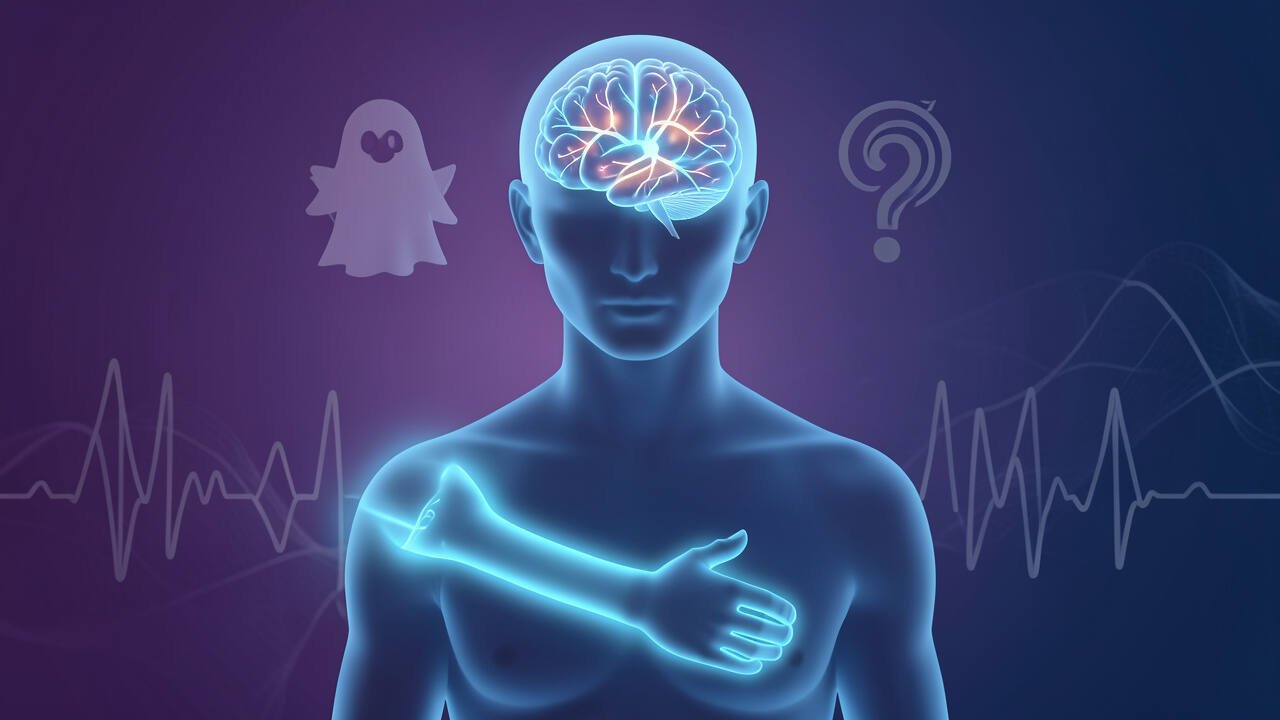
Many misconceptions surround phantom limb sensations. Some people assume the experience is imaginary or that nothing can be done. Let’s clear up these myths with facts.
| Myth | Fact |
|---|---|
| “It’s all in your head.” | Brain imaging shows real activity in pain and sensory regions. |
| “It goes away quickly.” | Phantom pain can last for months or years without treatment. |
| “Amputation cures pain.” | The original pain condition may be gone, but the brain can create new pain. |
| “Only amputees experience it.” | Spinal cord injury and nerve damage patients also experience phantom sensations. |
| “Nothing can help.” | Mirror therapy, medication, and neuromodulation are effective for many. |
The most dangerous myth is that phantom pain is somehow less real than physical pain. This belief prevents people from seeking treatment. Pain is pain, no matter where it seems to originate.
You deserve compassionate and effective care.
Frequently Asked Questions
Why do amputees still feel their limb?
Amputees feel their limb because the brain’s body map remains intact after amputation. Cut nerves, spinal cord changes, and cortical remapping all contribute to the persistence of this body representation.
Does phantom limb pain ever go away completely?
For some people, phantom pain fades over time. For others, it becomes a long-term condition. Early treatment, including mirror therapy and medication, improves the chances of long-term relief.
Can phantom limb sensation happen without an amputation?
Yes. People with spinal cord injuries, nerve avulsion, or traumatic brain injury can experience phantom sensations. Even people with congenital limb absence may report them.
Is mirror therapy scientifically proven?
Yes. Multiple clinical trials show mirror therapy reduces phantom limb pain in many patients. The technique relies on visual feedback to “trick” the brain into seeing the missing limb move naturally.
What is the best medication for phantom limb pain?
Gabapentin and amitriptyline are often prescribed as first-line medications. Your doctor may adjust the dose or combine them with other treatments. No single drug works for everyone.
Final Thoughts
Phantom limb sensations teach us that the body’s sense of itself lives in the brain, not just in the physical tissue. Understanding why people feel a limb that is no longer there helps reduce fear and stigma around this experience. If you or someone you love deals with phantom limb pain, seek out a pain specialist and try proven therapies like mirror therapy and graded motor imagery.
Relief is possible, and you do not have to face it alone.