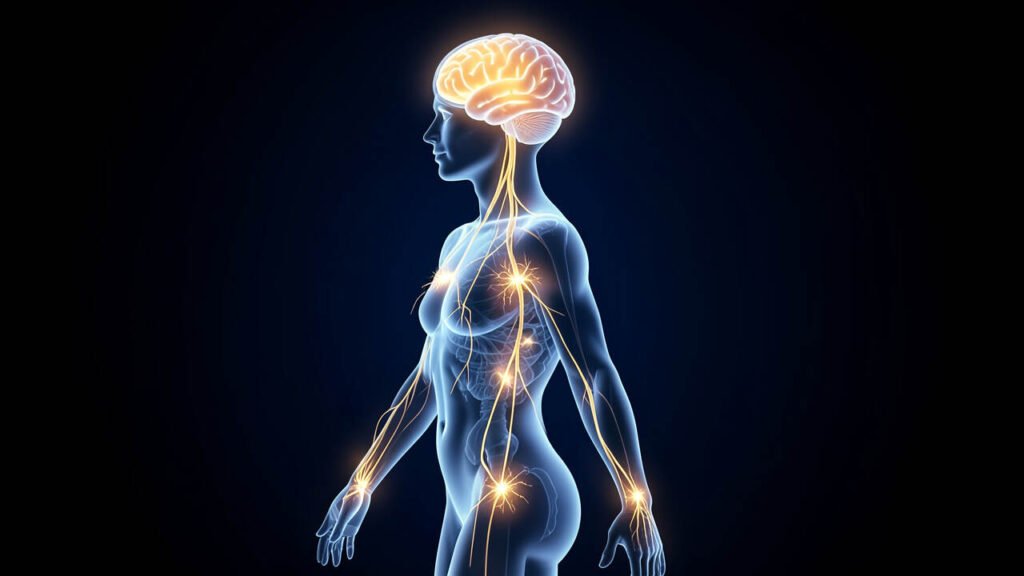
The brain creates a mental map of your body by integrating signals from touch, proprioception, and balance into a dynamic representation primarily processed within the somatosensory cortex. This topographical map, visualized as a cortical homunculus, allocates neural space based on sensory sensitivity rather than anatomical size. The map's inherent neuroplasticity means it continuously reshapes with use, allowing it to expand with practice and reorganize after injury, which is why maintaining active movement is crucial for its accuracy.
How does the brain create a mental map of your body is a question that connects neuroscience, movement, and everyday life. Your brain builds a constantly updating picture of your limbs, skin, and joints so you can move smoothly without looking. This post explains the brain regions involved, the step-by-step signal pathway, and how you can keep your body map sharp.
Simply put, the brain combines touch, pressure, joint position, and balance signals into a topographical map in the cortex. Sensory input lands in the somatosensory cortex, while the motor cortex turns that map into action. Neuroplasticity reshapes the map constantly as you practice, age, heal, or adapt.
Key Takeaways
- The brain’s mental map of your body blends touch, joint, and muscle signals processed mainly in the somatosensory cortex.
- The cortical homunculus shows that brain space follows sensitivity, not body size, which is why your hands and lips take up huge areas.
- Your mental body map is plastic. It expands with practice, shrinks with disuse, and reorganizes after injury.
- Proprioception, the sense of body position, updates your map every fraction of a second during movement.
- Phantom limb sensations prove that your body map can outlive a physical body part.