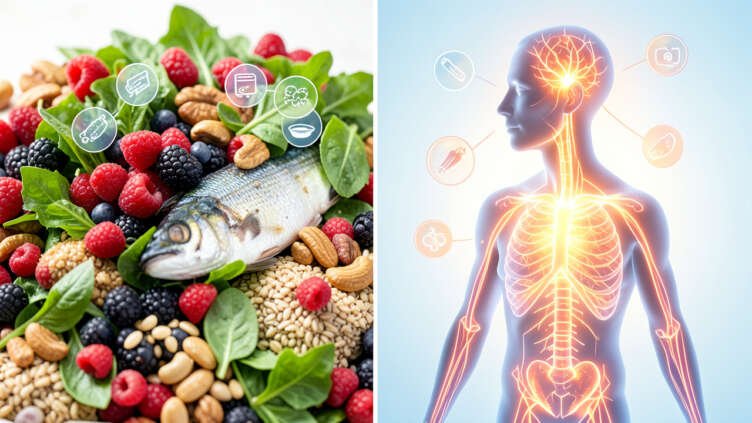
Nutrients are essential chemical compounds from food and water that the human body requires for energy production, tissue repair, immune defense, and all metabolic processes. The body depends on a consistent supply of six nutrient classes—carbohydrates, proteins, fats, vitamins, minerals, and water—to maintain health and prevent disease. A varied diet focused on whole, minimally processed foods is the most reliable way to obtain these essential substances daily.
Nutrients are the chemical compounds in food that your body requires for energy, growth, repair, and survival. Your body depends on them for every process it runs, from your heartbeat to your memory. This guide explains what nutrients are, why your body needs them, and how to get enough each day.
Simply put, nutrients are the essential substances your body gets from food and water to produce energy, build tissue, and regulate every internal process. Missing any nutrient class can disrupt normal function and raise your risk of disease. A varied diet with whole foods is the most reliable way to cover all six classes day after day.
Key Takeaways
- Nutrients fall into six essential classes: carbohydrates, proteins, fats, vitamins, minerals, and water.
- Your body relies on nutrients for energy production, tissue repair, immune defense, and countless metabolic processes.
- Whole, minimally processed foods deliver far more nutrients per calorie than processed alternatives.
- Deficiencies build up over time, so consistent daily intake matters more than occasional healthy meals.
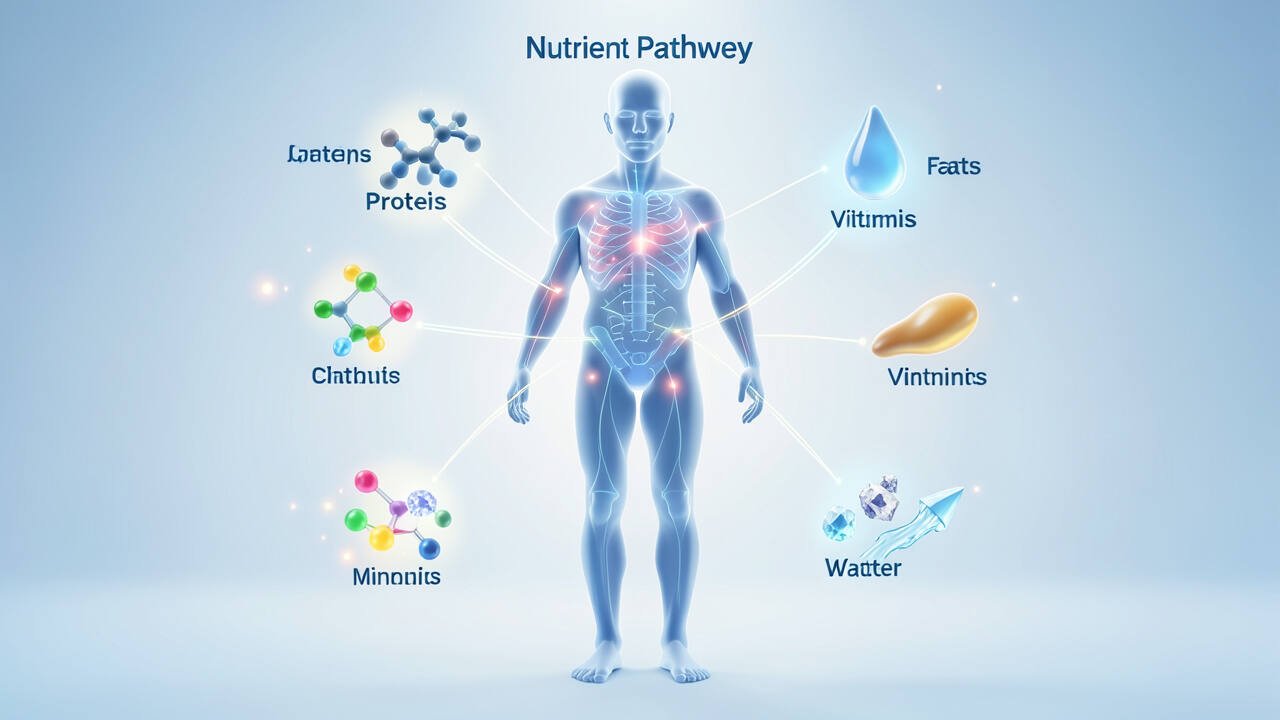
What Are Nutrients?
The simplest definition of nutrients: they are essential compounds your body uses to live and grow. Your body cannot create most of them on its own, so you must get them from food and water. When nutrition experts talk about a “balanced diet,” they mean a diet that delivers all six nutrient classes in proper amounts.
Every food you eat contains a mix of nutrients. A single apple, for example, provides carbohydrates for quick energy, vitamin C for immune support, potassium for nerve signaling, fiber for digestion, and water for hydration. No single food delivers every nutrient in ideal amounts, which is why variety across meals matters so much.
- Essential nutrients are ones your body cannot make at all or cannot produce in sufficient amounts.
- There are exactly six recognized nutrient classes: carbohydrates, proteins, fats, vitamins, minerals, and water.
- Each class has a distinct job, but all classes work together inside your cells.
- “Junk food” provides calories without meaningful nutrient value, which is why it is often called “empty calories.”
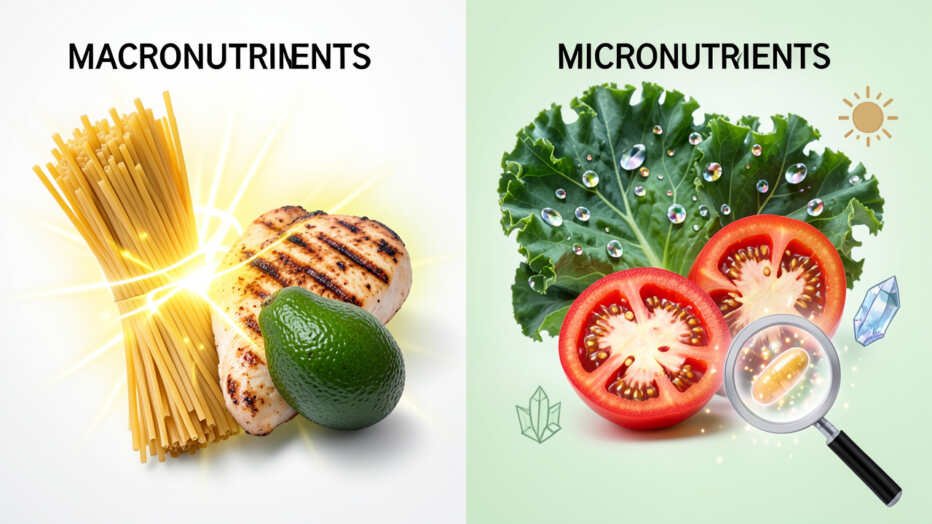
Nutrients split into two broad categories. Macronutrients are required in large amounts and supply calories. Micronutrients are required in trace amounts but support dozens of chemical reactions.
You will see that distinction in detail later, but keep it in mind as you read on.
According to the World Health Organization (WHO), well-nourished populations experience fewer infections, less chronic disease, and healthier growth. Proper nutrient intake is so vital that WHO calls it a basic pillar of public health.
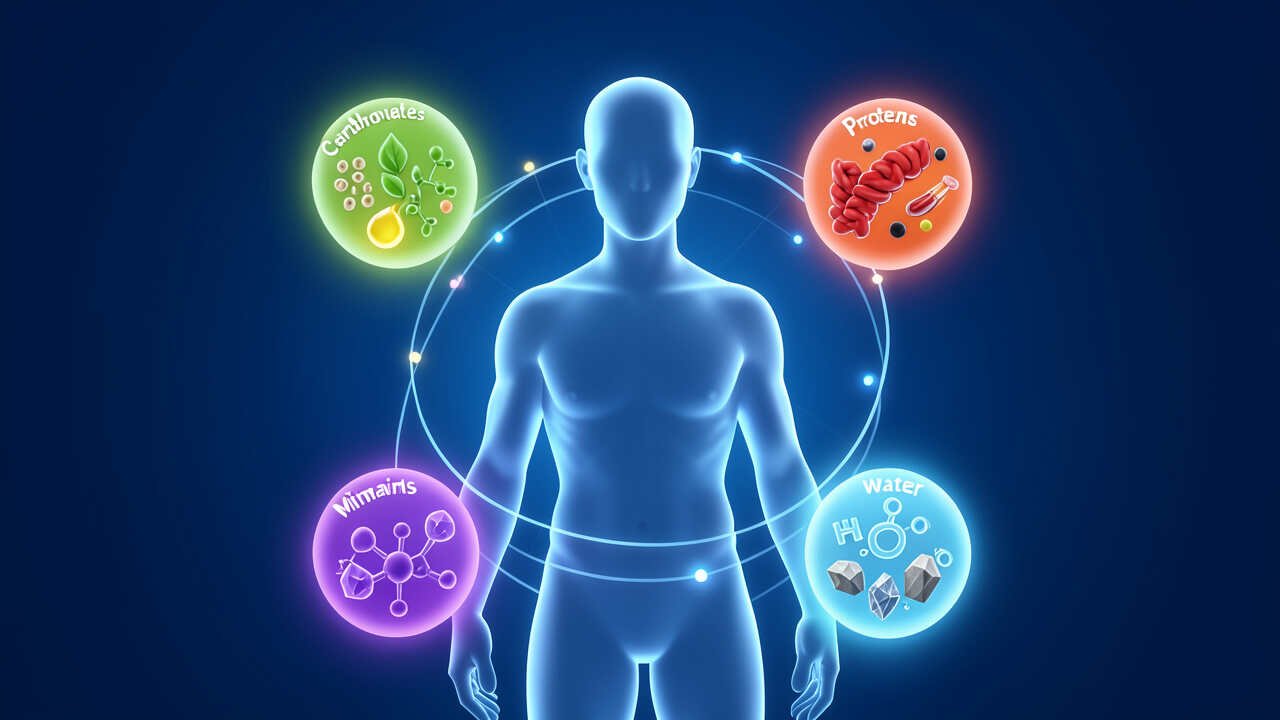
What Are the Six Essential Nutrient Classes?
Each of the six nutrient classes has a unique role. Learning them helps you understand why certain foods matter and what happens when one class is missing from your diet.
| Nutrient Class | Main Job | Top Food Sources |
|---|---|---|
| Carbohydrates | Primary fuel for the brain and muscles | Whole grains, fruits, legumes, vegetables |
| Proteins | Builds muscle, enzymes, hormones, and immune cells | Eggs, chicken, fish, beans, tofu, yogurt |
| Fats | Concentrated energy, cell structure, hormone production | Olive oil, nuts, seeds, avocado, fatty fish |
| Vitamins | Regulate reactions, support immunity and vision | Fruits, vegetables, dairy, eggs, liver |
| Minerals | Bone structure, nerve signaling, fluid balance | Leafy greens, dairy, nuts, seafood, iodized salt |
| Water | Transports nutrients, removes waste, regulates temperature | Water, fruits, vegetables, soups, tea |
This table only scratches the surface. Protein does far more than build muscle: it forms antibodies that fight infection, enzymes that speed up digestion, and the hemoglobin that carries oxygen. Fats are not just stored energy.
They insulate organs, protect brain cells, and help your body absorb vitamins A, D, E, and K.
The calorie numbers also differ between classes. Carbohydrates and protein each provide 4 calories per gram, while fat provides 9 calories per gram. Water contains zero calories but carries all the others through your bloodstream.
That is why hydration is the first place to look when energy levels drop.
A practical way to remember the six classes is with the phrase “CPFVMW”: carbohydrates, proteins, fats, vitamins, minerals, and water. If a food label or meal plan covers all six over a day, your nutrient foundation is solid.
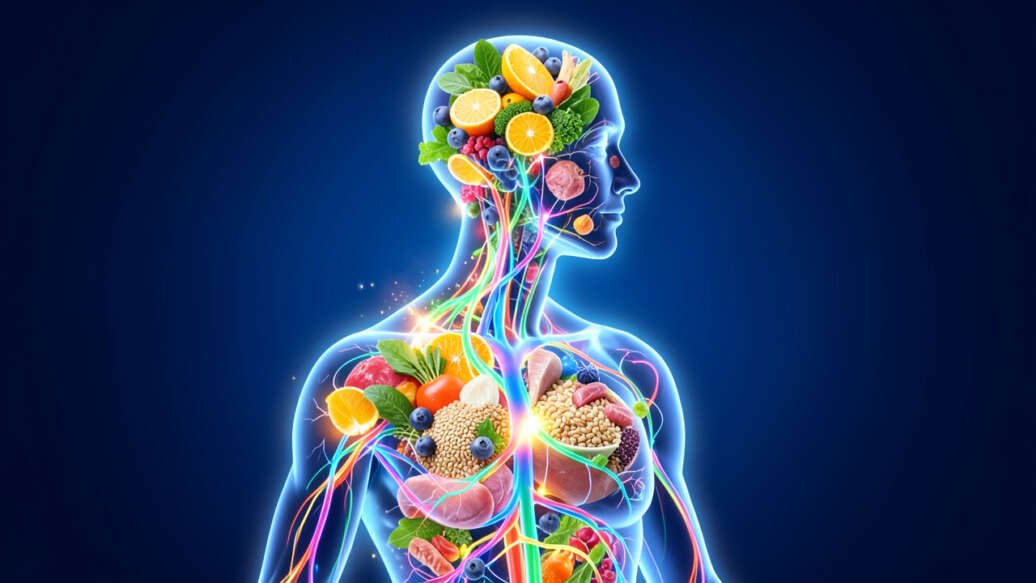
Why Does the Human Body Need Nutrients?
Your body runs on nutrients around the clock. Even while you sleep, your heart pumps blood, your lungs exchange oxygen, and your liver filters waste. Every one of those tasks requires nutrient input from food you ate hours or days ago.
Here are the five core reasons your body depends on nutrients:
- Energy production: Carbohydrates and fats are the main fuels. Your cells convert them into ATP, the energy currency that powers muscle contraction, digestion, and brain activity. The brain alone consumes about 20% of your daily energy.
- Growth and tissue repair: Protein supplies amino acids that rebuild muscle, skin, hair, and internal organs after everyday wear and tear. Children and pregnant women need even more for creating new tissue.
- Immune defense: Vitamins A, C, D, zinc, and protein all support immune cells that fight bacteria and viruses. A nutrient-poor diet leaves the immune system understaffed.
- Chemical balance: Minerals like sodium, potassium, and calcium regulate nerve signals, muscle contractions, and hydration levels. Even a slight imbalance can cause cramps, confusion, or an irregular heartbeat.
- Brain function: Glucose, B vitamins, and omega-3 fats keep your memory, mood, and focus sharp. Diets rich in whole foods are consistently linked to a lower risk of depression and cognitive decline.
The stakes are high. Researchers at Harvard’s T.H. Chan School of Public Health estimate that poor diet quality contributes to more early deaths globally than smoking.
That single statistic reframes nutrition from a vanity topic to a serious health priority.
Nutrients also work in teams. Vitamin D helps your gut absorb calcium, and iron needs vitamin C to move into your bloodstream. Eating a mix of foods each meal lets these partnerships form naturally.
How Does the Body Absorb and Use Nutrients?
The process of turning food into usable nutrients is called digestion. It starts before you take a bite. Smelling food triggers saliva production, and your teeth mechanically break food into smaller pieces.
Follow the journey of a meal through your body:
- Mouth: Chewing mixes food with saliva, which contains amylase, an enzyme that starts carbohydrate breakdown.
- Stomach: Stomach acid and pepsin break proteins into smaller peptides. The mixture becomes a semi-liquid called chyme.
- Small intestine: Bile from the gallbladder and enzymes from the pancreas finish the job, splitting fats, carbs, and proteins into absorbable units.
- Absorption: Millions of tiny villi lining the small intestine pull nutrients into your bloodstream.
- Liver: The liver processes absorbed nutrients, stores some for later, and sends others directly to tissues that need them.
- Cells: Individual cells take up nutrients through their membranes and use them in metabolic reactions to create energy or new structures.
Some nutrients need special handling. Fat-soluble vitamins travel with fats and require bile for absorption, so eating them alongside fat improves uptake. Most water-soluble vitamins are absorbed directly, and the surplus is excreted in urine, which means your body needs a steady supply.
Tip: Add a drizzle of olive oil to salads or roasted vegetables. The fat helps your body absorb vitamins A, D, E, and K far better than eating them dry.
Digestive health directly controls absorption. Conditions like celiac disease, Crohn’s disease, or low stomach acid can block nutrient uptake even when your diet is excellent. The Academy of Nutrition and Dietetics notes that people with digestive disorders often need tailored nutrition support to prevent deficiencies.
Macronutrients vs. Micronutrients: What’s the Difference?
Any conversation about nutrients eventually splits into two camps: macronutrients and micronutrients. The split comes down to the amount your body needs, not the importance of each group.
| Feature | Macronutrients | Micronutrients |
|---|---|---|
| Amount needed | Grams per day | Milligrams or micrograms per day |
| Provides energy | Yes, 4-9 calories per gram | No calories |
| Types | Carbohydrates, protein, fat | Vitamins, minerals |
| Main role | Energy, structure, insulation | Regulation, immunity, enzyme function |
| Example foods | Oatmeal, chicken, olive oil | Spinach, citrus, seafood, dairy |
People often assume micronutrients matter less because you need so few. In reality, iodine is measured in micrograms, yet a deficiency can cause a goiter and permanent cognitive impairment. The scale of need is not a scale of significance.
There is also a practical difference for meal planning. Build meals around macronutrients first: pick a protein, a starch, and a fat. Then check whether micronutrients are covered across the day by adding colorful produce and a dairy or plant-based dairy alternative.
Tracking apps can help, but you do not need to obsess over numbers. A single day of eating a variety of fruits, vegetables, whole grains, and lean proteins usually covers micronutrient needs without a calculator.
What Happens When You Don’t Get Enough Nutrients?
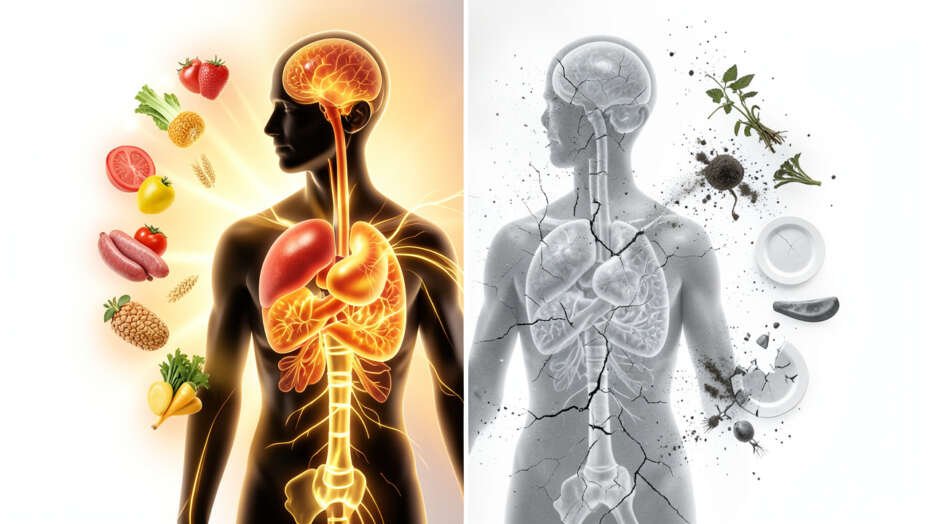
Nutrient deficiency rarely happens overnight. It develops gradually as your body uses its stores and eventually runs out. Early signs are subtle: fatigue, headaches, brittle nails, and mood changes, all easy to blame on stress.
| Nutrient | Deficiency Signs | Food Fix |
|---|---|---|
| Iron | Fatigue, pale skin, shortness of breath | Red meat, lentils, spinach |
| Vitamin D | Bone aches, low mood, frequent illness | Fatty fish, egg yolks, sun exposure |
| Vitamin B12 | Tingling, memory issues, weakness | Eggs, dairy, fish, fortified foods |
| Calcium | Muscle cramps, brittle nails, osteoporosis risk | Dairy, fortified tofu, leafy greens |
| Vitamin C | Slow healing, bleeding gums, tiredness | Citrus, peppers, broccoli |
| Iodine | Fatigue, weight gain, swollen neck | Iodized salt, seafood, seaweed |
According to the WHO, over two billion people worldwide face micronutrient deficiency, a problem often called “hidden hunger.” The food looks filling, but it lacks critical nutrients, which leads to stunted growth, poor immunity, and cognitive delays in affected populations.
Severe deficiencies have classic disease names: scurvy from lack of vitamin C, rickets from vitamin D, and beriberi from thiamine. These are rare in developed countries now, but subclinical deficiencies, where blood levels run low without full-blown disease, remain widespread.
Warning: If you deal with persistent fatigue, unusual skin changes, or constant infections, do not assume it is just stress. Talk to a healthcare provider and ask about a basic nutrient blood panel.
How to Get the Right Nutrients From Food
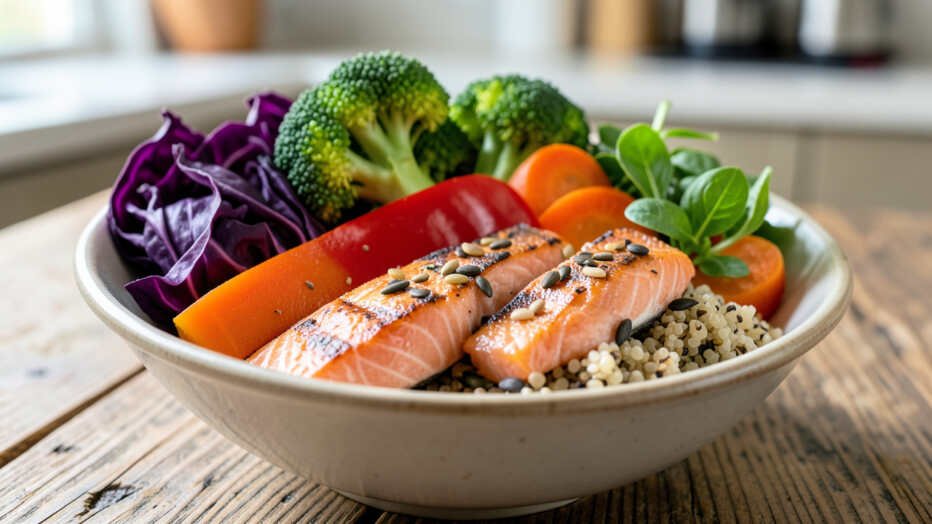
You do not need expensive supplements or complicated meal plans to hit your nutrient targets. The key is eating a wide variety of whole foods in the right proportions, consistently.
The USDA’s MyPlate model gives a simple visual: make half your plate fruits and vegetables, one quarter lean protein, and one quarter whole grains, with a serving of dairy on the side.
Seven habits move the needle faster than any single superfood:
- Eat 5 to 9 servings of fruits and vegetables daily, and vary the colors to get different vitamins and plant compounds.
- Choose whole grains like oats, brown rice, and quinoa instead of refined white versions.
- Include protein at every meal: eggs at breakfast, beans at lunch, fish or chicken at dinner.
- Add healthy fats such as olive oil, nuts, seeds, and avocado to meals and snacks.
- Limit ultra-processed foods, which replace real nutrients with additives, sugar, and refined oils.
- Make water your primary drink, aiming for about 8 cups per day, more when you exercise.
- Eat the rainbow: red peppers, orange carrots, leafy greens, blueberries, and purple cabbage each carry unique micronutrients.
The numbers back this up. The CDC reports that only about 12% of U.S. adults meet fruit intake recommendations and just 10% meet vegetable recommendations.
Most people are not overthinking nutrition, they are simply under-eating whole plant foods.
Important: Food comes first. Supplements can fill specific gaps, but they do not replace the fiber, antioxidants, and synergy found in real foods. The FDA does not evaluate supplements for safety or effectiveness the way it does with drugs, so choose third-party tested brands when you do supplement.
Tip: Batch-cook grains, roasted vegetables, and a protein source on Sunday. Build quick bowls during the week, and you cover most nutrient needs with zero decision fatigue.
Who Needs Extra Nutrients?
Nutrient needs are not static. They shift across your lifetime and with different health situations. Certain groups consistently require more of specific nutrients than the general recommendations.
Pay special attention if you fit any of these categories:
- Children and teens: Growth spurts demand extra protein, calcium, vitamin D, and iron for bone and muscle development.
- Pregnant and breastfeeding women: Folate, iron, and DHA increase significantly to support fetal development and milk production.
- Athletes: High training volume raises the need for carbohydrates, protein, and electrolytes like sodium and potassium.
- Adults over 60: Reduced absorption, medication interactions, and lower appetite increase the risk of B12, vitamin D, and protein deficiency.
- People on restrictive diets: Vegetarians and vegans may lack B12, iron, zinc, and calcium. Low-carb dieters often miss fiber and B vitamins.
If you belong to one of these groups, a registered dietitian can spot gaps before they become real health problems. A quick blood test can confirm which nutrients are actually low rather than guessing based on symptoms.
The Dietary Guidelines for Americans highlight that needs change across life stages. What worked in your twenties does not necessarily apply in your sixties, so revisit your diet every few years or after major life changes.
One more group deserves a mention: people on weight-loss medications or very low-calorie diets. Rapid weight loss can pull vitamins and minerals out of balance, so short-term multivitamin support is often recommended by medical professionals.
Frequently Asked Questions
What are nutrients?
Nutrients are chemical compounds in food that your body needs to survive and function. They include carbohydrates, proteins, fats, vitamins, minerals, and water, and each one supports specific jobs like energy production, tissue repair, and immune defense.
What are the six types of nutrients?
The six essential nutrient classes are carbohydrates, proteins, fats, vitamins, minerals, and water. Carbohydrates, proteins, and fats are macronutrients that provide energy and structure, while vitamins and minerals are micronutrients that regulate body processes. Water supports every chemical reaction in the body.
Why does the human body need nutrients every day?
Your body constantly uses nutrients to make energy, rebuild cells, fight infections, and keep organs running. Since your body cannot store most nutrients in large amounts, regular daily intake from food is required to maintain normal function and prevent slow-developing deficiencies.
What is the difference between macronutrients and micronutrients?
Macronutrients are needed in large amounts and include carbohydrates, protein, and fat, which supply calories and structural materials. Micronutrients, meaning vitamins and minerals, are needed in tiny amounts but are essential for chemical reactions