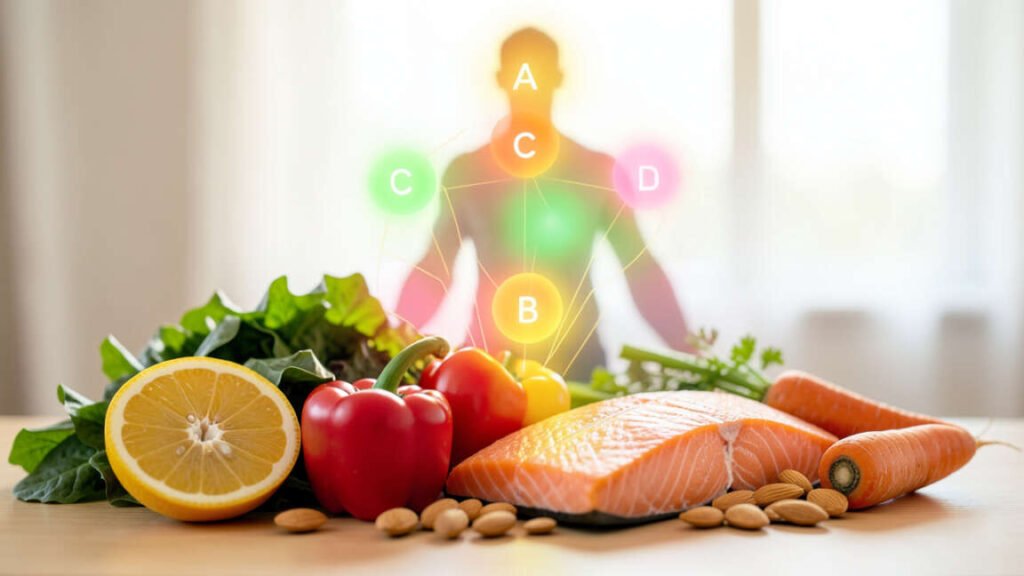
Vitamins are essential organic nutrients that the body requires in small amounts to perform critical functions like energy production, immune defense, and cell repair. The body needs these nutrients because it cannot synthesize most of them in sufficient quantities, making dietary intake crucial for health and preventing deficiency-related diseases. The most reliable way to meet these needs is through a varied diet rich in whole foods like fruits, vegetables, and lean proteins.
What vitamins are and why the body needs them is one of the most important questions in nutrition science. Vitamins drive energy production, immune defense, and cell repair, yet many people still fall short on these essential nutrients. This post explains how vitamins work, where to find them, and how to avoid common deficiencies.
Simply put, vitamins are organic compounds that your body requires in small amounts to function correctly. They do not provide calories, but they unlock the energy in food, support immunity, and keep your eyes, skin, bones, and blood healthy. A balanced diet gives most people enough vitamins without supplements.
Key Takeaways
- Vitamins are essential organic nutrients your body cannot produce in sufficient amounts on its own.
- Your body needs vitamins for energy metabolism, immune function, and tissue repair.
- There are 13 essential vitamins, split into fat-soluble and water-soluble groups.
- Eating a varied diet with whole foods is the most reliable way to meet vitamin needs.
- Supplements help only when there is a diagnosed deficiency or an increased need.
What Are Vitamins and Why Does the Body Need Them?
Vitamins are organic compounds that your body needs in small amounts to stay alive and well. Unlike carbohydrates, proteins, and fats, vitamins do not supply energy directly. Instead, they help convert food into usable energy, maintain eyesight, protect cells from damage, and support normal growth and development.
There are 13 essential vitamins, and each one performs a specific role. These nutrients fall into two categories: fat-soluble and water-soluble. Your body handles these groups differently, which changes how you should consume them.
| Vitamin | Main Role | Type |
|---|---|---|
| Vitamin A | Vision, immunity, skin health | Fat-soluble |
| Vitamin C | Collagen formation, antioxidant | Water-soluble |
| Vitamin D | Bone health, calcium absorption | Fat-soluble |
| Vitamin E | Antioxidant, cell protection | Fat-soluble |
| Vitamin K | Blood clotting, bone metabolism | Fat-soluble |
| Vitamin B1 (Thiamine) | Energy metabolism, nerve function | Water-soluble |
| Vitamin B2 (Riboflavin) | Energy production, skin health | Water-soluble |
| Vitamin B3 (Niacin) | DNA repair, cholesterol regulation | Water-soluble |
| Vitamin B5 (Pantothenic Acid) | Fatty acid synthesis, energy | Water-soluble |
| Vitamin B6 | Amino acid metabolism, brain health | Water-soluble |
| Vitamin B7 (Biotin) | Hair, skin, and nail health | Water-soluble |
| Vitamin B9 (Folate) | Cell division, red blood cells | Water-soluble |
| Vitamin B12 | Nerve health, DNA synthesis | Water-soluble |
According to the World Health Organization, more than 2 billion people worldwide live with micronutrient deficiencies. That means a shocking number of people are not getting enough vitamins and minerals from their daily diet.
- Vitamins do not give you energy directly, but they help release energy from food.
- Your body only makes small amounts of vitamin D and vitamin K, so food and sunlight matter.
- Heat, light, and water can destroy certain vitamins during cooking and storage.
- Eating a wide variety of colorful foods is the simplest way to cover all 13 vitamins.
Why Does the Body Need Vitamins?
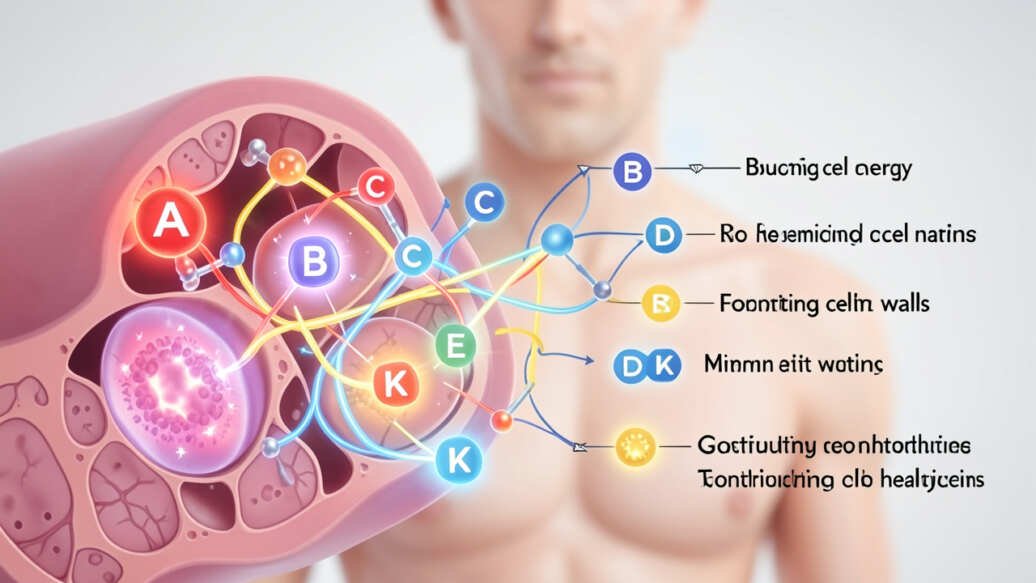
Your body needs vitamins to keep nearly every system running. Without these compounds, enzymes fail to trigger chemical reactions, and cells cannot complete normal functions. Even a mild shortage can cause fatigue, poor immunity, and slow healing.
Vitamins act as helpers in metabolic pathways, hormone production, and antioxidant defense. Each vitamin works in a different tissue, but together they form a coordinated network that keeps your heart, brain, bones, and skin healthy.
- Energy metabolism: B vitamins convert carbohydrates, fats, and protein into ATP.
- Immune function: Vitamins A, C, and D support white blood cell activity.
- Bone health: Vitamin D controls calcium absorption, while vitamin K activates bone proteins.
- Blood clotting: Vitamin K is essential for producing clotting factors.
- Eye health: Vitamin A protects the cornea and enables night vision.
- Brain and nerve function: Vitamin B12 and B6 produce neurotransmitters.
- Antioxidant protection: Vitamins C and E neutralize free radicals that damage cells.
The National Institutes of Health reports that nearly one billion people worldwide have low vitamin D levels. This nutrient is unique because your skin makes it from sunlight, yet many people still do not produce enough due to indoor lifestyles and sunscreen use.
Here are the five most critical processes that rely on vitamins every single day:
- Converting food into cellular energy through B vitamins.
- Repairing damaged DNA to prevent mutations.
- Sending immune signals that help fight infections.
- Regulating calcium levels for muscle and nerve function.
- Producing serotonin to stabilize mood and sleep.
Fat-Soluble vs. Water-Soluble Vitamins
Understanding the difference between fat-soluble and water-soluble vitamins helps you plan your meals and avoid toxicity. Fat-soluble vitamins dissolve in dietary fat and can be stored for weeks or months. Water-soluble vitamins dissolve in water and need more frequent replacement.
| Feature | Fat-Soluble | Water-Soluble |
|---|---|---|
| Vitamins Included | A, D, E, K | B complex, C |
| Storage | Stored in liver and fat | Limited storage, mostly in tissue |
| Absorption | Needs bile and dietary fat | Directly into blood |
| Excretion | Slow, through bile | Fast, through urine |
| Toxicity Risk | High with megadoses | Low, but possible with isolated forms |
Fat-soluble vitamins stay in your system longer, so your diet every few days matters. Water-soluble vitamins are used up quickly, which is why regular intake matters most.
- Eat fat-soluble vitamins with healthy fat sources like olive oil, avocado, or nuts.
- Steam rather than boil vegetables to preserve water-soluble vitamins.
- Store fresh produce away from heat and bright light to limit nutrient loss.
- Check fortified foods, but do not rely on them entirely.
Important: Never take high doses of fat-soluble vitamins without medical supervision. Vitamin A and vitamin D toxicity can cause serious liver and bone damage.
How Does the Body Absorb Vitamins?
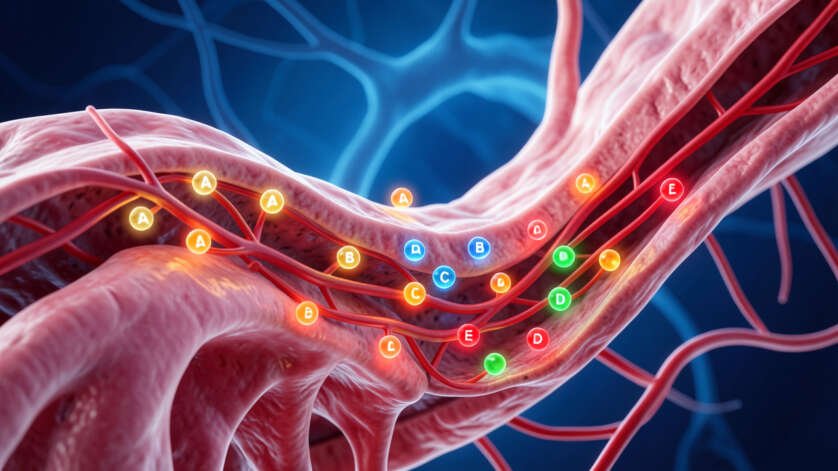
Absorption starts in your mouth and continues through your gut. Most vitamins enter your bloodstream through the small intestine, but fat-soluble vitamins depend on bile and dietary fat. Water-soluble vitamins pass directly into the blood and travel to cells that need them.
Your digestive system is built to handle vitamins from whole foods, but certain conditions can interfere. Gut inflammation, low stomach acid, and surgery can all reduce absorption. Here is how the process usually works:
- Food is broken down in your stomach and small intestine.
- Pancreatic enzymes release vitamins from the food matrix.
- Bile salts help emulsify fat-soluble vitamins into micelles.
- Water-soluble vitamins move straight into blood capillaries.
- Fat-soluble vitamins enter the lymphatic system first, then the bloodstream.
- Transport proteins carry vitamins to organs, muscles, and tissues.
- Your liver stores surplus fat-soluble vitamins for future use.
Several factors can make or break vitamin absorption:
- Gut health: Conditions like celiac disease and Crohn’s disease reduce absorption.
- Medications: Some antibiotics and antacids can block vitamin uptake.
- Cooking methods: Boiling vegetables leaches B vitamins and vitamin C into water.
- Alcohol: Heavy drinking interferes with B1, B6, and folate absorption.
- Food pairing: Fat helps absorb vitamins A, D, E, and K; vitamin C boosts iron absorption.
Tip: If you take vitamins with meals, you improve absorption and reduce stomach upset. Water-soluble vitamins are fine on an empty stomach, but fat-soluble versions need food.
What Happens When You Lack Vitamins?
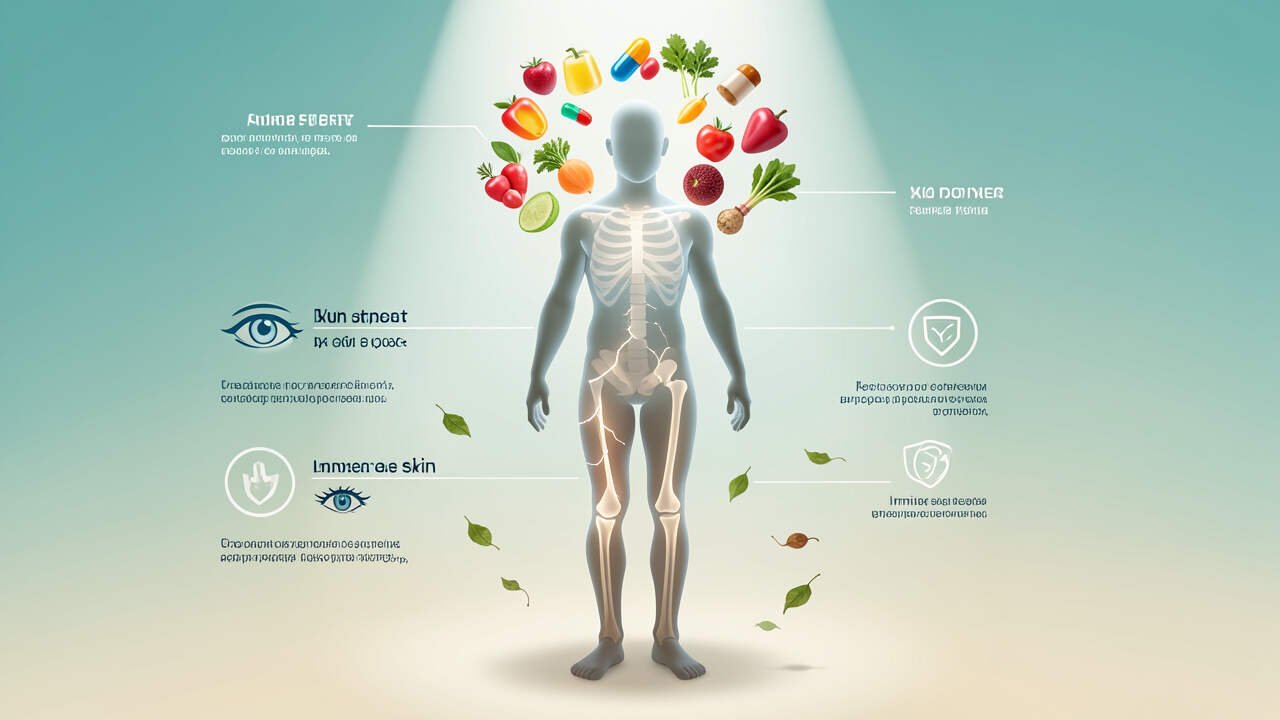
Vitamin deficiency develops gradually. Early signs are often vague, like fatigue, irritated skin, or poor concentration. Over time, long-term shortages cause specific diseases such as scurvy, rickets, pellagra, and beriberi.
Different vitamins produce different warning signs. Recognizing these signals early can help you fix your diet before serious damage occurs.
| Deficiency | Common Symptoms | At-Risk Groups |
|---|---|---|
| Vitamin A | Night blindness, dry eyes | Children in developing countries |
| Vitamin C | Bleeding gums, slow healing | Smokers, people with poor diets |
| Vitamin D | Bone pain, muscle weakness | Older adults, indoor workers |
| B12 | Numbness, memory issues | Vegans, older adults |
| Folate | Anemia, birth defects | Pregnant women |
According to the CDC, only 1 in 10 Americans eats enough fruits and vegetables, which is a major reason behind low vitamin intake. Common hidden signs of deficiency include:
- Brittle nails and hair thinning
- Mouth ulcers and cracked lips
- Poor night vision or frequent eye irritation
- Bleeding gums when brushing
- Unexplained leg cramps
- White spots on nails or red raised bumps on skin
Warning: If you suspect a serious deficiency, see a doctor before taking mega-dose supplements. A simple blood test can show exactly what you are missing.
How to Get Enough Vitamins From Food
A colorful and varied diet covers most vitamin needs. Whole foods contain natural combinations of vitamins and plant compounds that improve absorption. Supplements cannot fully replace the complexity of real food.
Focus on building plates around whole grains, lean protein, dairy, fruits, and vegetables. Even small swaps, like choosing a handful of almonds over chips, add meaningful vitamin E and B2 to your day.
- Citrus fruits and peppers: vitamin C
- Leafy greens: vitamin K and folate
- Egg yolks and fatty fish: vitamin D
- Nuts and vegetable oils: vitamin E
- Whole grains and legumes: B vitamins
- Liver and dairy: vitamin A and B12
Here is a quick list of practical steps to boost your vitamin intake:
- Eat at least five servings of fruits and vegetables every day.
- Pair iron-rich food with vitamin C sources like lemon juice or berries.
- Add a small amount of healthy fat to salads to absorb fat-soluble vitamins.
- Steam or roast vegetables instead of boiling them.
- Use fortified foods only when you cannot meet needs through diet alone.
Tip: Keep frozen fruits and vegetables on hand. Frozen produce is picked at peak ripeness and can hold nutrients just as well as fresh, sometimes even better.
Who Needs Vitamin Supplements?
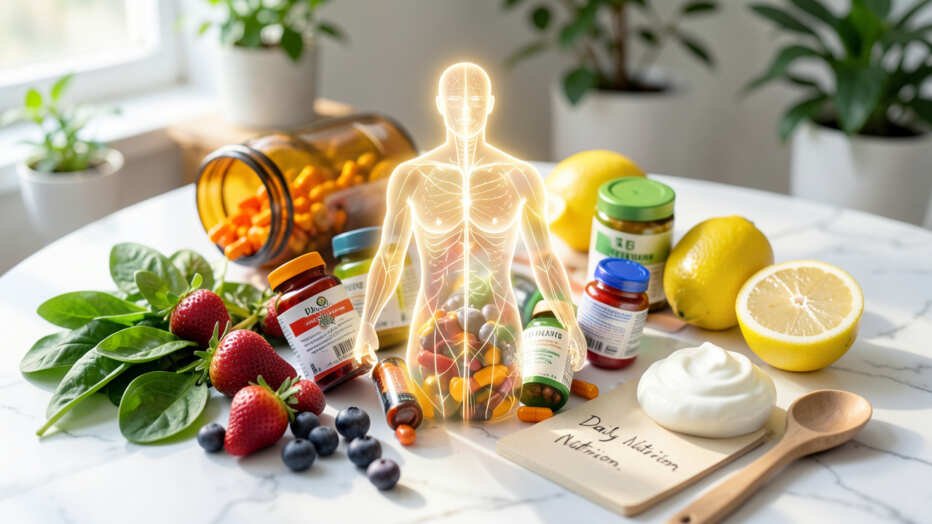
Most healthy adults do not need a daily multivitamin. However, certain groups benefit greatly from targeted supplementation. Doctors often recommend supplements based on blood tests, dietary habits, and life stage.
Supplements are regulated as food products by the FDA, not as drugs. That means they are not tested for safety and effectiveness before they hit store shelves. Choose reputable brands that use third-party testing like USP or NSF International.
- Pregnant women or women planning pregnancy
- Breastfeeding mothers
- Adults over 65 with reduced stomach acid
- Vegans and strict vegetarians
- People with malabsorption disorders like celiac disease
- Those who have had gastric bypass surgery
- People with limited sun exposure
| Population | Common Supplement | Reason |
|---|---|---|
| Pregnant women | Folate | Prevents neural tube defects |
| Vegans | Vitamin B12 | B12 is mainly in animal foods |
| Older adults | Vitamin D, B12 | Skin and stomach changes with age |
| Indoor workers | Vitamin D | Low sun exposure |
Warning: High-dose supplements can cause toxic reactions. Fat-soluble vitamins A and D build up in your body over time and can lead to liver damage, bone pain, and other complications.
Common Myths About Vitamins
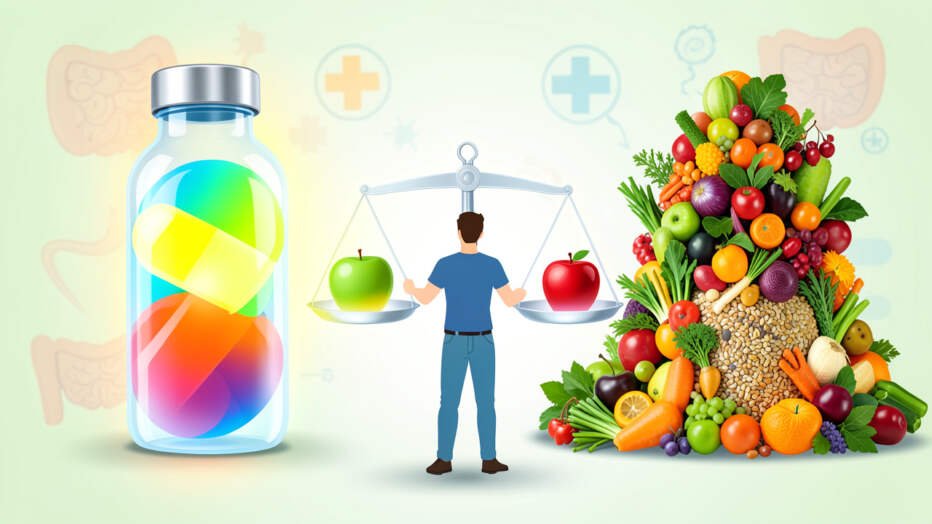
Nutrition misinformation spreads fast online. Understanding common myths helps you make smarter choices without overspending on unnecessary bottles or risking your health.
| Myth | Fact |
|---|---|
| Megadoses of vitamin C prevent colds | Vitamin C can slightly shorten a cold but does not stop you from catching one. |
| Natural vitamins are always safer | Synthetic vitamins are chemically identical and many are highly absorbable. |
| Extra vitamins boost energy | Only a deficiency causes fatigue; extra B vitamins get flushed out. |
| All vitamins work the same | Forms like folic acid vs. folate and natural E vs. synthetic E differ in absorption. |
| More vitamins always means better health | Water-soluble vitamins are excreted, but fat-soluble vitamins can become toxic. |
When you see bold claims about vitamins, check the source. Look for research from reputable institutions like the National Institutes of Health or the World Health Organization. Avoid products promising miracle cures or instant energy.
The best approach is simple: eat whole foods, listen to your body, and test when symptoms appear. Vitamins work best as part of a complete diet, not as isolated magic pills.
Frequently Asked Questions
What is the difference between vitamins and minerals?
Vitamins are organic compounds that come from plants and animals, while minerals are inorganic elements from soil and water. Both are essential, but they have different chemical structures and functions. For example, vitamin C is organic, while iron is a mineral.
Can you get all your vitamins from food?
Yes, most people can get all 13 vitamins from a well-planned diet. The main exception is vitamin D, which requires sunlight in addition to food sources. Vegans also need to be careful with vitamin B12, which is almost entirely from animal products.
What is the best time of day to take vitamins?
Fat-soluble vitamins are best taken with a meal that contains fat. B-complex vitamins are often taken in the morning because they support energy production and can keep some people awake. Consistency matters more than the exact time of day.
Can taking too many vitamins be dangerous?
Yes. Fat-soluble vitamins A, D, E, and K can build up to toxic levels when taken in large doses. High doses of vitamin B6 and niacin can also cause nerve damage and liver issues.
Always stay within the recommended upper limits established by the National Institutes of Health.
Do gummy vitamins work as well as pills?
Gummy vitamins are convenient and taste better, but they often contain added sugar and slightly lower amounts of certain nutrients. Pills and capsules are usually more stable and have more predictable doses. Check the label for third-party testing if you choose gummies.
Final Thoughts
Vitamins are small but mighty compounds that keep your body alive and thriving. A varied diet of whole foods is the best way to get what you need, while supplements are only for specific gaps. Know the difference between fat-soluble and water-soluble forms, watch for warning signs, and choose your sources wisely.
With a few simple food habits, you can cover your bases and feel better every day.