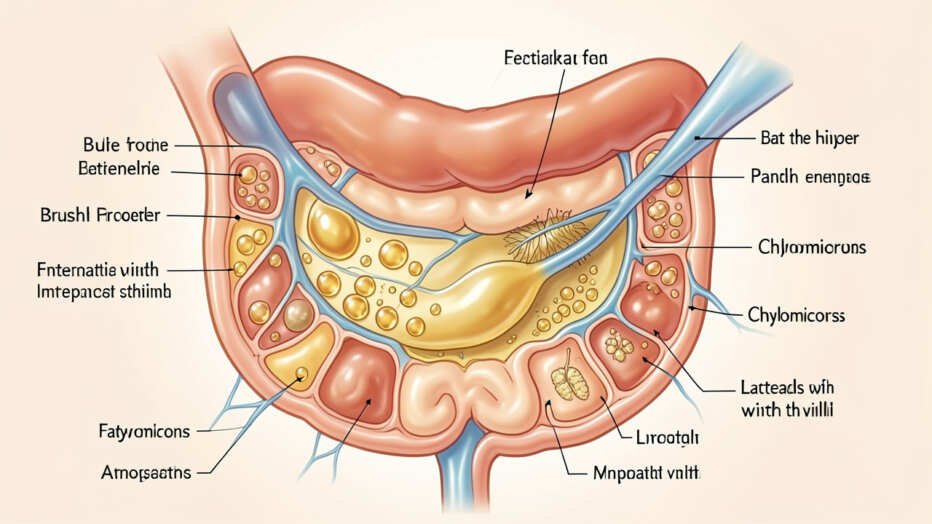
Dietary fat digestion and absorption primarily occur in the small intestine, where bile emulsifies large fat globules into smaller droplets. Enzymes such as pancreatic lipase then break down these droplets into fatty acids and monoglycerides, which are absorbed by intestinal cells and repackaged into chylomicrons for lymphatic transport. This intricate process is vital for energy metabolism, hormone production, and the uptake of fat-soluble vitamins, and impairments can lead to conditions like steatorrhea.
Digesting dietary fat is a complex but fascinating process essential for energy, hormone production, and nutrient absorption. Without proper fat digestion, your body misses out on vital functions and fat-soluble vitamins. This guide breaks down the entire journey, from the food you eat to how your cells use fat.
Simply put, your body uses bile from the liver and enzymes from the pancreas to break dietary fat into smaller molecules. These are then absorbed through the small intestine, packaged into special carriers called chylomicrons, and transported via the lymphatic system before entering your bloodstream.
Key Takeaways
- Digesting dietary fat primarily occurs in the small intestine, not the stomach.
- Bile, produced by the liver and stored in the gallbladder, is crucial for emulsifying large fat globules into smaller droplets.
- Pancreatic lipase is the key enzyme that chemically breaks down triglycerides into absorbable fatty acids and monoglycerides.
- Absorbed fats are reassembled and packaged into chylomicrons, entering the lymphatic system first before the bloodstream.
- The efficiency of fat absorption depends on healthy bile flow, pancreatic function, and an intact intestinal lining.
What is Dietary Fat Digestion?
Dietary fat digestion is the process of breaking down large fat molecules from food into smaller components your body can absorb and use. It is a mechanical and chemical process involving multiple organs working in sequence. The primary goal is to break down triglycerides, the main form of fat in our diet, into free fatty acids and monoglycerides.
Unlike carbohydrates and proteins, which begin digestion in the mouth and stomach, fat digestion is largely delayed. This delay allows the body to prepare the specialized tools needed, mainly bile and pancreatic enzymes, for effective breakdown in the small intestine.
- Primary Role: To make dietary fats bioavailable for energy, cell membrane structure, and hormone synthesis.
- Key Substrates: Triglycerides (three fatty acids attached to a glycerol backbone), phospholipids, and cholesterol.
- Outcome: Produces absorbable units like fatty acids, monoglycerides, cholesterol, and fat-soluble vitamins (A, D, E, K).
How Bile and Enzymes Break Down Fat
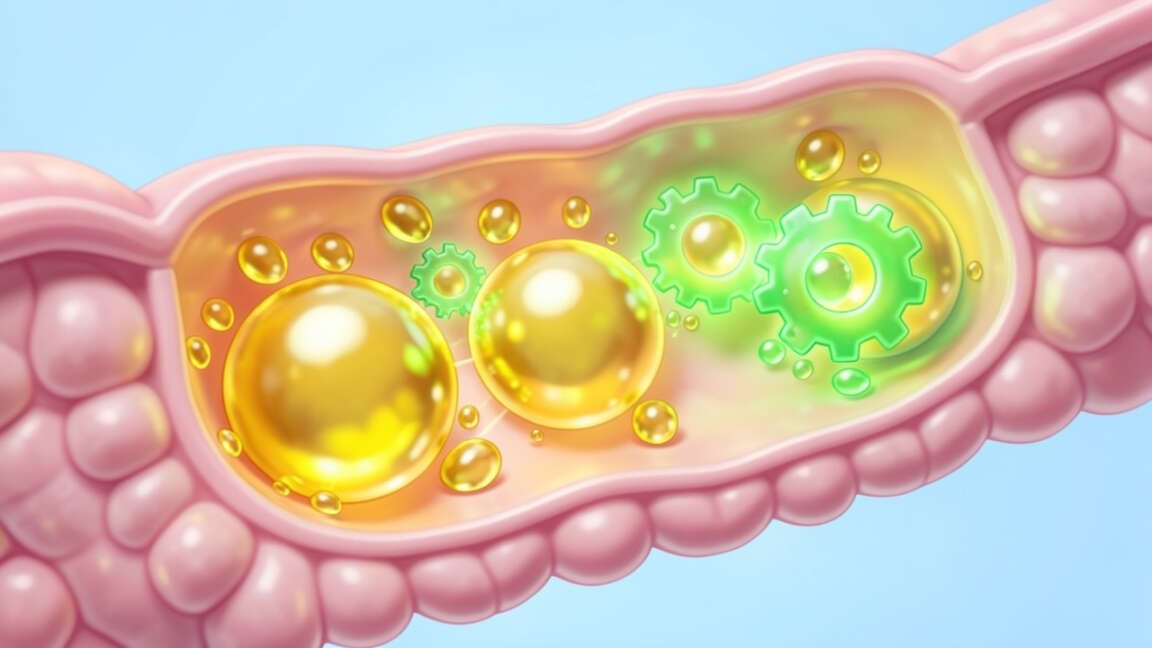
The real chemical action of fat digestion depends on bile and pancreatic enzymes. Bile is a greenish-yellow fluid produced by the liver and stored in the gallbladder. It acts like a detergent, breaking large fat globules into tiny droplets through a process called emulsification.
This vastly increases the surface area for enzymes to work on.
Pancreatic lipase, the star enzyme for fat breakdown, is secreted into the small intestine. It attaches to the surface of the emulsified fat droplets and chemically cleaves triglycerides into two free fatty acids and one monoglyceride. Another enzyme, colipase, helps anchor lipase firmly to the fat droplet surface.
| Component | Source | Primary Function in Fat Digestion |
|---|---|---|
| Bile Salts | Liver / Gallbladder | Emulsifies large fat globules into tiny droplets. |
| Pancreatic Lipase | Pancreas | Chemically breaks down triglycerides into fatty acids and monoglycerides. |
| Colipase | Pancreas | Anchors lipase to the surface of fat droplets. |
| Phospholipase A2 | Pancreas | Breaks down phospholipids into lysophospholipids and fatty acids. |
| Cholesterol Esterase | Pancreas | Hydrolyzes cholesterol esters into free cholesterol. |
Without sufficient bile or lipase, fat remains largely undigested. This can lead to fat-soluble vitamin deficiencies and fatty stools, a condition known as steatorrhea.
| Condition | Effect on Fat Digestion |
|---|---|
| Gallstones / Gallbladder Removal | Reduced bile release, impairing emulsification. |
| Pancreatitis | Damaged pancreas produces less lipase. |
| Celiac Disease | Damaged intestinal lining reduces absorption of breakdown products. |
The Role of the Intestinal Cells in Fat Absorption
Once fat is broken down, its components are absorbed by the enterocytes, the absorptive cells lining the small intestine, primarily in the jejunum. The process is a combination of passive diffusion and active transport. Short and medium-chain fatty acids can diffuse directly into the enterocytes.
Long-chain fatty acids and monoglycerides require a more complex mechanism. They are incorporated into tiny bubbles called mixed micelles, formed with bile salts. These micelles ferry the fatty components to the surface of the enterocyte, where they are absorbed.
Inside the cell, the components are reassembled back into triglycerides.
- Micelle Formation: Bile salts surround fatty acids, monoglycerides, and cholesterol, creating a water-soluble vehicle.
- Transport to Brush Border: Micelles diffuse through the watery layer to the enterocyte membrane.
- Absorption: Lipids leave the micelle and enter the enterocyte, leaving bile salts behind.
- Intracellular Processing: Inside the enterocyte, long-chain fatty acids and monoglycerides are re-synthesized into triglycerides.
| Fatty Acid Type | Absorption Mechanism | Transport Pathway |
|---|---|---|
| Short-Chain (SCFA) | Direct diffusion into enterocytes. | Portal vein directly to the liver. |
| Long-Chain (LCFA) | Via mixed micelles; requires re-esterification. | Lymphatic system via chylomicrons. |
| Cholesterol | Via mixed micelles; specific transporters involved. | Lymphatic system via chylomicrons. |
Tip: Eating foods rich in healthy fats alongside vegetables helps the absorption of fat-soluble vitamins (A, D, E, K) present in those vegetables.
How Are Absorbed Fats Transported in the Body?
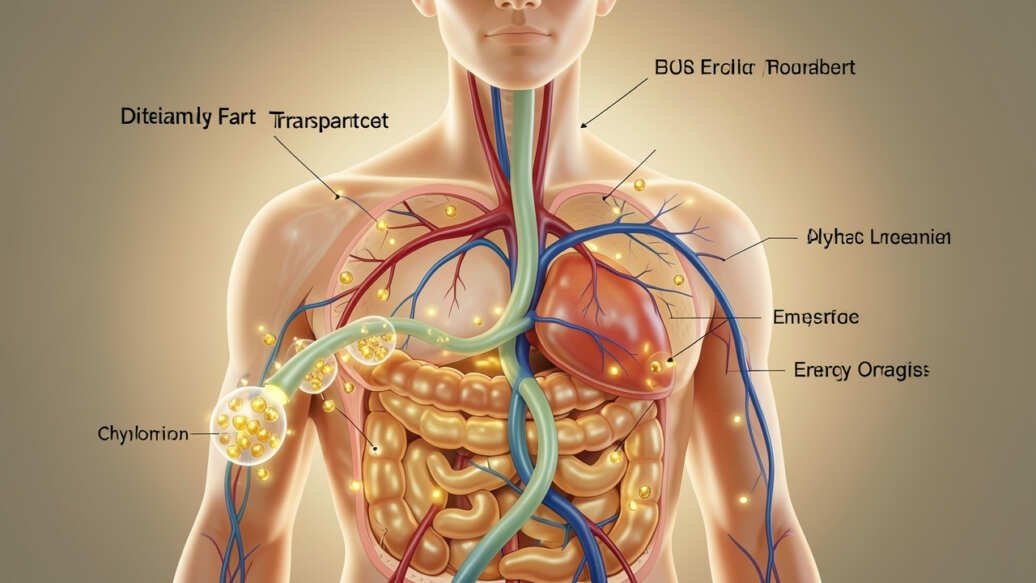
After absorption and reassembly, triglycerides are packaged with cholesterol and special proteins into large lipoprotein particles called chylomicrons. This packaging happens inside the enterocyte’s endoplasmic reticulum. Chylomicrons are too large to enter blood capillaries directly.
Instead, they are exocytosed from the enterocyte and enter the lacteals, the lymphatic capillaries within the intestinal villi. The lymphatic system acts as a transport network, eventually delivering the chylomicrons into the bloodstream via the thoracic duct, bypassing the liver initially.
- Chylomicrons: Primary transporters for dietary triglycerides and cholesterol.
- Route: Intestine → Lymphatic System → Bloodstream.
- Final Destination: Lipoprotein lipase on blood vessel walls breaks down chylomicron triglycerides, releasing fatty acids for uptake by muscles and adipose tissue.
What is the Role of the Liver in Fat Processing?
The liver is the central hub for fat metabolism. While dietary fats first enter the lymphatic system, the liver receives them after chylomicrons deliver their payload to peripheral tissues. The liver also processes fats absorbed directly from the gut via the portal vein, like short-chain fatty acids.
The liver can synthesize its own triglycerides and cholesterol, package them into different lipoproteins (VLDL, LDL, HDL), and regulate blood lipid levels. It produces bile, essential for fat digestion, and converts excess carbohydrates and proteins into fat for storage. This central role makes liver health critical for proper fat metabolism.
Important: Conditions like non-alcoholic fatty liver disease (NAFLD) disrupt the liver’s ability to process fat, leading to accumulation and impaired metabolism, which can affect overall cardiovascular health.
Why Do Some People Have Trouble Digesting Fat?
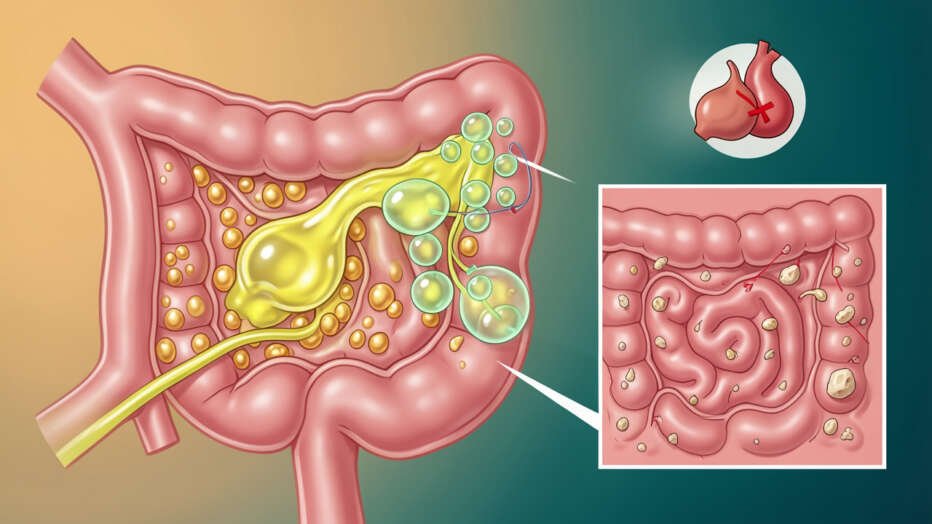
Impaired fat digestion, or maldigestion, and malabsorption can cause significant discomfort and nutritional deficiencies. The most common symptom is steatorrhea, which manifests as pale, bulky, foul-smelling stools that may float or be difficult to flush due to high fat content. Other symptoms include bloating, abdominal cramps, and unintended weight loss.
Causes are diverse and often involve dysfunction in the accessory organs of digestion. Problems can arise at any stage: insufficient bile production, pancreatic insufficiency, or damage to the intestinal mucosa. The condition known as exocrine pancreatic insufficiency (EPI) is a major cause, where the pancreas fails to produce enough digestive enzymes.
Common Causes of Fat Maldigestion
- Pancreatic Disorders: Chronic pancreatitis, cystic fibrosis, pancreatic cancer.
- Biliary Tract Issues: Gallstones, cholestasis, bile duct obstruction, cirrhosis.
- Intestinal Diseases: Crohn’s disease, celiac disease, short bowel syndrome, small intestinal bacterial overgrowth (SIBO).
- Medications: Orlistat (a weight-loss drug) works by blocking fat-digesting enzymes.
How Can You Support Healthy Fat Digestion Naturally?
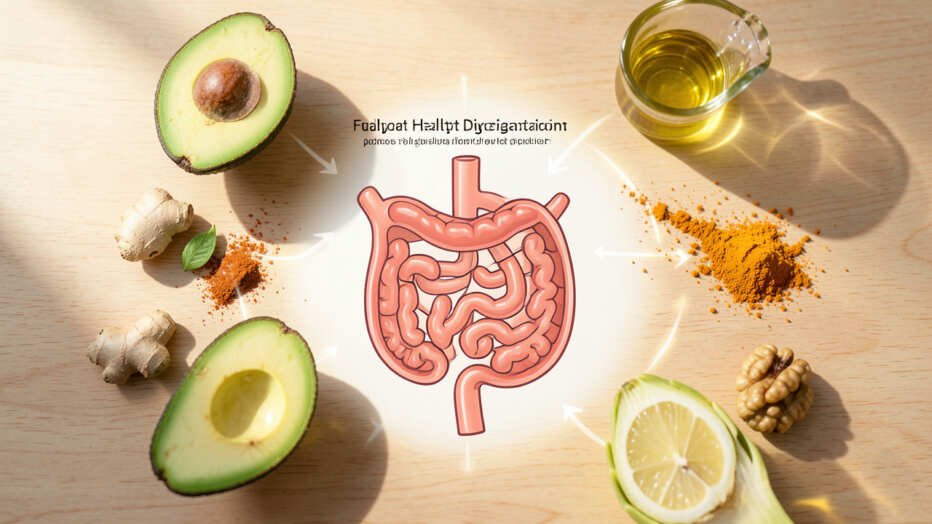
Supporting your digestive system can enhance its natural ability to handle dietary fats. This involves dietary strategies, mindful eating habits, and maintaining overall organ health. For those without underlying medical conditions, these steps can optimize the process.
Consuming a balanced diet with appropriate amounts of healthy fats is fundamental. Including bitter greens can stimulate bile production, while fermented foods support the gut microbiome, which plays a role in metabolism. Avoiding excessive alcohol is crucial, as it is toxic to the pancreas and liver.
- Eat Mindfully: Chew food thoroughly to initiate mechanical breakdown and signal digestive organs.
- Include Bitter Foods: Arugula, dandelion greens, and lemon juice can stimulate bile flow.
- Manage Stress: Chronic stress impacts digestive function via the gut-brain axis.
- Stay Hydrated: Water is essential for bile production and all metabolic processes.
- Limit Alcohol: Protects the liver and pancreas from inflammation and damage.
| Supportive Nutrient/Compound | Role in Fat Digestion | Food Sources |
|---|---|---|
| Choline | Component of bile, aids in fat metabolism. | Eggs, liver, soybeans, meat. |
| Phosphatidylcholine | A phospholipid that acts as an emulsifier. | Egg yolks, soybeans, sunflower lecithin. |
| Ginger | May stimulate gastric motility and bile production. | Fresh ginger root, tea. |
| Probiotics | Support gut health and may aid in lipid metabolism. | Yogurt, kefir, sauerkraut, kimchi. |
What Happens to Unabsorbed Dietary Fat?
When the digestive system fails to break down or absorb fats effectively, the undigested fat passes into the large intestine. Here, gut bacteria ferment some of the fatty acids, producing gases like methane and hydrogen, which can cause bloating and discomfort. The fat itself increases water retention in the stool.
The primary clinical sign is steatorrhea. Over time, chronic fat malabsorption leads to deficiencies in fat-soluble vitamins and essential fatty acids, resulting in issues like poor night vision (Vitamin A), bone pain (Vitamin D), easy bruising (Vitamin K), and skin problems (Essential Fatty Acids). Significant fat loss also means a loss of calories, potentially leading to weight loss despite adequate food intake.
Does the Type of Dietary Fat Affect Digestion?
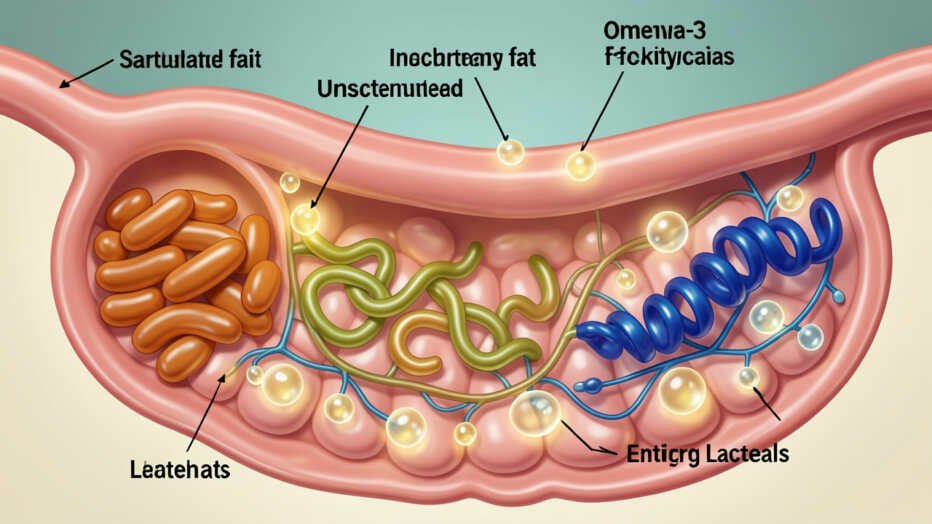
Yes, the chemical structure of dietary fat significantly influences how quickly and efficiently it is digested. The main distinction is between saturated, monounsaturated, and polyunsaturated fats, as well as the chain length of their fatty acids. Medium-chain triglycerides (MCTs) are processed very differently from long-chain triglycerides (LCTs) found in most foods.
MCTs, found in coconut oil and palm kernel oil, have shorter carbon chains. They are more water-soluble and are absorbed directly into the portal vein, heading straight to the liver for rapid conversion into energy. This makes them easier to digest and is why they are often used in medical nutrition formulas for people with fat malabsorption issues.
Key Differences in Fat Digestion and Absorption
- Chain Length: MCTs (6-12 carbons) vs. LCTs (>12 carbons). MCTs are absorbed faster and easier.
- Saturation: Highly saturated fats can be more resistant to enzymatic action, potentially slowing digestion slightly.
- Food Matrix: Fat embedded in a food matrix (like the fat in nuts or meat) may be digested more slowly than isolated fats (like cooking oil).
- Trans Fats: Artificial trans fats are difficult for enzymes to process and are strongly linked to negative health outcomes.
Frequently Asked Questions
How long does fat digestion take?
Fat digestion is a relatively slow process, primarily occurring in the small intestine. It can take anywhere from 4 to 6 hours for dietary fat to be fully processed and absorbed, which is why fatty meals keep you feeling full longer. The majority of this time is spent in the small intestine where emulsification and enzymatic breakdown occur.
Can you digest fat without a gallbladder?
Yes, you can digest fat without a gallbladder. The liver still produces bile, which is now dripped continuously into the small intestine rather than being stored and released in a concentrated burst. Some people may experience looser stools initially, especially with very fatty meals, but the body adapts.
Spreading fat intake throughout the day can help.
What are the signs of fat malabsorption?
The hallmark sign is steatorrhea – stools that are pale, bulky, oily, and have a foul odor. They often float and are hard to flush. Other signs include unexplained weight loss, bloating, abdominal pain, and symptoms of fat-soluble vitamin deficiencies like night blindness, bone pain, or easy bruising.
Do all fats provide the same amount of energy?
All dietary fats provide approximately 9 calories per gram, which is more than double the energy from carbohydrates or protein (4 calories/gram). However, the body may expend slightly different amounts of energy digesting and processing various types of fats. MCTs are metabolized more rapidly for energy than most LCTs.
How does a low-fat diet affect the body?
A severely restrictive low-fat diet can impair the absorption of essential fatty acids and fat-soluble vitamins (A, D, E, K), potentially leading to deficiencies. It may also reduce satiety, potentially leading to increased carbohydrate consumption. Some dietary fat is necessary for hormone production, brain health, and cell structure.
Moderation is key.
Final Thoughts
The journey of dietary fat from your plate to your cells is a precise and coordinated effort involving bile, pancreatic enzymes, and specialized intestinal cells. Understanding this process highlights the importance of healthy liver, gallbladder, and pancreas function. By eating a balanced diet and supporting your digestive health, you ensure your body can efficiently utilize this vital nutrient for energy and overall function.