Sugar alcohols are reduced-calorie carbohydrate sweeteners derived from sugars, commonly used as alternatives to table sugar in food products. They provide 1.5 to 3 calories per gram, have a minimal effect on blood sugar and insulin levels, and are often found in sugar-free gum, candies, and low-carb foods. These properties make them a practical sweetening option for individuals managing diabetes, weight, or dental health, though they can cause digestive discomfort in some people when consumed in large amounts.
Sugar alcohols are one of the most popular alternatives to regular sugar found in thousands of everyday products. From sugar-free gum to low-carb protein bars, these sweet-tasting compounds show up in places you might not expect.
Understanding what sugar alcohols are, how they work, and whether they’re safe can help you make smarter choices about what you eat. This guide covers everything you need to know about sugar alcohols – their types, benefits, side effects, and how to use them wisely.
Simply put, sugar alcohols are a type of carbohydrate that tastes sweet but contains fewer calories than regular sugar. They occur naturally in some fruits and vegetables but are also manufactured for use in processed foods. They offer a middle ground between sugar and artificial sweeteners, making them a popular choice for people managing diabetes, weight, or dental health.
Key Takeaways
- Sugar alcohols are reduced-calorie sweeteners with 1.5 to 3 calories per gram compared to sugar’s 4 calories per gram.
- They have a minimal impact on blood sugar levels, making them a popular option for people with diabetes.
- Common types include erythritol, xylitol, sorbitol, and maltitol, each with different sweetness levels and uses.
- Overconsumption can cause digestive side effects like bloating, gas, and diarrhea.
- The FDA considers most sugar alcohols generally recognized as safe (GRAS) for consumption.
What Are Sugar Alcohols Exactly?
Sugar alcohols are a category of carbohydrates known as polyols. Despite their name, they contain neither sugar nor alcohol. The name comes from their chemical structure, which resembles both sugar molecules and alcohol molecules.
These compounds taste sweet because your taste receptors recognize them similarly to regular sugar. However, your body absorbs and processes them differently. This unique metabolic pathway is what gives sugar alcohols their reduced calorie count and lower blood sugar impact.
Sugar alcohols occur naturally in small amounts in certain fruits and vegetables. But most of the sugar alcohols you encounter in food products are manufactured through a process called hydrogenation. This process converts sugars extracted from plants like corn, wheat, or birch wood into sugar alcohols.
Here’s a quick overview of what makes sugar alcohols unique:
- Chemical structure: They have a hydroxyl group (-OH) attached to a carbon atom, which gives them their “alcohol” classification in chemistry.
- Sweetness level: Most are 25% to 100% as sweet as regular table sugar (sucrose).
- Calorie content: They range from 0 to 3 calories per gram, compared to 4 calories per gram in sugar.
- Glycemic impact: Most sugar alcohols have a glycemic index between 0 and 35, while sugar sits at around 65.
- Dental benefit: Unlike sugar, most sugar alcohols do not contribute to tooth decay because mouth bacteria cannot ferment them efficiently.
The Food and Drug Administration (FDA) recognizes most sugar alcohols as generally recognized as safe. They must be listed on nutrition labels under “Total Carbohydrate” rather than “Sugars,” which is an important distinction for people tracking their carb intake.
Tip: When reading nutrition labels, look for sugar alcohols listed under “Total Carbohydrate.” Products often highlight them with an asterisk and note the specific type used.
How Do Sugar Alcohols Work in Your Body?
The way your body handles sugar alcohols is fundamentally different from how it processes regular sugar. This difference is what makes them attractive to health-conscious consumers and people with blood sugar concerns.
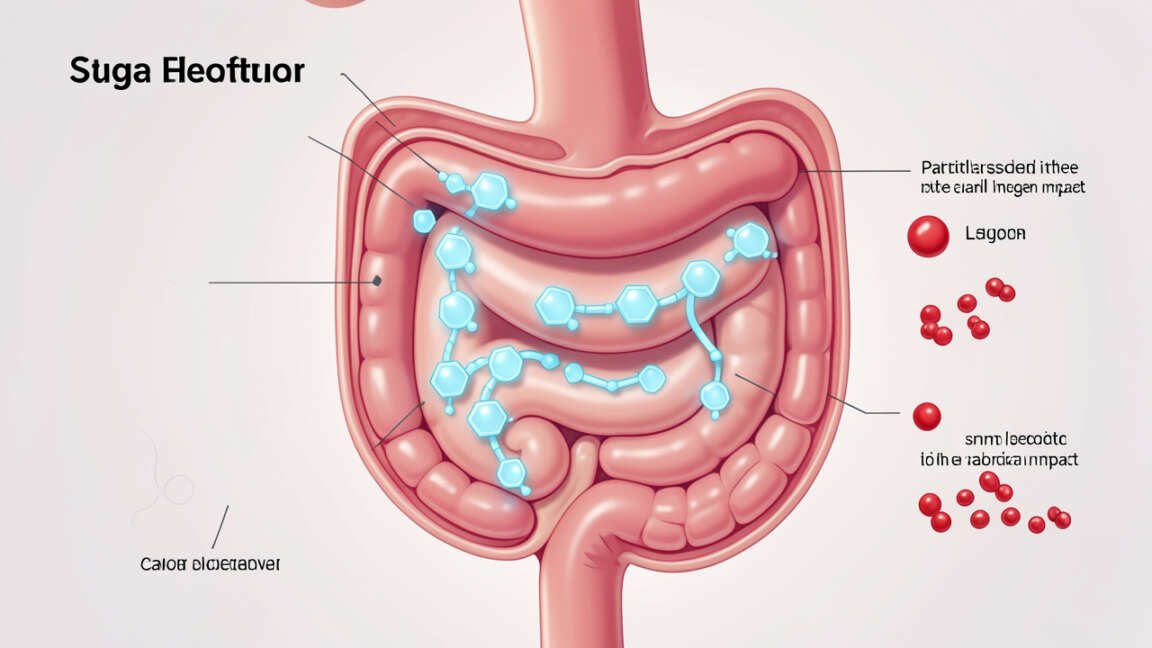
When you eat regular sugar, your small intestine absorbs it rapidly. Your blood glucose rises quickly, triggering insulin release. Sugar alcohols, on the other hand, are only partially absorbed in the small intestine.
The rest passes into the large intestine, where gut bacteria ferment it.
This incomplete absorption has two key consequences:
- Lower calorie absorption: Because only a portion is absorbed, you take in fewer calories than you would from the same amount of sugar.
- Slower blood sugar rise: The gradual, partial absorption means your blood glucose levels stay more stable.
The portion of sugar alcohol that reaches your large intestine gets fermented by bacteria. This fermentation process produces gases (hydrogen, carbon dioxide, and methane) and short-chain fatty acids. The gas production is what causes the digestive discomfort some people experience.
| Property | Regular Sugar | Sugar Alcohols |
|---|---|---|
| Calories per gram | 4 | 0 – 3 |
| Glycemic index | 65 | 0 – 35 |
| Absorption rate | Rapid (small intestine) | Partial (small + large intestine) |
| Insulin response | Significant | Minimal to none |
| Tooth decay risk | High | Very low |
According to the American Diabetes Association, sugar alcohols can be useful for people with diabetes because they require less insulin to metabolize. However, they still count as carbohydrates and should be factored into your total daily carb count.
Types of Sugar Alcohols You Should Know
Not all sugar alcohols are the same. Each type has a unique sweetness level, calorie count, and glycemic index. Some are better suited for baking, while others work best in cold products like ice cream or candy.
Here are the most common types of sugar alcohols found in food products:
| Sugar Alcohol | Sweetness vs Sugar | Calories/Gram | Glycemic Index | Common Uses |
|---|---|---|---|---|
| Erythritol | 70% | 0.2 | 0 | Beverages, baking, sugar-free candy |
| Xylitol | 100% | 2.4 | 7 | Gum, toothpaste, mints, baked goods |
| Sorbitol | 60% | 2.6 | 9 | Sugar-free candy, cough syrups, toothpaste |
| Maltitol | 90% | 2.1 | 35 | Chocolate, hard candy, baked goods |
| Mannitol | 50% | 1.6 | 0 | Chewing gum, pharmaceutical coatings |
| Isomalt | 55% | 2.0 | 2 | Hard candy, throat lozenges, sugar-free foods |
Erythritol stands out as the most popular option in recent years. It has nearly zero calories and a glycemic index of zero. Your body absorbs about 90% of it in the small intestine, and you excrete it unchanged through urine.
This makes it the gentlest sugar alcohol on your digestive system.
Xylitol is famous for its dental health benefits. Research published in the Journal of Dental Science found that xylitol can reduce cavity-causing bacteria by up to 75%. It is commonly used in sugar-free gum and dental products for this reason.
Sorbitol is one of the oldest sugar alcohols used in the food industry. It appears in many pharmaceutical products as a sweetener and humectant. You’ll often find it in cough syrups, chewable vitamins, and sugar-free ice cream.
Important: Maltitol has the highest glycemic index among common sugar alcohols at 35. If you are closely managing blood sugar levels, be mindful of products containing maltitol since it can cause a more noticeable glucose response than other sugar alcohols.
Why Are Sugar Alcohols Used in Food Products?
Food manufacturers use sugar alcohols for several practical reasons beyond just sweetness. These compounds offer functional benefits that make them valuable ingredients in food science.
The main reasons sugar alcohols appear in so many products include:
- Calorie reduction: Replacing sugar with sugar alcohols can cut calorie content by 25% to 75%, depending on which type is used.
- Blood sugar management: Products marketed to diabetic consumers often rely on sugar alcohols to keep glycemic impact low.
- Dental health marketing: The “tooth-friendly” claim on sugar-free gum and candy is possible because sugar alcohols do not feed cavity-causing bacteria.
- Texture and bulk: Sugar alcohols provide volume, structure, and mouthfeel that artificial sweeteners alone cannot achieve. This is critical in baked goods and candy.
- Shelf stability: Most sugar alcohols resist moisture and heat better than many artificial sweeteners, giving products a longer shelf life.
- Regulatory advantages: The FDA allows “sugar-free” claims on products that use sugar alcohols, which appeals to health-conscious shoppers.
According to the International Food Information Council, nearly 60% of American consumers actively try to limit their sugar intake. This demand drives food companies to use sugar alcohols as a practical solution for creating reduced-sugar and sugar-free versions of popular products.
Sugar alcohols also work well in combination with other sweeteners. Many manufacturers blend erythritol with stevia or monk fruit to create a sweetness profile closer to sugar while keeping calories extremely low.
Health Benefits of Sugar Alcohols
The benefits of sugar alcohols extend beyond simple calorie reduction. These sweeteners offer several health advantages that make them worth considering as part of a balanced diet.
Dental health protection is one of the most well-documented benefits. The European Food Safety Authority approved the claim that xylitol reduces tooth demineralization and helps maintain tooth mineralization. Multiple studies confirm that replacing sugar with sugar alcohols significantly lowers cavity risk.
Here are the key health benefits of sugar alcohols:
- Weight management: Lower calorie content means fewer calories consumed when replacing sugar in recipes and snacks.
- Blood sugar stability: Minimal insulin response makes them suitable for people with type 2 diabetes and those following low-glycemic diets.
- Prebiotic effects: The fermentation of sugar alcohols in the large intestine produces short-chain fatty acids that may support beneficial gut bacteria.
- Reduced sugar cravings: Using sugar alcohols can help satisfy a sweet tooth without triggering the sugar-craving cycle that regular sugar creates.
- Keto and low-carb compatibility: Erythritol and xylitol are popular in ketogenic diets because they have minimal net carb impact.
A study in the International Journal of Dentistry found that regular xylitol consumption reduced cavities by up to 70% in children. This is why many pediatric dentists recommend xylitol-containing gum as a preventive measure.
Tip: If you want the dental benefits of xylitol, aim for 6 to 10 grams per day spread across three or more exposures. Chewing xylitol gum after meals is an easy way to reach this target.
Side Effects and Risks of Sugar Alcohols
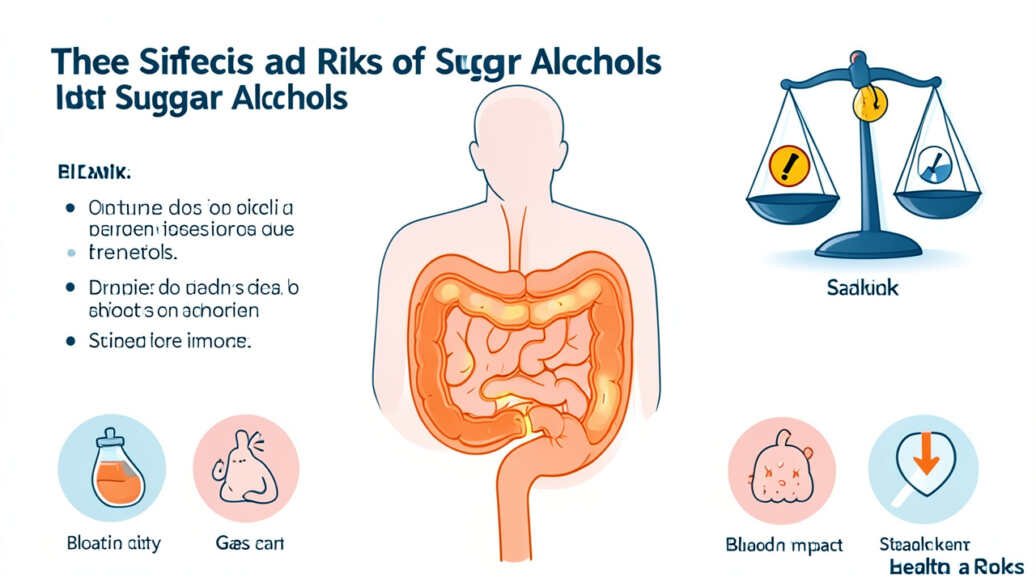
While sugar alcohols offer clear benefits, they are not without drawbacks. The most common side effects are gastrointestinal, and they can range from mild discomfort to significant digestive distress.
The reason for these side effects lies in how your body handles the unabsorbed portion. When sugar alcohols reach your large intestine, gut bacteria ferment them and produce gas. This fermentation draws water into the bowel through osmosis, which can cause loose stools.
Common side effects include:
- Bloating: Gas production from fermentation can cause noticeable abdominal swelling and discomfort.
- Flatulence: Increased gas production leads to more frequent and sometimes more intense gas.
- Diarrhea: The osmotic effect of unabsorbed sugar alcohols pulling water into the colon can cause loose or watery stools.
- Stomach cramps: Some people experience cramping, especially when consuming larger amounts.
- Nausea: Higher doses may trigger feelings of nausea in sensitive individuals.
| Sugar Alcohol | Tolerance Level | Digestive Impact |
|---|---|---|
| Erythritol | Highest (most tolerated) | Minimal – mostly absorbed before reaching colon |
| Xylitol | Moderate | Moderate – can cause issues above 30-40g/day |
| Sorbitol | Lower | Higher – laxative effect noted above 20g/day |
| Maltitol | Lower | Highest digestive impact of common sugar alcohols |
Warning: Xylitol is extremely toxic to dogs. Even small amounts can cause a rapid insulin release in canines, leading to hypoglycemia, liver failure, and death. Keep xylitol-containing products away from pets at all times.
Tolerance varies significantly from person to person. Some people can consume 30 or more grams of erythritol daily with no issues. Others may experience symptoms from as little as 10 grams of sorbitol.
The key is to introduce sugar alcohols gradually and pay attention to your body’s response.
Where Are Sugar Alcohols Found?
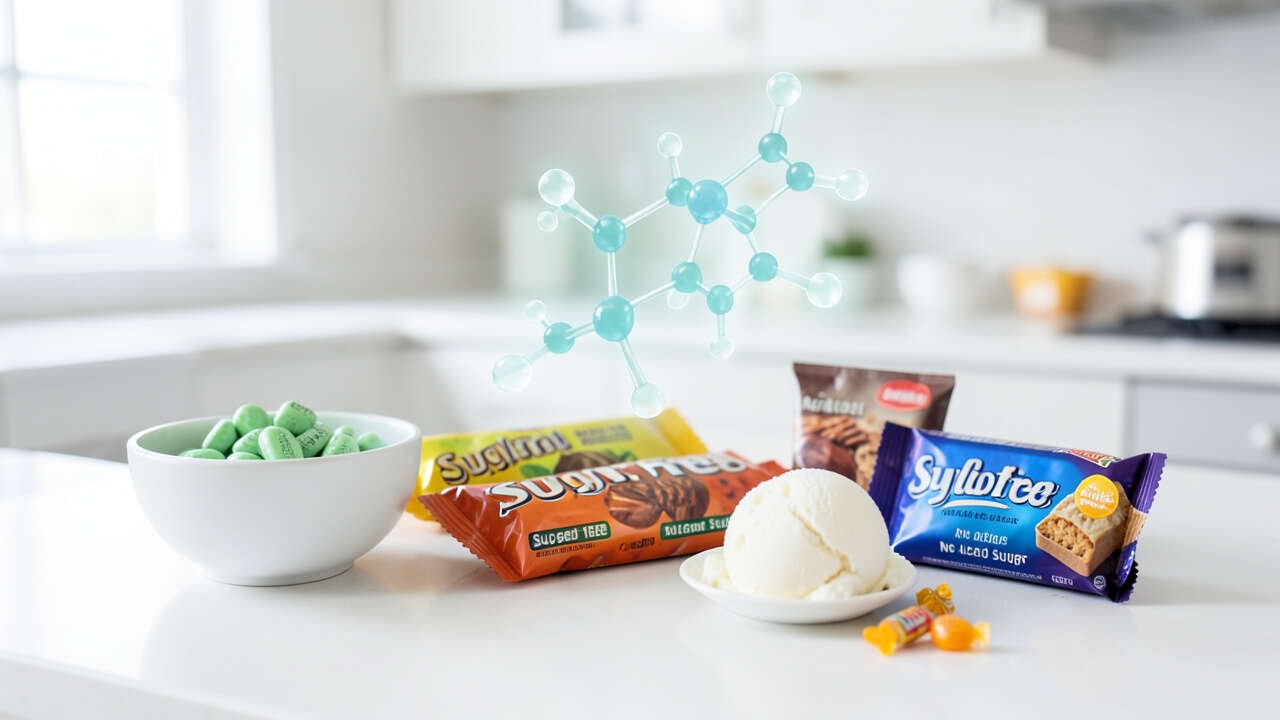
You’ll find sugar alcohols in a surprisingly wide range of products. Knowing where to look helps you manage your intake and avoid unexpected digestive issues.
The most common product categories that contain sugar alcohols include:
- Sugar-free candy and chocolates: Brands like Russell Stover, Lily’s, and Hershey’s Sugar Free lines use various sugar alcohols as primary sweeteners.
- Chewing gum and mints: Most sugar-free gum brands use xylitol, sorbitol, or a combination of both.
- Protein bars and nutrition bars: Many “low sugar” or “low net carb” bars use maltitol or erythritol to keep sugar content down while maintaining sweetness.
- Baked goods and cookies: Sugar-free cookie and brownie mixes often contain sorbitol or maltitol.
- Ice cream and frozen desserts: Low-carb and sugar-free ice cream brands rely heavily on erythritol and xylitol.
- Beverages: Some diet sodas, flavored waters, and sugar-free drink mixes include sugar alcohols.
- Pharmaceutical products: Cough syrups, chewable vitamins, and liquid medications frequently use sorbitol as a sweetener and preservative.
- Oral care products: Toothpaste and mouthwash often contain xylitol or sorbitol for their dental benefits.
According to the Calorie Control Council, over 180 million Americans consume sugar-free and reduced-sugar products. Sugar alcohols play a major role in making these products possible.
To identify sugar alcohols on labels, look for these names: erythritol, xylitol, sorbitol, maltitol, mannitol, isomalt, lactitol, and hydrogenated starch hydrolysates. The FDA requires manufacturers to list sugar alcohols separately from sugar on nutrition facts panels when a product makes a “sugar-free” or “no sugar added” claim.
Important: When calculating net carbs for a keto or low-carb diet, subtract the full sugar alcohol amount from total carbs for erythritol and mannitol. For maltitol and sorbitol, subtract only half the sugar alcohol grams because they have a more significant glycemic impact.
Sugar Alcohols vs. Other Sweeteners
Understanding how sugar alcohols compare to other sweetener options helps you choose the right one for your needs. Each sweetener category has distinct advantages and trade-offs.
Here’s how sugar alcohols stack up against the main alternatives:
| Sweetener Type | Examples | Calories | Blood Sugar Impact | Taste Profile |
|---|---|---|---|---|
| Sugar Alcohols | Erythritol, xylitol, sorbitol | 0-3/g | Low | Clean, slight cooling effect |
| Natural Sugars | Honey, maple syrup, agave | 3-4/g | High | Rich, complex sweetness |
| Artificial Sweeteners | Aspartame, sucralose, saccharin | 0 | None | Intensely sweet, possible aftertaste |
| Natural Zero-Calorie | Stevia, monk fruit | 0 | None | Very sweet, some have licorice notes |
Sugar alcohols occupy a unique middle ground. They taste closer to real sugar than most artificial sweeteners or stevia. They provide bulk and texture that zero-calorie sweeteners cannot match.
And they cause less blood sugar disruption than natural sugars.
Many people find that sugar alcohols, particularly erythritol and xylitol, have the closest taste to regular sugar without the bitter or metallic aftertaste associated with aspartame or stevia. This makes them ideal for baking and cooking where taste and texture matter most.
The downside compared to artificial sweeteners is the calorie content and potential digestive issues. Artificial sweeteners like sucralose and aspartame have zero calories and typically do not cause GI distress. However, they come with their own controversies regarding long-term health effects.
How to Use Sugar Alcohols Safely
Using sugar alcohols effectively means understanding dosage, tolerance, and the right applications. Following a few guidelines can help you enjoy the benefits while minimizing any unwanted side effects.
Here are practical tips for incorporating sugar alcohols into your diet:
- Start small: Begin with 10 to 15 grams per day and gradually increase over one to two weeks. This gives your gut bacteria time to adapt.
- Choose erythritol first: It is the best-tolerated sugar alcohol because most of it absorbs before reaching your colon. Start here if you have a sensitive stomach.
- Read labels carefully: Check the sugar alcohol content per serving. Some “sugar-free” products contain 20 or more grams per serving, which can cause issues if you eat multiple servings.
- Spread intake throughout the day: Consuming 10 grams at once is easier on your system than 30 grams in a single sitting.
- Stay hydrated: Drinking plenty of water helps your body process sugar alcohols and can reduce the osmotic effects that cause diarrhea.
- Avoid sugar alcohols before exercise: The potential for bloating and GI discomfort makes them a poor choice right before a workout.
- Be cautious with children: Children have lower body weight and may experience side effects at much lower doses.
Warning: If you have irritable bowel syndrome (IBS) or follow a FODMAP diet, sugar alcohols may trigger symptoms. Sorbitol and mannitol are classified as FODMAPs and should be avoided or strictly limited by those with IBS.
For baking, erythritol works best in recipes that don’t rely heavily on sugar for structure. It does not caramelize like sugar, so it won’t work well for creme brulee or caramel sauce. Xylitol is a better substitute for baking when you need browning and moisture retention, though it may slightly change the texture of the final product.
Keep in mind that sugar alcohols are not a magic solution. They work best as part of a broader strategy that includes whole foods, limited processed food intake, and balanced nutrition. Relying too heavily on sugar-free products can still lead to overconsumption of calories and processed ingredients.
Frequently Asked Questions
Are sugar alcohols safe for diabetics?
Yes, most sugar alcohols are considered safe for people with diabetes. They have a minimal effect on blood sugar levels because they are only partially absorbed. However, they still count as carbohydrates and should be tracked as part of your total daily carb intake.
The American Diabetes Association recommends counting half the grams of sugar alcohols as carbohydrates for blood sugar management purposes.
Do sugar alcohols cause weight gain?
Sugar alcohols are unlikely to cause weight gain on their own since they contain fewer calories than sugar. However, eating large quantities of sugar-free products does not automatically lead to weight loss. Calories from other ingredients in these products still count.
Use sugar alcohols as a tool within a balanced diet rather than assuming sugar-free means calorie-free.
Can sugar alcohols cause diarrhea?
Yes, consuming too much sugar alcohol can cause diarrhea due to their osmotic effect in the intestines. The unabsorbed portion draws water into the bowel, which leads to loose stools. Sorbitol and maltitol are most likely to cause this effect, while erythritol is the least likely.
Starting with small amounts and increasing gradually helps prevent digestive issues.
Are sugar alcohols the same as artificial sweeteners?
No, sugar alcohols are not the same as artificial sweeteners. Sugar alcohols are carbohydrates derived from plant sources, while artificial sweeteners like aspartame and sucralose are synthetic compounds. Sugar alcohols have some calories and provide bulk, while most artificial sweeteners have zero calories and are used in very small amounts.
They are in a category of their own, sometimes called “nutritive sweeteners.”
Which sugar alcohol is the healthiest?
Erythritol is generally considered the healthiest sugar alcohol because it has the fewest calories (0.2 per gram), a glycemic index of zero, and the best digestive tolerance. Your body absorbs most of it before it reaches the colon, which minimizes GI side effects. It also does not contribute to tooth decay and is well-suited for low-carb and ketogenic diets.
Final Thoughts
Sugar alcohols offer a practical middle ground between regular sugar and artificial sweeteners. They provide sweetness with fewer calories, minimal blood sugar impact, and dental health benefits that real sugar simply cannot match. Starting with erythritol or xylitol and introducing them gradually into your diet is the best approach to finding your personal tolerance level.
As with any dietary change, moderation is key, and reading labels carefully ensures you stay within your comfort zone.