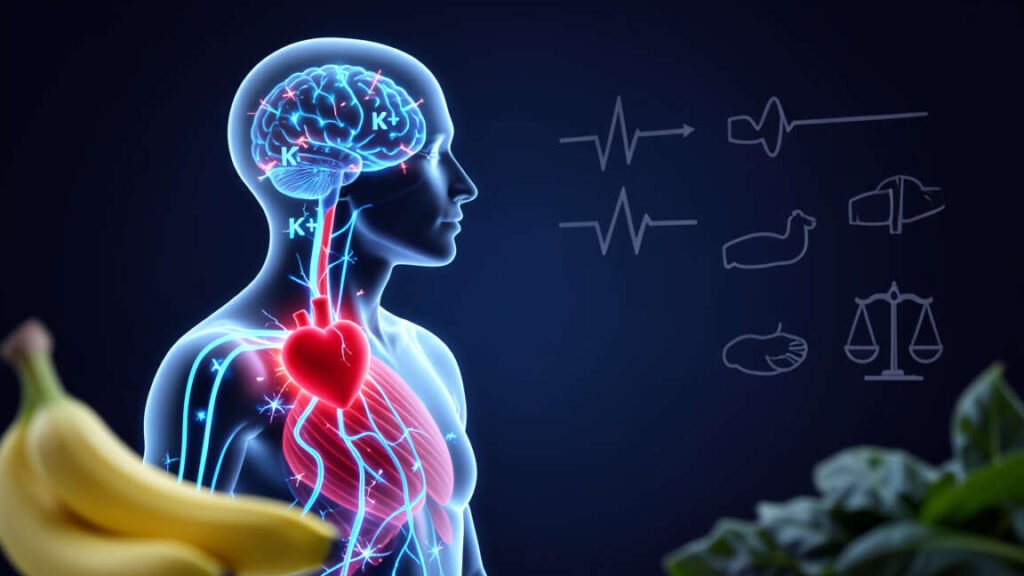
Potassium is an essential electrolyte and mineral that regulates fluid balance, nerve signals, and muscle contractions throughout the body. It is critically important for maintaining proper heart rhythm and function, and it plays a direct role in managing blood pressure by counteracting the effects of sodium. Adequate daily intake from dietary sources like fruits and vegetables is necessary to prevent deficiency, which can cause muscle weakness, fatigue, and serious cardiovascular issues.
Potassium is a vital mineral and electrolyte that your body needs to function properly. It plays a critical role in keeping your heart, muscles, and nerves working correctly. Without the right balance of potassium, your body can face serious health issues, making this mineral essential for overall wellness.
This article explains what potassium does in the human body, why you need it, and how to get enough from your diet. We will cover its key functions, the consequences of imbalance, and the best food sources to ensure you meet your daily needs.
Simply put, potassium is a master regulator within your body. It primarily manages fluid balance, nerve signals, and muscle contractions, most importantly in your heart. Adequate potassium intake helps lower blood pressure, reduces stroke risk, and prevents muscle cramps, making it a cornerstone of preventive health.
Key Takeaways
- Potassium is an essential electrolyte that manages fluid balance inside cells and supports nerve transmission.
- Its most crucial job is regulating heartbeat and muscle contractions, preventing arrhythmias.
- Potassium counteracts sodium’s effects, which is key for maintaining healthy blood pressure levels.
- Low potassium (hypokalemia) can cause fatigue, weakness, and dangerous heart rhythm problems.
- Fruits, vegetables, beans, and dairy are the richest dietary sources of this vital mineral.
What Is Potassium and Why Is It an Electrolyte?
Potassium is a mineral your body cannot make on its own, so you must obtain it from your diet. It is classified as an electrolyte because it carries a small electrical charge when dissolved in bodily fluids. This electrical property is fundamental to how it works within your cells.
Inside your body, potassium exists primarily within your cells, while sodium mostly resides outside them. This separation is maintained by a cellular pump and creates an electrical gradient. This gradient is the foundation for nerve impulses and muscle contractions throughout your entire system.
- Primary Location: Over 98% of your body’s potassium is found inside cells, particularly muscle cells.
- Key Partners: Works in direct balance with sodium to regulate fluid and electrical activity.
- Essential Nutrient: The body requires a constant dietary supply to maintain normal physiological function.
- Charge Carrier: Its positive charge is critical for generating the electrical signals your body uses.
How Does Potassium Maintain Fluid and Electrolyte Balance?
One of potassium’s primary roles is managing the fluid balance between your cells and the surrounding fluid. Every cell in your body is surrounded by fluid, and the right amount must stay inside the cell for it to function properly. Potassium is the main ion responsible for drawing water into cells, a process governed by osmosis.
Think of it like a careful dance between potassium and sodium. Sodium tends to pull water out of cells, while potassium pulls it in. This balance ensures your cells are properly hydrated and not swollen or shrunken.
When this balance is disrupted, it can affect everything from cell function to blood volume.
| Electrolyte | Primary Location | Primary Function in Fluid Balance |
|---|---|---|
| Potassium (K+) | Inside cells (intracellular) | Draws water into cells, maintaining cell volume. |
| Sodium (Na+) | Outside cells (extracellular) | Draws water out of cells, affecting blood volume. |
| Chloride (Cl-) | Outside cells (extracellular) | Works with sodium to regulate fluid balance. |
This precise fluid distribution is essential for nerve signaling, waste removal, and nutrient delivery to every cell in your body.
Why Is Potassium Critical for Heart and Muscle Function?
Potassium’s role in heart health cannot be overstated. Your heart is a muscle that relies on electrical impulses to beat in a steady, coordinated rhythm. Potassium helps regulate the electrical activity of the heart muscle by managing the flow of nutrients in and out of cardiac cells.
This stability prevents abnormal rhythms (arrhythmias) that can be life-threatening.
Beyond the heart, potassium is essential for the contraction of all your skeletal muscles. The process involves a complex exchange of potassium and sodium ions across the muscle cell membrane. This exchange creates the electrical signal that tells the muscle to contract.
Without adequate potassium, muscles can become weak, cramp, or even experience paralysis.
Warning: Severe potassium deficiency (hypokalemia) is a medical emergency. Symptoms like muscle weakness, paralysis, and heart palpitations require immediate medical attention. Never take potassium supplements without a doctor’s prescription and diagnosis.
- Heart Rhythm: Maintains the proper electrical gradient for consistent heartbeats.
- Muscle Contraction: Enables the signal for voluntary muscles to flex and relax.
- Prevents Cramps: Helps avoid involuntary, painful muscle contractions after exercise.
- Recovery Support: Aids in muscle repair and recovery after physical exertion.
How Does Potassium Influence Blood Pressure and Cardiovascular Health?
One of the most well-documented benefits of potassium is its ability to help lower and manage blood pressure. It does this primarily by counteracting the effects of sodium. A high-salt diet can cause your body to retain water, increasing blood volume and pressure.
Potassium helps your kidneys excrete more sodium through urine and eases tension in blood vessel walls.
The American Heart Association reports that diets rich in potassium can help reduce the risk of stroke and protect against heart disease. It works by balancing sodium levels, reducing the strain on your cardiovascular system. For many people, increasing potassium intake from food is as effective as some medications for managing mild hypertension.
- Sodium Excretion: Potassium signals the kidneys to release excess sodium from the body.
- Vessel Relaxation: It helps relax the walls of blood vessels, improving blood flow.
- Hormone Regulation: It assists in regulating hormones that control fluid balance and pressure.
- Oxidative Stress Reduction: Some studies link potassium to reduced oxidative stress and inflammation in arteries.
| Nutrient Pair | Effect on Blood Pressure | Key Food Sources |
|---|---|---|
| Potassium-Rich Diet | Lowers blood pressure by excreting sodium. | Bananas, potatoes, spinach, beans, yogurt. |
| High-Sodium Diet | Increases blood pressure by retaining water. | Processed foods, canned soups, fast food, salty snacks. |
For optimal heart health, the goal is not just to reduce sodium, but actively to increase potassium intake from whole food sources.
What Are the Symptoms and Risks of Potassium Deficiency?
Potassium deficiency, known as hypokalemia, is a condition where blood potassium levels drop below the normal range (3.5 to 5.0 mmol/L). Mild cases might go unnoticed, but chronic low levels can lead to significant health issues. The symptoms often relate to the impaired function of muscles and nerves.
The most common causes include excessive sweating, prolonged diarrhea or vomiting, certain medications like diuretics (water pills), and diets chronically low in fruits and vegetables. People with conditions like kidney disease or eating disorders are also at higher risk. It’s important to note that severe deficiency is less common from diet alone but is a serious medical condition.
- Early Signs: Fatigue, muscle weakness, and a general feeling of being unwell.
- Muscular Symptoms: Muscle cramps, twitches, and in severe cases, paralysis.
- Digestive Issues: Nausea, bloating, and constipation due to slowed gut motility.
- Cardiac Symptoms: Heart palpitations, irregular heartbeat, and in extreme cases, cardiac arrest.
- Neurological Signs: Tingling or numbness (paresthesia), confusion, and mood changes.
Important: Diagnosis is made via a simple blood test. Treatment depends on the cause and severity and may involve oral supplements, IV therapy, or addressing an underlying medical condition. Self-diagnosis and treatment are dangerous.
How Much Potassium Do You Need Daily and What Are the Best Sources?
The adequate intake (AI) for potassium varies by age and sex. The National Academies of Sciences, Engineering, and Medicine recommends an AI of 2,600 milligrams per day for adult women and 3,400 milligrams per day for adult men. This amount supports normal physiological function and helps prevent chronic diseases.
The best way to meet your needs is through a varied diet rich in whole foods. Supplements are rarely necessary and can be harmful for people with certain health conditions. Focus on incorporating these potassium powerhouses into your meals:
| Food Source (1 Cup Serving) | Approx. Potassium (mg) | % of Daily Value (DV) |
|---|---|---|
| White Beans, cooked | ~1000 | ~21% |
| Avocado | ~708 | ~15% |
| Spinach, cooked | ~839 | ~18% |
| Sweet Potato, baked | ~950 | ~20% |
| Banana | ~422 | ~9% |
| Yogurt, plain | ~380 | ~8% |
According to the CDC, fewer than 2% of U.S. adults meet the daily adequate intake for potassium. Making simple swaps, like choosing a baked potato over chips or adding beans to a salad, can make a significant difference.
Who Is at Risk for Potassium Imbalance and Why?
While a healthy kidney can excrete excess potassium to prevent toxicity, certain groups of people are at a higher risk for either deficiency or hyperkalemia (high potassium). Understanding these risk factors is key to prevention and management.
Individuals with chronic kidney disease have the most significant risk. Damaged kidneys cannot effectively filter potassium from the blood, leading to dangerous accumulation. People taking certain medications, such as ACE inhibitors, ARBs, beta-blockers, and potassium-sparing diuretics, also require regular monitoring.
- Kidney Disease Patients: The primary at-risk group for dangerous hyperkalemia.
- Elderly Adults: May have reduced kidney function and are often on multiple medications.
- Athletes and Laborers: Risk of deficiency through heavy sweating and electrolyte loss.
- Individuals with Eating Disorders: Particularly those involving purging or severe food restriction.
- People with Uncontrolled Diabetes: High blood sugar can affect potassium distribution and kidney function.
- Users of Specific Medications: Requires doctor-supervised potassium level checks.
For these groups, regular blood work and dietary guidance from a healthcare provider are essential. Self-managing potassium intake without medical advice can lead to severe complications.
Frequently Asked Questions
What happens if you have too much potassium?
Excess potassium in the blood (hyperkalemia) is a serious condition that can be life-threatening. It disrupts the electrical signals in the heart, potentially causing dangerous arrhythmias or even cardiac arrest. The kidneys normally regulate potassium levels, so high potassium is most often seen in people with significant kidney dysfunction.
Are bananas the best source of potassium?
While bananas are a convenient and well-known source, they are not the highest. A single medium banana provides about 422 mg, which is roughly 9% of the daily value. Foods like white beans, sweet potatoes, spinach, and avocado contain significantly more potassium per serving.
Can you take potassium supplements if you are deficient?
You should only take potassium supplements under the direct supervision of a doctor. Unsupervised use can be dangerous, especially for individuals with kidney problems or those on certain medications. The best and safest approach is to increase potassium through dietary sources first.
Does cooking affect potassium content in food?
Yes, cooking methods can influence potassium levels. Boiling vegetables can cause potassium to leach into the cooking water. Steaming, microwaving, or roasting vegetables generally helps retain more of their potassium.
Consuming the cooking water in soups or sauces can also help recover some of the lost mineral.
How is potassium level tested in the body?
Potassium levels are measured using a simple blood test that draws a sample from a vein in your arm. This test is part of a basic metabolic panel and gives a direct reading of the potassium concentration circulating in your bloodstream. It is a quick, routine, and essential test for monitoring health.
Final Thoughts
Potassium is a fundamental mineral that acts as a guardian for your heart, muscles, and fluid balance. Its ability to counter sodium’s effects makes it a critical player in managing blood pressure and supporting long-term cardiovascular health. Ensuring you get enough from your diet is one of the most impactful steps you can take for your overall well-being.
Focus on building your meals around whole, unprocessed foods like vegetables, fruits, legumes, and dairy. By understanding its role and consciously including potassium-rich foods, you can harness its powerful benefits and help protect your body against common chronic diseases. Always consult a healthcare professional for concerns about levels or before starting any supplement regimen.