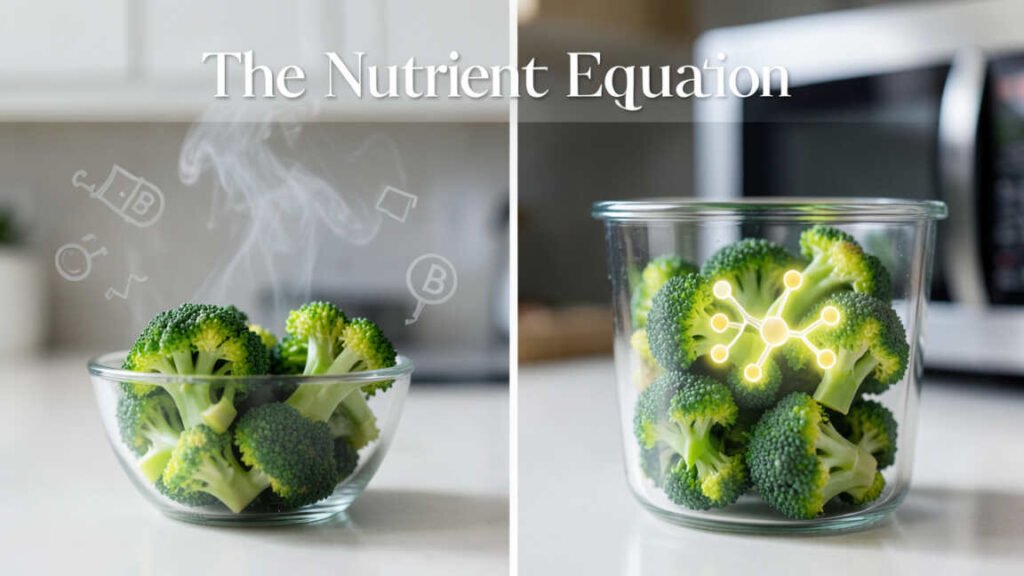
Microwaving does not inherently destroy nutrients and is often one of the best cooking methods for preserving them. Its effectiveness comes from using short cooking times and minimal water, which helps retain more heat-sensitive and water-soluble vitamins compared to boiling. Proper technique, such as steaming with a small amount of water, is key to maximizing the nutritional content of microwaved foods.
Does microwaving destroy nutrients? This is a common question that leads many people to avoid using their microwave for cooking. The truth is more complex than a simple yes or no. This guide breaks down the science of how microwaves affect your food’s nutritional value.
You will learn why this cooking method is often better than boiling or frying.
Simply put, microwaving does not inherently destroy nutrients. In fact, because it uses short cooking times and minimal water, it is one of the best methods for preserving vitamins and minerals in vegetables. The key is proper technique, not the appliance itself.
Key Takeaways
- Microwaving nutrients are better preserved than with boiling due to shorter cook times and less water exposure.
- The primary factor in nutrient loss is heat, water, and cooking time – not the microwave radiation itself.
- Steaming vegetables in the microwave with a small amount of water retains more water-soluble vitamins like vitamin C and B vitamins.
- Overcooking any food, whether in a microwave or oven, will reduce its nutritional value significantly.
- Using microwave-safe covers helps steam food evenly and can further reduce nutrient degradation.
What is Microwaving and How Does It Work?
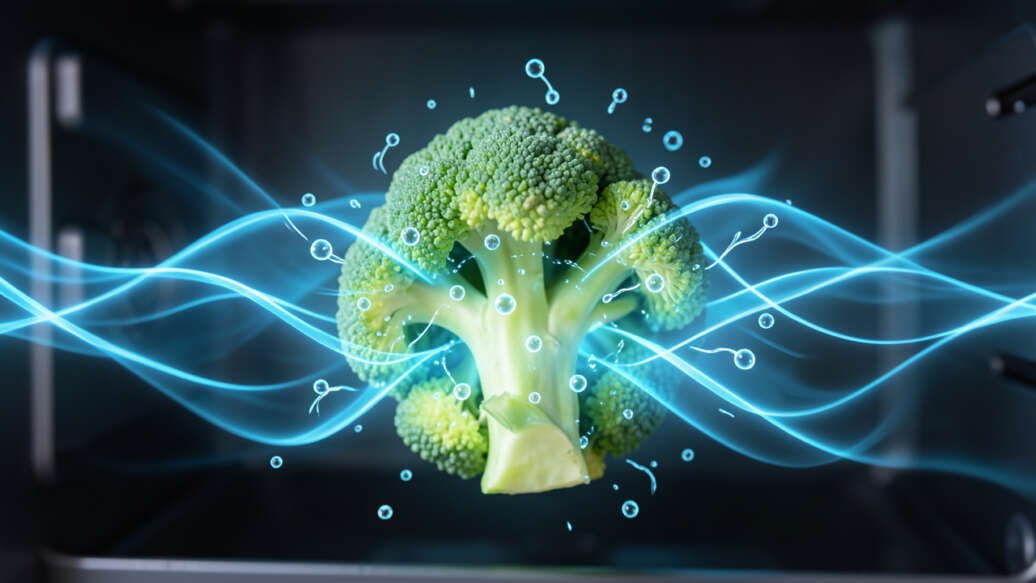
Microwaving uses electromagnetic radiation to heat food. These waves, at a specific frequency, cause the water molecules in your food to vibrate rapidly. This molecular vibration creates friction, which produces heat that cooks the food from the inside out.
This process is fundamentally different from conventional cooking methods. Ovens and stovetops heat food from the outside in, using conduction or convection. The microwave’s method is often faster, which directly impacts nutrient retention.
- Mechanism: Magnetrons generate microwaves that penetrate food and excite water molecules.
- Heating Pattern: Heat is generated within the food itself, leading to faster, more even cooking in many cases.
- Energy Efficiency: Because it heats the food directly, less energy is wasted heating the air or cookware.
- Core Principle: The method of heat generation is different, but heat is still heat when it comes to affecting nutrients.
Does Microwaving Destroy Nutrients? The Scientific Breakdown
The big myth is that microwaves “nuke” food and destroy its goodness. The reality is that the microwave is just a heat source. Any cooking method that applies heat will cause some nutrient breakdown, especially for heat-sensitive vitamins.
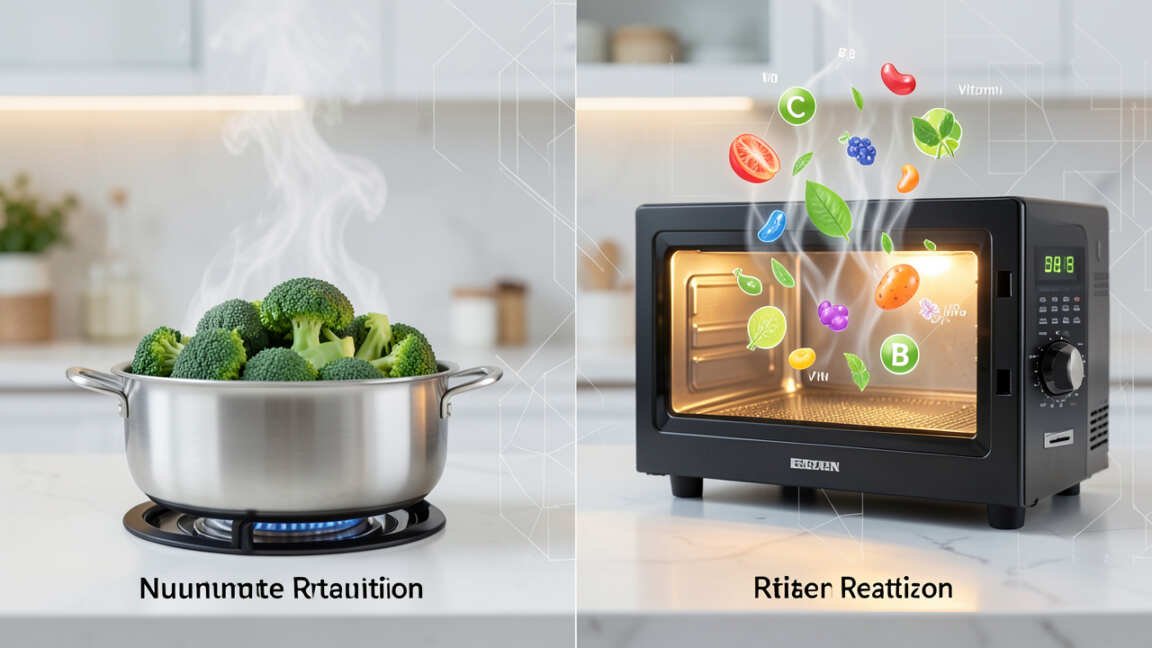
The real enemies of nutrients are excessive heat, long cooking times, and water. Boiling vegetables, for example, allows water-soluble vitamins to leach out into the cooking water, which is often discarded. Microwaving requires very little water, which keeps those vitamins in the food.
| Cooking Method | Primary Nutrient Loss Factor | Typical Vitamin C Retention |
|---|---|---|
| Microwaving (Steaming) | Heat | 85-90% |
| Boiling | Heat + Water Leaching | 40-55% |
| Steaming (Stovetop) | Heat | 80-90% |
| Pressure Cooking | Heat (Short Time) | 75-85% |
As the data shows, microwaving with minimal water is among the top performers for retaining water-soluble vitamins like Vitamin C. According to studies published in the Journal of Food Science, shorter cooking times at lower water volumes are key to preserving antioxidants and phytonutrients.
Important: Radiation from a microwave is non-ionizing. It does not make your food radioactive. It only causes molecular vibration that results in heat.
Why Are Some Nutrients More Vulnerable Than Others?
Not all nutrients are created equal when exposed to heat. Understanding the difference helps you make smarter cooking choices. The primary concern is with water-soluble vitamins and certain phytochemicals.
Water-soluble vitamins, primarily the B-complex vitamins and Vitamin C, are the most sensitive. They are sensitive to both heat and can dissolve in water. Fat-soluble vitamins (A, D, E, K) and minerals like iron and calcium are much more stable during cooking.
Vitamins Most Affected by Heat
- Vitamin C (Ascorbic Acid): Highly sensitive to heat and oxygen. Prolonged cooking destroys it quickly.
- B Vitamins (especially Thiamin/B1): Very susceptible to heat, particularly in grains and legumes.
- Folate (B9): Can be degraded by heat, making proper cooking important for pregnant women.
- Glucosinolates: These cancer-fighting compounds in broccoli and kale are best preserved with quick cooking.
Nutrients That Remain Stable During Cooking
- Fat-soluble vitamins (Vitamins A, D, E, K)
- Minerals (iron, calcium, potassium, magnesium)
- Most proteins and carbohydrates (though protein can denature)
- Fiber content (generally unaffected)
- Lycopene in tomatoes (actually becomes more bioavailable with heat)
What Are the Best Practices for Microwaving Vegetables?
To maximize nutrient retention when microwaving, follow these simple, evidence-based practices. The goal is to cook food quickly with minimal added water.
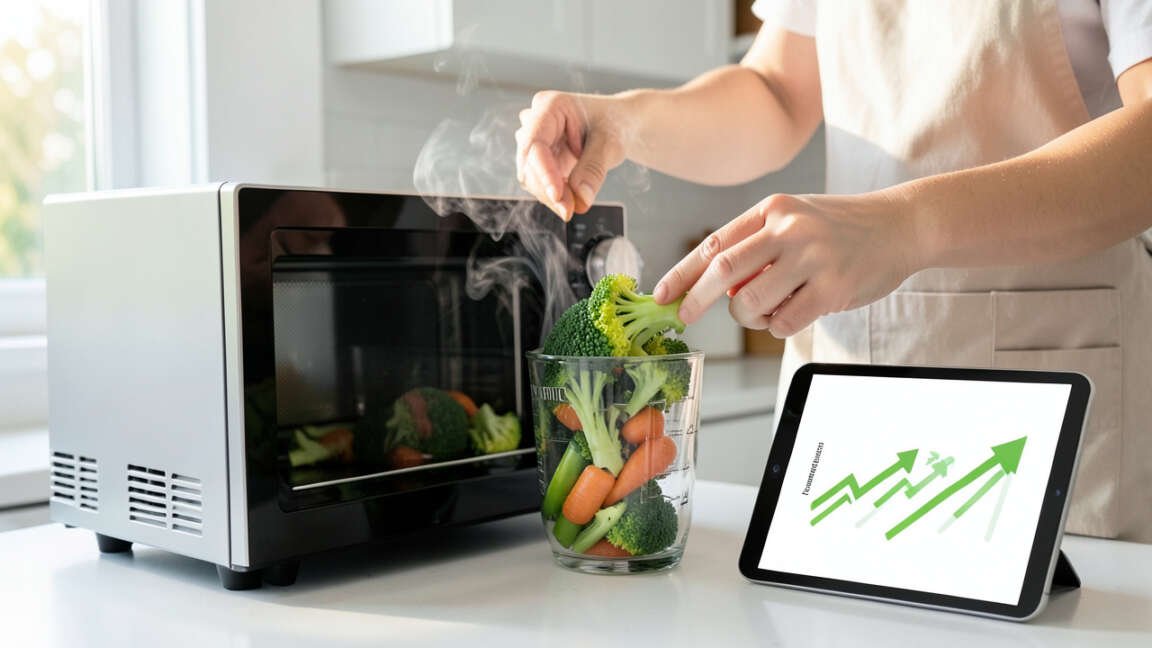
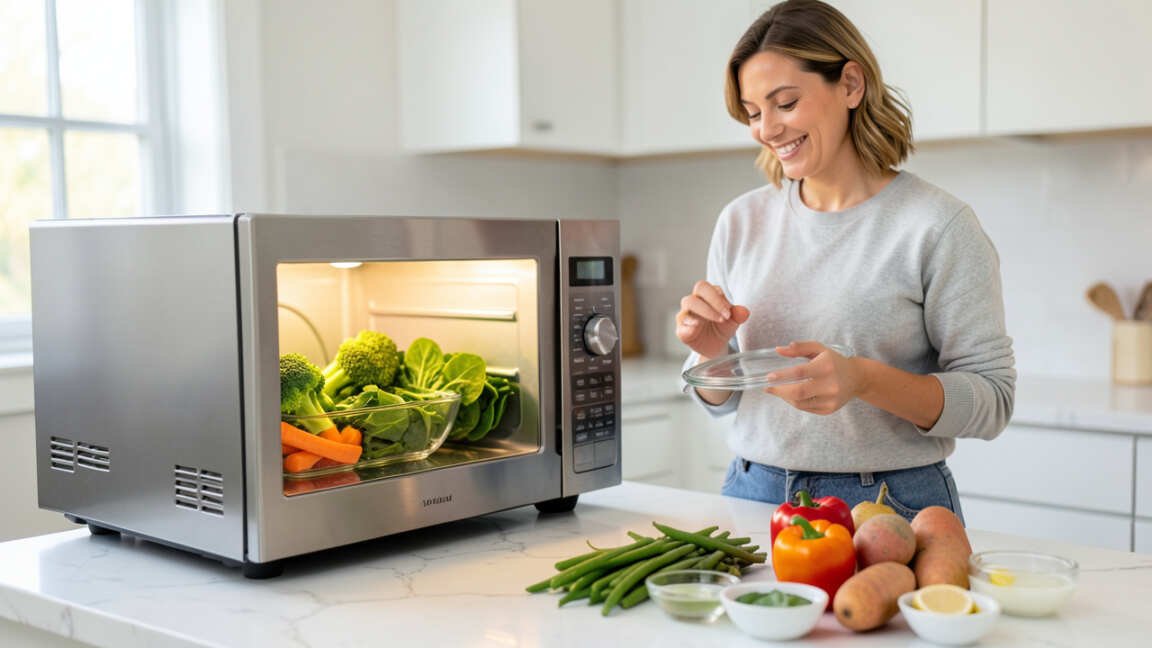
The best technique is to steam vegetables in the microwave. Place chopped vegetables in a microwave-safe bowl with just 1-2 tablespoons of water. Cover the bowl with a microwave-safe lid or plate, leaving a small vent.
This creates a steamy environment that cooks the food fast and evenly.
- Chop Uniformly: Cut vegetables into similar-sized pieces for even cooking.
- Add Minimal Water: Use 1-2 tablespoons per cup of vegetables. Just enough to create steam.
- Cover Tightly: Use a microwave-safe cover to trap steam and prevent splattering.
- Cook in Intervals: Microwave on high for 2-3 minutes, then check and stir. Repeat in 1-minute intervals until done.
- Don’t Overcook: Vegetables should be tender-crisp, not mushy. Bright color is a good indicator.
- Consume Quickly: Nutrients continue to degrade over time. Eat microwaved food soon after cooking.
Warning: Never microwave food in closed containers without a vent, such as sealed jars or eggs in their shells. Pressure can build up and cause them to explode.
How Does Microwaving Compare to Other Cooking Methods?
When compared to other common methods, microwaving often comes out ahead for nutrient preservation, especially for vegetables. The key comparison points are cooking time, water usage, and temperature exposure.
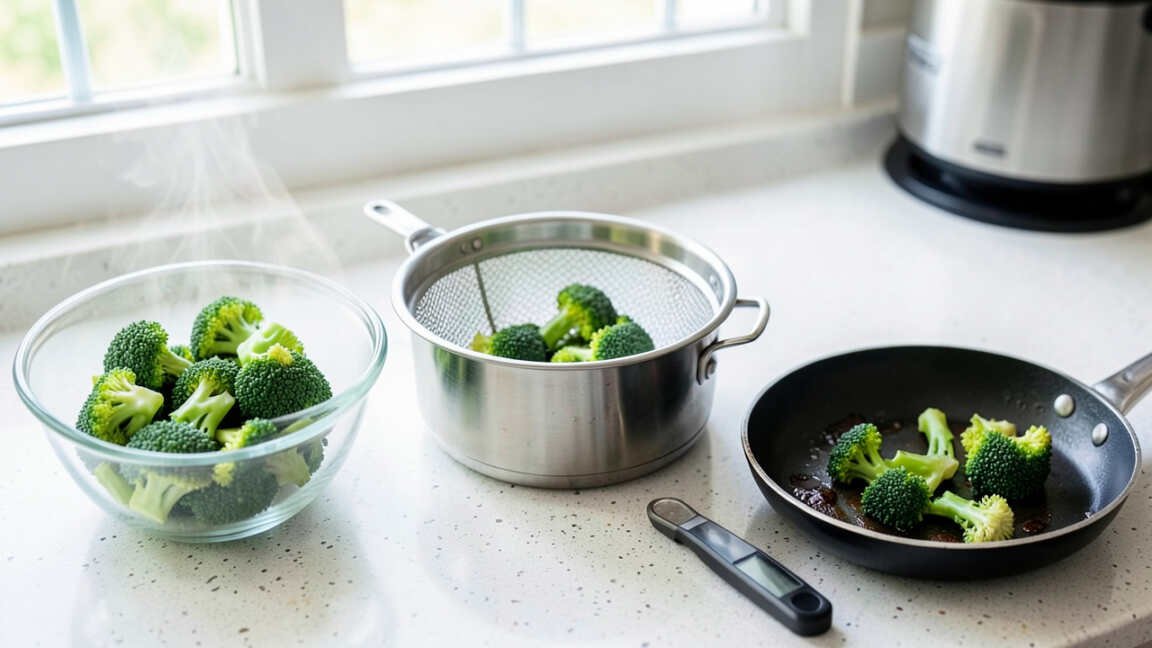
Boiling is particularly detrimental to water-soluble vitamins. A significant percentage of nutrients leach into the water, which is typically poured down the drain. Stir-frying is quick but uses more oil and very high heat, which can degrade some vitamins.
Baking and roasting are slow methods that expose food to heat for extended periods.
| Method | Pros for Nutrients | Cons for Nutrients |
|---|---|---|
| Microwaving | Fast, little water, minimal vitamin leaching | Can overcook if not watched |
| Steaming (Stovetop) | No water contact, gentle heat | Slower than microwave, requires equipment |
| Boiling | Quick, simple | High nutrient loss into water |
| Roasting/Baking | No water, concentrates flavor | Long cook times, high heat |
| Stir-Frying | Very quick cook time | Very high heat, requires oil |
A study from the University of Illinois found that microwaving and steaming preserved more antioxidants in spinach and carrots than boiling. The conclusion is clear: for most vegetables, using less water and less time is the winning strategy, and the microwave excels at this.
Tip: To use leftover microwave cooking water, let it cool and pour it into soups, sauces, or gravies. This recovers some of the leached water-soluble vitamins.
What Are Common Microwaving Mistakes That Reduce Nutrients?
Avoiding a few common errors can make a big difference in the nutritional quality of your microwaved meals. Many people use the microwave incorrectly, which can lead to uneven cooking and unnecessary nutrient loss.
The biggest mistake is overcooking. It’s easy to set the timer for too long, resulting in mushy, nutrient-poor food. Another error is using too much water, which essentially turns steaming into boiling inside the microwave.
Using the wrong container can also be an issue, as some plastics may leach chemicals when heated.
- Overcooking: Cooking until vegetables are completely soft destroys heat-sensitive vitamins.
- Too Much Water: Submerging vegetables causes vitamin leaching, similar to boiling.
- Using No Cover: This allows steam to escape, leading to longer cook times and more nutrient degradation.
- Cooking in Plastic Not Rated for Heat: Always use glass or microwave-safe plastic labeled for heating.
- Reheating Repeatedly: Each reheat cycle causes further nutrient breakdown. Reheat only what you’ll eat.
- Cooking from Frozen Thoroughly: Sometimes, cooking from frozen with a shorter time is better than thawing then cooking for longer.
The USDA notes that reheating leftovers to a safe internal temperature of 165°F is important for food safety, but doing this quickly and with minimal added water helps preserve quality. Use short bursts of heat and stir in between to distribute warmth evenly without overcooking.
How to Microwave Specific Foods for Maximum Nutrition
Different foods require slightly different techniques to preserve their best qualities. Here’s a quick guide for common items.
For vegetables like broccoli, carrots, or green beans, the steaming method described earlier is ideal. Place them in a single layer for even cooking. For denser vegetables like sweet potatoes, pierce them several times with a fork and cook on high for 4-6 minutes per potato, flipping halfway.
This retains more nutrients than boiling whole potatoes.
Best Microwaving Times for Common Vegetables
- Broccoli Florets (1 cup): 2-3 minutes on high with 1 tbsp water.
- Spinach (1 bag): 3-4 minutes on high, stir halfway. It will wilt down significantly.
- Carrot Coins (1 cup): 3-4 minutes on high with 1 tbsp water until tender.
- Cauliflower Florets (1 cup): 3-4 minutes on high with 1 tbsp water.
- Green Beans (1 cup): 3-4 minutes on high with 1 tbsp water.
When cooking grains like oatmeal or rice, use a microwave-safe bowl with a lid. Use the correct water-to-grain ratio and cook on high for the recommended time. Stirring once halfway through helps with even cooking and prevents hot spots.
Does Microwaving Plastic Containers Release Harmful Chemicals?
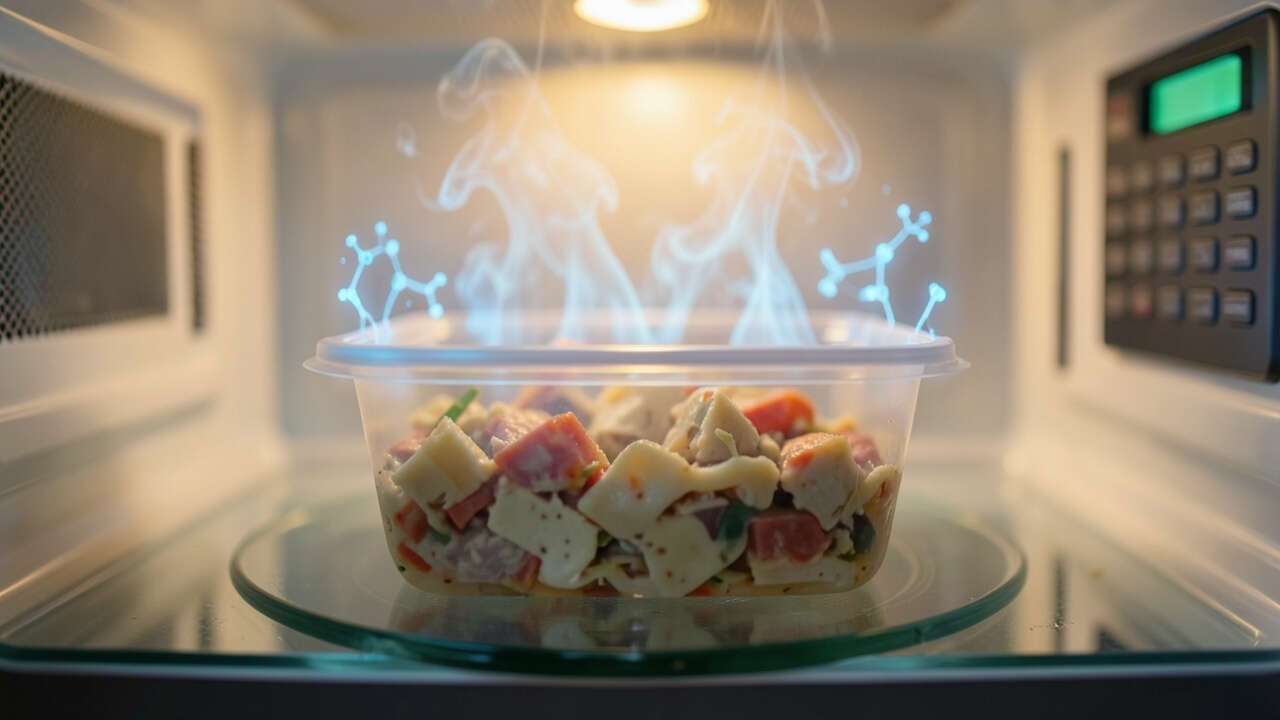
This is a separate but important safety concern that often gets tangled with the nutrient question. Not all plastics are created equal. Some can break down when heated, potentially releasing chemicals into your food.
The key is to only use containers labeled “microwave-safe.” This indicates they have been tested and are stable at microwave temperatures. Avoid using margarine tubs, takeout containers, or single-use plastics, as they can melt or release harmful compounds like BPA or phthalates.
- Safe Options: Glass, ceramic, and plastics labeled “microwave-safe” (usually #1, #2, #4, #5).
- Unsafe Options: Styrofoam, single-use plastic tubs, plastic bags, and containers with metal trim or paint.
- Signs of Wear: Scratched or cloudy plastic containers should be replaced, as damage can increase chemical leaching.
- Best Practice: When in doubt, use glass or ceramic. They are inert and heat evenly.
Important: The FDA regulates microwave-safe plastics. The primary risk comes from using plastics not designed for heating or damaged plastics.
Frequently Asked Questions
Does microwaving kill the vitamins in food?
All cooking methods degrade some heat-sensitive vitamins, like Vitamin C and B vitamins. However, microwaving often preserves more of these nutrients than boiling because it uses shorter cook times and minimal water, which prevents vitamins from leaching out.
Is microwaving food healthy or should I avoid it?
Microwaving is a very healthy cooking method. It requires little to no added fat, preserves nutrients better than many alternatives, and is efficient. The key is to use proper techniques, such as steaming with minimal water and avoiding overcooking.
Can microwaving cause cancer?
No, there is no scientific evidence that microwaving food causes cancer. The radiation from a microwave is non-ionizing, meaning it does not damage DNA. It simply generates heat to cook the food.
Using microwave-safe containers eliminates concerns about chemical leaching.
How can I reheat food in the microwave without making it soggy?
To prevent sogginess, use a microwave-safe lid or paper towel to cover food loosely. This absorbs excess steam. For items like pizza, place a cup of water in the microwave alongside the slice.
The water absorbs microwaves and helps keep the crust crisp.
Do microwaves destroy antioxidants in vegetables?
Antioxidants like beta-carotene and lycopene are generally stable under heat and can become more bioavailable with cooking. Short, gentle cooking methods like microwaving are excellent for preserving these compounds. Boiling, however, can reduce antioxidant levels significantly.
Final Thoughts
The fear that microwaving destroys nutrients is largely a myth. When used correctly, it is one of the most nutritious ways to prepare vegetables and reheat leftovers. The real nutritional culprits are excessive heat, long cooking times, and large amounts of water, not the microwave itself.
By using minimal water, covering your food, and avoiding overcooking, you can enjoy meals that are both convenient and packed with the vitamins and minerals your body needs. The microwave is a powerful tool in the kitchen, and its efficiency can help you maintain a healthy, balanced diet.