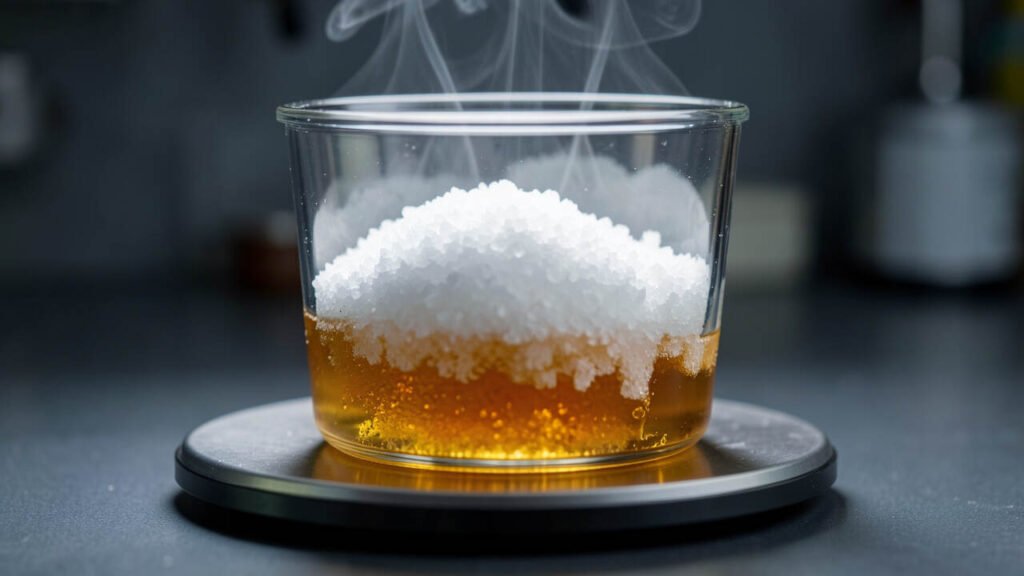
Food caramelises when heated because sugars undergo thermal decomposition at high temperatures, typically above 160°C (320°F), breaking down to form hundreds of new aromatic compounds. This chemical process is responsible for developing rich, complex flavors and a desirable golden-brown color in many cooked foods. Mastering the precise control of heat and timing is crucial for achieving perfect caramelisation without burning, which greatly enhances the taste and appearance of dishes.
Caramelisation is a chemical process that occurs when food is heated, resulting in the browning of sugars and the development of complex flavors and aromas. This phenomenon is crucial in cooking, as it transforms the taste and appearance of many dishes. Understanding why caramelisation happens can help you master cooking techniques and create delicious meals.
Simply put, caramelisation happens when food is heated due to the breakdown of sugars at high temperatures, which leads to new compound formation that enhances flavor and color. It is a fundamental process in cooking that makes food more appealing and tasty.
Key Takeaways
- Caramelisation occurs when sugars in food break down under heat, creating new flavors and colors.
- The process typically starts at temperatures around 160°C (320°F) and varies by food type.
- Caramelisation is different from the Maillard reaction, though both contribute to browning.
- Controlling heat and timing is essential to achieve perfect caramelisation without burning.
- This process is essential in many cuisines for enhancing the taste of meats, vegetables, and desserts.
What is Caramelisation?
Caramelisation is a non-enzymatic browning reaction that occurs when sugars are heated. It involves the thermal decomposition of sugars, leading to the formation of hundreds of new compounds. These compounds contribute to the rich, sweet, and sometimes bitter flavors associated with caramelised foods.
Unlike the Maillard reaction, which requires amino acids, caramelisation is purely about sugar breakdown. It typically happens at higher temperatures, above 120°C (248°F), depending on the type of sugar. For example, glucose caramelises at a lower temperature than sucrose.
- Key points about caramelisation:
- It is a chemical process involving sugar pyrolysis.
- Results in changes in color from golden to dark brown.
- Produces a wide range of flavor compounds.
- Common in both sweet and savory cooking.
According to food scientists, caramelisation is responsible for the appealing taste of many dishes, from crème brûlée to roasted vegetables. It adds depth and complexity to food. The process can be divided into stages, each contributing distinct sensory attributes.
| Sugar Type | Caramelisation Temperature |
|---|---|
| Fructose | 105°C (221°F) |
| Glucose | 150°C (302°F) |
| Sucrose | 160°C (320°F) |
| Lactose | 170°C (338°F) |
This table shows that different sugars caramelize at different temperatures, which is why some foods caramelize faster than others. For instance, fruits high in fructose like apples brown more quickly than dairy products containing lactose.
Tip: When caramelising onions, use a low to medium heat to allow the sugars to break down slowly without burning. This can take 30-45 minutes for optimal results.
How Does Caramelisation Happen When Food Is Heated?
Caramelisation happens when food is heated through a series of chemical reactions. Initially, the heat causes water to evaporate from the food surface. As the temperature rises, the sugars begin to decompose.
This decomposition leads to the formation of new compounds, such as diacetyl for buttery flavor and furans for nutty notes.
The process can be broken down into stages: first, the sugar melts; then, it starts to brown; finally, it can burn if overheated. Each stage contributes different flavors and colors. For instance, light caramelisation adds sweetness, while deeper caramelisation introduces bitterness.
The speed of heating plays a critical role; rapid heating may skip stages and cause uneven browning.
- Steps of caramelisation when heating food:
- Heat is applied to the food, increasing its surface temperature.
- Water evaporates, concentrating the sugars.
- Sugars reach their caramelisation point and begin to break down.
- New compounds are formed, changing flavor and color.
- The process continues until desired caramelisation is achieved or burning occurs.
It’s important to note that caramelisation is a time-temperature dependent process. Faster heating might lead to burning, while slower heating allows for more controlled browning. Factors like food moisture, sugar type, and pan material also influence the outcome.
Warning: Do not leave food unattended during caramelisation, as it can quickly go from perfect to burnt due to the rapid temperature changes. Keep a close eye on the color and smell.
The Chemistry Behind Caramelisation
The chemistry of caramelisation involves the thermal degradation of sugars. When sugars are heated, they undergo pyrolysis, which is decomposition at high temperatures. This results in the formation of hundreds of compounds, including aldehydes, ketones, and furans.
These compounds are responsible for the characteristic flavors and aromas.
For example, the breakdown of sucrose yields glucose and fructose, which further decompose. The Maillard reaction, often confused with caramelisation, involves amino acids and reducing sugars, but caramelisation is solely about sugars. The two processes can occur simultaneously in foods containing both sugars and proteins, but they have distinct chemical pathways.
- Key chemical reactions in caramelisation:
- Sugar dehydration: removal of water molecules.
- Fragmentation: breaking of sugar molecules into smaller units.
- Condensation: recombination of fragments to form new compounds.
- Oxidation: reaction with oxygen, leading to browning.
According to the Journal of Agricultural and Food Chemistry, over 100 compounds can be identified in caramelised sugar, each contributing to the overall flavor profile. This complexity is why caramelisation is so valued in culinary arts.
Research shows that acids, such as those from citrus or vinegar, can lower the caramelisation temperature by catalyzing sugar breakdown. This is why adding a splash of lemon juice to caramel sauce can help it brown faster and more evenly.
Different Types of Caramelisation in Cooking
Caramelisation manifests in various forms in cooking, depending on the food and method. Some common types include dry caramelisation, wet caramelisation, and oven caramelisation. Each type has specific techniques and applications, making it versatile across cuisines.
| Type | Description | Common Uses |
|---|---|---|
| Dry Caramelisation | Heating sugar without water until it melts and browns. | Caramel sauce, candies. |
| Wet Caramelisation | Adding water to sugar to help it melt evenly. | Caramel desserts, flan. |
| Oven Caramelisation | Using dry heat in an oven to brown foods. | Roasted vegetables, baked fruits. |
| Fat-Based Caramelisation | Cooking in oil or butter to enhance browning. | Sautéed onions, pan-seared meats. |
Each type requires different techniques and is suited for specific dishes. For instance, dry caramelisation is quick but requires careful stirring to prevent burning. Wet caramelisation is more forgiving for beginners because the water helps distribute heat evenly.
Important: When making caramel sauce, wet caramelisation is preferred because it allows for better control over the sugar crystallization and final texture.
Why is Caramelisation Important in Food Preparation?
Caramelisation is crucial in food preparation because it enhances the sensory qualities of food. It improves flavor, aroma, and appearance, making dishes more appealing and enjoyable. This process is a cornerstone of both professional and home cooking, elevating simple ingredients to gourmet levels.
- Benefits of caramelisation in cooking:
- Adds depth and complexity to flavors.
- Creates appealing golden-brown colors.
- Enhances the aroma of food, stimulating appetite.
- Provides a contrast in textures, like crispy on the outside.
- Can reduce perceived bitterness in some foods.
In savory cooking, caramelising onions or vegetables brings out natural sweetness. In desserts, it adds a rich, toasty note. According to culinary experts, mastering caramelisation can elevate your cooking from ordinary to exceptional.
It also plays a role in food preservation by creating compounds that inhibit microbial growth.
For example, in the classic French dish onion soup, caramelised onions provide the base flavor. Similarly, the crispy skin on a roast chicken is a result of caramelisation, which locks in juices and adds a savory crust.
Common Mistakes to Avoid When Caramelising Food
Avoiding common mistakes ensures successful caramelisation. Here are the top errors and how to prevent them. Awareness of these pitfalls can save your dish from failure.
- Common mistakes in caramelisation:
- Using too high heat, which leads to burning.
- Not stirring enough, causing uneven browning.
- Adding cold ingredients, which drops the temperature.
- Crowding the pan, preventing proper evaporation.
- Overlooking the sugar content of the food.
By being mindful of these issues, you can achieve perfect caramelisation every time. For example, when caramelising meat, pat it dry first to remove moisture. This allows the surface to brown effectively without steaming.
Warning: Always use a heavy-bottomed pan for caramelisation to distribute heat evenly and prevent hot spots. Thin pans can cause rapid burning.
Tips for Perfect Caramelisation Every Time
Here are expert tips to help you caramelize food perfectly. Follow these guidelines for consistent results. Practice and patience are key to mastering this skill.
- Tips for better caramelisation:
- Preheat your pan before adding food.
- Use medium heat and be patient.
- Don’t overcrowd the pan; cook in batches if needed.
- Use a wooden spoon to stir gently.
- Add a pinch of salt to enhance flavors.
Practicing these tips will improve your cooking skills. Remember, caramelisation is as much about observation as it is about technique. Adjust based on visual and aromatic cues.
For instance, when making caramel candies, use a candy thermometer to monitor temperature precisely. This ensures you hit the right stage for the desired texture, whether soft or hard crack.
Examples of Caramelisation in Popular Dishes
Caramelisation is evident in many beloved dishes around the world. From caramelized onions in French onion soup to the crispy skin of roast chicken, this process is ubiquitous. It demonstrates the versatility of heating food to create flavor.
| Dish | How Caramelisation is Achieved | Key Flavor Impact |
|---|---|---|
| Crème Brûlée | Torching sugar on top until it caramelises. | Adds a crisp, sweet contrast to creamy custard. |
| Caramelized Onions | Slow-cooking onions until sugars break down. | Brings out deep sweetness and umami. |
| Grilled Steak | High-heat searing to brown the surface. | Creates a savory crust and locks in juices. |
| Roasted Vegetables | Oven roasting at high temperature. | Enhances natural sweetness and texture. |
These examples show how versatile caramelisation is in different culinary contexts. Whether sweet or savory, the process adds value to the dish.
Frequently Asked Questions
What is the difference between caramelisation and the Maillard reaction?
Caramelisation involves the breakdown of sugars alone, while the Maillard reaction requires both amino acids and sugars. Caramelisation occurs at higher temperatures and produces sweet, bitter compounds, whereas the Maillard reaction creates savory, umami flavors. Both processes can occur simultaneously in many foods, contributing to overall browning and flavor development.
At what temperature does caramelisation start?
Caramelisation typically starts at temperatures around 160°C (320°F) for sucrose, but it varies based on the type of sugar and the presence of other ingredients. For example, fructose caramelises at a lower temperature of about 105°C (221°F). The exact temperature can shift with additives like acids or salts.
How can I prevent food from burning during caramelisation?
To prevent burning, use medium heat, stir frequently, and do not leave the food unattended. Also, ensure the pan is not overcrowded and consider using a thermometer to monitor temperature. Cooking in batches can help maintain even heat distribution.
What foods are best for caramelisation?
Foods high in natural sugars, such as onions, carrots, apples, and meats, are excellent for caramelisation. The process enhances their sweetness and flavor complexity. Even low-sugar foods can be caramelised by adding a small amount of sugar or cooking with high heat.
Is caramelisation the same as browning?
Browning is a general term for color change in food, which can include caramelisation, the Maillard reaction, or oxidation. Caramelisation is a specific type of browning that involves sugars and occurs through pyrolysis. It is distinguished by its reliance on sugar content alone.
Final Thoughts
Caramelisation is a fundamental process in cooking that happens when food is heated, leading to enhanced flavors and colors. By understanding the science behind it, you can better control your cooking and create more delicious dishes. Remember to practice patience and attention to detail when caramelising food to achieve the best results.