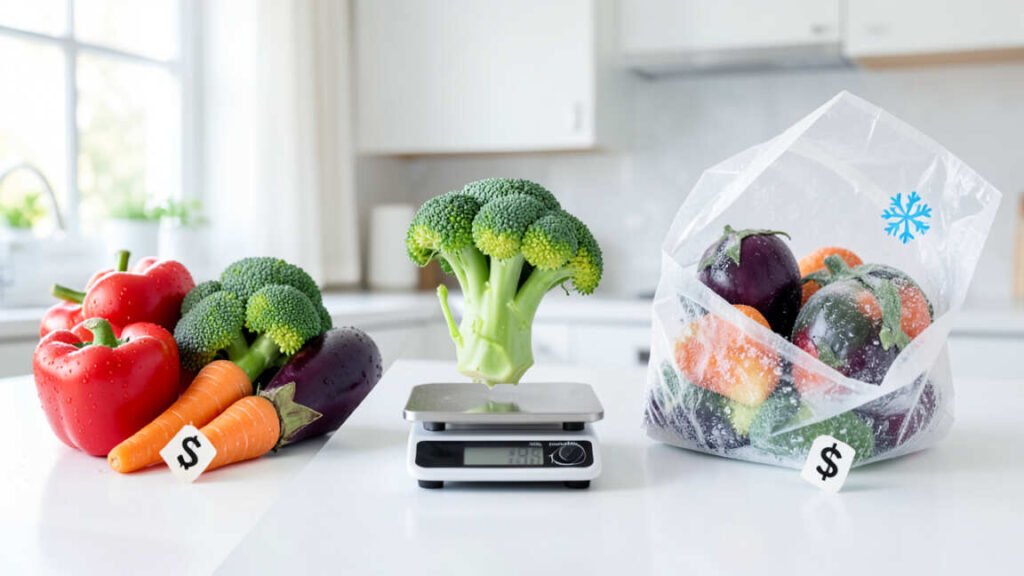
Fresh and frozen vegetables are both nutritionally valuable choices for a healthy diet. However, frozen vegetables are often picked at peak ripeness and flash-frozen immediately, which preserves their vitamin content better than fresh produce that loses nutrients during transport and storage. For consistent nutrition, convenience, and cost-effectiveness, selecting frozen vegetables for many meals is a smart, evidence-based strategy.
Fresh vs frozen vegetables is a common debate in kitchens and grocery aisles. You want the best nutrition for your meals, but which option truly delivers? This comparison cuts through the marketing hype to give you a clear, evidence-based answer.
We will break down the nutritional differences, taste, cost, and best uses for both. You will know exactly which to grab for your next meal. No more guessing at the produce section.
Simply put, both fresh and frozen vegetables are excellent sources of nutrients. Frozen vegetables are often picked at peak ripeness and flash-frozen, locking in vitamins. Fresh vegetables can lose nutrients during transport and storage. For consistent nutrition and convenience, frozen is a powerhouse choice.
Key Takeaways
- Both fresh and frozen vegetables provide essential vitamins, minerals, and fiber for a healthy diet.
- Flash-frozen vegetables are typically processed within hours of harvest, preserving their nutritional value exceptionally well.
- Fresh vegetables can experience nutrient degradation during shipping and time spent on your shelf.
- Taste and texture preferences often decide between fresh vs frozen vegetables for specific recipes.
- Cost-effectiveness and reduced food waste make frozen vegetables a smart, budget-friendly staple.
What is the Difference Between Fresh and Frozen Vegetables?
The core difference lies in the handling process after harvest. Fresh vegetables are transported to stores with minimal processing. They rely on a cold chain to stay crisp until you buy them.
Their “freshness” clock starts ticking the moment they are picked.
Frozen vegetables undergo a specific process. They are blanched in hot water or steam. This stops enzyme action that causes spoilage.
They are then rapidly frozen. This method preserves their color, texture, and nutrients for months.
- Fresh Vegetables: Harvested, cooled, transported, stored at the grocery, then stored at home.
- Frozen Vegetables: Harvested, blanched, flash-frozen, packaged, and stored frozen until use.
- Blanching: A brief heat treatment that deactivates spoilage enzymes but can leach some water-soluble vitamins.
- Flash-Freezing: Freezes vegetables so quickly that large ice crystals do not form, protecting cell structure.
- Local vs. Imported: Locally grown fresh vegetables have a shorter time from farm to table, potentially retaining more nutrients.
Tip: “Fresh” at the store does not always mean “just picked.” Some produce travels thousands of miles and can be weeks old by the time you buy it.
How Does Nutrition Compare Between Fresh and Frozen?
The nutritional showdown is the heart of the debate. Studies show that for many vegetables, frozen options retain vitamins as well as, or sometimes better than, fresh counterparts. The key factor is time from harvest to consumption.
Vitamin C and some B vitamins are sensitive to light, air, and time.
A landmark study in the Journal of Food Composition and Analysis compared vitamins in fresh and frozen produce. It found minimal nutritional differences. In some cases, frozen peas, green beans, and blueberries had higher vitamin levels than their “fresh” store-bought versions.
This is likely because the fresh items had spent more time in transit and on shelves.
| Nutrient Factor | Fresh Vegetables | Frozen Vegetables |
|---|---|---|
| Vitamin C | Decreases with storage time and exposure to air/light. | Well-preserved due to blanching and rapid freezing. |
| B Vitamins | Sensitive to light and water; can leach during washing. | Blanching may cause slight loss, but freezing locks in the rest. |
| Fiber & Minerals | Very stable; largely unaffected by time or freezing. | Excellent retention. Freezing has little impact. |
| Antioxidants | Can degrade with UV light and bruising. | Often higher because vegetables are frozen at peak ripeness. |
This table summarizes that while some vitamins in fresh vegetables decline, frozen vegetables offer consistent, reliable nutrition. The blanching process is a minor trade-off for long-term preservation.
Why Do Fresh Vegetables Lose Nutrients Over Time?
Vegetables are living tissues even after harvest. They continue to respire, using up their stored sugars and vitamins. The primary enemies of nutrient retention are time, heat, light, and oxygen.
The longer a vegetable sits, the more its vitamin content diminishes.
Transportation compounds this issue. A head of lettuce may be picked in California, trucked across the country, and sit in a distribution center before reaching a store. By the time you buy it, days or even weeks have passed.
Handling and bruising also damage cell walls, accelerating nutrient loss.
- Respiration: Vegetables “breathe,” consuming their own nutrients for energy after harvest.
- Oxidation: Exposure to air breaks down compounds like Vitamin C.
- Light Exposure: Fluorescent lights in stores can degrade certain vitamins.
- Temperature Fluctuations: Improper cooling speeds up deterioration.
- Physical Damage: Bruising from handling creates entry points for spoilage and nutrient breakdown.
Warning: Do not assume “organic” means “more nutritious.” Organic farming affects pesticide use, not necessarily the vitamin content of the vegetable itself.
How Does Taste and Texture Differ?
Taste is subjective, but texture is a major differentiator. Fresh vegetables typically offer a superior crunch and firmer texture. This is ideal for raw salads, crisp stir-fries, or any dish where texture is the star.
The cell structure of fresh produce remains intact.
Freezing causes water inside vegetable cells to expand into ice crystals. These crystals can puncture cell walls. Upon thawing, this leads to a softer, sometimes mushy texture.
This is why frozen vegetables are better suited for cooked dishes like soups, stews, casseroles, and sauces. Blanching before freezing helps minimize this effect.
- Fresh is Best For: Salads, crudités with dip, quick sautés, garnishes.
- Frozen is Best For: Soups, stews, smoothies, casseroles, pasta sauces, roasted dishes.
- Flavor Concentration: Some find frozen vegetables have a more concentrated, “peak” flavor because they are picked at ideal ripeness.
- Texture Tip: To use frozen vegetables in a stir-fry, add them directly from frozen to a very hot pan to minimize steaming and retain some bite.
What is the Cost and Convenience Comparison?
This is where frozen vegetables often win decisively. The upfront cost per ounce is frequently lower. More importantly, the cost of wasted food is significantly reduced.
Fresh vegetables spoil quickly. You might buy a bunch of herbs or a bag of spinach only to find half of it wilted and slimy in a few days.
Frozen vegetables have a long shelf life, reducing waste to almost zero. They are always available, regardless of season. You never have to worry about them going bad before you can use them.
This convenience factor supports consistent, healthy cooking.
| Factor | Fresh Vegetables | Frozen Vegetables |
|---|---|---|
| Purchase Price | Can be higher, especially for out-of-season or organic items. | Generally lower cost per serving. |
| Shelf Life | 3-7 days for most leafy greens and soft vegetables. | 8-12 months when kept frozen. |
| Food Waste Risk | High. Spoilage is common. | Extremely low. Use only what you need. |
| Prep Time | Washing, peeling, chopping required. | Pre-washed, pre-cut, and ready to cook. |
| Availability | Seasonal. Some items are scarce in winter. | Available year-round. |
This comparison highlights that while fresh has a textural edge, frozen offers unmatched value in terms of cost, shelf-life, and convenience. For busy households, frozen vegetables are a strategic kitchen staple.
Which Vegetables Are Best Bought Frozen?
Not all vegetables freeze equally well. Hardy, low-moisture vegetables tend to maintain their quality better after freezing. Delicate, high-water-content vegetables can become unpleasantly mushy.
Knowing which to buy frozen can improve your meals.
- Peas: Sweet peas are a classic frozen winner. They retain sweetness and pop perfectly in pasta and rice dishes.
- Spinach: Frozen spinach is dense, easy to store, and perfect for adding to smoothies, curries, and baked dishes without shrinking into nothing.
- Broccoli & Cauliflower: Florets freeze well. They are great for adding to soups, roasts, and stir-fries.
- Green Beans & Corn: These hold their texture and flavor admirably from frozen.
- Root Vegetables (Carrots, Butternut Squash): Often sold pre-cubed, they are perfect for roasts and stews.
- Berry Mixes (For Smoothies): While fruit, not vegetable, they demonstrate flash-freezing’s power to preserve delicate items.
Important: Avoid freezing lettuce, cucumbers, and tomatoes. Their high water content turns them into a watery, mushy mess when thawed.
Which Vegetables Are Better Fresh?
Some vegetables are best enjoyed in their fresh state to appreciate their true character. These are typically the ones prized for their crisp texture or those that are so delicate freezing ruins them. Local, seasonal buying maximizes their benefit.
- Leafy Greens for Salads: Romaine, arugula, and spring mix are meant for fresh, crunchy salads. Freezing destroys their texture.
- Crunchy Snacking Vegetables: Celery, bell peppers, and radishes are best fresh for dipping or snacking.
- Tender Herbs: Basil, cilantro, parsley, and dill lose their vibrant flavor and color when frozen. Use them fresh or make herb-infused oils.
- Mushrooms: Their unique, meaty texture is lost when frozen. Buy fresh and cook promptly.
- Asparagus: Best enjoyed fresh for its distinctive snap and flavor. Use within a few days of purchase.
How Can You Maximize Nutrition from Both Sources?
Regardless of your choice, handling methods matter. The goal is to minimize nutrient loss during storage and cooking. Simple strategies can help you get the most from your vegetables, whether they come from the produce aisle or the freezer section.
- Store Fresh Properly: Keep most vegetables in the crisper drawer. Use perforated plastic bags to control moisture. Wash right before use, not before storing.
- Cook Smart: Use minimal water and shorter cooking times. Steaming or microwaving preserves more water-soluble vitamins than boiling. If you boil, use the nutrient-rich water in a sauce or soup.
- Don’t Thaw Frozen Vegetables: Cook them directly from frozen. Thawing can cause nutrient loss and create excess water.
- Eat the Rainbow: Rotate your vegetable choices to get a wide spectrum of vitamins and antioxidants.
- Plan Meals: Use fresh vegetables within a few days of purchase. Rely on frozen for backup and for busy weeknights.
What Do Major Health Organizations Say?
Leading dietary guidelines from organizations like the USDA and the Academy of Nutrition and Dietetics emphasize quantity over source. Their message is clear: eat more vegetables, period. Both fresh and frozen count toward your daily recommended intake.
Frozen vegetables are recognized as a nutritious, convenient way to meet these goals.
The CDC also notes that frozen and canned (low-sodium) vegetables are excellent alternatives to fresh. They can be more affordable and accessible, especially in food deserts or during off-seasons. The priority is to reduce barriers to vegetable consumption.
Tip: Look for frozen vegetables with no added sauces or high-sodium seasonings. Choose “plain” and season them yourself for the healthiest option.
Frequently Asked Questions
Are frozen vegetables as healthy as fresh?
Yes, often they are just as healthy, or even more so. Frozen vegetables are processed at peak ripeness, locking in nutrients. Fresh vegetables can lose vitamins during transport and storage.
Both are excellent choices for a nutrient-dense diet.
Does blanching before freezing reduce nutrition?
Blanching does cause a small loss of water-soluble vitamins like vitamin C and some B vitamins. However, this process is essential to preserve texture and prevent spoilage. The remaining nutrient profile is still very high and stable for months in the freezer.
Can I use frozen vegetables in a raw salad?
It is not recommended. The freezing and thawing process ruptures cell walls, resulting in a soft, mushy texture that is unappealing in a raw salad. Save your frozen vegetables for cooked dishes where this texture is acceptable.
How should I store fresh vegetables to keep them nutritious?
Store most vegetables in the refrigerator’s crisper drawer to maintain humidity. Use breathable bags or containers. Do not wash them until right before use, as excess moisture promotes spoilage.
Use them within a few days for maximum nutrition.
What about organic versus conventional vegetables?
The choice between organic and conventional affects pesticide exposure, not necessarily the core vitamin and mineral content. Both organic and conventional fresh and frozen vegetables are nutritious. Choose based on your budget, pesticide concerns, and availability.
Final Thoughts
The fresh vs frozen vegetables debate ends with a tie—both are winners. Frozen vegetables offer consistent nutrition, cost savings, and incredible convenience. Fresh vegetables provide unmatched texture for raw dishes and snacking.
A smart kitchen uses both strategically. Prioritize filling half your plate with vegetables, no matter the source. Your health benefits either way.