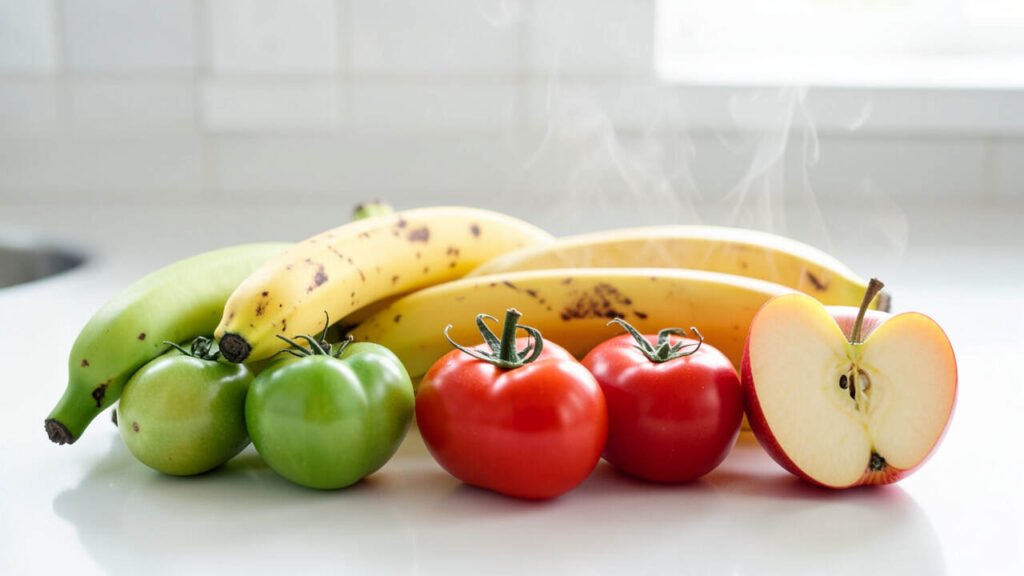
Yes, ripeness fundamentally changes the nutritional composition of fruits by altering the concentration and bioavailability of vitamins, antioxidants, and sugars. During ripening, heat-sensitive nutrients like vitamin C often decrease, while beneficial compounds such as carotenoids and anthocyanins increase, and starches convert to simple sugars, raising caloric content. The optimal ripeness for consumption depends on individual health goals, as it involves balancing peak flavor with targeted nutrient density for specific dietary needs.
Simply put, yes. Ripening significantly changes a fruit’s nutritional profile. While some nutrients like vitamin C may decrease, the availability of others like antioxidants increases, and natural sugars rise. The “best” time to eat a fruit depends on your specific health goals.
Key Takeaways
- Fruit ripeness dramatically alters the concentration and bioavailability of vitamins, antioxidants, and phytochemicals.
- As fruit ripens, starches convert to simple sugars, increasing sweetness and caloric content from carbohydrates.
- Certain nutrients, like vitamin C and some B vitamins, are sensitive to heat and light, and their levels often decline with full ripeness.
- The ripening process typically increases the levels of beneficial antioxidants like carotenoids and anthocyanins, making them more accessible.
- The ideal ripeness for consumption balances peak flavor with optimal nutrient density, which can vary by fruit type and personal dietary needs.
What is Fruit Ripening? The Science Behind the Change
Fruit ripening is a genetically programmed series of events that makes the fruit appealing to animals, which aids in seed dispersal. This natural process is triggered by the plant hormone ethylene. As the fruit matures on the plant, it begins to produce ethylene, which kickstarts a cascade of biochemical reactions.
These reactions lead to the softening of cell walls, the conversion of complex starches into simple sugars, the development of aromatic compounds, and the degradation of chlorophyll (which makes the fruit change from green to its characteristic ripe color.
- Softening: Enzymes like polygalacturonase break down pectin in cell walls, making the fruit tender.
- Sweetening: Enzymes convert starch into glucose, fructose, and sucrose. This is why a banana tastes sweeter as it develops brown spots.
- Color Change: Chlorophyll breaks down, revealing or producing new pigments like carotenoids (yellows, oranges) and anthocyanins (reds, blues, purples).
- Aroma Development: Volatile organic compounds are produced, giving ripe fruit its distinctive, appealing smell.
It’s important to distinguish between ripening (a natural, internal process) and senescence (over-ripening and decay). Once a fruit is harvested, its ripening can continue, but it no longer receives nutrients from the plant.
How Ripeness Affects Vitamin Content in Fruits
The impact of ripeness on vitamins is not uniform across all fruits. Some vitamins remain stable or even increase, while others are highly susceptible to degradation during the ripening process. Understanding these changes is key for maximizing nutritional intake.
| Vitamin | Effect of Ripening | Key Fruits Affected |
|---|---|---|
| Vitamin C (Ascorbic Acid) | Typically decreases. It’s sensitive to heat, light, and oxygen, which increase during ripening. | Mangoes, papayas, kiwis, strawberries. |
| B Vitamins (e.g., B6, Folate) | Can decrease. Water-soluble and can be degraded by metabolic activity during ripening. | Bananas (B6), oranges (folate). |
| Vitamin A / Beta-Carotene | Increases. Carotenoids are synthesized as the fruit ripens and changes color. | Mangoes, cantaloupe, apricots, tomatoes. |
| Vitamin E | Generally stable but can be part of the cell membrane changes during ripening. | Kiwis, avocados (technically a fruit). |
This table highlights that for some nutrients, a slightly under-ripe fruit may be beneficial, while for others, full ripeness is ideal. For example, a firmer, less ripe mango may retain more vitamin C, while a fully ripe, orange-fleshed mango offers more beta-carotene.
Tip: If you’re buying fruit for its vitamin C content (like kiwis or strawberries), choose fruit that is ripe but not over-soft or bruised. For beta-carotene-rich fruits (like cantaloupe or mango), wait for full color development.
What Are the Changes in Antioxidants and Phytochemicals?
This is where ripening often delivers a nutritional upgrade. Many of the healthiest compounds in fruits—antioxidants and phytochemicals—are actively produced or become more bioavailable as the fruit ripens. These compounds fight oxidative stress in the body and are linked to reduced inflammation and chronic disease risk.
- Anthocyanins: These pigments give berries, grapes, and red apples their deep colors. Their concentration increases significantly as fruit ripens. A study on strawberries found that anthocyanin levels were highest in fully ripe, red fruit compared to lighter-colored specimens.
- Carotenoids: Beyond providing color, carotenoids like lycopene (in tomatoes and watermelon) and beta-carotene (in oranges and mangoes) are powerful antioxidants. Lycopene content in tomatoes can increase by 30-40% during ripening.
- Phenolic Compounds: The total phenolic content, which includes flavonoids and phenolic acids, can increase during ripening. Research on apples shows that polyphenol levels are higher in the skin and increase as the fruit reaches full maturity.
- Bioavailability: The softening of cell walls during ripening may make these antioxidants easier for your body to absorb. A ripe fruit isn’t just richer in these compounds; it may deliver them more efficiently.
However, there is a trade-off. Some studies suggest that very ripe, over-soft fruit may begin to show a decline in certain antioxidants due to the onset of decay. The peak is often at the point of perfect ripeness for consumption.
How Does Ripeness Influence Fiber and Sugar Content?
The most noticeable change in a ripening fruit is its taste, driven by a dramatic shift in carbohydrate composition. This has direct implications for both dietary fiber and sugar intake. The process is a simple conversion that changes how your body processes the fruit.
- Starch Conversion: Unripe fruits like bananas and pears are high in complex starches, which are not sweet. As they ripen, enzymes convert these starches into simple sugars—sucrose, glucose, and fructose.
- Sugar Spike: A green, firm banana may have only 1% sugar by weight, while a fully ripe, spotted banana can contain over 16% sugar. This makes ripe fruit a quick source of energy but also increases its glycemic impact.
- Fiber Changes: Total dietary fiber content doesn’t change dramatically with ripening. However, the type of fiber can. Insoluble fiber remains, but the soluble fiber, pectin, is broken down during softening. This can affect satiety and digestion.
For individuals managing blood sugar, this is a critical consideration. A slightly under-ripe fruit may cause a slower, more gradual rise in blood glucose compared to a very ripe, sweet version of the same fruit.
| Fruit (Per 100g) | Total Sugars (Unripe) | Total Sugars (Ripe) | Key Difference |
|---|---|---|---|
| Banana | ~1-2g | ~12-16g | Starch turns to sugar |
| Peach | ~4-5g | ~8-10g | Starches and acids decrease |
| Avocado | Low sugar, high starch | Very low sugar, high fat | Starch converts to monounsaturated fat |
As this table shows, the change is most dramatic in high-starch fruits like bananas. For fruits like avocados, the ripening process converts starches not to sugar, but to healthy monounsaturated fats, making them a unique case.
Why Is Glycemic Index Affected by Fruit Ripeness?
The conversion of starch to sugar has a direct impact on a fruit’s glycemic index (GI), which measures how quickly a food raises blood glucose levels. This is a crucial piece of information for people with diabetes, insulin resistance, or those simply looking to manage their energy levels.
A lower GI food causes a slower, more gradual rise in blood sugar, while a high GI food causes a quicker spike. Ripeness can significantly alter a fruit’s GI value. The clearest example is the banana.
- Green/Unripe Banana: Has a lower GI of around 42. The resistant starch acts more like fiber.
- Yellow/Ripe Banana: Has a higher GI of around 62. The sugars are readily available.
- Spotted/Very Ripe Banana: Can have a GI approaching 70, which is considered high.
This principle applies to other fruits as well. A firm, crisp pear will generally have a lower glycemic impact than a very soft, sweet one. For optimal blood sugar control, choosing fruit that is ripe but still has some firmness can be a beneficial strategy.
Warning: Relying solely on the sweetness of fruit to judge its healthiness can be misleading. While a sweet, ripe fruit is rich in antioxidants, it also delivers a quicker sugar load. Always consider your individual health goals.
What Are the Best Practices for Selecting and Storing Fruit?
Knowing how ripeness affects nutrition empowers you to make targeted choices at the grocery store or farmers’ market. Your selection and storage techniques can help you enjoy fruits at their peak nutritional profile.
Selecting Fruit Based on Your Goals
Walk through the produce section with a purpose. Your goal should guide your hand.
- For Maximum Vitamin C: Choose citrus fruits, kiwis, and berries that are firm, heavy for their size, and free of bruises. Avoid overly soft specimens.
- For Peak Antioxidant Levels: Look for deep, vibrant colors. A dark red strawberry, a deep purple plum, or a bright orange cantaloupe will have higher anthocyanin and carotenoid levels.
- For Lower Sugar Intake: Select fruits that are ripe but not overly soft. Bananas with more green than yellow, firm pears, and apricots with a slight tartness are good choices.
- For Best Flavor and Texture: This is where personal preference comes in. Use sight, smell, and touch. A ripe peach should have a strong, sweet aroma and yield gently to pressure.
Storing Fruit to Preserve Nutrients
Proper storage can slow down nutrient degradation after purchase. Some fruits should be counter-ripened, while others belong in the fridge.
- Counter- Ripeners: Bananas, avocados, peaches, pears, and tomatoes should be stored at room temperature until ripe. Once ripe, most can be transferred to the refrigerator to slow further softening.
- Refrigerate Immediately: Berries, grapes, cherries, and citrus fruits should be refrigerated from the start to prevent mold and nutrient loss.
- Separate Ethylene Producers: Fruits like apples, bananas, and avocados release high amounts of ethylene gas, which accelerates ripening in other produce. Store them separately from ethylene-sensitive items like leafy greens.
Freezing is also an excellent way to preserve nutrients. Flash-frozen fruits are typically picked at peak ripeness and frozen quickly, locking in vitamins and antioxidants that might otherwise degrade on the shelf.
How Does Cooking or Processing Interact with Ripeness?
The nutritional story doesn’t end at ripeness. How you prepare and consume the fruit adds another layer of impact. The interaction between ripeness and processing methods can either preserve or diminish the nutrients you’re trying to get.
Cooking fruit can both help and harm. Heat can break down cell walls, potentially making some antioxidants like lycopene in tomatoes more bioavailable. However, prolonged heat can destroy heat-sensitive vitamins like vitamin C and B vitamins.
- Fresh and Ripe: Eating fruit fresh and raw at peak ripeness is the best way to get the full spectrum of its nutrients, including heat-sensitive vitamins and volatile compounds.
- Smoothies and Juicing: Blending whole fruit retains all the fiber, which helps moderate sugar absorption. Juicing removes fiber, concentrating the sugars and reducing the fruit’s glycemic benefit.
- Baking and Stewing: Baking apples or stewing plums will degrade some vitamin C but can enhance the availability of other antioxidants. The added benefit is that you can use less-ripe, firmer fruit, which may have higher vitamin C to begin with.
- Drying: Drying concentrates sugars and calories while preserving fiber and some antioxidants. Be mindful of portion sizes, as it’s easy to overconsume calories from dried fruit.
The key takeaway is to vary your fruit intake. Enjoy some fresh and ripe, cook others, and use frozen fruits in smoothies. This dietary variety ensures you benefit from the full range of nutrients, regardless of how they change with ripeness and processing.
Who Needs to Pay Special Attention to Fruit Ripeness?
While everyone can benefit from understanding fruit ripeness, certain groups should be particularly mindful of these nutritional changes due to specific health considerations.
- People with Diabetes or Insulin Resistance: This group must consider the glycemic impact of fruit. Choosing less-ripe, firmer versions of high-sugar fruits like bananas can help manage blood glucose spikes. Pairing fruit with protein or fat (like a handful of nuts) can also slow sugar absorption.
- Individuals Focused on Weight Management: The lower sugar and higher resistant starch content in less-ripe fruit can promote greater feelings of fullness (satiety) and a slower energy release, which may aid in weight control efforts.
- Athletes and Active Individuals: For quick energy before or after a workout, a very ripe, high-sugar fruit like a banana or date is an excellent, natural choice. The sugars are rapidly absorbed to fuel activity and replenish glycogen stores.
- Those with Digestive Sensitivities: Some people find that very ripe fruits, where pectin and fiber are broken down, are easier to digest. Conversely, the resistant starch in green bananas can act as a prebiotic, feeding beneficial gut bacteria, but may cause gas in some individuals.
- Parents of Young Children: Offering a variety of fruit at different stages of ripeness can expose children to a range of flavors and textures, potentially encouraging a more adventurous palate and balanced nutrient intake.
According to a report from the Centers for Disease Control and Prevention (CDC), only 1 in 10 American adults meets the federal fruit intake recommendations. Understanding and enjoying fruit at all stages of ripeness can be a simple strategy to increase overall consumption and improve diet quality.
Frequently Asked Questions
Is it better to eat fruit ripe or unripe?
There is no single “better” option; it depends on your nutritional goals. Eating fruit ripe maximizes sweetness, antioxidant levels, and availability of some vitamins like beta-carotene. Choosing slightly less-ripe fruit can provide more vitamin C, resistant starch, and a lower glycemic impact.
Does refrigerating fruit stop it from ripening?
Cold temperatures significantly slow down the ripening process and the production of ethylene gas. Once a fruit is ripe, refrigeration can help maintain its quality and nutritional content for a few more days, preventing it from becoming over-ripe and mushy too quickly.
Why are bananas healthier when they are green?
Green bananas are high in resistant starch, a type of prebiotic fiber that resists digestion in the small intestine. This can support gut health, improve insulin sensitivity, and cause a smaller rise in blood sugar compared to ripe, yellow bananas where the starch has converted to sugar.
Do organic fruits ripen differently than conventional fruits?
The ripening process is a natural biological function driven by genetics and the hormone ethylene, so it occurs similarly in both organic and conventionally grown fruits. The key difference may be in pesticide residue levels, not the ripening mechanics or inherent nutritional composition at the same stage of ripeness.
Can I ripen fruit at home to get the best nutrition?
Yes. Many fruits like avocados, peaches, and pears are picked under-ripe for shipping. You can ripen them at home in a paper bag (which traps ethylene gas) to control the process.
This allows you to catch them at their peak ripeness for flavor and nutrition, before they enter the over-ripe, nutrient-degrading stage.
Final Thoughts
The answer to whether ripeness changes the nutritional composition of fruit is a definitive yes. It’s a dynamic process where vitamins, sugars, and antioxidants are in constant flux. By choosing fruit that aligns with your health objectives—whether that’s maximizing antioxidants, managing blood sugar, or enjoying peak flavor—you transform a simple snack into a targeted nutritional tool.
Pay attention to color, firmness, and aroma, and store your produce correctly to get the most benefit from every delicious, nutrient-packed bite.