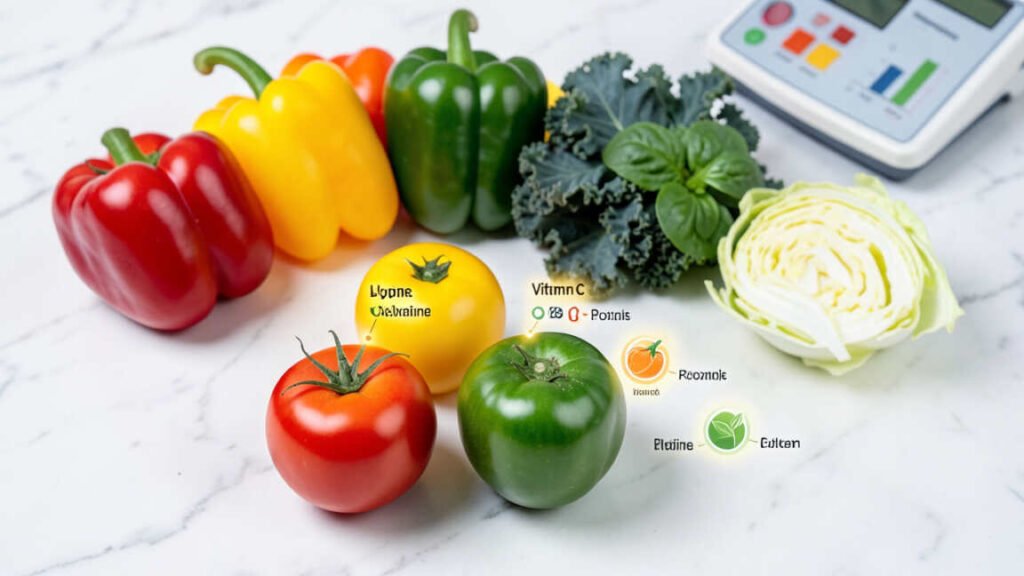
Nutrient levels vary between fruit and vegetable varieties due to a combination of genetic makeup, environmental growing conditions, and specific cultivation methods. For instance, a red delicious apple contains a different nutrient profile than a granny smith apple, with similar variances found in tomatoes and leafy greens. Understanding this allows consumers to select produce that aligns with their specific health goals and dietary needs.
Why do different varieties of the same fruit or vegetable have different nutrients? The answer lies in a combination of genetics, environment, and agricultural practices. A red delicious apple does not have the same nutritional profile as a granny smith, and the same is true for tomatoes, peppers, and leafy greens. This variance is more than just a curiosity; it is a critical factor for anyone looking to maximize their dietary health.
Understanding these differences can help you make smarter choices at the grocery store and in your garden. You will learn how to select the most nutrient-dense options for your specific health goals. This guide breaks down the science and practical tips behind nutrient variation in produce.
Simply put, different plant varieties have unique genetic blueprints that determine their nutrient composition. This genetics, combined with factors like soil quality, sunlight, and water, creates significant differences in vitamins, minerals, and antioxidants even within the same species.
Key Takeaways
- Nutrient levels in fruits and vegetables are primarily determined by plant genetics, making variety selection crucial.
- Environmental conditions like soil health, sunlight exposure, and water availability significantly alter the final nutrient content.
- The specific nutrients in different varieties can range from Vitamin C and A to unique antioxidants like anthocyanins and lycopene.
- Cultivation methods, including organic vs. conventional farming, impact nutrient density and the presence of beneficial compounds.
- Knowing how to choose and store the right varieties helps you maximize the nutritional benefits from your food.
What is Genetic Variation in Produce and How Does it Affect Nutrients?
At its core, the difference starts with DNA. Plant breeders have spent centuries developing distinct cultivars, each with unique traits. These traits are not just about taste, color, or size; they directly influence the biochemistry of the plant.
Some varieties are bred for sweetness, which can mean higher sugar content and potentially different vitamin profiles. Others are developed for disease resistance or longer shelf life, which might affect the concentration of certain phytonutrients. The genetic makeup acts as a blueprint for what nutrients the plant can produce and store.
- Genetic Traits: Varieties are selected for specific genes that control nutrient pathways.
- Phytonutrient Diversity: Different cultivars produce different sets of protective compounds like flavonoids and carotenoids.
- Breeding Priorities: Flavor-focused breeding may differ from nutrition-focused breeding, leading to varied outcomes.
| Fruit/Vegetable | High-Nutrient Variety Example | Key Nutrient Difference |
|---|---|---|
| Tomatoes | Cherokee Purple | Higher in anthocyanins and lycopene. |
| Kale | Red Russian | More Vitamin C and beta-carotene than common curly kale. |
| Apples | Honeycrisp | Higher sugar but also high in quercetin, an antioxidant. |
| Bell Peppers | Red (fully ripe) | Up to 11x more beta-carotene than green varieties. |
This table illustrates that choosing a specific variety, like Cherokee Purple tomatoes over a standard red one, can significantly increase your intake of potent antioxidants.
Tip: Look for “heirloom” varieties at farmers’ markets. These older cultivars often preserve unique genetic traits that contribute to diverse and sometimes superior nutrient profiles.
How Do Growing Conditions Change Nutrient Levels?
Genetics provides the potential, but the environment determines the final result. Two tomato plants of the same variety, grown in different soils or climates, will not have identical nutrient content. This is because plant metabolism reacts to its surroundings.
Factors like sunlight intensity influence photosynthesis and the production of sugars and vitamins. Water availability affects nutrient concentration, as stressed plants might produce more protective compounds. Even the time of harvest plays a role.
- Soil Quality: Rich, loamy soil provides more essential minerals like magnesium and potassium, which the plant absorbs.
- Sunlight Exposure: More sunlight generally increases the synthesis of Vitamins A, C, and E.
- Water Stress: Mild drought can trigger plants to produce more antioxidants as a defense mechanism.
- Temperature: Cooler nights can enhance color development and anthocyanin production in fruits.
| Environmental Factor | Primary Nutrients Affected | Impact on Plant |
|---|---|---|
| High Nitrogen Soil | Leafy greens (nitrate levels) | Promotes rapid leaf growth, can dilute other minerals. |
| Arid Climate | Flavonoids, polyphenols | Increases production of protective antioxidant compounds. |
| Consistent Watering | Fruit size, water-soluble vitamins | Larger fruit size may slightly dilute vitamin concentration. |
According to research from the Rodale Institute, organically grown crops often have higher levels of certain antioxidants and lower levels of cadmium and pesticide residues. The farming system itself becomes a key growing condition that shapes the final nutrient profile of the produce.
What Role Do Cultivation Methods Play in Nutrient Density?
How a plant is farmed is another powerful lever. The distinction between organic and conventional agriculture is well-known, but other practices matter too. Crop rotation, compost use, and even the time of day produce is harvested can make a measurable difference.
Conventional farming often uses synthetic fertilizers that provide readily available nutrients, which can lead to faster growth. However, this might bypass the plant’s natural processes for mineral uptake from healthy soil. Organic methods focus on building soil biology, which can enhance the plant’s ability to absorb a wider spectrum of trace minerals.
- Organic Farming: Emphasizes soil health through compost and cover cropping, often resulting in higher phytonutrient content.
- Conventional Farming: Focuses on high yield and pest control, which may prioritize other traits over nutrient density.
- Regenerative Agriculture: Goes beyond organic to actively restore ecosystem health, potentially creating the most nutrient-rich foods.
- Hydroponics/Aquaponics: Controlled-environment farming can optimize specific nutrient levels by adjusting the mineral solution.
Important: The “Nutrient Density Score” concept, championed by organizations like the Environmental Working Group, ranks foods based on their vitamin, mineral, phytonutrient, and fiber content relative to their calories. Choosing high-scoring varieties within a food group maximizes nutritional bang for your bite.
How Can You Identify More Nutritious Varieties at the Store?
Navigating the produce aisle with nutrition in mind requires a bit of knowledge. You cannot simply look at a label because most conventional fruits and vegetables are not required to have one. Instead, you must rely on visual cues, knowledge of seasons, and where you shop.
Color is one of the most reliable indicators. Deep, vibrant pigments often signal high levels of specific antioxidants. For example, deep red watermelons are higher in lycopene, while bright orange carrots are packed with beta-carotene.
Choosing the most intensely colored version of a fruit or vegetable is a great starting strategy.
- Prioritize Color: Look for the darkest, brightest, or most varied colors within a type.
- Shop Seasonally: Produce picked at peak ripeness and eaten soon after generally has higher vitamin content.
- Choose Local and Fresh: Shorter time from farm to table means less nutrient degradation.
- Ask Farmers: Farmers’ market vendors can tell you exactly which varieties they grow and why.
- Grow Your Own: This gives you complete control over variety, soil, and cultivation method.
Why Does Preparation and Storage Affect Nutrient Levels?
Even after you choose the perfect nutrient-rich variety, how you handle it at home matters. Certain vitamins are fragile and can be lost through improper storage or cooking methods. Water-soluble vitamins like Vitamin C and B vitamins are particularly susceptible.
Storing produce in the wrong conditions can accelerate nutrient loss. For instance, leafy greens wilt quickly, and their vitamins degrade with exposure to heat and light. Cooking with a lot of water can leach nutrients into the cooking liquid.
Steaming or microwaving often preserves more nutrients than boiling.
- Best Practices for Storage: Keep most fruits and vegetables in the refrigerator’s crisper drawer. Store tomatoes at room temperature.
- Optimal Cooking Methods: Steam, roast, or stir-fry vegetables to retain water-soluble vitamins.
- Consumption Timing: Eat fresh produce as soon as possible after purchase for peak nutrient value.
- Freezing Can Be Good: Flash-frozen produce is often frozen at peak ripeness, locking in nutrients effectively.
| Preparation Method | Nutrient Retention | Notes |
|---|---|---|
| Raw | Highest for heat-sensitive vitamins. | Best for salads, snacks. |
| Steaming | Very High. | Minimal nutrient leaching. |
| Boiling | Lower for water-soluble vitamins. | Nutrients leach into cooking water. |
| Microwaving | High. | Quick cooking preserves nutrients well. |
What are the Specific Nutrient Benefits of Choosing Different Varieties?
Different varieties excel in providing different nutrients, allowing you to tailor your diet. If you want more Vitamin K, you might choose kale over spinach or vice versa, depending on the specific cultivar. Understanding these niches helps you build a truly diverse and nutrient-complete plate.
Some varieties are powerhouses for a single nutrient, while others offer a broad spectrum. For example, purple carrots are rich in anthocyanins, the same antioxidants found in blueberries. Choosing a mix of different colored and named varieties ensures you are not missing out on unique health benefits.
- For Antioxidants: Seek out deeply pigmented varieties like purple potatoes, red cabbage, and dark berries.
- For Vitamins: Compare specific varieties. For instance, red bell peppers have more Vitamin C than green ones.
- For Minerals: Some heirloom tomatoes are noted for having higher potassium content.
- For Fiber: Varieties with tougher skins or more seeds often contain higher dietary fiber.
How Does Seasonality Influence the Nutrient Profile of Produce?
Eating with the seasons is more than a culinary trend; it is a nutritional strategy. Fruits and vegetables allowed to ripen fully on the vine or tree under the sun develop their complete nutrient profile. Out-of-season produce is often picked early and shipped long distances, which can result in lower vitamin levels.
A strawberry eaten in June, at the peak of summer, will be sweeter and likely contain more Vitamin C than one imported in January. The plant had the ideal conditions of sunlight and temperature to synthesize those nutrients. Supporting local seasonal agriculture is a direct way to boost your nutrient intake.
Warning: Be cautious with imported produce that has traveled for weeks. While still healthy, its nutrient content—especially delicate vitamins like C and folate—may have degraded significantly by the time it reaches your plate.
Frequently Asked Questions
Is organic produce always more nutritious than conventional?
Not always, but studies often show organic varieties can have higher levels of certain antioxidants and lower levels of pesticides and heavy metals. The primary benefit of choosing organic may be reducing your exposure to synthetic chemicals rather than a guaranteed increase in vitamin content.
Can I tell how nutritious a vegetable is just by looking at it?
Color is a strong indicator of phytonutrient content. Darker, more vibrant colors typically mean more antioxidants. However, you cannot determine exact vitamin or mineral levels by sight alone.
Using color as a guide alongside knowing the variety is your best visual strategy.
Do frozen fruits and vegetables have the same nutrients as fresh?
Often yes, and sometimes even better. Produce is typically flash-frozen at peak ripeness, which locks in nutrients effectively. Fresh produce that has traveled far may lose nutrients over time.
Frozen fruits and vegetables are an excellent, nutrient-dense option year-round.
Why are heirloom varieties considered more nutritious?
Heirloom varieties are prized for preserving genetic diversity. They have not been bred solely for yield, appearance, or shelf life, so they may retain a wider array of micronutrients and phytochemicals that have been lost in some modern commercial cultivars.
How much difference can variety choice really make?
The difference can be substantial. For example, the vitamin C content can vary by more than 50% between different cultivars of the same vegetable. Choosing the most nutrient-dense variety is one of the easiest ways to upgrade your diet without eating more food.
Final Thoughts
The variation in nutrients between different varieties of fruits and vegetables is a fascinating intersection of genetics, agriculture, and nutrition. By understanding that not all carrots or apples are created equal, you gain the power to make more informed choices.
Focus on selecting vibrant, in-season produce, and consider experimenting with different heirloom or colorful varieties. Small changes in what you choose can lead to meaningful improvements in your overall nutrient intake and health.