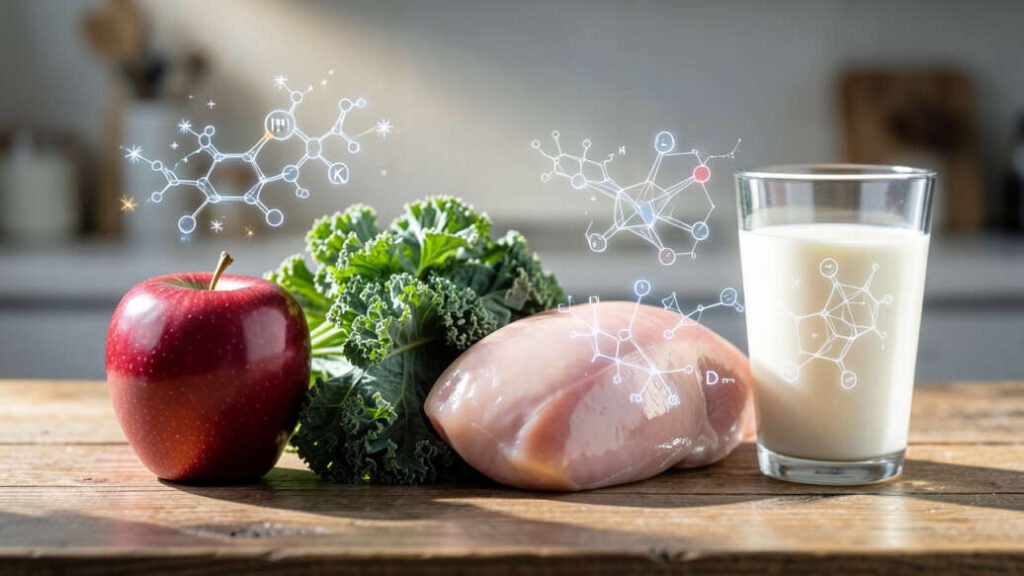
The nutritional values in food actually vary due to a combination of factors affecting growth, harvest, and handling. Key drivers include differences in soil quality, plant genetics, environmental conditions, and post-harvest processing or storage methods. Understanding this variability allows consumers to make informed choices, such as selecting local or seasonal produce, to maximize their dietary nutrient intake.
Why the nutritional composition of the same food can vary is a common question that reveals a fascinating truth about our food supply. The apple you eat today might not have the exact same vitamin content as the one you had last week, even if they look identical. This variation is a natural part of agriculture and food systems, impacting everything from grocery shopping to diet planning.
Simply put, the nutritional composition of food varies due to a combination of factors including genetics, growing conditions, harvesting time, processing methods, and storage. These elements create a spectrum of nutritional value within the same food category, meaning two carrots from the same bag can offer different amounts of beta-carotene.
Key Takeaways
- The nutritional composition of the same food is not fixed and can differ significantly based on environmental and human factors.
- Primary drivers of variation include soil quality, climate, plant genetics, and post-harvest handling.
- Understanding this variability helps in making informed dietary choices and appreciating natural food systems.
- Processing, cooking, and storage methods directly alter the vitamin and mineral content of foods.
- Focusing on a diverse diet is a practical strategy to account for natural nutrient fluctuations.
What Is the Nutritional Composition of Food?
Nutritional composition refers to the specific profile of nutrients contained within a food item. This includes macronutrients like proteins, fats, and carbohydrates, as well as micronutrients such as vitamins and minerals. It also encompasses water content, fiber, and various phytochemicals that contribute to health benefits.
Think of it as a food’s unique fingerprint. While all bananas contain potassium, the exact amount can differ. This fingerprint is shaped by the food’s journey from seed to plate.
According to the United States Department of Agriculture (USDA), the nutrient values listed on packaging are averages, not absolute guarantees for every single item.
- Macronutrients: Provide energy (calories) and building blocks for the body.
- Micronutrients: Vitamins and minerals essential for bodily functions in small amounts.
- Phytochemicals: Natural compounds in plants that often have antioxidant properties.
- Fiber: Indigestible carbohydrates important for digestive health.
- Water Content: Can vary dramatically and affects nutrient density per gram.
The label on a packaged spinach bag gives a snapshot, but the actual spinach leaves inside may have slightly different iron or folate levels. This isn’t an error; it’s a reflection of agricultural reality.
How Does Soil Quality Impact Nutrient Levels in Crops?
The foundation of a plant’s nutrition is the soil it grows in. Soil isn’t just dirt; it’s a living ecosystem of minerals, organic matter, microbes, and water. The nutrient availability in the soil directly influences what a plant can absorb and incorporate into its tissues.
Soil depleted from intensive farming may produce crops with lower mineral content.
Research published in the journal “Nutrients” highlights concerns about declining mineral densities in fruits and vegetables over decades, a phenomenon often linked to modern agricultural practices and soil depletion. For example, the magnesium content in vegetables can vary by as much as 40% depending on the soil where they were grown.
| Soil Factor | Impact on Plant Nutrition |
|---|---|
| pH Level | Determines nutrient availability; acidic or alkaline soils can lock out certain minerals. |
| Mineral Content | Directly provides raw materials for nutrients like calcium, potassium, and iron. |
| Organic Matter | Improves soil structure and holds nutrients, making them accessible to plant roots. |
| Microbial Life | Beneficial bacteria and fungi help break down organic matter and feed the plant. |
Organic farming practices often focus on building rich, healthy soil, which can potentially yield more nutrient-dense produce. However, even within organic farms, variations occur based on field-specific soil conditions.
What Role Do Genetics and Cultivar Differences Play?
Just like dog breeds, plants of the same species come in different varieties, or cultivars. A farmer might choose a tomato cultivar bred for disease resistance, shelf life, or size rather than vitamin C content. The genetic makeup of the plant sets the potential for nutrient production.
For instance, there are hundreds of apple varieties. A tart Granny Smith apple will have a different phytochemical profile compared to a sweet Fuji apple. Studies from Cornell University have shown that antioxidant activity can vary widely between different apple cultivars, sometimes by up to fourfold.
Tip: When possible, choose locally grown, seasonal produce. Local farmers often grow a diverse array of cultivars adapted to your region, which can sometimes mean better flavor and nutrition than standardized commercial varieties.
- Yield-Focused Breeding: May prioritize size and growth speed over nutrient density.
- Flavor-Focused Breeding: Often selects for sugar content, which can correlate with certain vitamin levels.
- Resilience Breeding: Develops plants for drought or pest resistance, which uses plant energy in different ways.
When you buy a bag of pre-mixed salad greens, the proportion of different leafy greens can change between batches, instantly altering the overall nutritional profile of the bag.
How Do Environmental Growing Conditions Create Variation?
Even for the same plant variety in the same soil, the weather and growing environment are powerful variable factors. Sunlight, temperature, rainfall, and stress events like frost or drought all influence plant metabolism and nutrient synthesis.
Plants under moderate stress sometimes produce more phytochemicals as defense compounds. A tomato exposed to ideal, consistent conditions might have different lycopene levels than one that experienced a heatwave followed by heavy rain. The University of California, Davis, notes that light intensity is a key driver for the production of certain vitamins in leafy greens.
- Sunlight Exposure: More light generally increases photosynthesis and can boost vitamin production.
- Water Availability: Both drought and overwatering can stress plants and alter nutrient uptake.
- Temperature Fluctuations: Affects growth rates and the balance of sugars and acids in produce.
- Rainfall Timing: Heavy rain shortly before harvest can dilute the concentration of nutrients in fruits.
- Seasonal Changes: The same crop grown in spring may differ nutritionally from one grown in late summer.
This is why a strawberry picked after a week of sunshine might be sweeter and have a different vitamin profile than one that matured during a cloudy period.
What Is the Impact of Harvest Timing and Maturity?
The precise moment a food is harvested is critical. Produce is typically picked for optimal transport and shelf life, not necessarily for peak nutritional value. A banana picked green will have a different resistant starch and sugar content than one left on the plant to ripen fully.
Research indicates that some nutrients, like vitamin C, can begin to degrade quickly after harvest. A study in the “Journal of Food Science” found that broccoli lost over 50% of its vitamin C within three days of harvest if not properly stored. Therefore, the time between field and fork is a major variable.
| Produce Item | Nutrient Change with Delayed Harvest |
|---|---|
| Tomatoes | Lycopene and vitamin C increase with vine-ripening. |
| Leafy Greens | Vitamin levels begin to decline immediately after picking. |
| Apples | Sugar content rises, while acidity and some antioxidants may decrease. |
| Peas | Sugar rapidly converts to starch after harvest, altering glycemic impact. |
Warning: Do not assume that produce with blemishes or irregular shapes is less nutritious. These are often cosmetic issues related to growing conditions and do not necessarily reflect the vitamin and mineral content inside.
Buying from farmers’ markets where produce is often harvested closer to peak ripeness can sometimes mean higher nutrient levels compared to produce shipped across continents.
How Does Food Processing Alter Nutritional Value?
Once harvested, the journey doesn’t end. Processing, which includes everything from milling grains to freezing vegetables and making juices, significantly changes what’s in your food. Some processes fortify foods, adding nutrients, while others remove them.
The refining of wheat into white flour strips away the bran and germ, removing most of the fiber, B vitamins, and minerals. While many products are enriched, they don’t always receive back all the lost nutrients. According to the World Health Organization, this is a major public health consideration for processed grain consumption.
- Canning: Involves high heat, which can destroy heat-sensitive vitamins like vitamin C and some B vitamins.
- Freezing: Often occurs quickly after harvest, which can better preserve nutrients than prolonged fresh storage.
- Pasteurization: Kills harmful bacteria in milk and juices but can reduce levels of some heat-sensitive vitamins.
- Milling & Refining: Removes the most nutrient-dense parts of grains.
- Fermentation: Can increase certain nutrients (like B vitamins in yogurt) and improve mineral bioavailability.
- Fortification: The intentional addition of nutrients (like iodine in salt) to address deficiencies.
The difference between a whole apple and apple juice is dramatic. The juice lacks the fiber and many of the phytochemicals found in the skin and pulp.
Why Do Storage and Transportation Methods Matter?
The time and conditions under which food is stored before consumption are crucial. Even after purchase, how you store food at home affects its nutritional lifespan. Light, air, heat, and moisture can all degrade nutrients.
Commercial storage often uses controlled atmospheres, adjusting oxygen and ethylene levels to slow ripening. While this extends shelf life, it can still lead to gradual nutrient loss. A study in “Food Chemistry” demonstrated that spinach stored for seven days at refrigerator temperatures lost a significant portion of its folate and vitamin C content.
- Light Exposure: Breaks down certain vitamins, including riboflavin (B2) and vitamins A, C, and K.
- Air (Oxygen): Causes oxidation, which can degrade fats and certain antioxidants.
- Temperature: Warmer temperatures accelerate chemical reactions that break down nutrients.
- Humidity: Too low can cause wilting and water-soluble vitamin loss; too high can promote mold.
- Physical Damage: Bruising damages cell walls, leading to faster nutrient degradation.
Buying in bulk and storing improperly can mean the spinach you eat on Saturday has less nutritional value than the same spinach you ate on Tuesday.
What Practical Steps Can You Take to Maximize Nutrition?
Understanding these variables empowers you, rather than overwhelming you. You don’t need to test every carrot. Instead, you can adopt practices that generally lead to better nutrient intake.
The goal is to make consistent, smart choices over time.
Focus on variety, freshness, and smart preparation. According to the Academy of Nutrition and Dietetics, a diet rich in a wide variety of whole foods is the best way to ensure you get a broad spectrum of nutrients, naturally compensating for any minor variations in individual items.
Important: Nutrient databases and food labels provide average values. They are excellent guides but not exact promises for the specific item in your hand. Use them for planning, not for precise measurement.
- Eat Seasonally and Locally: Reduces time from harvest to plate and supports diverse cultivars.
- Embrace Variety: Don’t eat the same vegetable every day; rotate your choices to get a wider nutrient profile.
- Store Smartly: Keep delicate greens and herbs in the crisper drawer and use them quickly.
- Cook Gently: Steaming or microwaving with minimal water preserves more water-soluble vitamins than boiling.
- Use Fresh vs. Frozen Wisely: Frozen is often flash-frozen at peak ripeness and can be more nutritious than “fresh” produce that has traveled long distances.
- Read Beyond the Headlines: Look for overall diet quality, not just the nutrient count of single foods.
Remember, a slightly less nutrient-dense carrot is still a healthy choice rich in fiber and other compounds. Don’t let perfection be the enemy of good nutrition.
Frequently Asked Questions
Are organic foods always more nutritious than conventional ones?
The evidence is mixed. While some studies suggest organic produce may have slightly higher levels of certain antioxidants, the differences are often small and not consistent across all foods. The primary benefits of organic are typically related to reduced pesticide exposure and farming practices rather than a drastically different nutrient profile.
Soil health and growing conditions are bigger factors than the organic label alone.
Does cooking always reduce the nutritional value of food?
Not always. While cooking can degrade heat-sensitive vitamins like vitamin C, it can also increase the bioavailability of other nutrients. For example, cooking tomatoes increases the amount of lycopene your body can absorb.
Cooking carrots and spinach breaks down cell walls, making beta-carotene and iron more accessible. The method and duration of cooking matter more than the simple fact of cooking.
Why do nutrient values on labels have a range, like “Vitamin C: 45-60mg”?
The range directly accounts for the natural variability we’ve discussed. It reflects that the nutrient content can differ between batches based on soil, weather, and harvest timing. This range provides a more accurate and legally compliant picture than stating a single, fixed number that might not hold true for every single serving from that package.
Can I tell if a food is more nutritious just by looking at it?
Visual cues can give you some hints but aren’t foolproof. Vibrant colors often indicate the presence of phytochemicals like carotenoids or anthocyanins. However, size, shape, or even blemishes are poor indicators of nutritional value.
A small, ugly carrot from a healthy soil can be more nutritious than a large, perfect-looking one from depleted soil. Ultimately, variety and freshness are more reliable guides than appearance alone.
How does this variation affect dietary supplements?
Dietary supplements provide nutrients in isolated, standardized doses, which is why they can have such precise labels. They are not subject to the same agricultural and environmental variability as whole foods. This is a key difference.
Supplements can address specific deficiencies, but they do not provide the complex matrix of fiber, phytochemicals, and other nutrients found in whole foods, which work synergistically for health.
Final Thoughts
The fact that the nutritional composition of the same food can vary is a testament to the natural, complex systems that produce what we eat. This variability is driven by an interconnected web of factors from soil microbes to weather patterns and post-harvest choices. While this may seem uncertain, it underscores the importance of a dietary pattern focused on whole, minimally processed foods and seasonal diversity.
By understanding these influences, you can make choices that align with your health goals while appreciating the natural variation inherent in our food.