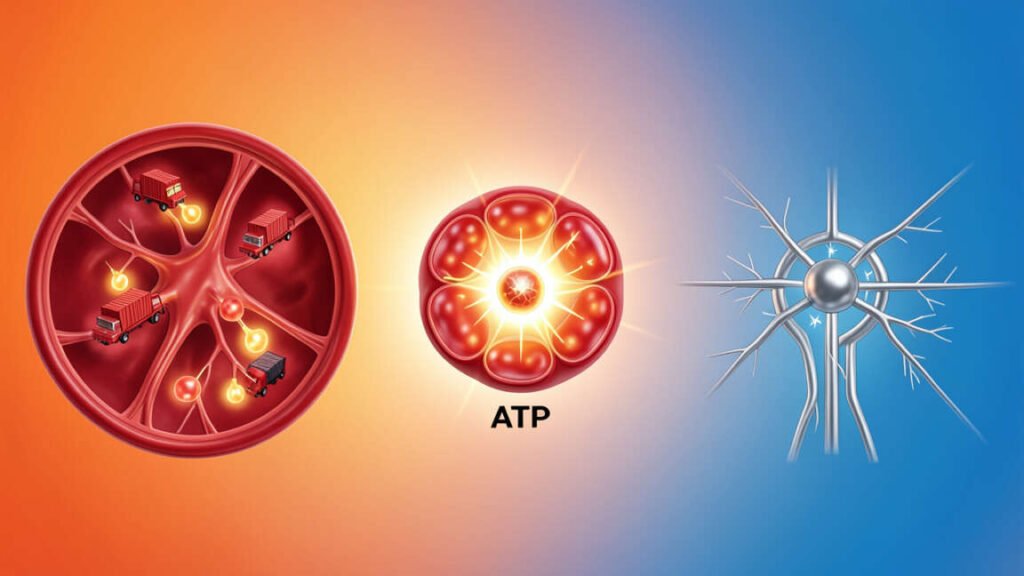
Iron is essential for producing hemoglobin, the protein in red blood cells that carries oxygen from your lungs to all your body tissues. The body also uses iron to make myoglobin, which supplies oxygen to muscles for energy production. A deficiency in iron impairs these functions, directly leading to fatigue, weakness, and a compromised immune system.
What does iron do in your body, and why is it so crucial for your health? This essential mineral plays a starring role in everything from breathing to energy levels. Understanding its functions can help you appreciate why a deficiency can feel so debilitating and how to keep your levels in check.
This post breaks down the vital jobs iron performs, the signs you might be running low, and how to ensure you get enough. We’ll cover the science in simple terms, so you can take control of your well-being.
Simply put, iron is a mineral your body uses to make hemoglobin, a protein in red blood cells that carries oxygen from your lungs to every tissue. Without enough iron, your body can’t produce adequate oxygen-carrying red blood cells, leading to fatigue, weakness, and a weakened immune system.
Key Takeaways
- Iron’s primary job is to help produce hemoglobin, which transports oxygen throughout your body.
- Iron is also essential for creating myoglobin, which supplies oxygen to your muscles.
- A deficiency in iron directly leads to anemia, characterized by extreme tiredness and reduced immunity.
- Consuming iron alongside vitamin C significantly enhances its absorption in the gut.
- Both too little and too much iron can be harmful, so balance through diet and testing is key.
What Is Iron and What Does It Do in the Body?
Iron is a critical trace mineral, meaning you need it in small amounts but it’s absolutely vital for survival. It functions primarily within two key proteins: hemoglobin and myoglobin. Think of hemoglobin as the delivery truck system of your bloodstream, while myoglobin is the storage unit within your muscle cells.
When you breathe in, oxygen binds to the iron in hemoglobin in your lungs. This oxygen-rich blood then travels through your arteries, delivering life-sustaining oxygen to all your organs, brain, and muscles. Without sufficient iron, this delivery system slows down, affecting your entire body.
- Hemoglobin Production: Iron is the core component of heme, the part of hemoglobin that actually binds to oxygen.
- Myoglobin Function: This protein stores oxygen in muscle cells, providing the energy needed for muscle contractions.
- Energy Metabolism: Iron-containing enzymes help convert nutrients into usable cellular energy (ATP).
- Immune Function: Iron supports the proliferation and maturation of immune cells, helping your body fight infections.
- Brain Development: Adequate iron is crucial for normal neurological development and cognitive function, especially in children.
| Primary Role of Iron | Key Protein Involved | Consequence of Deficiency |
|---|---|---|
| Oxygen transport in blood | Hemoglobin | General fatigue, weakness, pale skin |
| Oxygen storage in muscles | Myoglobin | Reduced endurance, muscle soreness |
| Energy production | Cytochrome enzymes | Sluggish metabolism, chronic tiredness |
| Immune cell function | Various enzymes | Increased susceptibility to illness |
What Are the Two Types of Dietary Iron?
Not all iron is created equal. The iron you eat comes in two distinct forms, and your body absorbs them differently. Knowing this distinction is key to optimizing your diet, especially if you follow a plant-based eating pattern.
The two types are heme iron and non-heme iron. They differ in their chemical structure and, most importantly, in how efficiently your body can use them. Balancing your intake of both ensures you meet your needs.
- Heme Iron: Found in animal-based foods like red meat, poultry, and fish. It is bound to hemoglobin or myoglobin. Your body absorbs about 15-35% of the heme iron you consume, making it a highly efficient source.
- Non-Heme Iron: Found in both plant-based foods (beans, lentils, spinach, fortified cereals) and animal products (dairy, eggs). It is not bound to a protein. Absorption is lower, ranging from 2-20%, and is easily influenced by other foods you eat at the same meal.
Tip: To boost the absorption of non-heme iron, pair iron-rich plant foods with a source of vitamin C. For example, have lentil soup with tomatoes or spinach salad with a lemon-based dressing. Vitamin C converts non-heme iron into a form that’s easier for your gut to absorb.
How Does Iron Deficiency Happen?
Iron deficiency is the most common nutritional deficiency worldwide. It develops when your body’s iron stores become depleted. This gradual process happens when demand outpaces supply, or when intake and absorption are consistently low.
Several factors can contribute. A diet low in iron-rich foods is a primary cause. Life stages with increased needs, like pregnancy and rapid growth in children, also raise the risk.
Blood loss from menstruation, injury, or gastrointestinal conditions is another major factor.
- Inadequate Dietary Intake: Not eating enough iron-rich foods, particularly over a long period.
- Increased Demand: During pregnancy, breastfeeding, and periods of rapid growth in infants and adolescents.
- Blood Loss: Heavy menstrual periods, frequent blood donation, surgery, or chronic gastrointestinal bleeding (e.g., from ulcers or colon polyps).
- Impaired Absorption: Conditions like celiac disease, Crohn’s disease, or gastric bypass surgery can reduce iron uptake.
- Certain Medications: Long-term use of antacids or proton pump inhibitors can decrease stomach acid, which is needed to absorb non-heme iron.
| Risk Factor for Iron Deficiency | Why It Increases Risk | High-Risk Group |
|---|---|---|
| Vegetarian/Vegan Diet | Only non-heme iron, lower absorption | People not planning meals carefully |
| Heavy Menstrual Periods | Significant monthly blood and iron loss | Women of reproductive age |
| Pregnancy | Expanded blood volume and fetal development | Pregnant individuals |
| Frequent Blood Donation | Direct removal of iron-rich red blood cells | Regular donors |
According to the World Health Organization, anemia (often caused by iron deficiency) affects approximately 1.6 billion people globally, with preschool children and pregnant women being the most vulnerable populations.
Why Does the Body Need Iron: Recognizing the Signs of Low Iron
Your body signals low iron stores long before severe anemia sets in. Recognizing these early warning signs can prompt you to seek testing and make dietary adjustments. The symptoms are your body’s cry for more oxygen and energy.
The most classic symptom is persistent, unexplained fatigue. This isn’t just normal tiredness; it’s a bone-deep exhaustion that doesn’t improve with rest. Your heart also has to work harder to pump oxygen-rich blood, which can lead to other telltale signs.
- Extreme Fatigue and Weakness: Feeling drained even after a full night’s sleep.
- Pale Skin and Nail Beds: Reduced hemoglobin gives skin a washed-out appearance.
- Shortness of Breath: Especially during exercise or physical exertion.
- Dizziness or Lightheadedness: Often when standing up quickly.
- Cold Hands and Feet: Poor circulation due to lower oxygen delivery.
- Brittle Nails and Hair Loss: Iron is needed for cell growth, including hair and nails.
- Cravings for Ice, Dirt, or Starch (Pica): A specific but less common neurological symptom.
- Frequent Infections: Due to impaired immune cell function.
Warning: Never self-diagnose or start taking high-dose iron supplements without a doctor’s confirmation through a simple blood test. Excess iron is toxic and can damage your liver, heart, and pancreas. Always consult a healthcare professional.
What Are the Best Food Sources of Iron?
Building your diet around iron-rich foods is the best way to maintain healthy levels. Focus on including a mix of heme and non-heme sources to cover your bases. Here’s a practical guide to top iron-containing foods.
Heme iron sources are the most potent and easily absorbed. They are especially important for those at higher risk of deficiency, like menstruating women. Non-heme sources are abundant in the plant kingdom and should be a staple in every diet.
- Lean Red Meat (Beef, Lamb): One of the richest sources of heme iron. A 3-ounce serving of beef can provide 2-3 mg of highly absorbable iron.
- Organ Meats (Liver): Extremely high in iron, though best consumed in moderation due to high vitamin A content.
- Poultry (Turkey, Chicken): Dark meat contains more iron than white meat.
- Shellfish (Oysters, Clams, Mussels): Surprisingly rich in heme iron and other minerals like zinc.
- Lentils and Beans: Excellent plant-based sources. One cup of cooked lentils offers about 6.6 mg of iron.
- Spinach and Kale: Dark leafy greens are packed with iron. Remember to pair with vitamin C.
- Fortified Foods (Cereals, Oatmeal, Bread): Many grains are fortified with iron, making them an easy dietary addition.
- Pumpkin Seeds and Quinoa: Great additions to salads, yogurt, or bowls for an iron boost.
| Food Source (1 cup serving) | Iron Content (mg) | Type of Iron | Pro Tip |
|---|---|---|---|
| Cooked Lentils | 6.6 | Non-Heme | Add tomatoes to your lentil soup. |
| Spinach (cooked) | 6.4 | Non-Heme | Sauté with garlic and finish with lemon juice. |
| Fortified Oatmeal | 4.0 | Non-Heme | Top with strawberries (vitamin C) and pumpkin seeds. |
| Oysters (3 oz) | 8.0 | Heme | Enjoy in moderation as part of a balanced diet. |
| Beef (3 oz, cooked) | 2.0 | Heme | Choose lean cuts and vary your protein sources. |
Remember, the iron in fortified foods and supplements is often in a form called ferrous sulfate, which is well-absorbed but can sometimes cause stomach upset.
How Can You Improve Iron Absorption?
Eating iron-rich foods is only half the battle. How you combine foods at a meal dramatically impacts how much iron your body actually takes in. Smart pairing can make a significant difference, especially if you rely on plant-based sources.
There are natural enhancers and inhibitors of iron absorption. Learning to leverage the enhancers and moderate the inhibitors will help you get the most out of every iron-containing bite you eat.
Iron Absorption Enhancers
- Vitamin C (Ascorbic Acid): The most powerful enhancer. Found in citrus fruits, bell peppers, strawberries, broccoli, and tomatoes.
- Meat, Fish, and Poultry: The “m-factor” in these foods can enhance the absorption of non-heme iron from other foods eaten at the same meal.
- Organic Acids: Such as citric acid and lactic acid found in fermented foods like yogurt and sauerkraut.
- Cooking in a Cast-Iron Skillet: Small amounts of iron can leach into acidic foods, boosting their iron content.
Iron Absorption Inhibitors
- Phytates: Found in whole grains, legumes, nuts, and seeds. Soaking, sprouting, or fermenting these foods can reduce phytate content.
- Polyphenols: Present in coffee, tea, and red wine. Avoid drinking these beverages with or immediately after an iron-rich meal.
- Calcium: Found in dairy products. Calcium can inhibit both heme and non-heme iron absorption. It’s best to separate calcium-rich foods from iron-rich meals by a couple of hours if you’re concerned about iron intake.
Important: If you take an iron supplement, take it on an empty stomach with a glass of orange juice for maximum absorption. If it causes stomach upset, take it with a small meal but avoid calcium-rich foods, coffee, and tea at that time.
How Does Iron Overload Happen?
While deficiency is more common, having too much iron—a condition called iron overload or hemochromatosis—is a serious and potentially dangerous issue. Your body has no active mechanism to excrete excess iron, so it builds up in organs like the liver, heart, and pancreas.
This excess storage causes oxidative stress and damage to tissues. Iron overload can be primary (inherited genetic condition) or secondary (from repeated blood transfusions, excessive supplement use, or certain medical conditions). Early diagnosis through blood tests is crucial.
- Genetic Hemochromatosis: The most common cause in people of Northern European descent. A faulty gene (HFE) leads to excessive iron absorption from the diet.
- Excessive Supplementation: Taking high-dose iron pills without a diagnosed deficiency and medical supervision.
- Chronic Blood Transfusions: Used for conditions like thalassemia or sickle cell disease, where each transfusion introduces new iron.
- Dietary Iron Overload: Rare, but can occur from consuming unusually large amounts of iron-fortified foods or cooking extensively with iron cookware.
- Alcoholism: Heavy alcohol consumption increases iron absorption and can contribute to liver damage.
Signs of iron overload can be subtle and mimic other conditions, including fatigue, joint pain, abdominal pain, and bronze or gray skin discoloration. Treatment often involves therapeutic phlebotomy (regular blood removal) to lower iron stores.
Frequently Asked Questions
How much iron do I need daily?
Daily iron requirements vary by age, gender, and life stage. For adult men, the RDA is 8 mg. For women aged 19-50, it’s 18 mg due to menstrual losses.
Pregnant women need significantly more, at 27 mg. Always check the recommendations for your specific group and consult a doctor if you’re unsure.
Can you get enough iron on a vegan or vegetarian diet?
Yes, absolutely, but it requires careful planning. Focus on including a variety of non-heme sources like legumes, tofu, fortified cereals, nuts, seeds, and dark leafy greens. Consistently pairing these foods with a source of vitamin C at meals is crucial to boost absorption to levels sufficient for your needs.
What blocks iron absorption?
Several substances can inhibit iron absorption. The most common are tannins in coffee and tea, calcium in dairy, and phytates in whole grains and legumes. To maximize iron uptake, try to consume these inhibitors separately from your main iron-rich meals—for example, enjoy your coffee an hour after a spinach omelette.
Is cooking in a cast-iron skillet good for iron intake?
Yes, cooking acidic foods (like tomato sauce or lemon-based dishes) in a cast-iron skillet can increase the iron content of your food. This is a beneficial secondary source, especially for those looking to boost their intake. However, it shouldn’t be relied upon as the primary strategy for treating deficiency.
What is the best way to test for iron deficiency?
A simple blood test is the most reliable method. Doctors typically check a “complete blood count” (CBC) to look at hemoglobin levels, and a “serum ferritin” test to assess your body’s iron stores. Ferritin is the most sensitive indicator of early iron depletion, even before full-blown anemia develops.
Final Thoughts
Iron is a non-negotiable mineral that powers your energy, immunity, and overall vitality. Its role in oxygen transport makes it fundamental to every cell’s function. By understanding your body’s needs, recognizing deficiency symptoms, and making strategic dietary choices, you can maintain optimal iron levels.
Listen to your body’s signals like persistent fatigue. Pair iron-rich foods with vitamin C, be mindful of absorption inhibitors, and get your levels checked if you have risk factors. A balanced approach ensures this essential mineral supports your health without crossing into excess.