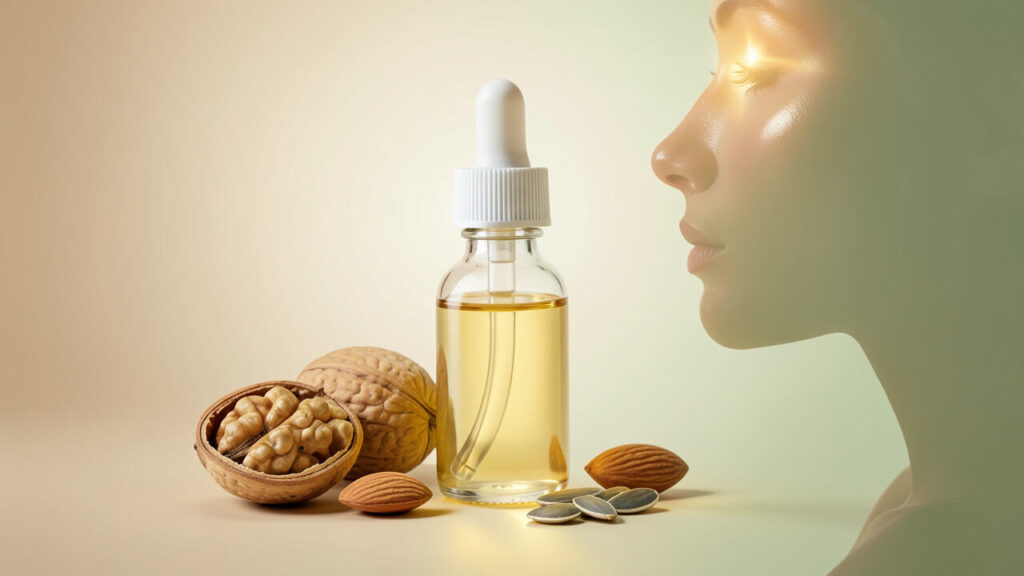
Vitamin E is a fat-soluble antioxidant that primarily protects your cells from oxidative damage caused by free radicals. This essential nutrient supports a strong immune system, contributes to healthy skin and hair, and may help safeguard eye health from age-related decline. You can obtain sufficient amounts through dietary sources like nuts, seeds, vegetable oils, and leafy green vegetables to maintain these protective bodily functions.
What does Vitamin E do in the human body? This powerful antioxidant plays a crucial role in protecting your cells from damage and supporting overall health. Understanding its functions can help you make better dietary choices and maintain wellness.
Simply put, Vitamin E is a fat-soluble antioxidant that shields your cells from oxidative stress caused by free radicals. It supports immune function, promotes healthy skin and eyes, and helps regulate various bodily processes. Getting enough through diet or supplements is key to leveraging these protective benefits.
Key Takeaways
- Vitamin E is a primary fat-soluble antioxidant that neutralizes free radicals, preventing cellular damage.
- It supports a robust immune system, helping your body fight off infections and illnesses effectively.
- Vitamin E contributes to healthy, glowing skin and may help protect against age-related eye conditions.
- Adequate intake is found in nuts, seeds, vegetable oils, and leafy greens.
- While generally safe from food, high-dose supplements can interact with medications and pose risks.
What Is Vitamin E and Why Does It Matter?
Vitamin E isn’t a single compound. It’s a group of eight fat-soluble vitamins, with alpha-tocopherol being the most biologically active form in humans. Your body cannot produce it, so you must get it from your diet or supplements.
This vitamin’s primary job is to act as an antioxidant. In simple terms, antioxidants are like bodyguards for your cells. They intercept and neutralize unstable molecules called free radicals.
Free radicals are produced during normal metabolism and from external sources like pollution and UV radiation.
- Prevents Cellular Damage: By stabilizing free radicals, Vitamin E stops a chain reaction of damage to cell membranes, proteins, and DNA.
- Works with Other Nutrients: It functions in a network with other antioxidants like Vitamin C, regenerating after neutralizing threats.
- Supports Cell Signaling: Beyond defense, it helps cells communicate properly and regulate growth.
The importance of this vitamin lies in its protective role. Chronic oxidative stress is linked to aging and numerous diseases. By helping to manage this stress, Vitamin E plays a part in long-term health maintenance.
How Does Vitamin E Function as an Antioxidant in the Body?
To understand how Vitamin E works, you need to know a bit about cell structure. Your cell membranes are made of fats (lipids). Free radicals are particularly damaging to these fats, causing a process called lipid peroxidation.
This compromises cell integrity.
Vitamin E embeds itself directly into these cell membranes. When a free radical approaches, it donates an electron to stabilize the molecule, sacrificing itself in the process. This stops the damaging chain reaction right at the cell’s surface.
| Antioxidant Action | Result in the Body |
|---|---|
| Neutralizes lipid peroxyl radicals | Protects cell membranes from damage and breakdown |
| Prevents oxidative LDL cholesterol | May help reduce a key risk factor for heart disease |
| Reduces UV-induced free radicals in skin | Helps minimize sunburn and photoaging damage |
Tip: Vitamin E’s antioxidant power is enhanced when paired with Vitamin C. They work together to recycle each other, extending their protective effects.
Without adequate Vitamin E, your cells become more vulnerable to this type of damage. Over time, this contributes to inflammation and may increase the risk for chronic conditions. Its role as a frontline defender is why it’s considered essential.
What Role Does Vitamin E Play in Immune System Support?
Vitamin E is vital for mounting an effective immune response, especially in older adults. Research shows that as we age, our immune systems naturally weaken. This process is called immunosenescence.
Studies have found that Vitamin E supplementation can help improve this age-related decline. It enhances the function of T-cells, which are critical immune cells that identify and destroy invaders. It also supports the proliferation of B-cells, which produce antibodies.
- Boosts T-Cell Function: It improves the communication and attack capability of these key immune warriors.
- Supports Natural Killer (NK) Cells: These cells are your body’s first line of defense against viruses and tumors.
- Reduces Oxidative Stress in Immune Cells: It protects immune cells themselves from damage, keeping them functional.
- May Enhance Vaccine Response: Some evidence suggests it can improve the antibody response to vaccines in the elderly.
According to the National Institutes of Health, older adults may especially benefit from adequate intake to maintain their immune resilience. It’s not a cure-all, but it provides essential support for the system that keeps you healthy.
How Does Vitamin E Benefit Your Skin and Hair Health?
The skin is constantly exposed to external stressors like sunlight, pollution, and toxins. This makes it highly susceptible to oxidative damage. Vitamin E is a key component in protecting and nourishing this vital organ.
In the skin, it works to protect against UV damage from the sun. While it’s not a substitute for sunscreen, it helps neutralize the free radicals generated by UV exposure, reducing inflammation and preventing long-term damage. This can help minimize signs of premature aging like wrinkles and sunspots.
- Moisturizes and Strengthens: As an oil, it helps seal moisture into the skin’s outer layer, improving barrier function.
- May Aid Wound Healing: Its anti-inflammatory properties can help reduce itching and promote healing in minor skin irritations.
- Supports Scalp Health: For hair, it helps maintain a healthy scalp environment, which is foundational for strong hair growth.
- Fights Environmental Damage: It protects skin cells from pollution and other environmental aggressors.
Warning: Applying Vitamin E oil directly from capsules to the skin can cause irritation or contact dermatitis in some people. It’s often better to use skincare products containing stabilized forms of the vitamin.
Incorporating Vitamin E-rich foods into your diet, like almonds and avocados, supports skin health from the inside out. For topical care, look for serums and creams with tocopheryl acetate or tocotrienols.
What Is the Connection Between Vitamin E and Eye Health?
Maintaining good vision as you age involves protecting the delicate structures of your eyes from oxidative stress. The retina, in particular, is highly metabolically active and vulnerable. Vitamin E plays a protective role here.
It is one of the key antioxidants studied in relation to age-related macular degeneration (AMD) and cataracts. The macula, the central part of the retina responsible for sharp vision, is rich in polyunsaturated fats, making it a prime target for oxidative damage.
| Eye Condition | Potential Role of Vitamin E |
|---|---|
| Age-Related Macular Degeneration (AMD) | Helps protect retinal cells; often combined with Vitamin C, zinc, and copper in AREDS formulas. |
| Cataracts | May help slow clouding of the eye’s natural lens caused by cumulative oxidative damage. |
| Dry Eye Syndrome | Some studies suggest oral supplementation may improve symptoms by reducing oxidative stress on the ocular surface. |
While research is ongoing, a diet rich in antioxidants is consistently associated with better long-term eye health. Vitamin E is a key part of that dietary pattern.
How Does Vitamin E Support Brain and Nerve Function?
Your brain is exceptionally rich in fats and consumes a huge amount of oxygen, making it highly susceptible to oxidative stress. Vitamin E’s antioxidant properties are crucial for protecting brain cells (neurons).
It is particularly important for protecting the cell membranes of neurons and the myelin sheath that insulates nerve fibers. This protection supports clear and efficient nerve signal transmission throughout the body.
Research suggests Vitamin E may help in the following ways:
- Neuroprotection: It may help protect neurons from damage linked to neurodegenerative processes.
- Cognitive Health: Some studies in older adults correlate higher Vitamin E intake with better cognitive performance and slower age-related decline.
- Reduces Neuroinflammation: By controlling oxidative stress, it may help modulate inflammatory responses in the brain.
It’s important to note that while promising, high-dose Vitamin E supplementation has not been conclusively shown to prevent or treat major neurodegenerative diseases like Alzheimer’s. A balanced diet remains the best approach for brain health.
What Are the Best Food Sources of Vitamin E?
Obtaining Vitamin E from whole foods is the safest and most effective method. It is naturally found in a variety of plant-based foods, especially those rich in healthy fats. Since it is fat-soluble, eating it with a little dietary fat enhances its absorption.
Here are some of the top food sources per serving:
- Wheat Germ Oil: The most concentrated source, one tablespoon provides over 100% of the Daily Value (DV).
- Sunflower Seeds & Nuts: A handful of almonds or sunflower seeds makes a potent antioxidant-rich snack.
- Vegetable Oils: Sunflower, safflower, and wheat germ oils are excellent for cooking and dressings.
- Green Leafy Vegetables: Spinach, Swiss chard, and broccoli are good sources, especially when eaten with a fat like olive oil.
- Avocado and Fortified Foods: Avocados naturally contain it, and many cereals and spreads are fortified.
Tip: To preserve the Vitamin E in cooking oils, avoid overheating them to the smoke point. Use lower-heat methods like sautéing or drizzle oils over finished dishes.
Focusing on a varied diet rich in nuts, seeds, and vegetables typically provides sufficient Vitamin E for most healthy adults without needing supplements.
What Are the Risks of Vitamin E Deficiency and Excess?
True Vitamin E deficiency is rare in healthy individuals. It is primarily seen in people with conditions that impair fat absorption, such as Crohn’s disease, cystic fibrosis, or rare genetic disorders like ataxia with Vitamin E deficiency (AVED).
Symptoms of severe deficiency include muscle weakness, vision problems, and impaired immune function. Because the body stores Vitamin E in fat tissues and the liver, it takes a long time for a deficiency to develop from poor diet alone.
| Consideration | Details |
|---|---|
| Risk of Excess (Toxicity) | From high-dose supplements (>1000 mg/day), not food. Can interfere with blood clotting and increase bleeding risk, especially with blood thinners like warfarin. |
| Drug Interactions | May interact with chemotherapy, radiation therapy, and anticoagulant medications. Always consult a doctor before supplementing. |
| Tolerable Upper Intake Level (UL) | For adults, the UL is 1,000 mg/day of supplemental alpha-tocopherol. This does not apply to Vitamin E from food. |
Most people should aim to meet their needs through diet. Supplements should be reserved for diagnosed deficiencies or specific medical advice, not for mega-dosing.
Frequently Asked Questions
What is the recommended daily intake of Vitamin E?
The Recommended Dietary Allowance (RDA) for adults is 15 mg (22.4 IU) of alpha-tocopherol per day. Pregnant and breastfeeding women may require slightly more. It’s best to try meeting this goal through a balanced diet first.
Can you take Vitamin E supplements every day?
For most healthy people, daily low-dose supplements (within the RDA) are generally considered safe. However, long-term use of high-dose supplements should be done only under medical supervision due to potential risks like increased bleeding.
Does Vitamin E help with acne scars?
There is limited scientific evidence that topical Vitamin E improves acne scars. In fact, some studies suggest it may cause skin irritation or contact dermatitis. For scar treatment, ingredients like retinoids, silicone, or Vitamin C serums are often more effective.
Is Vitamin E oil good for your face?
Pure Vitamin E oil can be beneficial for very dry skin as a heavy moisturizer. However, it can be comedogenic (pore-clogging) and irritating for acne-prone or sensitive skin. Using products with a balanced formulation is often safer.
What foods are highest in Vitamin E?
Wheat germ oil is the single richest source. Other excellent choices include sunflower seeds, almonds, hazelnuts, and spinach. Avocado and vegetable oils like sunflower and safflower are also very good sources.
Final Thoughts
Vitamin E is a fundamental antioxidant that safeguards your cells from damage, supports your immune system, and contributes to the health of your skin, eyes, and brain. Its protective role is woven into many aspects of cellular function.
For most people, a varied diet featuring nuts, seeds, greens, and healthy oils provides all the Vitamin E your body needs. Always prioritize whole foods over high-dose supplements, and consult a healthcare provider before starting any new supplement regimen. Ensuring adequate intake is a simple step toward long-term wellness.